
Photos from current listings. Actual item, color, and included accessories may vary.
Book Buying Guide
The book category spans bound reading copies, from mass-market paperbacks to hardcovers and boxed sets, where the primary trade-off is paper/ink grade and binding method versus price and portability. Durable reading copies use sewn or Smyth-sewn signatures and acid-free paper, while glue-only perfect-bound paperbacks crack and yellow faster. Buy sewn hardcovers for keepers and shelf life; buy perfect-bound paperbacks only for single-read or disposable use.
At a glance
- Category
- Books
- Last updated
- Nov 27, 2026
Current offers
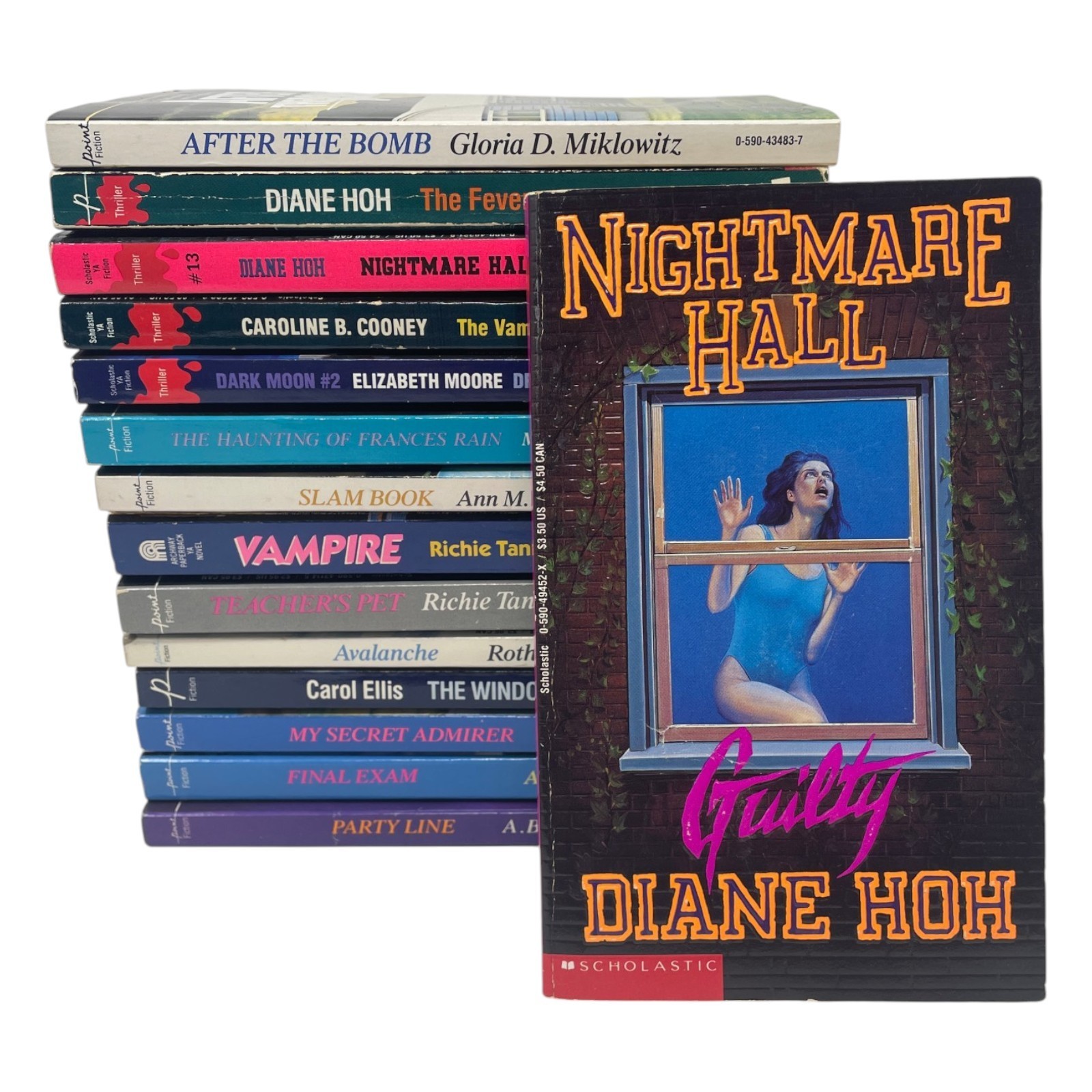 Vtg YA Horror Paperback Pick Choose Your Book Scholastic Point Series And More$2.99View on eBay
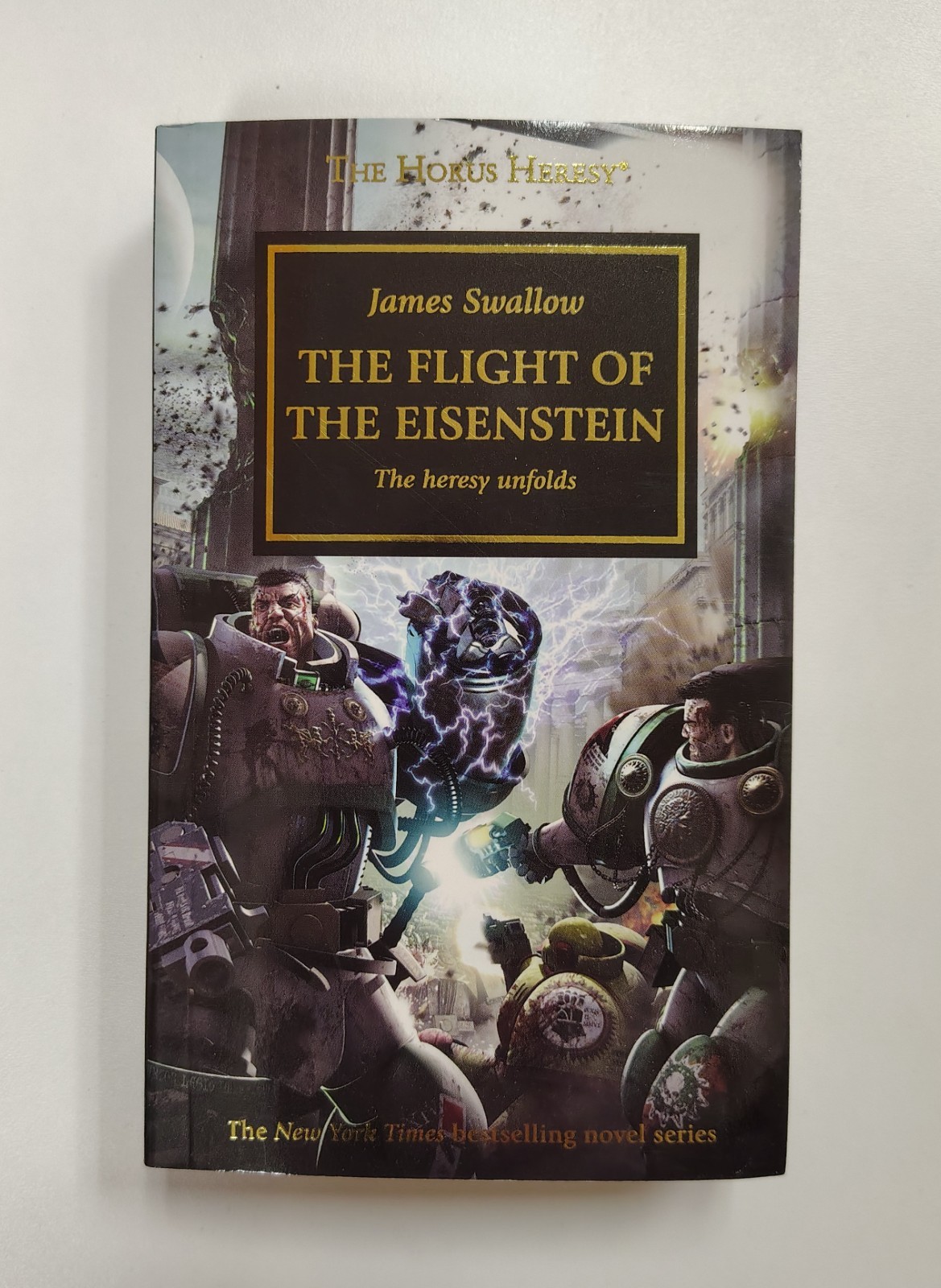 Warhammer Black Library Book Lot - Pick any or many and save!$9.99Last checked Nov 22, 2026View on eBay
 Enjoy Next Chapter Metal Bookmark Retirement Gift Women Book Reading Lover$16.43View on eBay
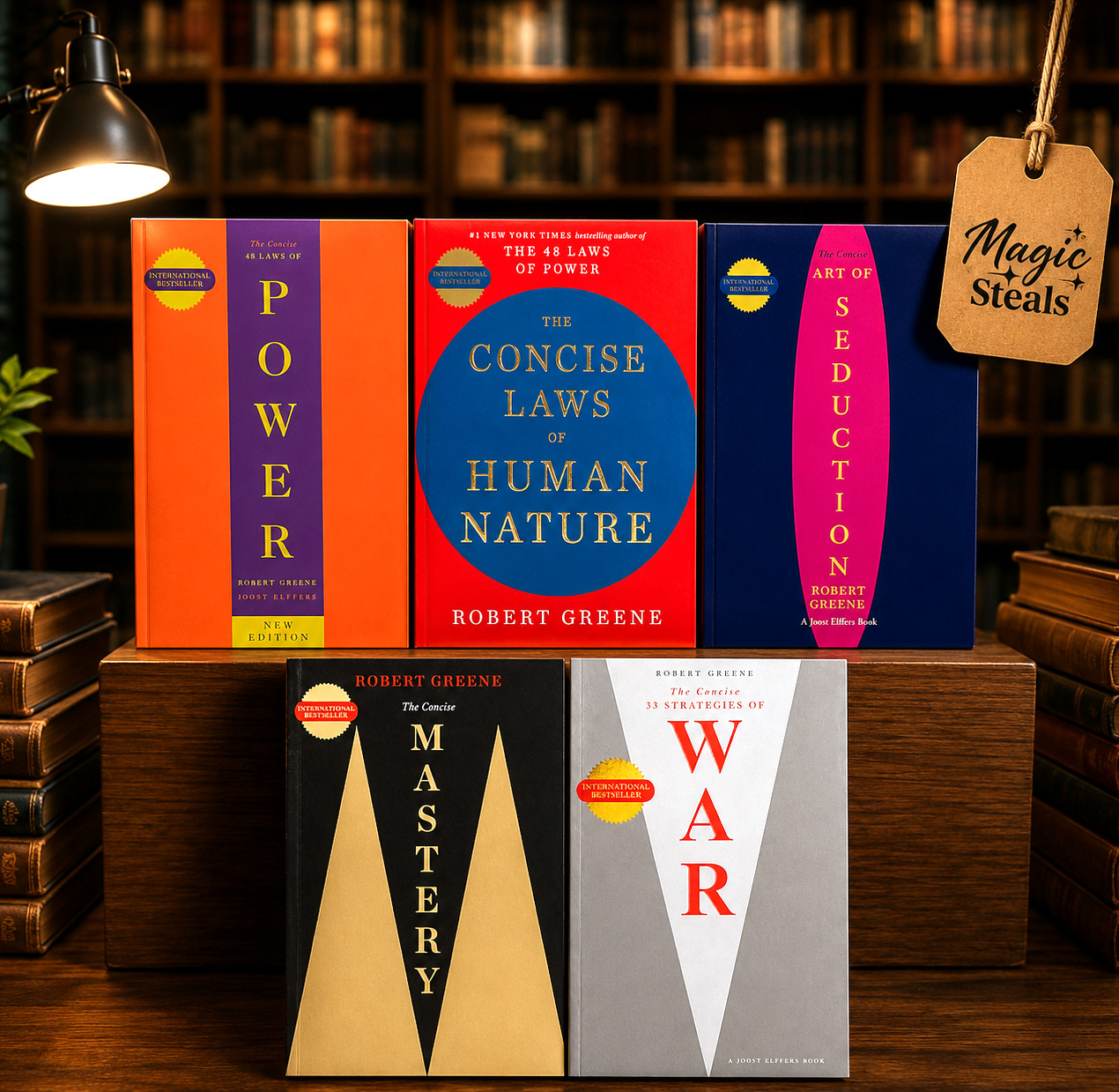 Robert Greene 5 Books Set, Power, Mastery, War, Seduction & Human Nature USA$19.20Last checked Nov 22, 2026View on eBay
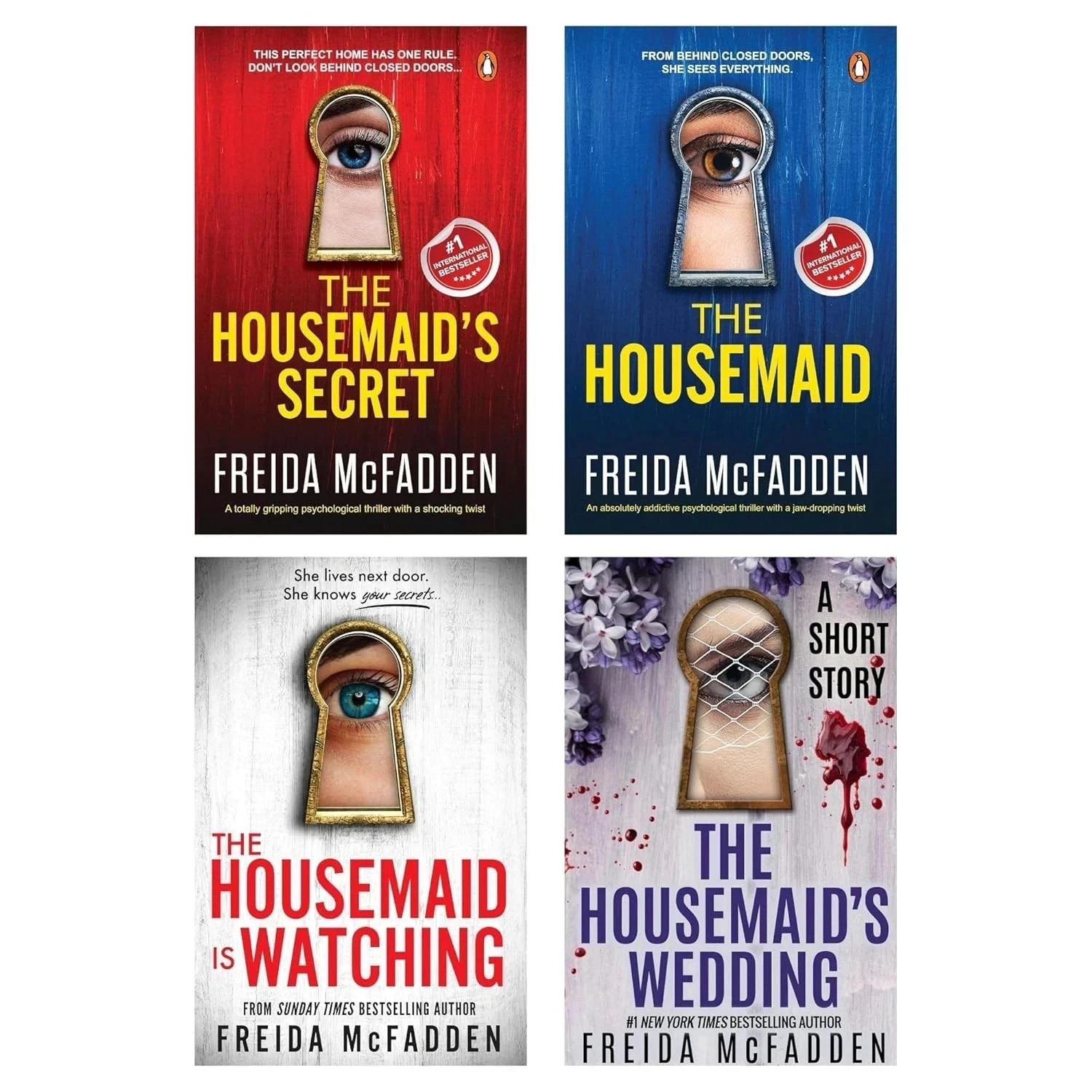 The Housemaid Series 4 Books Set by Freida McFadden, Paperback$19.87Last checked Nov 22, 2026View on eBay
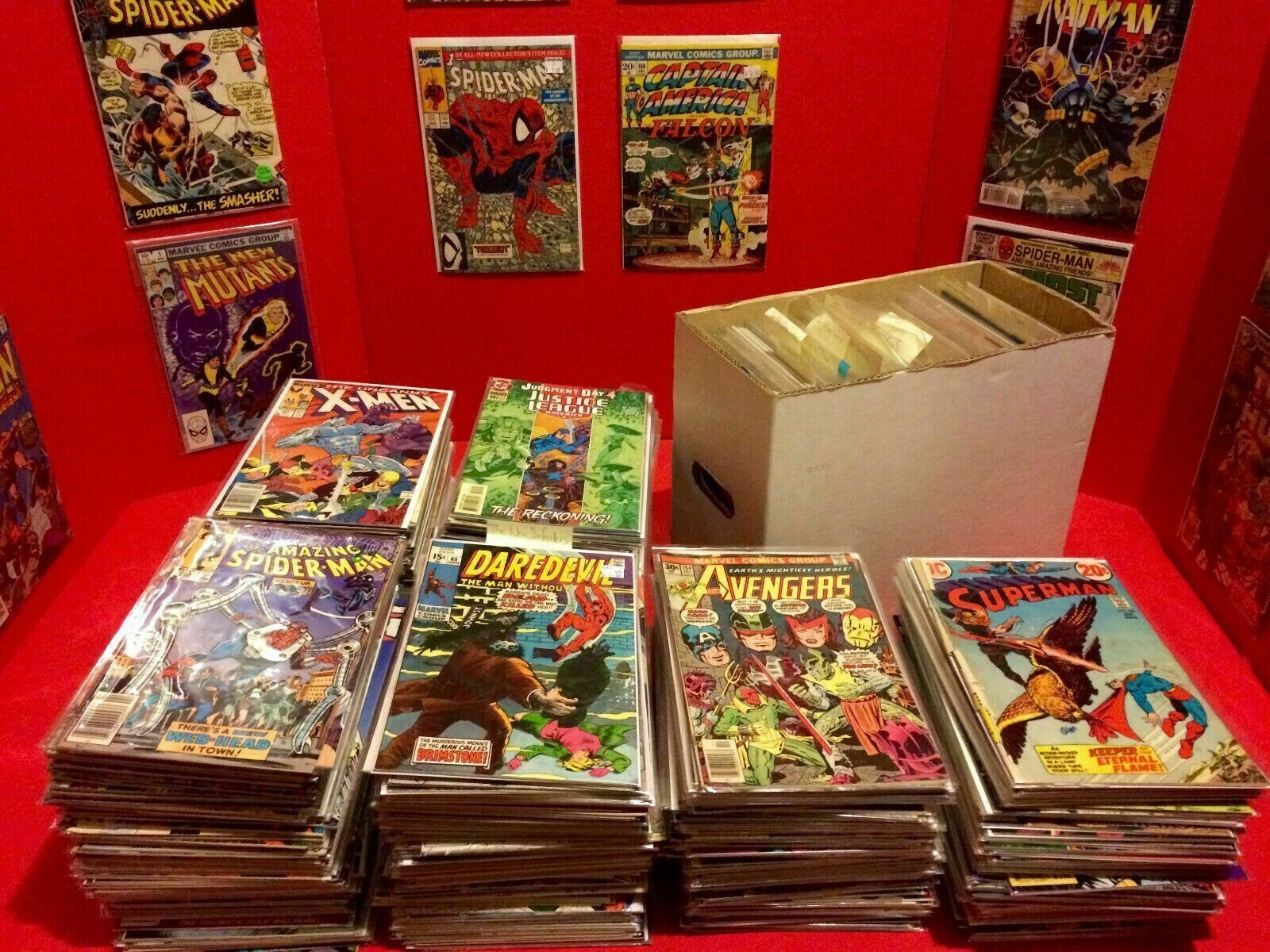 PRIME 10 COMICS BOOK LOT-ALL MARVEL ONLY FREE SHIP! VF+ to NM+ NO DUPLICATES$20.00View on eBay
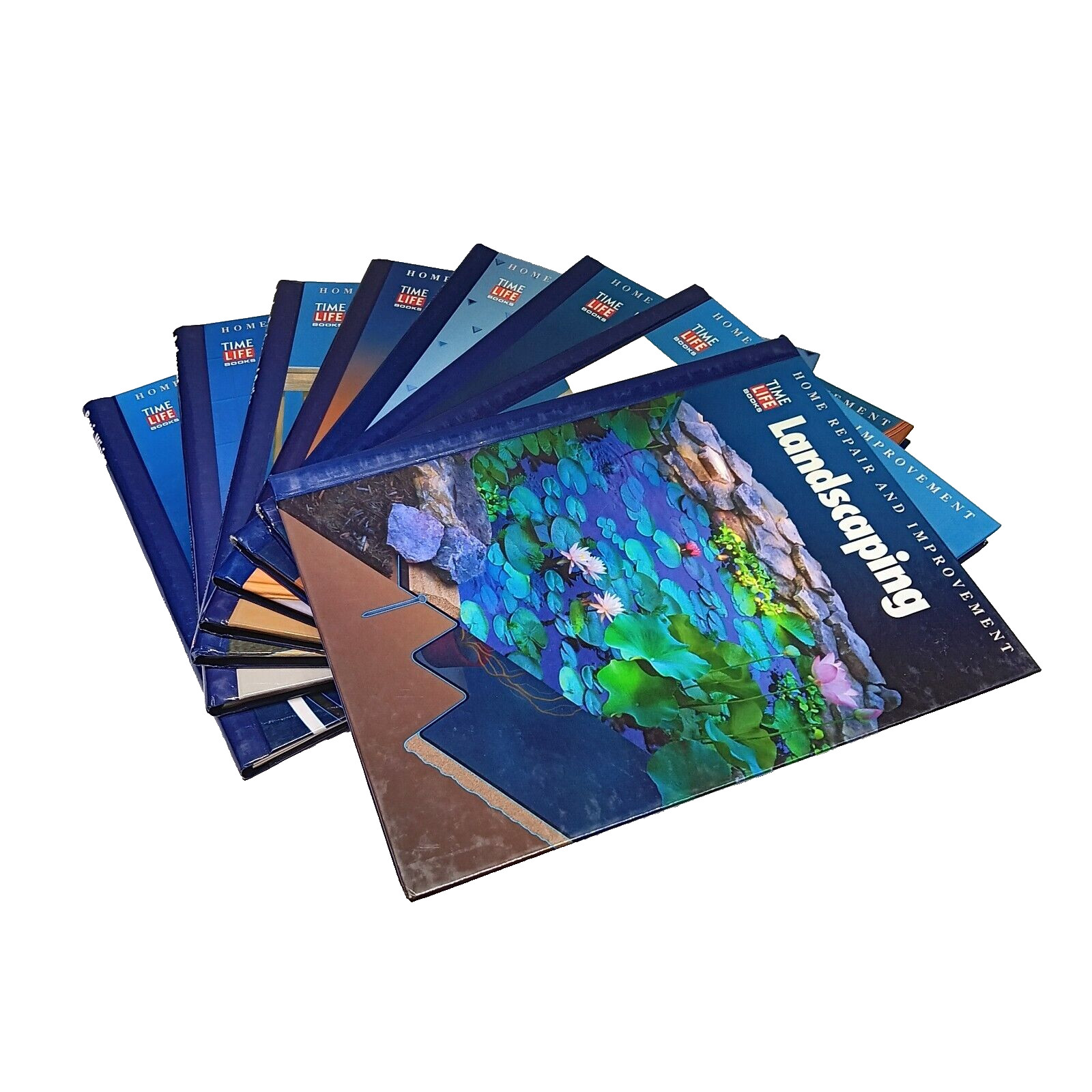 8 Time Life Home Repair Improvement Spiral Bound Books Paint, Landscape 1997$20.66Last checked Nov 26, 2026View on eBay
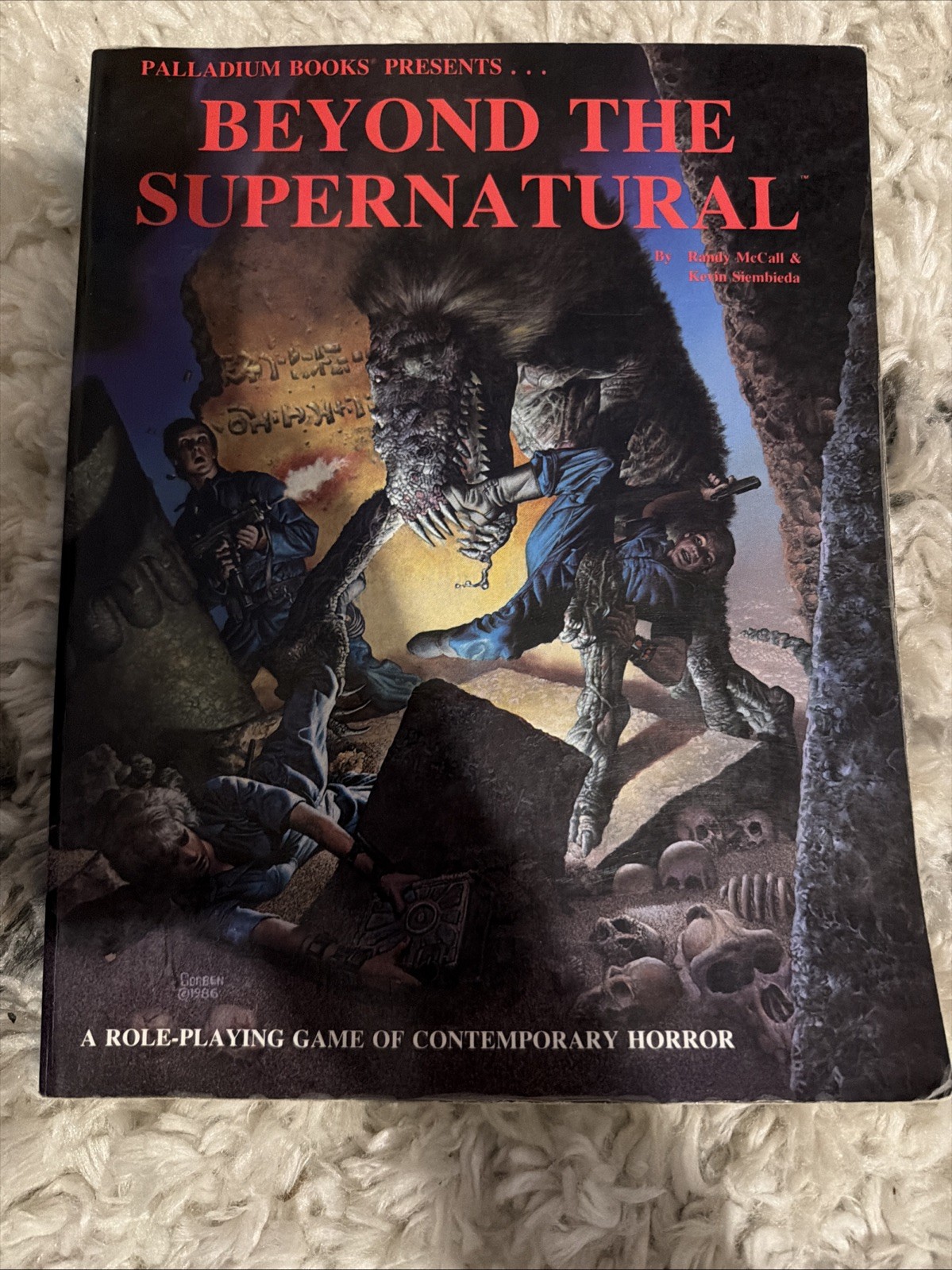 Beyond the Supernatural™ RPG Palladium Books Role Playing Game Horror Source$21.99View on eBay
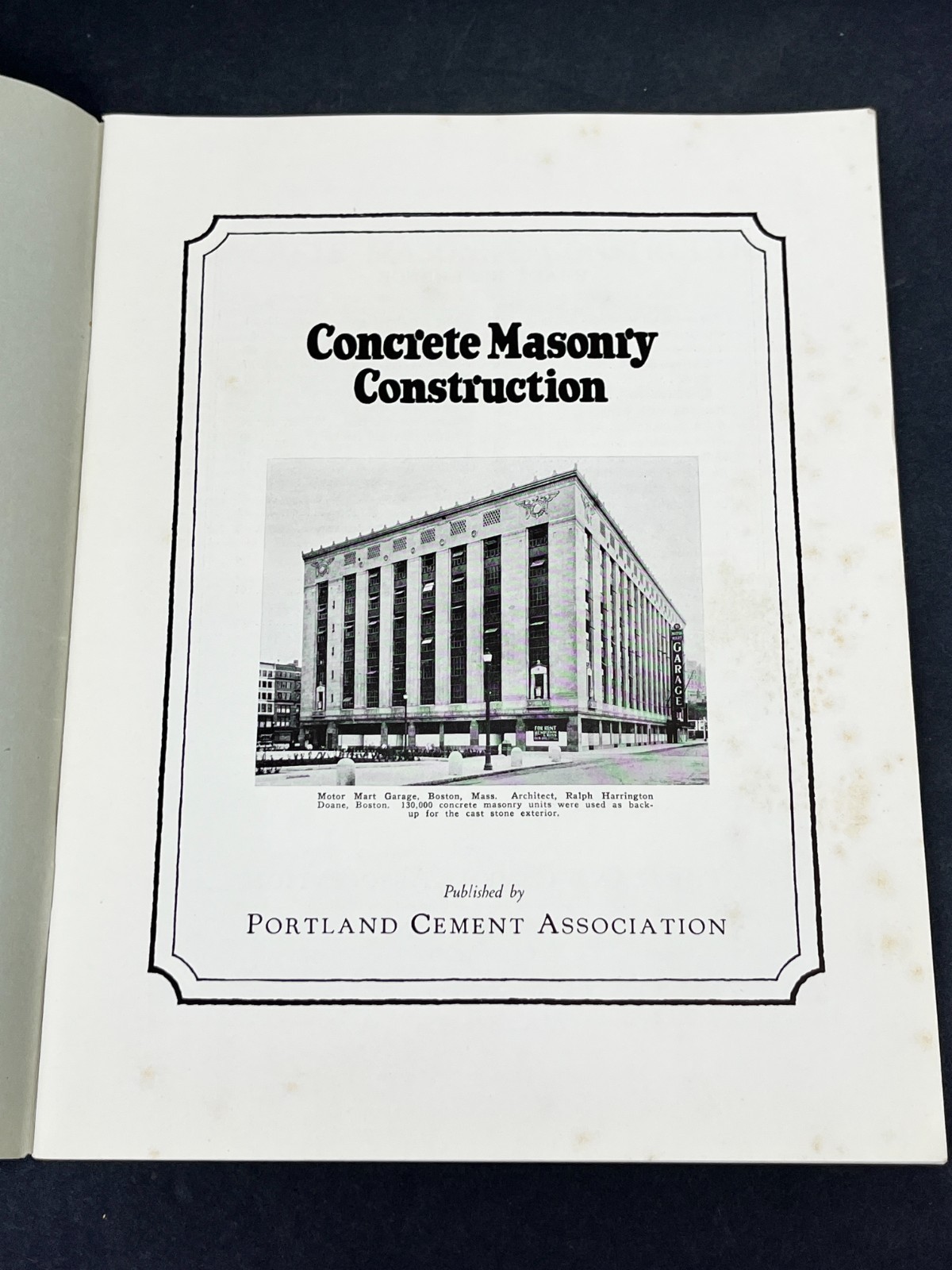 Portland Cement Co Concrete Masonry Construction Book Building Materials Plans$22.49View on eBay
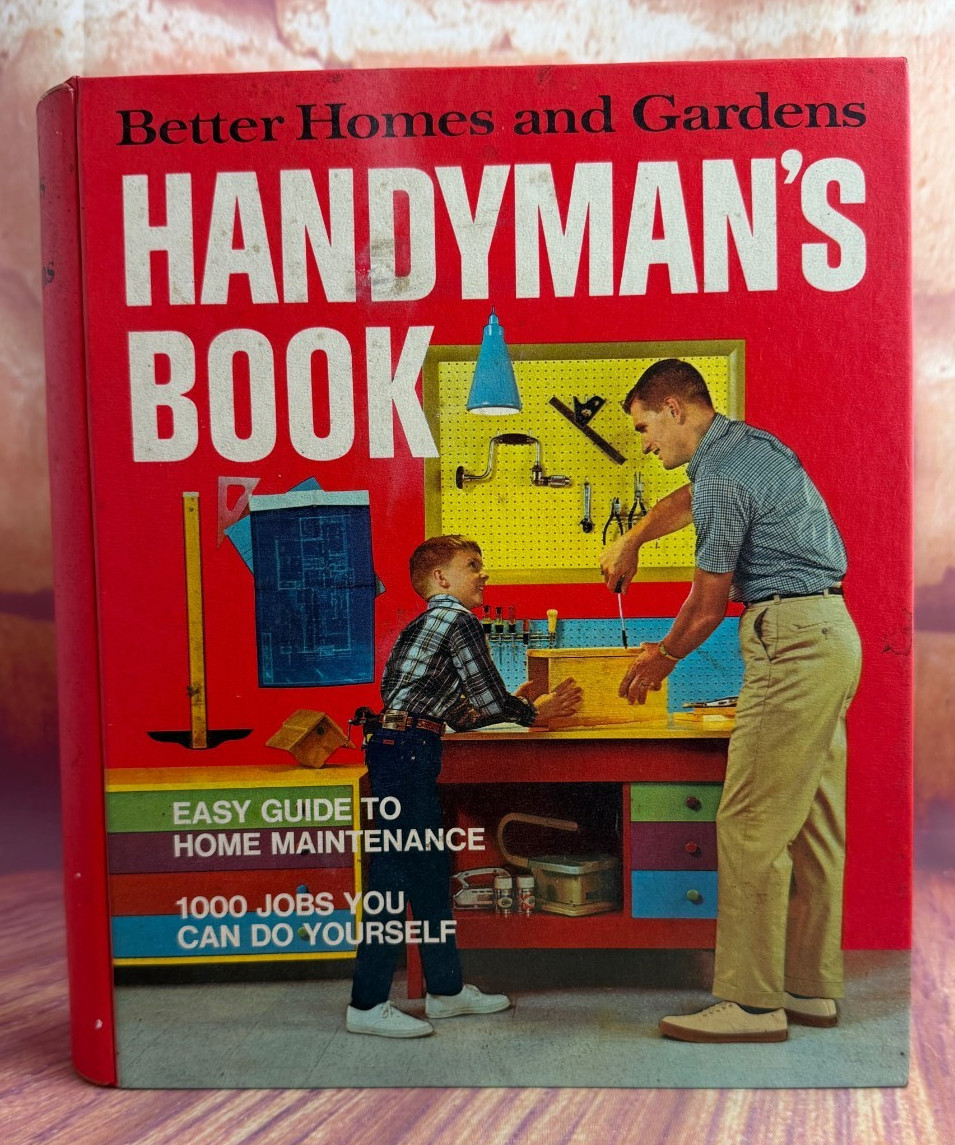 Better Homes & Gardens Handyman's Book 1973 2nd Ed DIY Home Repair Binder HC$22.99Last checked Nov 25, 2026View on eBay
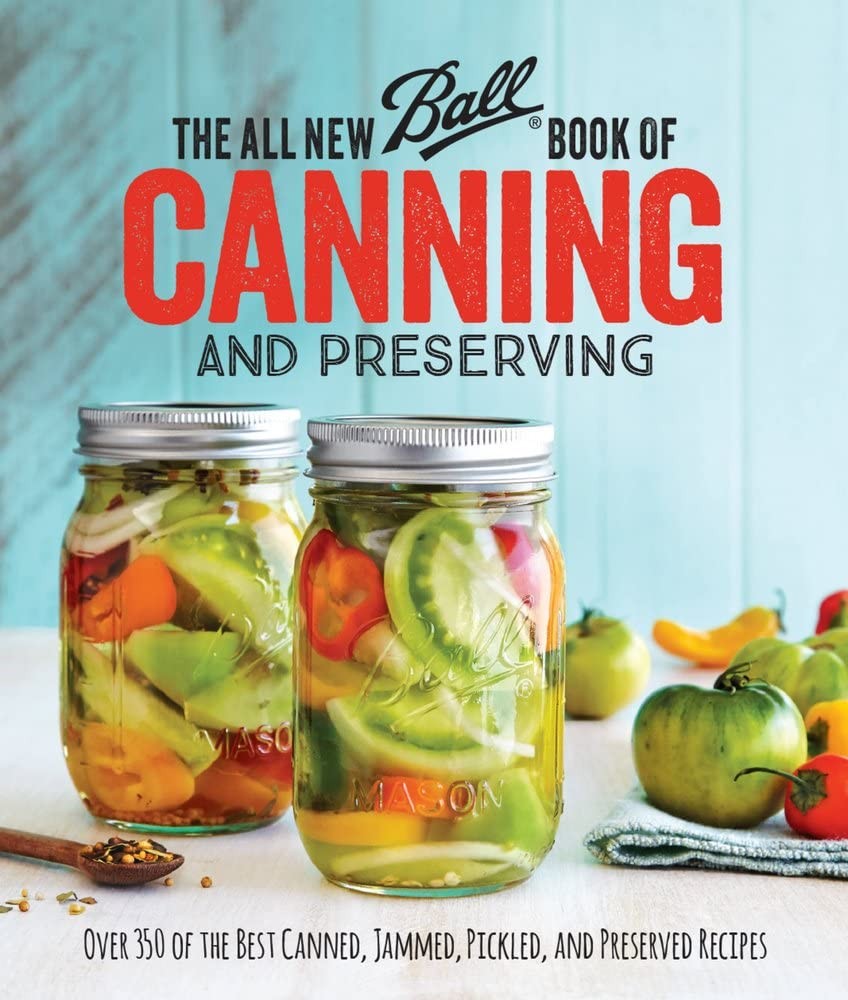 The All New Ball Book of Canning and Preserving: Over 350 of the Best Canned$23.95Last checked Nov 24, 2026View on eBay
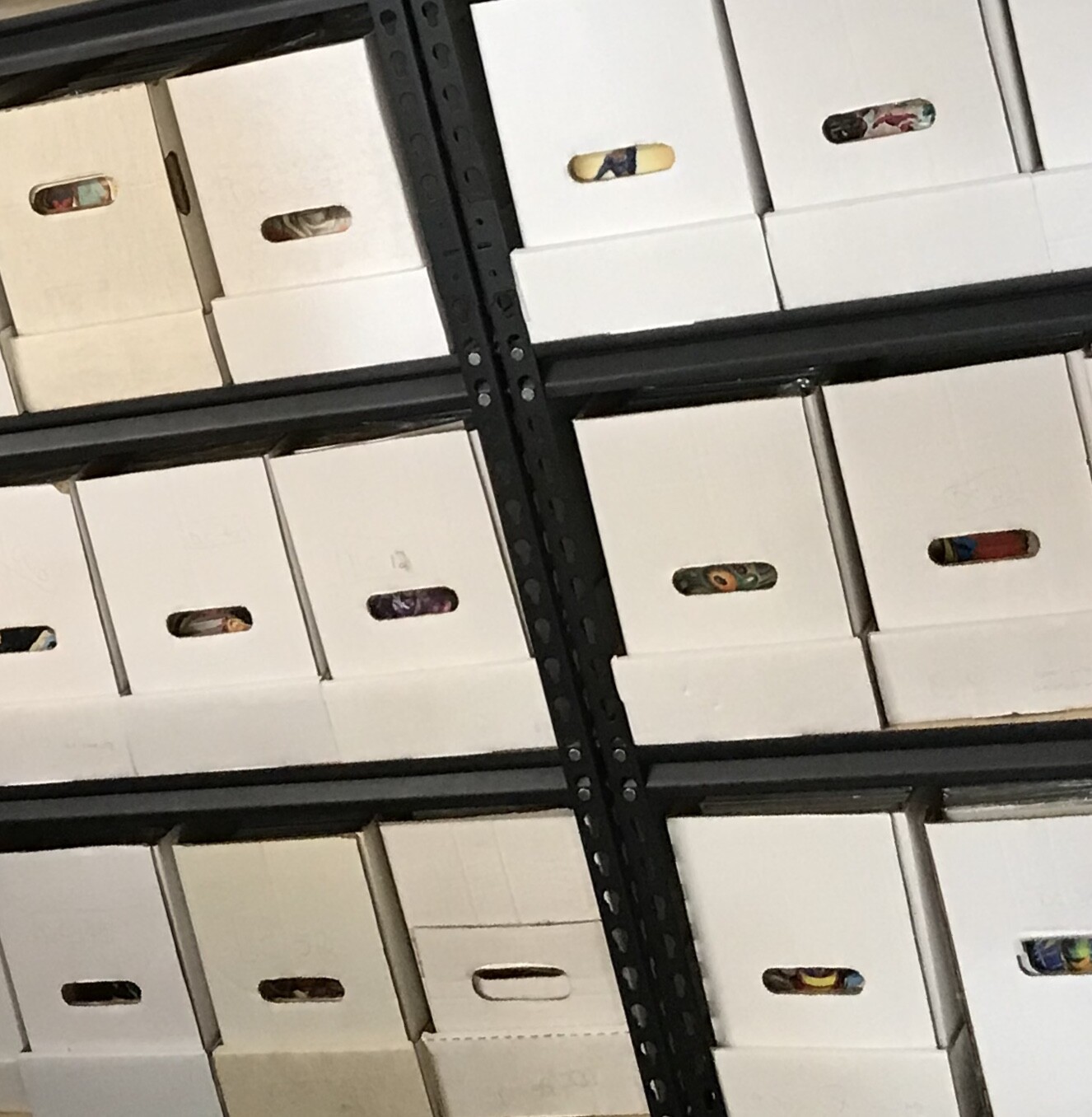 Variety Lot of 25 Independent Comic Books Good Condition - No Duplicates$23.95View on eBay
 Book Design of Sequential File Systems by Thomas R. Gildersleeve, HB 1971, Wiley$24.95View on eBay
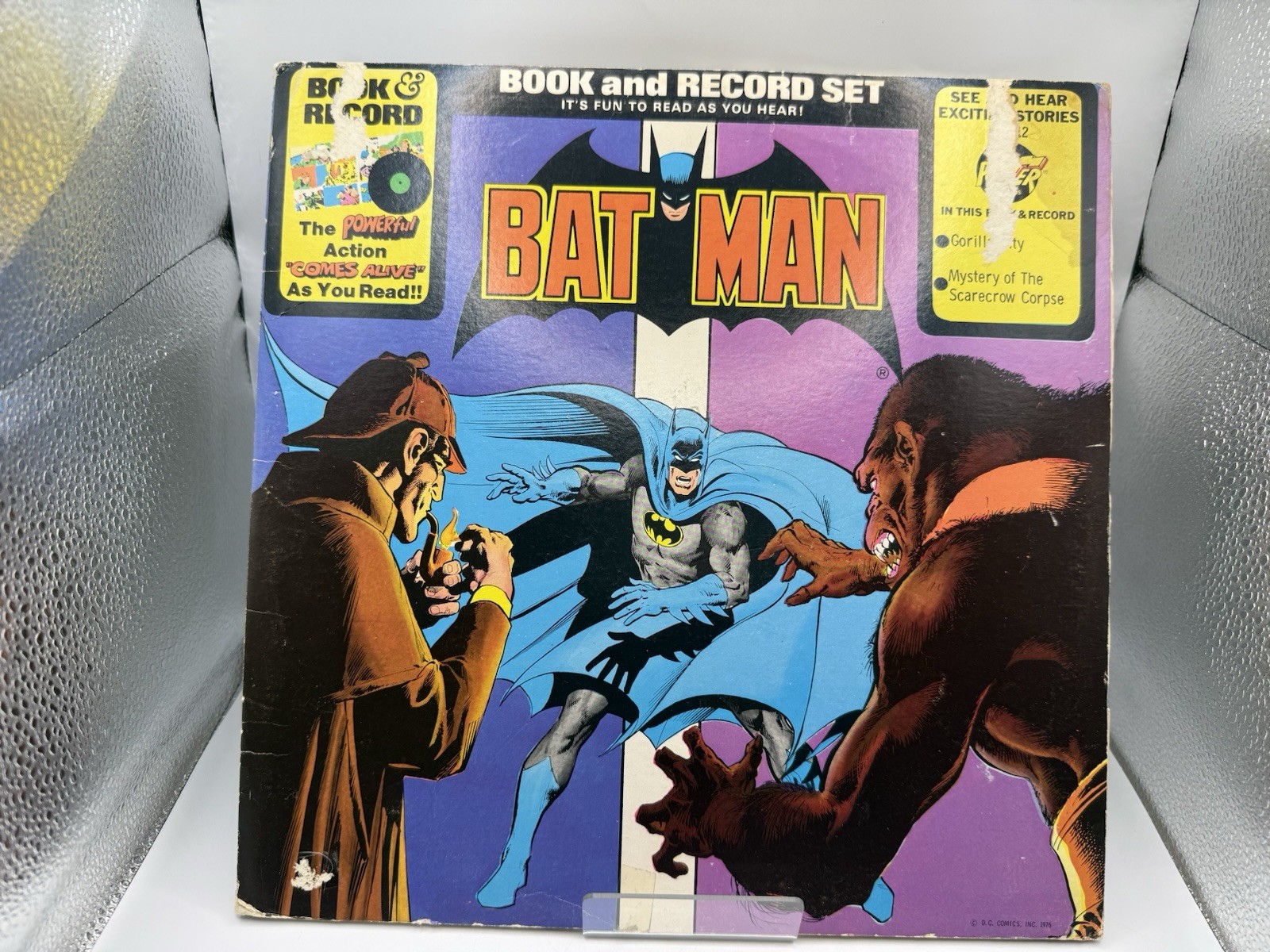 Batman Book and Record Set 1976 Power Records BR512 Gorilla City Scarecrow$24.99Last checked Nov 22, 2026View on eBay
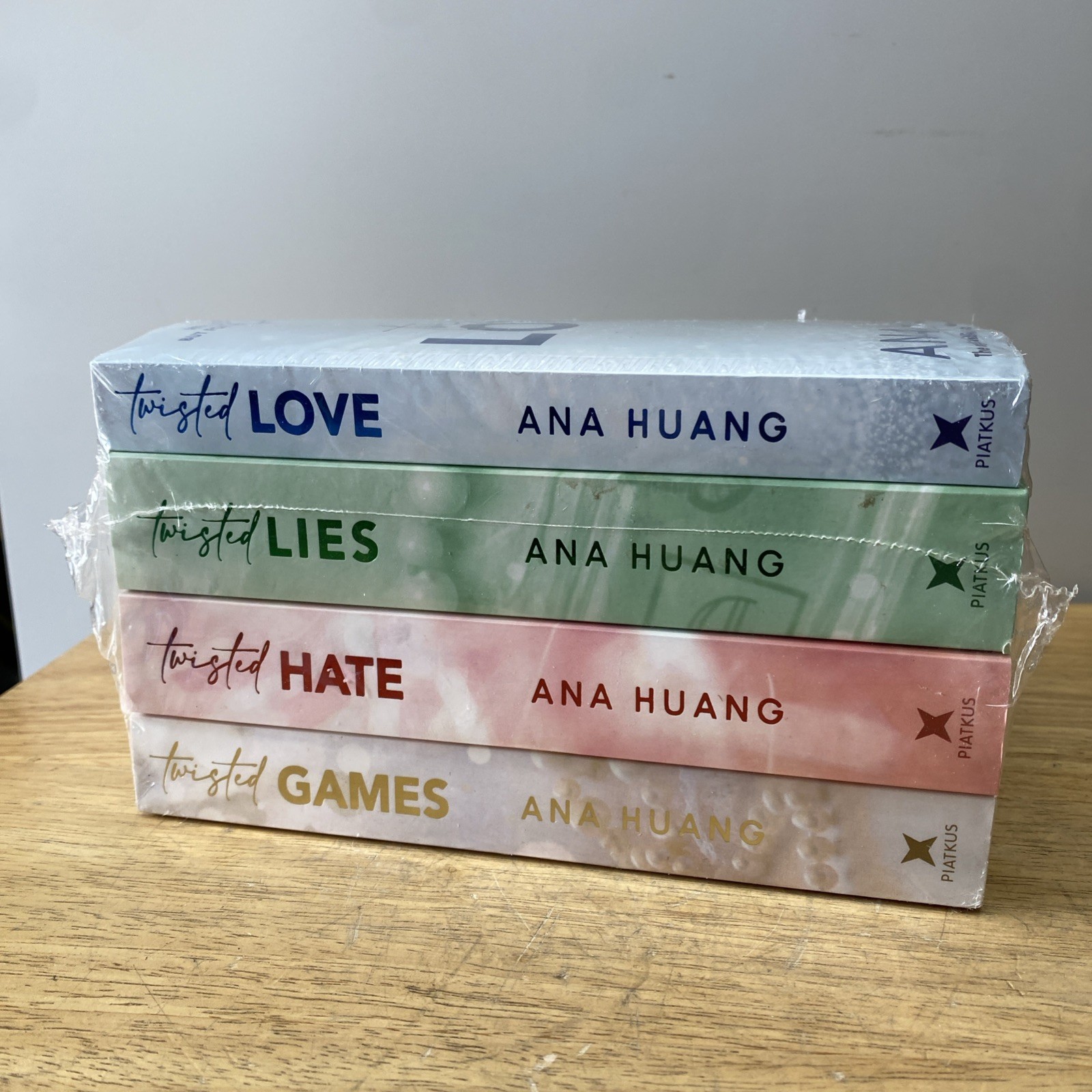 Twisted Series 4 Books Collection Set By Ana Huang NEW Paperback USA stock$24.99Last checked Nov 22, 2026View on eBay
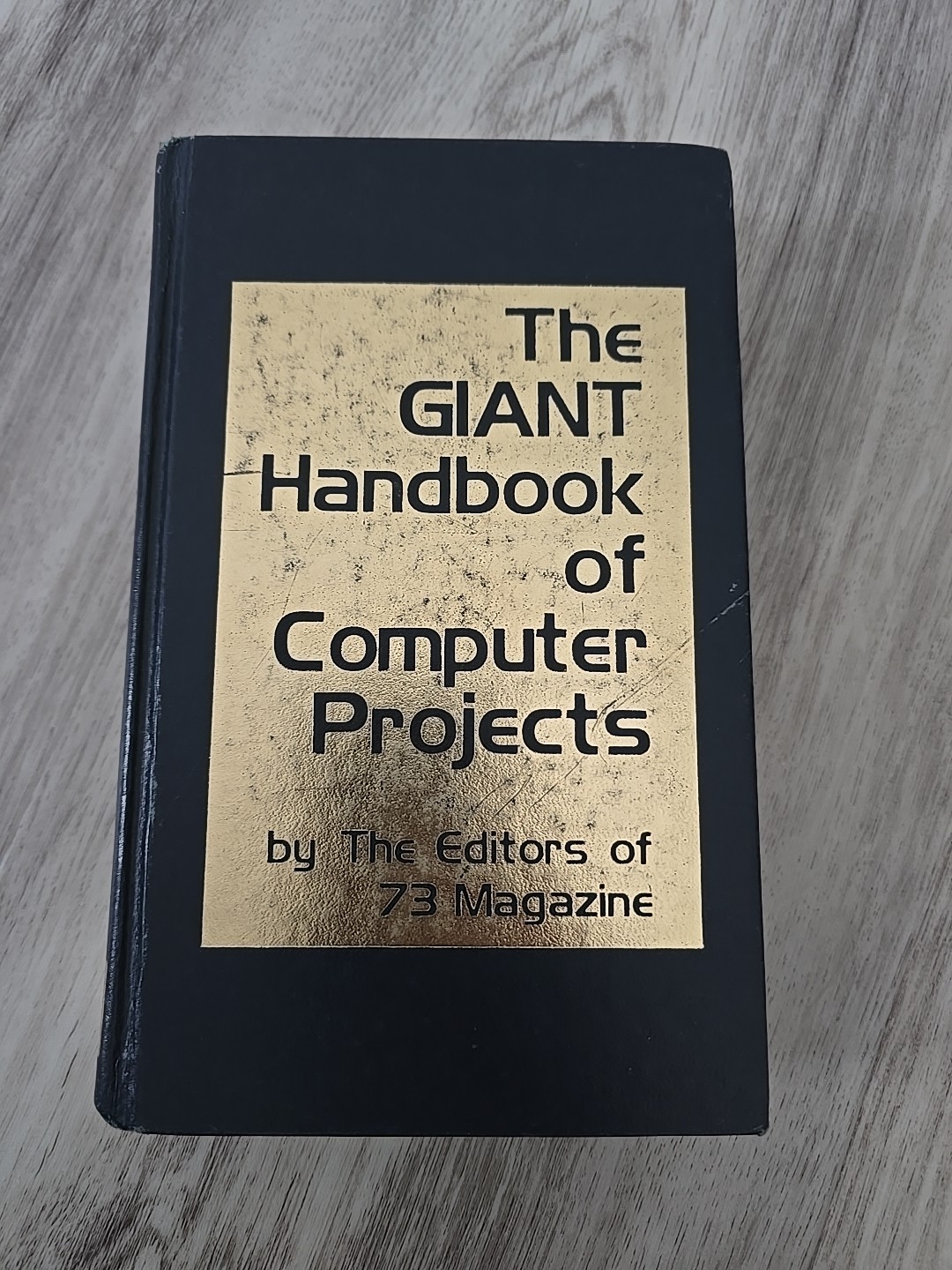 Giant Handbook of Computer Projects by The Editors of 73 Magazine 1979 HC book$25.00View on eBay
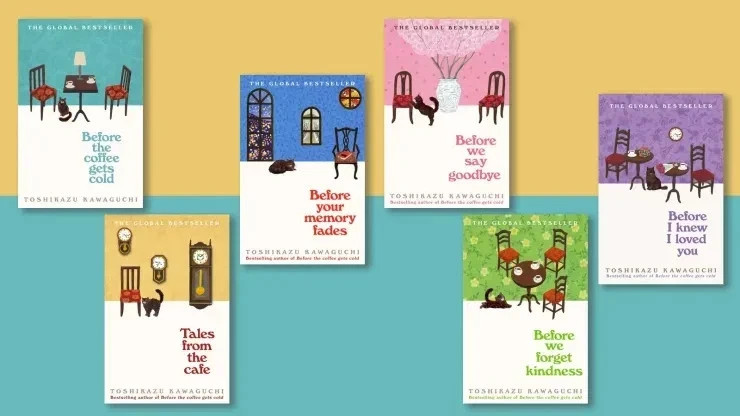 Before the Coffee Gets Cold Series 6 Books Collection Set English Paperback usa$26.22Last checked Nov 25, 2026View on eBay
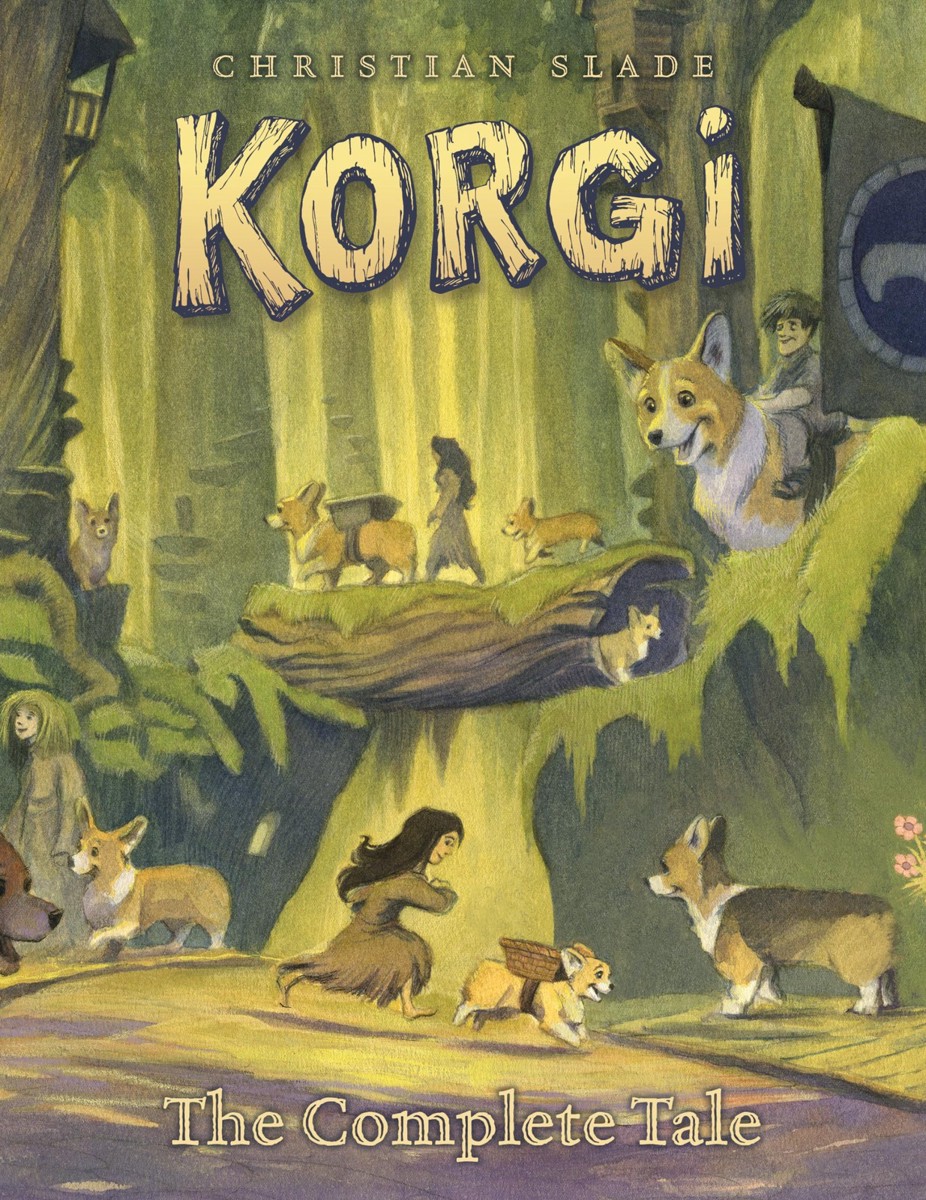 Korgi: The Complete Tale, Slade, Christian, New Book$26.79View on eBay
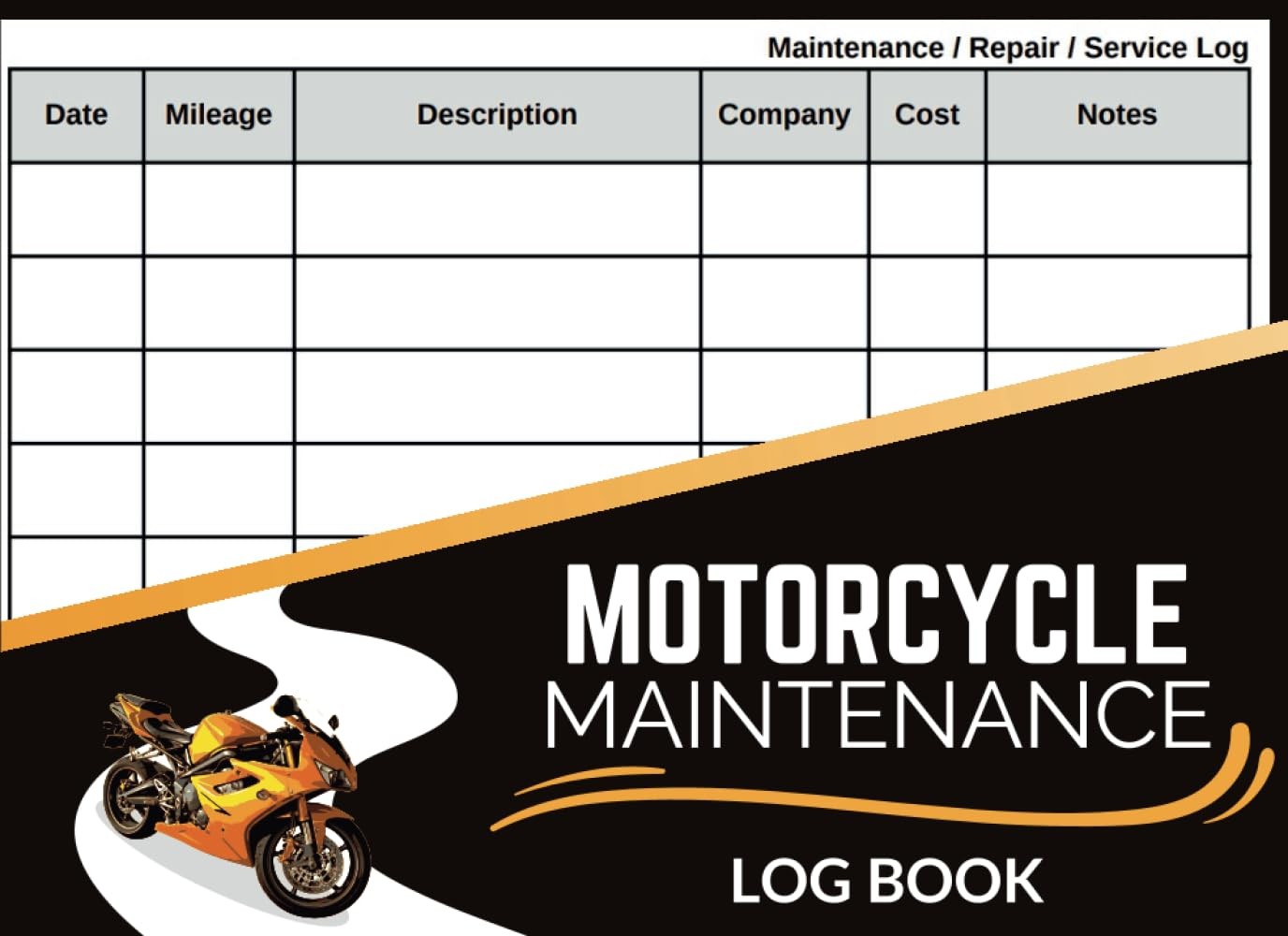 Motorcycle Maintenance Log Book: Track Repairs by Page Line$27.95View on eBay
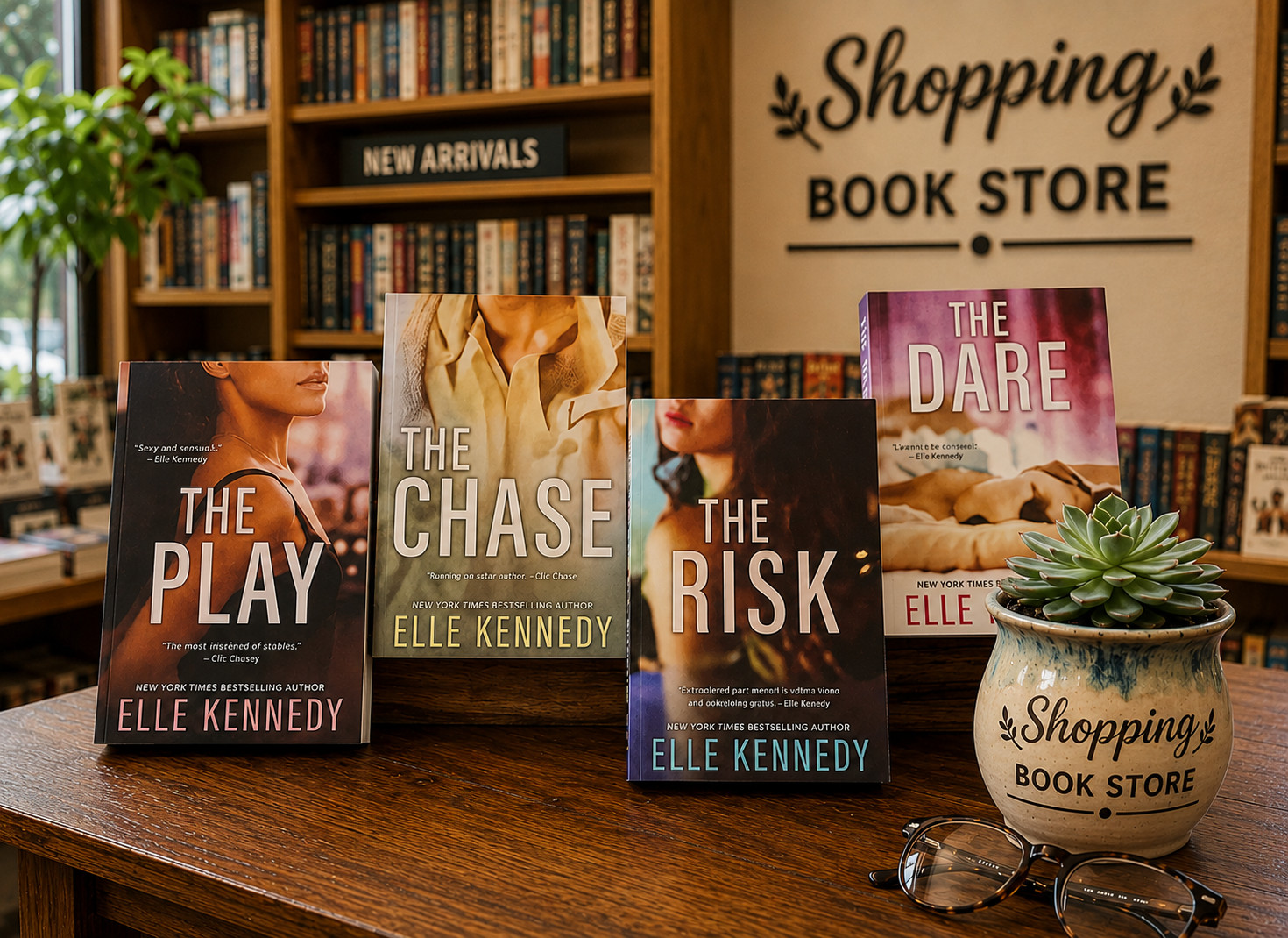 Briar U Series 4 Books Set : by Elle Kennedy Dare, Play, Chase, Risk PB$28.90Last checked Nov 22, 2026View on eBay
Highlights
- Binding: Smyth-sewn signatures survive repeated opening flat; perfect-bound (glue-only) spines crack after heavy re-reading and lose pages.
- Paper: acid-free (alkaline) stock resists yellowing and embrittlement for decades; cheap mechanical pulp paper turns brown within years under light and heat.
- Cover board: hardcovers use 2.5-3.0 mm greyboard wrapped in cloth or paper; trade paperbacks use 300-350 GSM card stock that dents at corners.
- Print standards: offset litho gives sharp, dense text at 300+ lpi; short-run digital toner can smudge under highlighter and shows banding on illustrations.
Best use cases
- Reading copy for one-time or loaner use: pick perfect-bound trade paperback with 80-90 GSM cream text stock; skip sewn hardcovers that cost more and weigh more.
- Lifetime keeper or gift edition: choose Smyth-sewn hardcover with acid-free paper and sewn headbands; skip glued paperbacks that crack at the spine.
- Collectible or series completion: match the exact imprint, printing year, and cover art state (first edition, first printing) because later printings reset the collectible value.
- Children's and activity books: select board books (400+ GSM coated board) or lay-flat spiral binding; skip standard perfect-bound picture books that tear at the gutter.
Buying tips
- Match binding to re-read frequency: sewn hardcover for books opened more than three times; perfect-bound only for single-pass reads.
- Check paper grade: acid-free or 'archival' stock for anything you plan to keep beyond five years; mechanical pulp yellows under UV and heat.
- For boxed sets confirm all volumes share the same trim size and imprint; mixed printings create uneven spines and mismatched art.
- For used copies grade condition by spine: 'very good' means tight hinges and no creasing; 'acceptable' often means cracked glue and loose signatures.
Specs
| Binding | Sewn vs perfect-bound glue |
|---|---|
| Paper Grade | Acid-free vs mechanical pulp |
| Trim Size | Mass-market 178 mm to hardcover 240+ mm |
| Cover Stock | Cloth hardcover vs 300-350 GSM card |
Related searches
What to check before buying
- Shelf space: measure height and depth against trim size (mass-market 178 mm; trade 210-234 mm; hardcover 240+ mm) before ordering boxed sets.
- Climate: keep acid-free paper below 25 C and 50% RH; humid rooms warp boards and swell glue bindings.
- Edition match: confirm ISBN and printing year to avoid receiving a later printing or different translation than the one reviewed.
- Companion parts: for slipcased or illustrated editions confirm the slipcase and plates are included, since they are often sold separately.
FAQ
Data sources: eBay / Amazon listings and product attribute feeds. Updated Nov 27, 2026.
Some links on this page are affiliate links. If you buy after clicking one, we may earn a commission at no extra cost to you. This does not change which products appear here or their order. Affiliate disclosure.