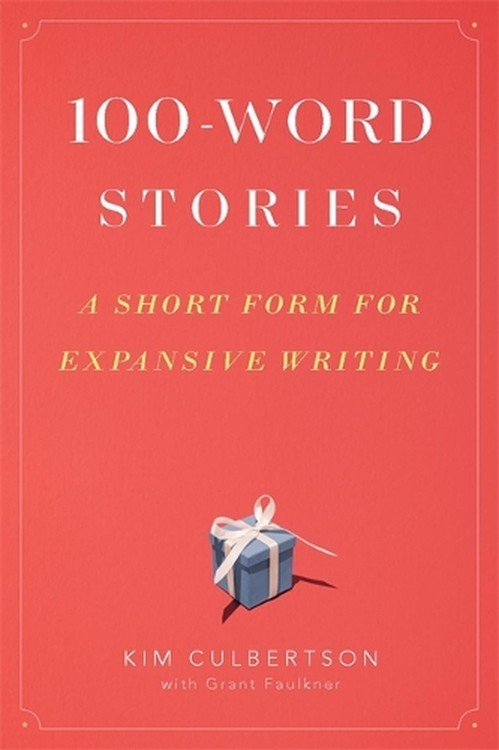

Photos from current listings. Actual item, color, and included accessories may vary.
Short Story Buying Guide
Short story collections are curated or single-author volumes of condensed fiction, where the main trade-off is between anthologies (multiple authors, thematic variety) and single-author collections (consistent voice, deeper immersion). The decisive rule: buy single-author collections for voice and craftsmanship, anthologies for breadth and discovery, and always check page count and publisher series to avoid abridged or textbook editions.
At a glance
- Category
- Books
- Last updated
- Nov 27, 2026
Current offers
Highlights
- Anthology vs. collection: multi-author anthologies offer thematic range but uneven quality; single-author collections deliver consistent voice and cumulative emotional impact.
- Flash fiction (under 1,000 words) versus traditional short stories (1,000–7,500 words) changes pacing and reading session length; flash suits commutes, traditional stories suit immersive sittings.
- Publisher series (e.g., O. Henry Prize, Best American) are annual, editor-curated, and reliably screened; standalone themed anthologies vary widely in editorial rigor.
- Physical format matters: trade paperbacks use acid-free paper and sewn or glued bindings; mass-market pocket editions use cheaper glue and tighter margins, reducing longevity and readability.
Best use cases
- Best fit: busy adults wanting complete stories in 10–20 minute sessions — choose flash-fiction or 10–20 page story collections; skip 40+ page novella-length stories.
- Best fit: readers exploring a new genre or author — choose multi-author anthologies with a specific theme; skip single-author collections until you know you like the voice.
- Best fit: book clubs needing discussable variety — choose themed anthologies with 15–25 stories; skip single-author collections where all stories share one perspective.
Buying tips
- Match story length to your reading window: flash fiction (under 1,000 words) for 5–10 minute breaks; traditional short stories (2,000–5,000 words) for 20–30 minute sessions.
- For single-author collections, check the original publication span — collections spanning 20+ years often include weaker early work; mid-career collections are more consistent.
- Prefer trade paperback (typically 5.5×8.5 in or 6×9 in) over mass-market pocket size (4.25×7 in) for readability and binding durability.
- Anthology page count: 300–400 pages typically holds 20–30 stories; under 200 pages often means very short flash pieces or fewer stories than expected.
Specs
| Format Type | Anthology vs. single-author collection |
|---|---|
| Story Length | Flash <1,000 words / short 1,000–7,500 |
| Binding | Trade paperback vs. mass-market pocket |
| Page Count | 200–400 pages (20–30 stories typical) |
Related searches
What to check before buying
- Measure your reading space: trade paperbacks fit standard shelves at 8–9 in tall; mass-market editions fit pockets but have smaller type.
- Check the publisher imprint: established literary presses and annual prize series have professional editing; self-published anthologies vary widely in proofreading quality.
- Confirm the edition is not a textbook or study guide — cover text like 'study guide' or 'annotated' signals supplementary material, not the original stories.
- For gifting, verify physical dimensions and cover finish (matte vs. glossy) — matte covers show fingerprints less but scuff more in transit.
FAQ
Data sources: eBay / Amazon listings and product attribute feeds. Updated Nov 27, 2026.
Some links on this page are affiliate links. If you buy after clicking one, we may earn a commission at no extra cost to you. This does not change which products appear here or their order. Affiliate disclosure.