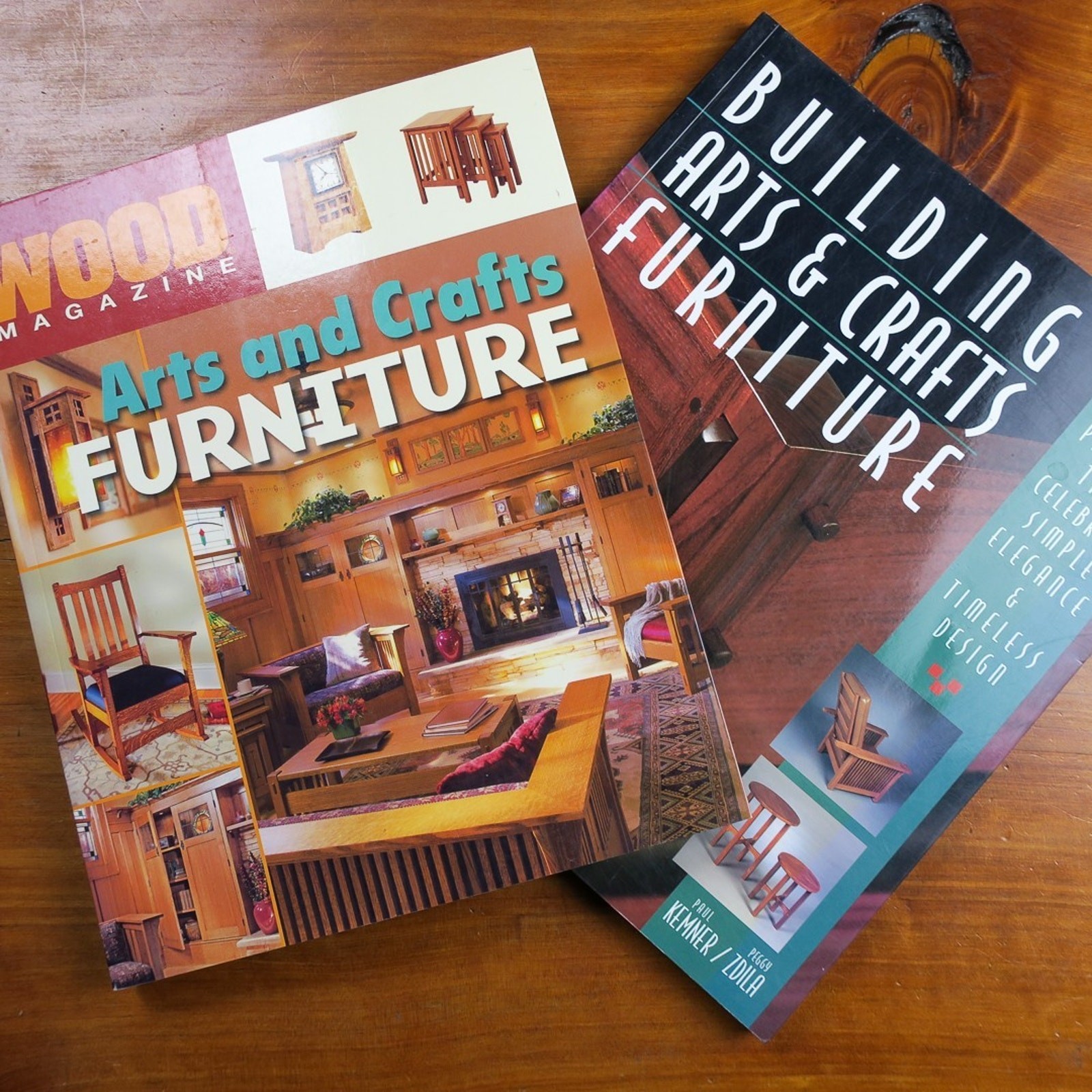

Photos from current listings. Actual item, color, and included accessories may vary.
Woodworking Plan Book Buying Guide
A woodworking plan book is only useful if its projects match your skill, toolset, and lumber supply — most buyers regret picking a book full of mortise-and-tenon joinery when they own only a trim router. Focus on joinery complexity, dimensioned drawings, and material lists rather than glossy cover photos. The right plan book is a shop manual, not a coffee-table inspiration album.
At a glance
- Category
- Books
- Last updated
- Nov 27, 2026
Current offers
Highlights
- Plan books split into measured-drawing manuals (every part dimensioned) and inspiration galleries (photos with cut lists only) — the former saves build time, the latter invites guesswork.
- Joinery tier dictates tool needs: biscuit/domino and pocket-screw plans need minimal tools, while dovetail and mortise-and-tenon plans require chisels, a router jig, or a hollow-chisel mortiser.
- Arts & Crafts / Mission-style plan compilations typically specify quartersawn white oak and through-tenon joinery — heavier stock and more precise milling than plywood-based modern plans.
- Lumber yield estimates in plan books assume dressed stock; rough-sawn purchases need 20–30% extra board feet to account for surfacing and waste.
Best use cases
- Pick a dimensioned-drawing plan book with cut lists and exploded views if you are building furniture to exact room dimensions and cannot afford rework.
- Skip Arts & Crafts compilations if you lack a mortiser or router jig — choose pocket-screw or biscuit-joinery plan books instead for a first furniture build.
- Choose a project-specific single-style book (e.g., Mission furniture only) over a general compendium when you want deep joinery detail rather than broad variety.
- Avoid photo-heavy inspiration books if you need measurable plans; they rarely include full cut lists or assembly sequences.
Buying tips
- Inspect the preview pages for dimensioned orthographic drawings — a plan book without measurements on every part is an idea book, not a build manual.
- Prioritize books that list board-foot requirements per project so you can price lumber before committing to a build.
- Check the joinery called out in sample projects against your tool inventory; matching joinery to owned jigs prevents stalled builds.
- Compare editions: revised editions often correct dimension errors and add metric conversions — earlier printings may carry known errata.
Specs
| Drawing Type | Dimensioned orthographic vs photo-only |
|---|---|
| Joinery Level | Pocket-screw to mortise-and-tenon |
| Cut Lists Included | Full board-foot lists vs none |
| Style Focus | Single-style (Mission) vs compendium |
Related searches
What to check before buying
- Measure your shop's max crosscut and ripping capacity against the widest and longest parts in the book's projects.
- Confirm your lumber supplier stocks the species and thickness the plans specify — quartersawn white oak is not a big-box item.
- Verify you own or can borrow the jigs the joinery requires (dovetail jig, biscuit joiner, mortise jig) before buying the book.
- Check whether plans are imperial-only or include metric; mixing standards mid-build causes cumulative dimension errors.
FAQ
Data sources: eBay / Amazon listings and product attribute feeds. Updated Nov 27, 2026.
Some links on this page are affiliate links. If you buy after clicking one, we may earn a commission at no extra cost to you. This does not change which products appear here or their order. Affiliate disclosure.