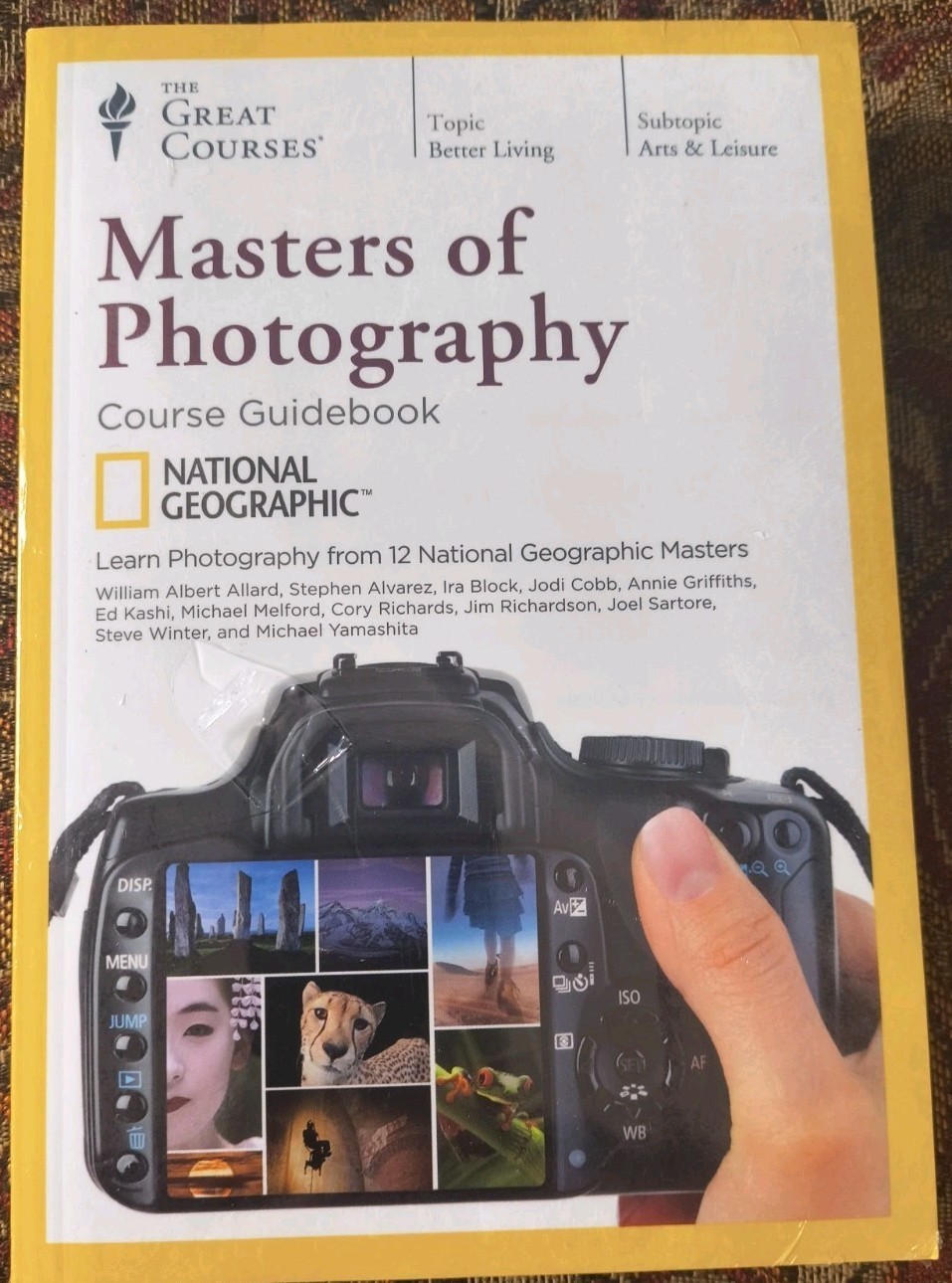

Photos from current listings. Actual item, color, and included accessories may vary.
National Geographic Magazine Buying Guide
National Geographic Magazine is a monthly print and digital publication combining photojournalism, science, history, and cartography, sold as single back issues, annual subscriptions, and collector archival lots. The primary trade-off is format and completeness: current subscription issues arrive sealed/new but carry no collector value, while vintage lots (pre-1980s) hinge on condition grade, map insert inclusion, and complete volume runs. The decision rule: buy new subscriptions for reading, and only buy back-issue lots that explicitly state complete covers, all map supplements, and a condition grade of Very Good or better.
At a glance
- Category
- Magazines, Textbooks & Reference
- Last updated
- Nov 27, 2026
Current offers
Highlights
- Print subscriptions deliver 12 monthly issues; digital-only tiers include the full archive back to 1888 via app, but digital issues lack the physical map supplements and cover stock collectors value.
- Vintage issues pre-1980s are the collector tier: value hinges on complete runs (bound volumes), intact fold-out maps, and spine/cover condition — single loose issues are reading copies, not investments.
- Newsstand and subscription copies are identical in content; only subscriber-cover variants and sealed mailer condition distinguish them, so 'sealed' listings command a premium without adding editorial content.
- Special editions (Masters of Photography course guides, DVD series, collector reprints) are separate SKUs from the monthly magazine — do not expect them in a standard 12-issue subscription.
Best use cases
- Best fit: a reader who wants current science, history, and photography — choose the 12-month print subscription or print+digital bundle; skip loose vintage lots, which are incomplete and condition-variable.
- Best fit: a collector building an archival run — buy bound annual volumes or complete decade lots with stated map inserts and Very Good+ condition; avoid single-issue purchases that cannot form a run.
- Best fit: a gift or classroom subscription — pick the print tier with digital archive access for lesson planning; skip specialty course-guide/DVD sets unless the recipient specifically wants photography instruction.
- Wrong fit: buyers seeking immediate single-issue reading — newsstand single copies exist but shipping per issue usually exceeds the value; a subscription is the only sensible per-issue route.
Buying tips
- Subscription length math: a 12-issue annual term equals one issue per month; multi-year terms lower per-issue cost but lock you in — match term to how long you will actually read it.
- For vintage lots, demand a stated condition grade (Fine/Very Good/Good) and explicit confirmation that all fold-out maps and supplements are present; missing maps cut collector value sharply.
- Check publication era: pre-1950s issues used different paper stock and binding, so expect brittleness and foxing; 1960s–1990s runs are the sweet spot for readable, durable archives.
- Digital archive access is the decisive add-on: it gives full-text search across 130+ years, which no physical lot can match — choose the bundle if research is the goal.
Specs
| Format Tier | Print / Digital / Print+Digital |
|---|---|
| Issues Per Year | 12 monthly issues |
| Archive Access | Digital: full archive to 1888 |
| Collector Era | Pre-1980s with map inserts |
Related searches
What to check before buying
- Confirm the format tier you are buying: print-only, digital-only, or print+digital bundle — each has a different issue count and archive access level.
- For vintage purchases, verify the lot is a complete volume or stated run (e.g., all 12 issues of a year), not a random stack, and that map supplements are included.
- Check shipping weight and packaging for bound volumes — annual bound copies are heavy and prone to spine damage in transit; require rigid packaging.
- Verify the subscription delivery address and term start month, since back-issue fulfillment and renewal timing differ from single-copy orders.
FAQ
Data sources: eBay / Amazon listings and product attribute feeds. Updated Nov 27, 2026.
Some links on this page are affiliate links. If you buy after clicking one, we may earn a commission at no extra cost to you. This does not change which products appear here or their order. Affiliate disclosure.