
Photos from current listings. Actual item, color, and included accessories may vary.
7 Year Piano Sheet Music Buying Guide
Seven-year piano sheet music spans method-book arrangements and leveled repertoire designed for students who have completed roughly six to seven years of formal study—typically late-intermediate to early-advanced players working across classical sonatinas, romantic character pieces, and simplified pop/jazz transcriptions. The primary trade-off is between pedagogically sequenced editions (graded series with intentional technique scaffolding) and stand-alone transcriptions that look impressive but may lack fingering, tempo guidance, and progressive difficulty. The decision rule: choose graded method supplements where the edition explicitly states its level and includes editorial fingering; choose individual transcriptions only when you can preview the first page and confirm the key, hand-span demands, and arrangement density match the player's reading level.
At a glance
- Category
- Sheet Music
- Last updated
- Nov 26, 2026
Current offers
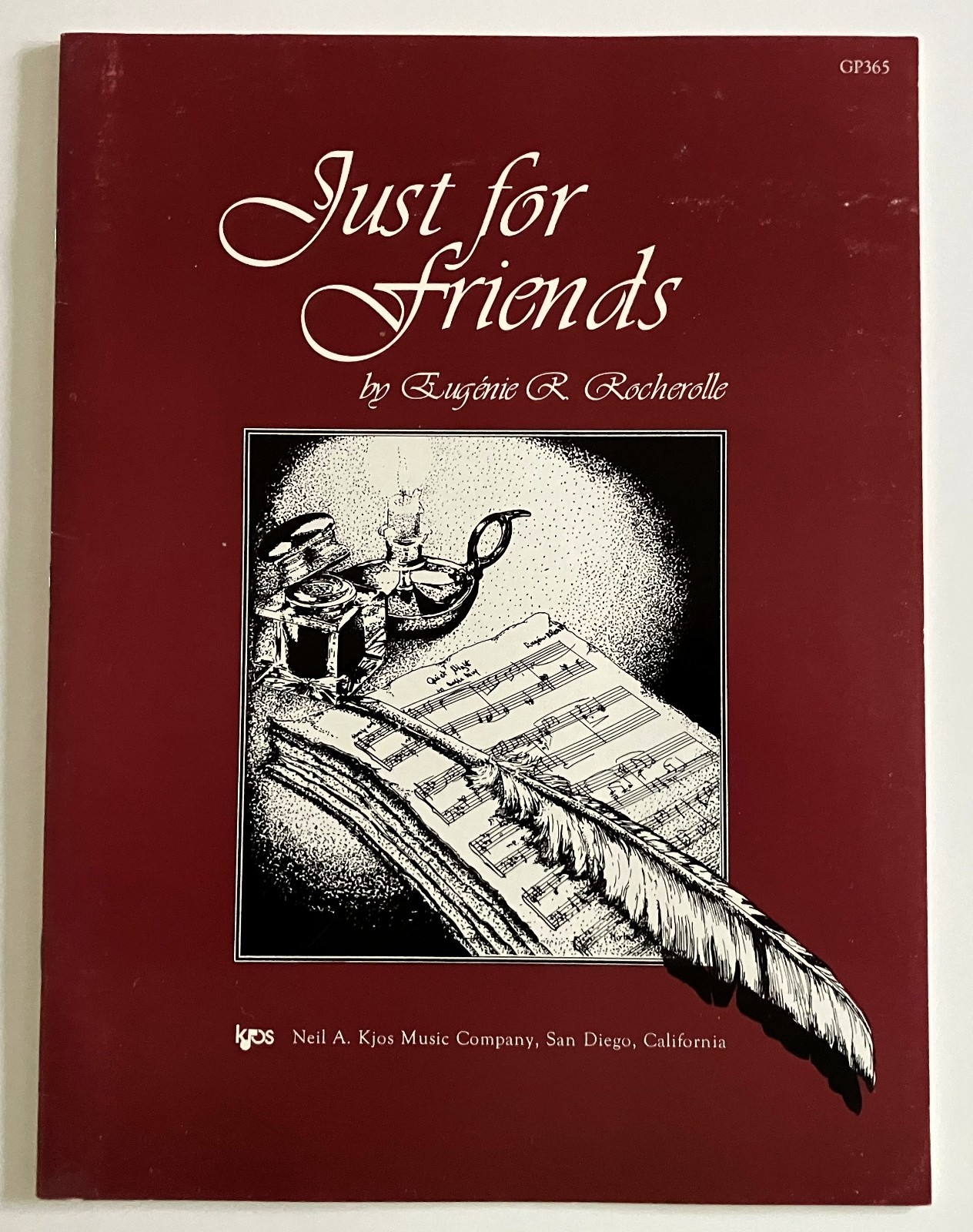 PIANO SHEET MUSIC~JUST FOR FRIENDS by EUGENIE ROCHEROLLE~BRAND NEW$4.00Last checked Nov 25, 2026View on eBay
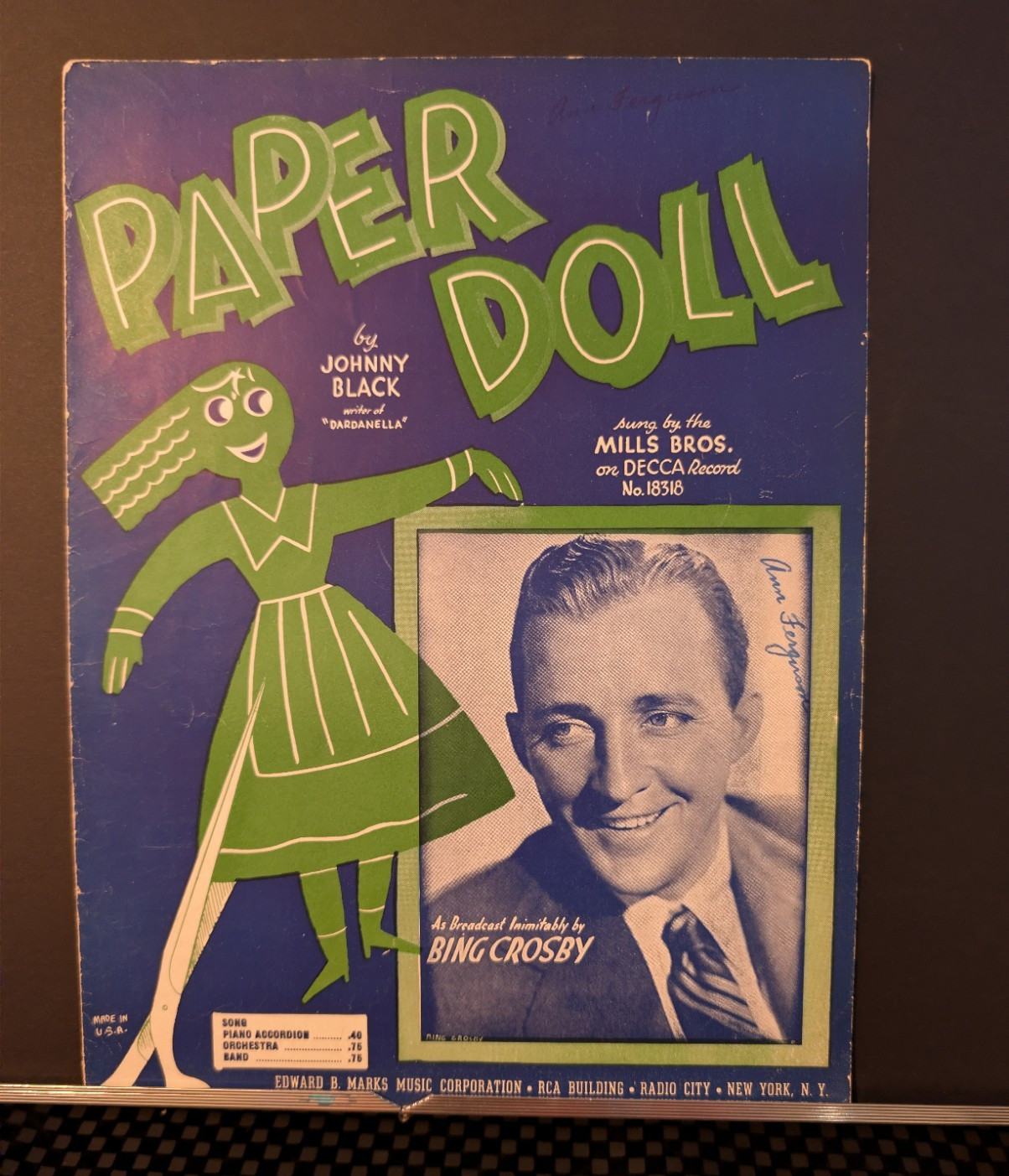 Edward B. Marks Music Corp. Paper Doll Sheet Music Piano/Voice Solo MPN 18316$5.99Last checked Nov 26, 2026View on eBay
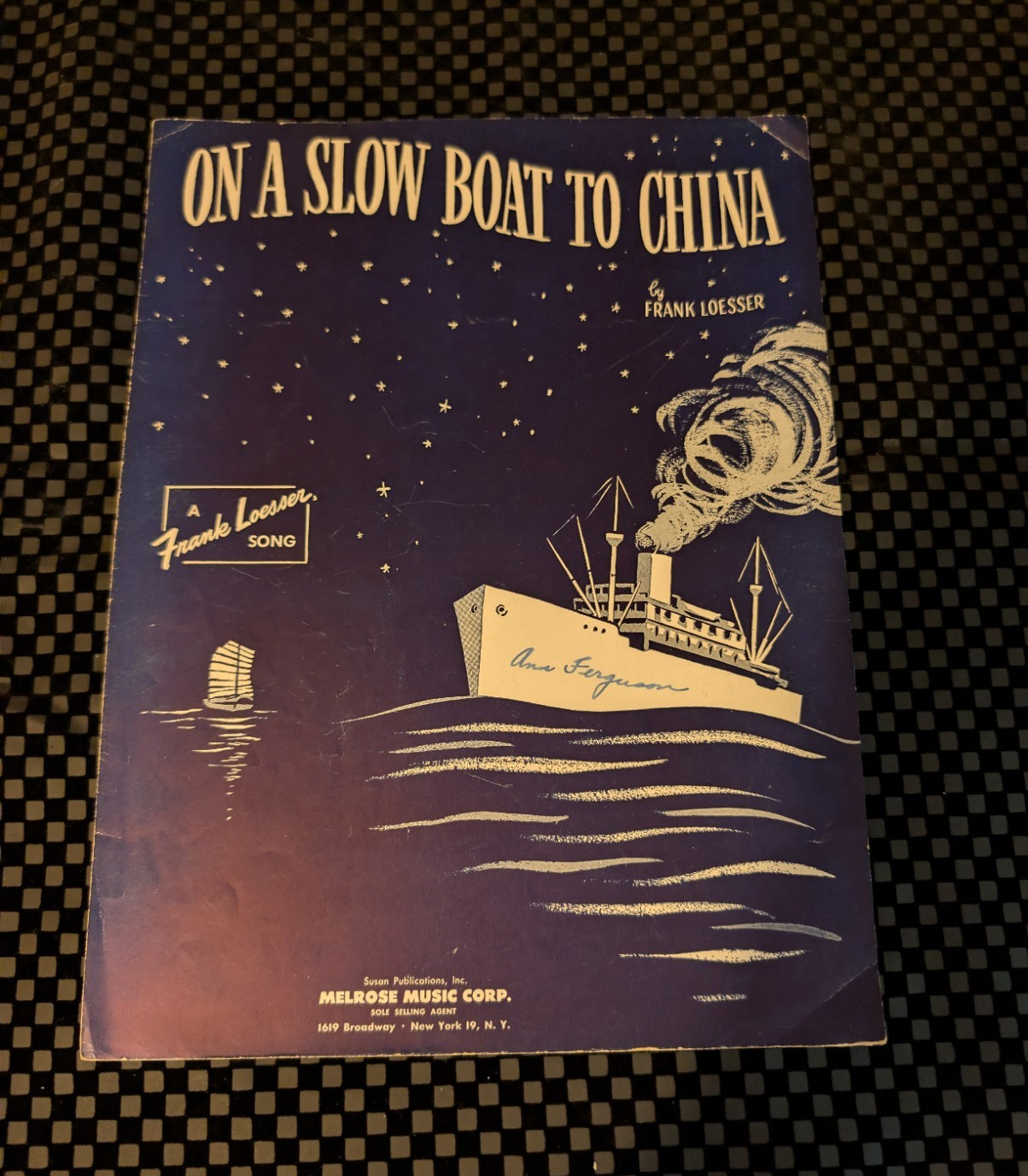 Melrose Music Corp. “On a Slow Boat to China” Pop Sheet Music Piano/Voice Solo$5.99Last checked Nov 26, 2026View on eBay
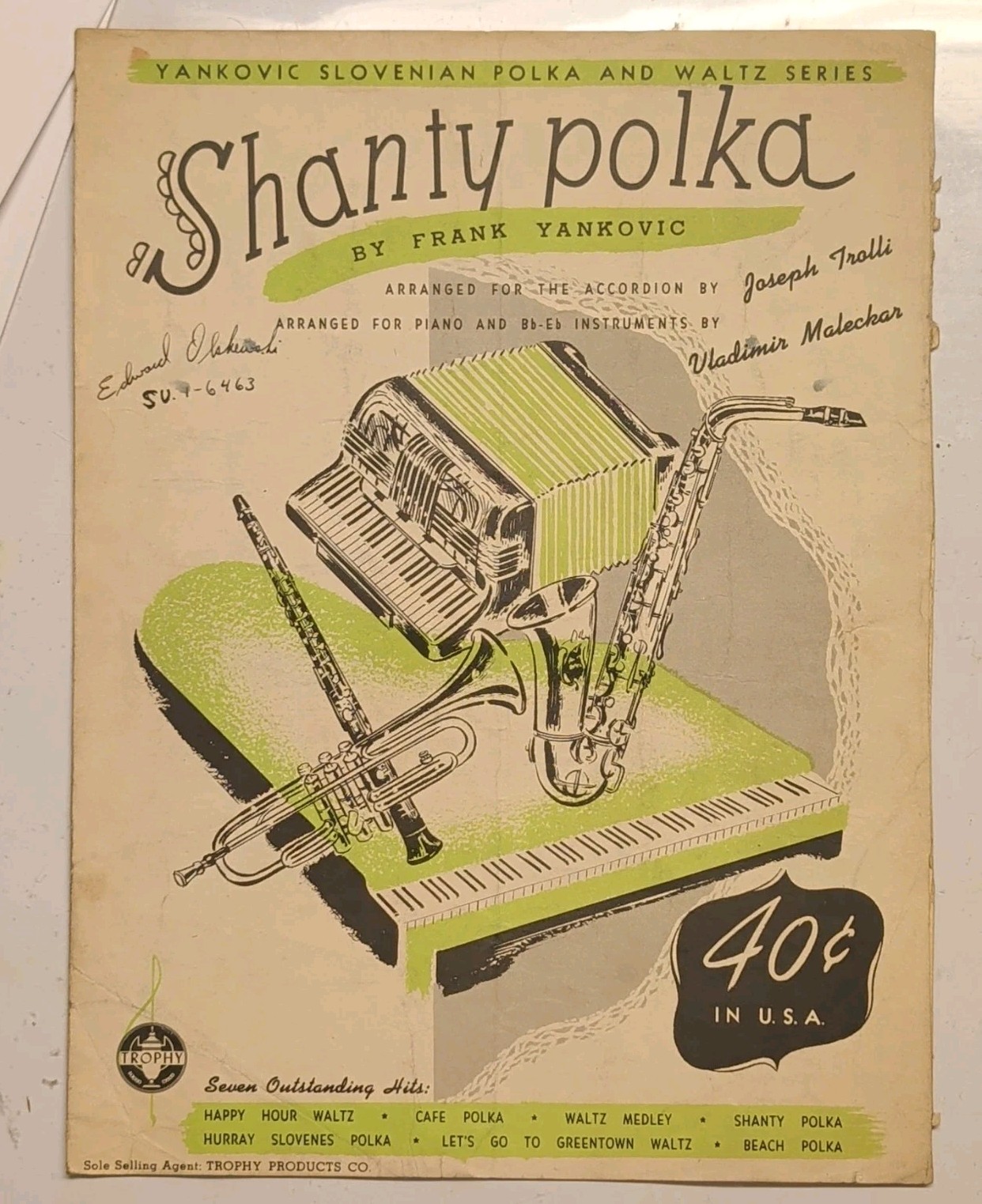 Shanty Polka Sheet Music for Accordion & Piano Frank Yankovic$7.00View on eBay
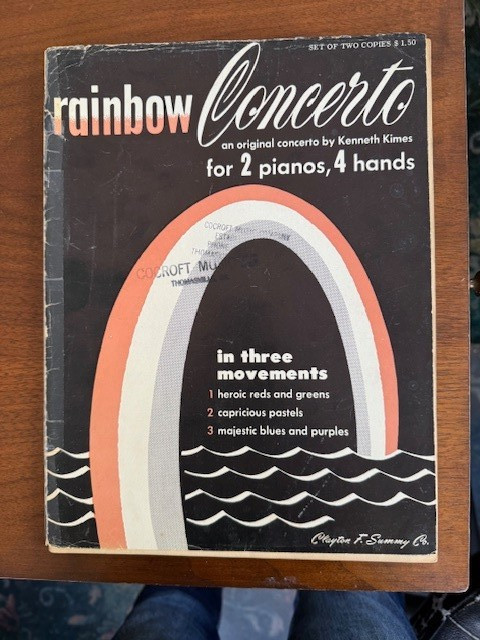 Sheet Music Two Pianos Four Hands (2P4H) Rainbow Concerto 2 copies$9.99Last checked Nov 26, 2026View on eBay
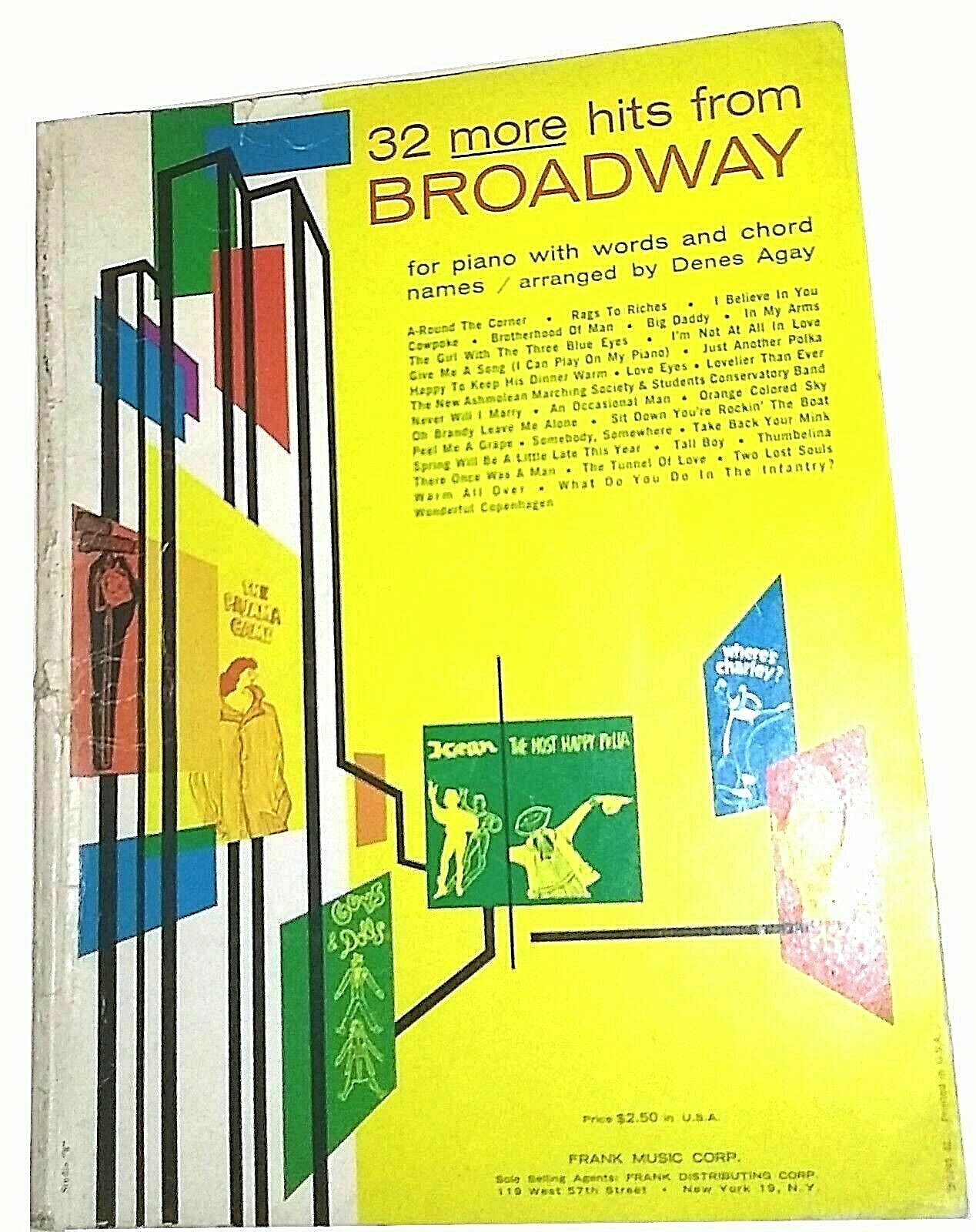 32 More Hits from Broadway piano words chord names sheet music songbook$9.99Last checked Nov 25, 2026View on eBay
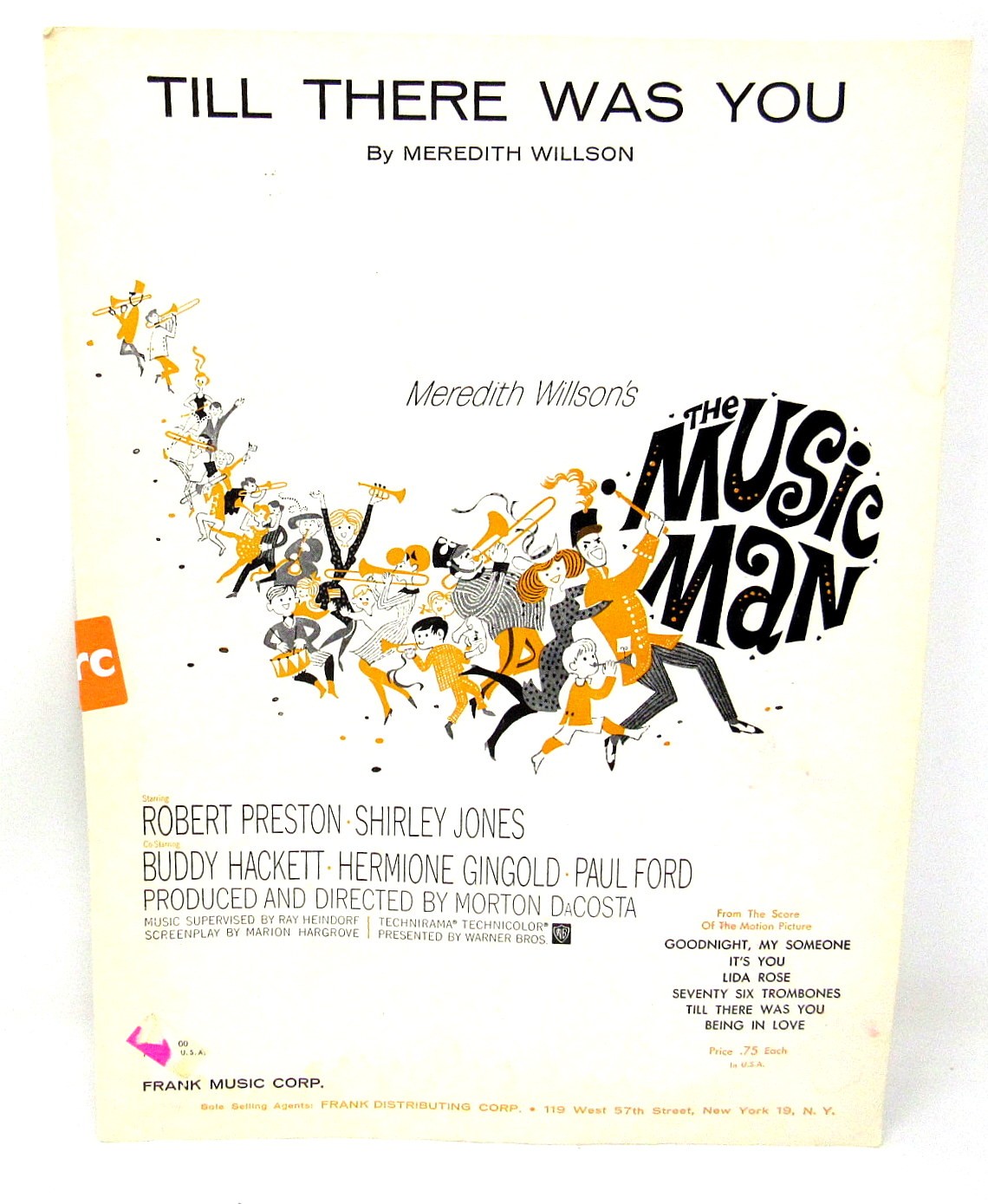 Till There Was You Sheet Music 1950 Music Man Musical Piano Voice US Seller$10.99Last checked Nov 26, 2026View on eBay
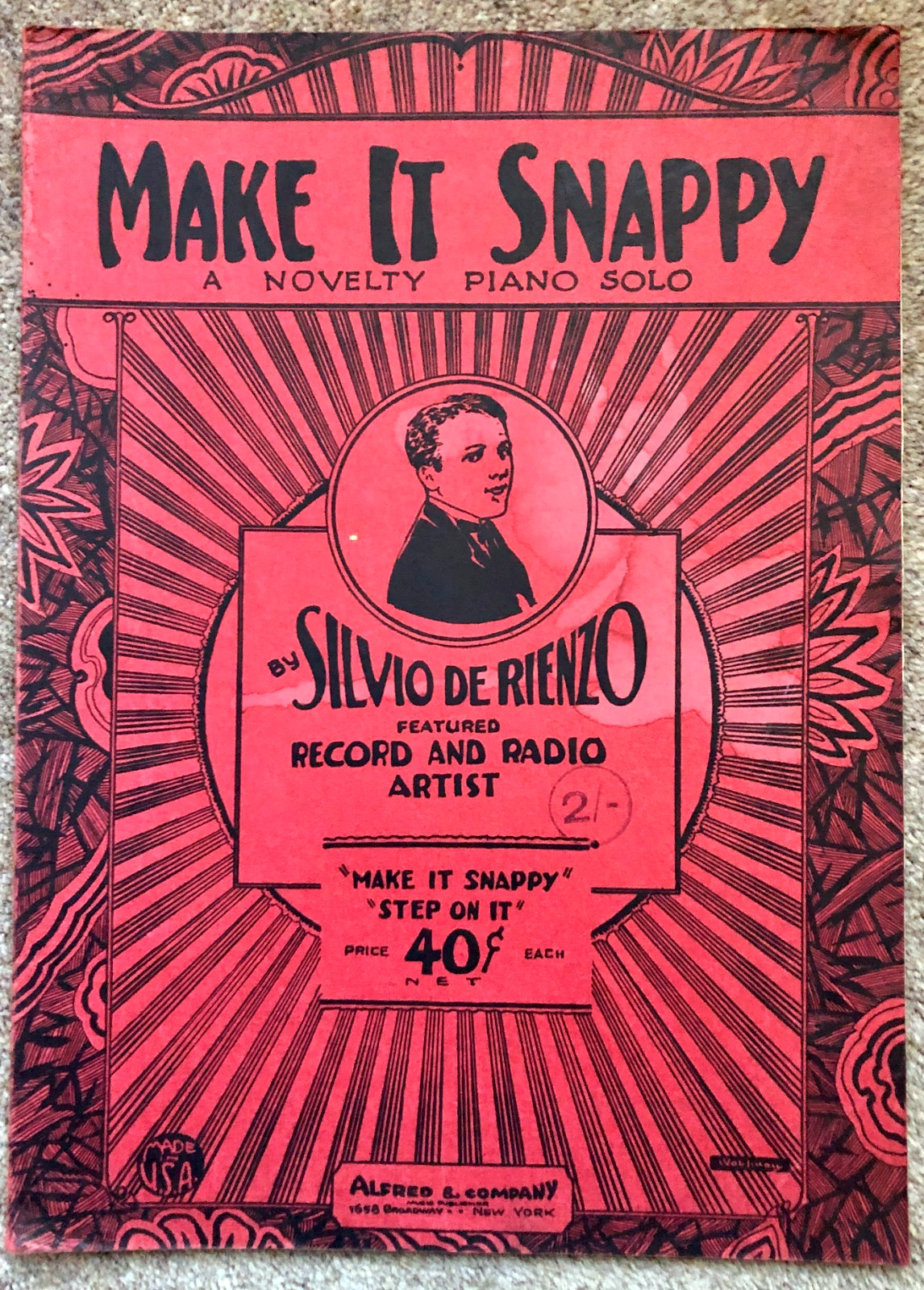 MAKE IT SNAPPY - Silvio De Rienzo - 1927 USA Novelty Piano Solo sheet music$13.04View on eBay
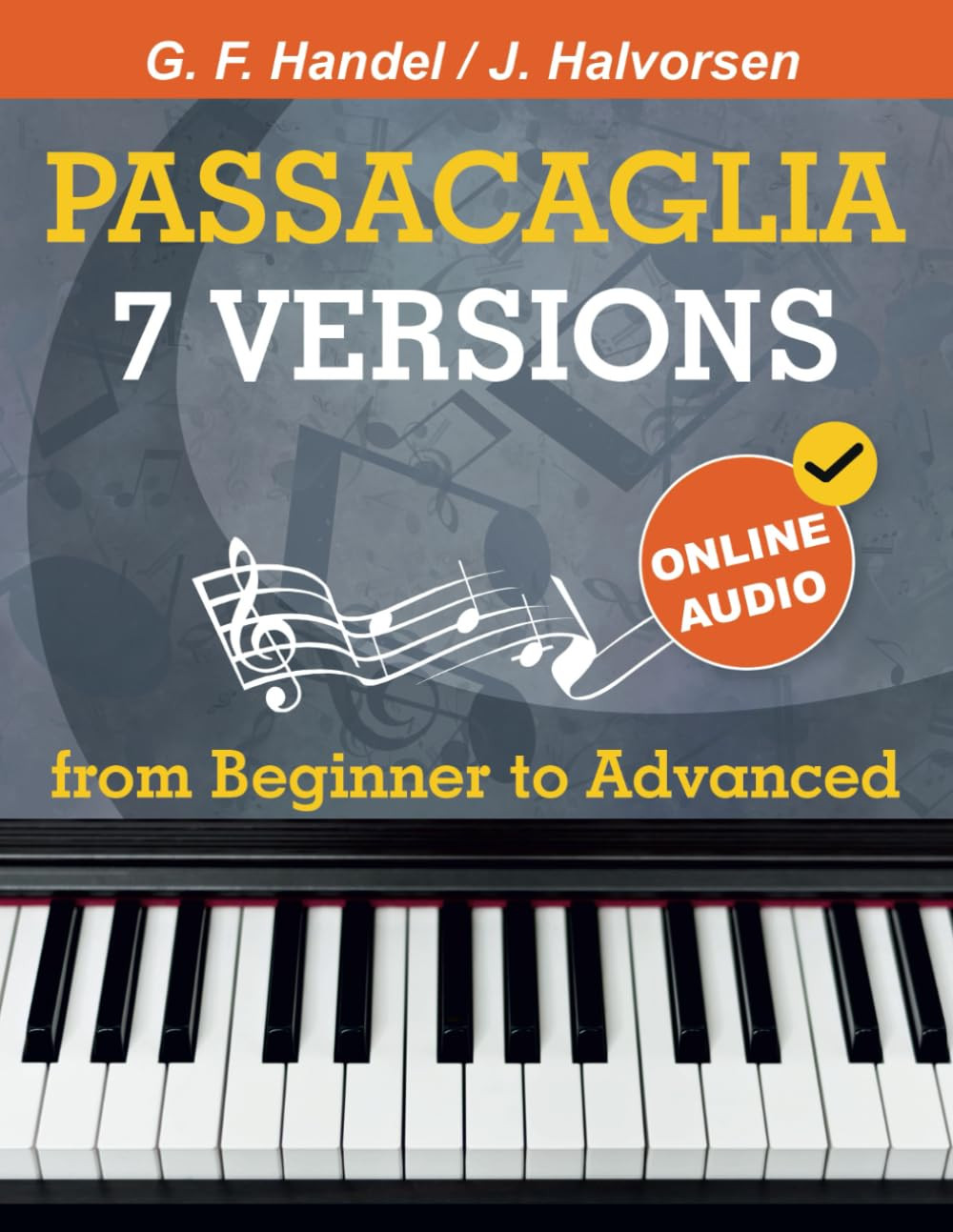 7 Versions Passacaglia – Handel / Halvorsen: Piano Sheet Music from Beginner to$16.64View on eBay
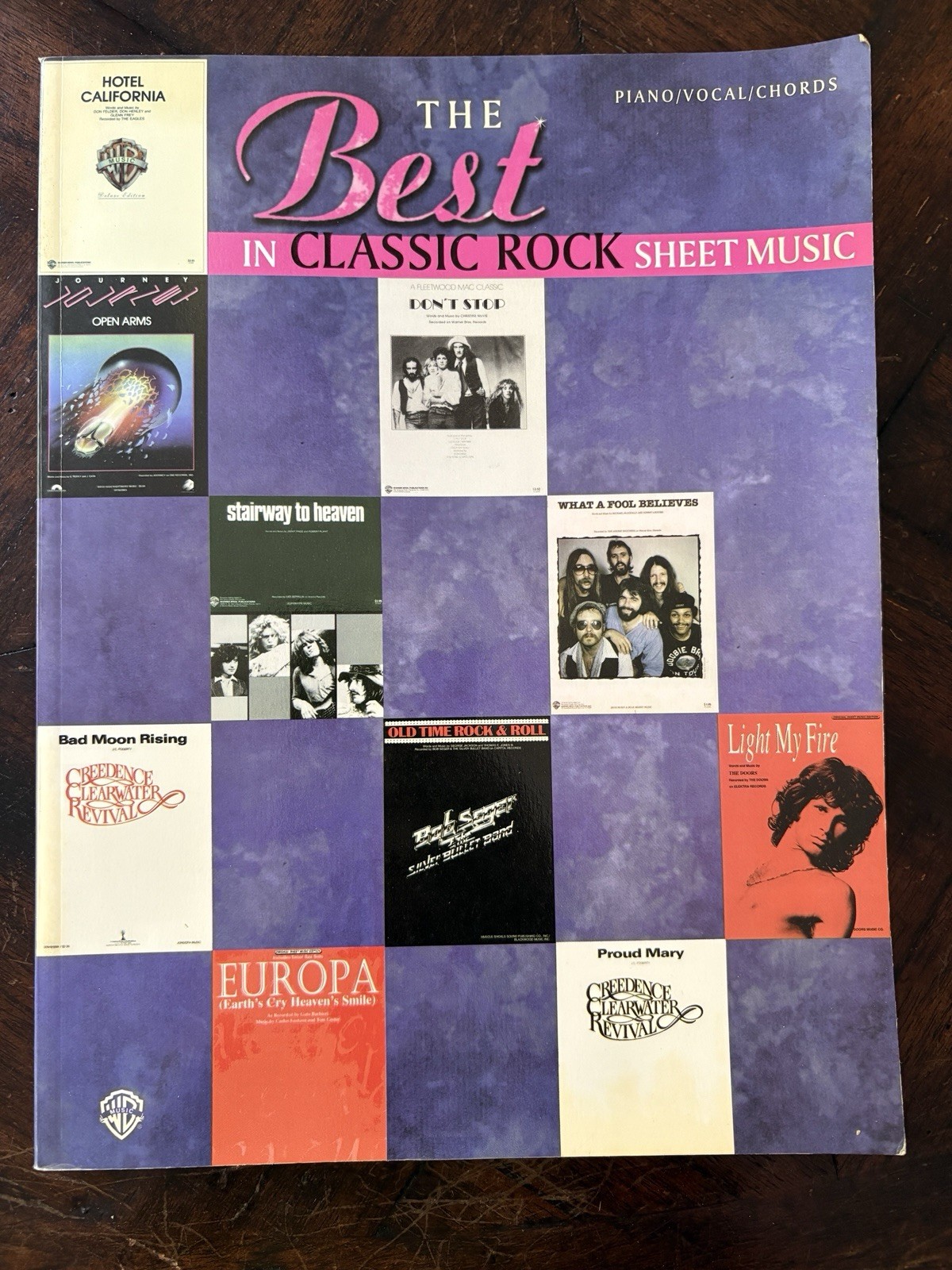 "The Best in Classic Rock Sheet Music: Piano, Vocal, Chords" 1998$20.00View on eBay
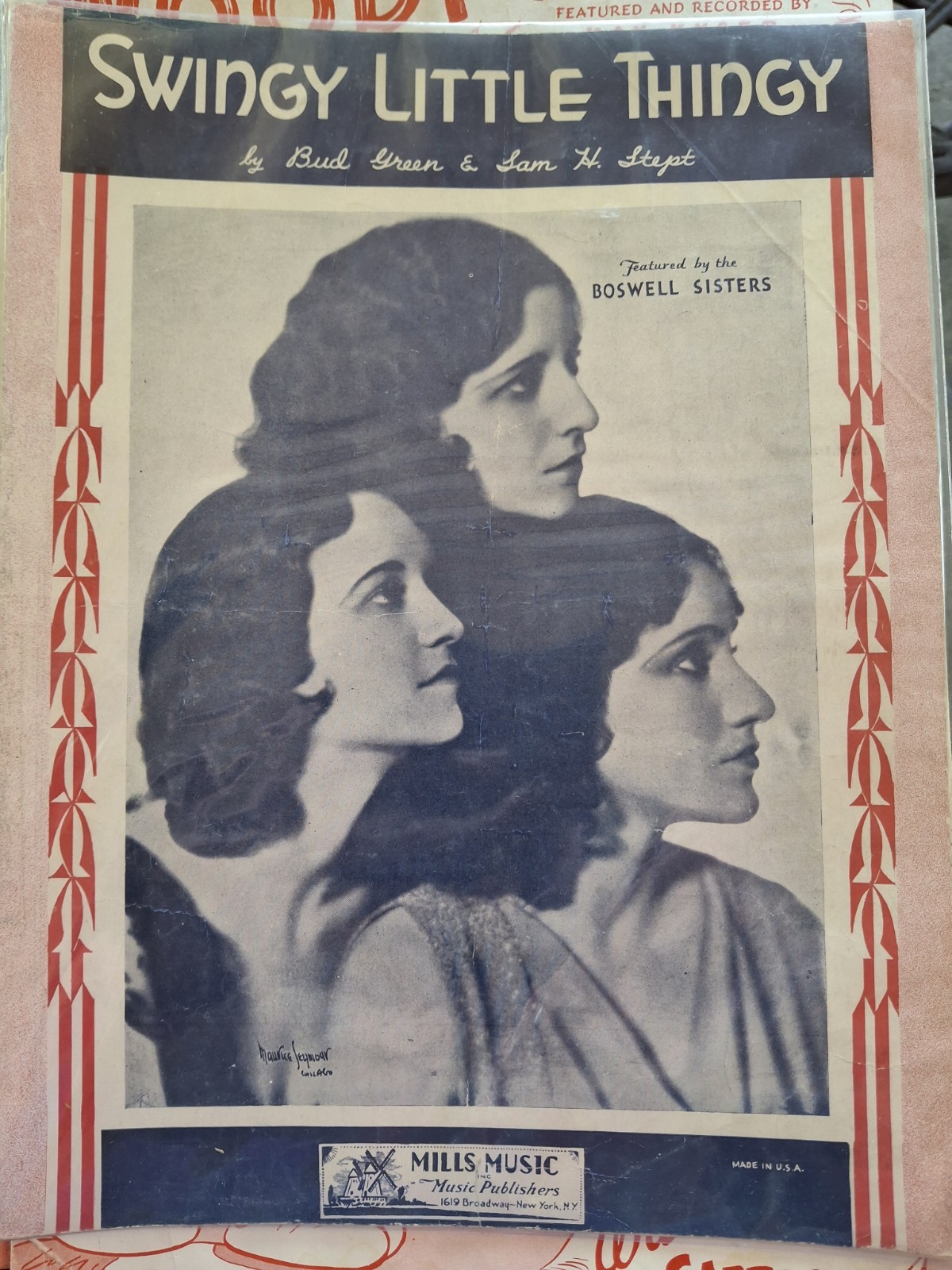 Very Good 1933 Sheet Music: Swingy Little Thingy Piano/Voice Jazz Trio$24.00Last checked Nov 26, 2026View on eBay
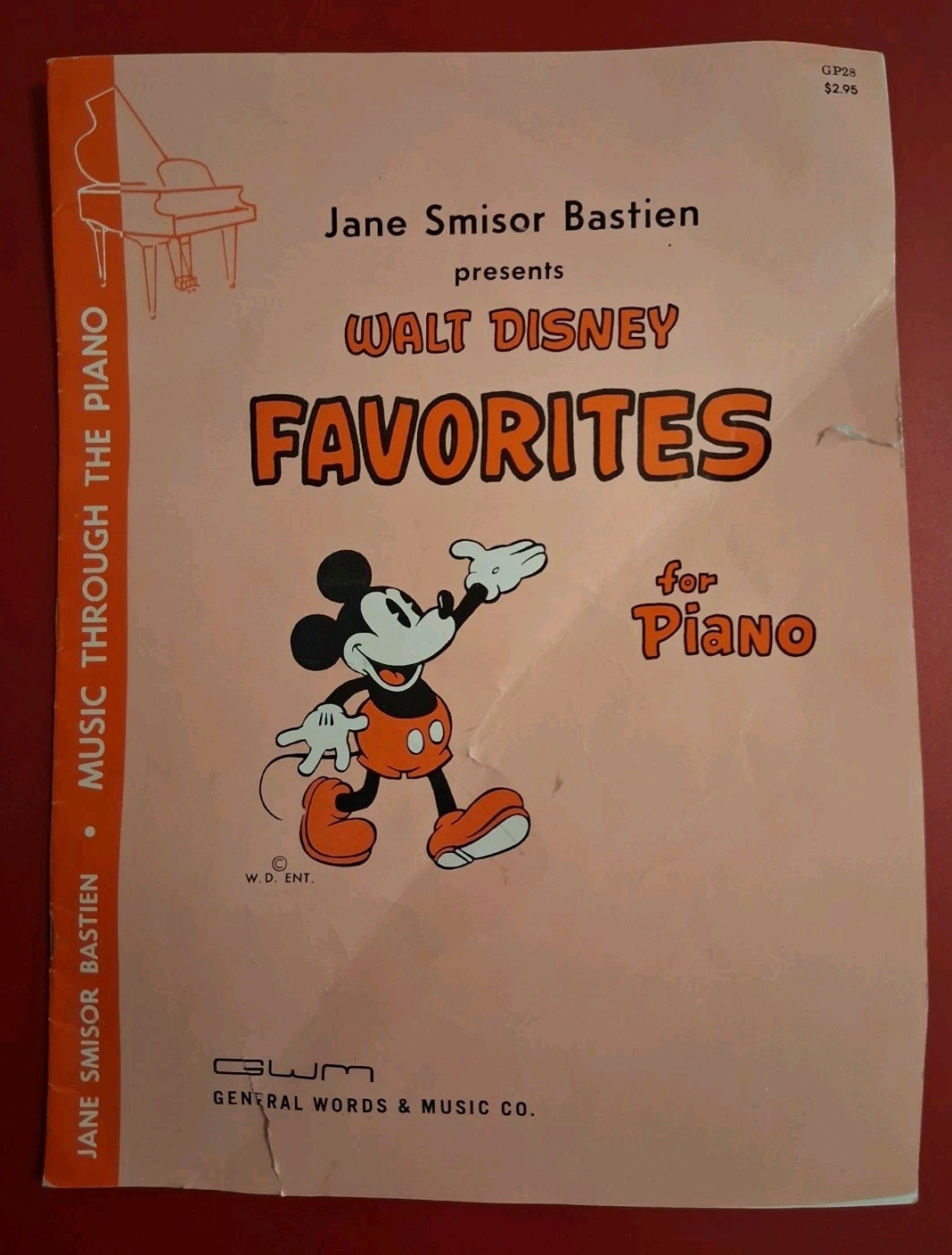 Sheet Music Jane Smisor Bastien Presents Walt Disney Favorites For Piano 1969$29.99Last checked Nov 26, 2026View on eBay
Highlights
- Leveled piano editions use grading systems—ABRSM 1–8, RCM 1–10, or publisher-specific early-intermediate through advanced—so match the book's stated grade to the student's current exam or method level, not to years of study alone.
- Method-book arrangements for 7-year players typically introduce four-note chord voicings, syncopated pedaling, and key signatures up to four sharps/flats; stand-alone pop transcriptions often jump to five-finger-position breaks, octave reaches, and complex rhythms without editorial support.
- Urtext editions (Henle, Bärenreiter) provide clean source-accurate scores with critical commentary but minimal fingering—better for early-advanced students; teaching editions (Alfred, Faber, Hal Leonard Student Library) add fingering, practice tips, and historical notes that support late-intermediate learners.
- Print binding matters for durability: sewn or comb-bound method books lay flat on the music stand and survive daily practice; perfect-bound (glued spine) books crack and shed pages under repeated page turns, especially in thick graded anthologies.
Best use cases
- Best fit: a student who has finished a level-4 or level-5 method book—pick a graded repertoire anthology (e.g., ABRSM Grade 4–5 or RCM Level 6–7) with included fingering and performance notes; skip single-title pop arrangements that lack level labeling.
- Best fit: a returning adult player rebuilding technique after years away—choose a late-intermediate technique book plus a separate sight-reading series at the same grade; skip dense urtext sonata volumes until hand span and reading fluency are reestablished.
- Best fit: a teacher building a multi-year studio library—buy publisher-specific graded series so students progress through consistent editorial conventions; skip mixed-vendor themed anthologies that vary wildly in difficulty within one cover.
- Wrong fit: a seven-year player preparing for a grade exam should not rely on simplified 'easy piano' pop books—those arrangements sit at grade 2–3 and will not develop exam-required scales, arpeggios, or sonatina movement stamina.
Buying tips
- Match the edition's stated grade to the player's current method level, not to 'seven years'—a student who started late or practiced inconsistently may read at grade 4 while a consistent seven-year student reads at grade 6; buy one grade below current sight-reading comfort for repertoire books.
- Check the key signatures and hand-span demands on the first page preview: late-intermediate repertoire should stay within a ninth reach and keys up to four accidentals; if the preview shows wide octave passages or five-flat keys, the edition is early-advanced and may frustrate a seven-year player.
- Prefer editions with editorial fingering and pedaling marks for students still building technique—Henle and Bärenreiter urtexts omit these by design; Faber and Alfred teaching editions include them and are the safer pick for self-guided practice.
- Verify binding before buying: comb or sewn binding for method books used daily; perfect-bound is acceptable only for slim single-composer collections under about 48 pages where page turns are infrequent.
Specs
| Level System | ABRSM 1–8 / RCM 1–10 / Publisher graded |
|---|---|
| Edition Type | Teaching (fingering) vs Urtext (clean text) |
| Binding | Comb/sewn lay-flat vs perfect-bound glued |
| Hand Span Demand | Up to ninth (late-int.) / octave+ (advanced) |
Related searches
What to check before buying
- Confirm the player's current grade level via their method book cover or recent exam result—buy repertoire at or one level below that grade for confident reading.
- Measure the music stand width and depth: wide anthologies (over 9 × 12 inches) may overhang compact digital pianos or folding stands; comb-bound editions lie flatter and fit narrower stands.
- Check the edition's language and terminology: some imported graded series use British terminology (crotchet, quaver) that confuses students trained on American note-value names.
- For exam preparation, verify the edition matches the current syllabus year—ABRSM and RCM update repertoire lists periodically, and older anthologies may contain pieces no longer listed.
FAQ
Data sources: eBay / Amazon listings and product attribute feeds. Updated Nov 26, 2026.
Some links on this page are affiliate links. If you buy after clicking one, we may earn a commission at no extra cost to you. This does not change which products appear here or their order. Affiliate disclosure.