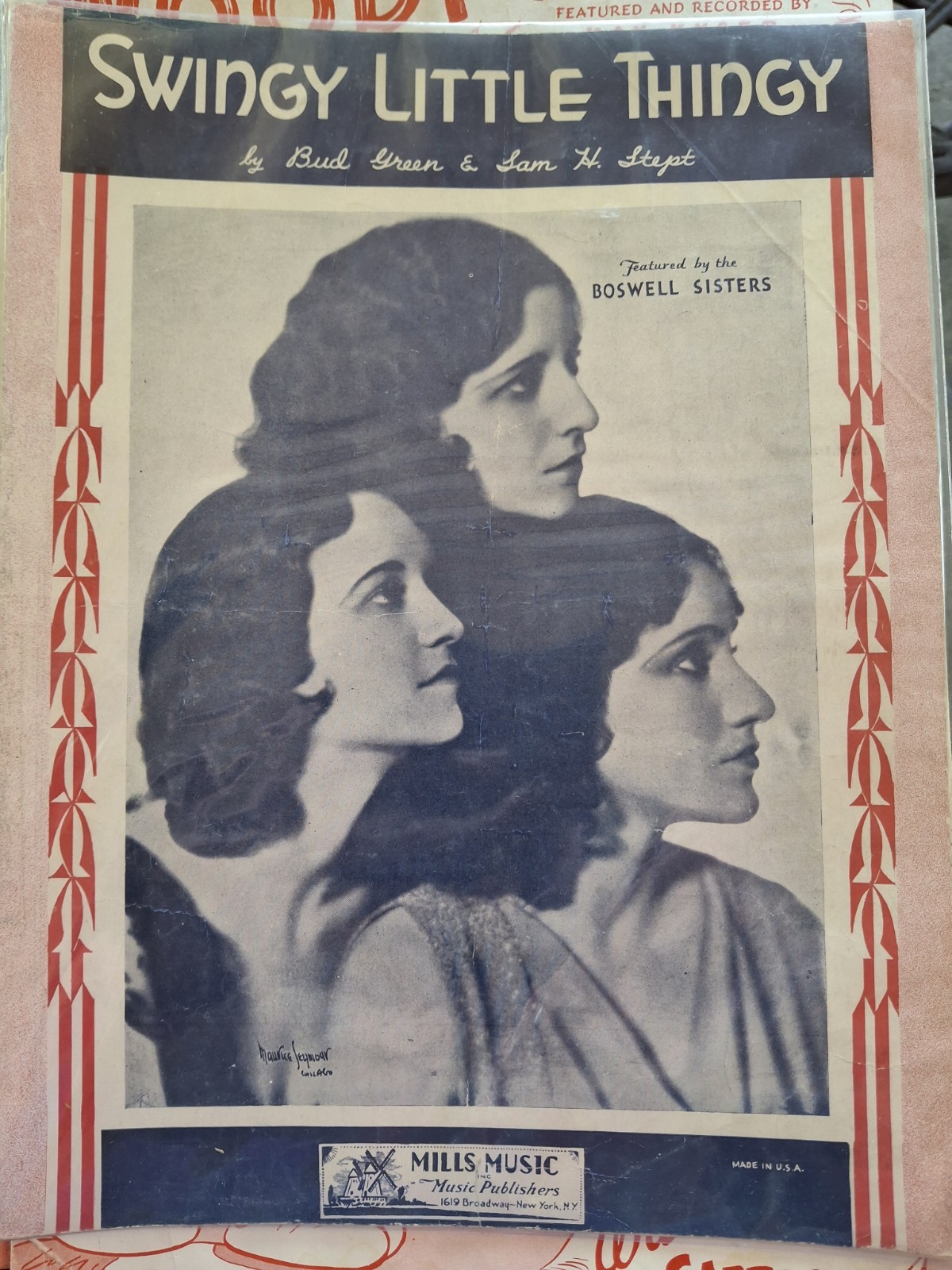

Photos from current listings. Actual item, color, and included accessories may vary.
Jazz Piano Sheet Music Buying Guide
Jazz piano sheet music spans authoritative urtext transcriptions, officially licensed folios, and vintage ephemera, with the core trade-off being notation accuracy and playable arrangements versus collectible condition. The decision rule: buy modern engraved editions for learning and performance, and buy vintage scores only as framed artifacts or historical reference, never as your primary practice text.
At a glance
- Category
- Sheet Music
- Last updated
- Nov 26, 2026
Current offers
Highlights
- Official artist folios (e.g., Hal Leonard, Alfred) use engraved notation with chord symbols and pedal marks; vintage 1930s scores often print only a lead line and ukulele diagrams.
- Transcription-grade books (e.g., Bill Evans, Oscar Peterson) notate exact voicings and rhythms; 'easy jazz' arrangements simplify harmony and should be labeled as such.
- Vintage sheet music condition is graded by spine splits, foxing, and page tears; a 'Very Good' 1933 score is fragile and not designed for repeated stand use.
- Jazz folios differ by format: piano solo (full arrangement), piano/vocal/guitar (PVG), and fake book (lead sheets with chords only).
Best use cases
- Best fit: serious students buy official transcription folios (Bill Evans, Herbie Hancock) to study voicings and comping exactly as recorded.
- Best fit: casual players buy 'easy jazz' or PVG folios with simplified chords and lyrics for sing-alongs and cocktail-hour sets.
- Best fit: collectors and decorators buy 1930s-70s vintage scores for framing, nostalgia, or historical research, accepting fragility.
- Wrong fit: gigging pianists should skip vintage single sheets and loose lots; they tear and lack modern page turns.
Buying tips
- Match format to skill: choose 'piano solo' for full arrangements, 'PVG' for accompaniment, and 'fake book' for lead-sheet improvisation.
- For vintage scores, inspect photos for spine splits, water stains, and missing pages; 'Very Good' means minor wear but intact.
- Check the publisher and year: modern engraved editions from Hal Leonard, Alfred, and Schirmer have clearer notation than 1930s lithographs.
- Buy lots only when you can identify titles and publishers from photos; mixed lots often include non-jazz filler.
Specs
| Format | Piano Solo / PVG / Fake Book |
|---|---|
| Notation Type | Engraved vs Lithograph |
| Era | Modern Edition vs Vintage 1930s-70s |
| Skill Level | Beginner / Intermediate / Advanced |
Related searches
What to check before buying
- Confirm your piano or keyboard has at least 61 keys; most jazz piano solo folios use the full 88-key range.
- Measure your music stand or desk width: standard folios are 9x12 inches, while vintage sheets may be larger and need a flat surface.
- For vintage paper, check your climate: high humidity accelerates foxing and brittleness; store in archival sleeves.
- Ensure you have a book stand or clips; loose vintage sheets require a solid stand to avoid tearing.
FAQ
Data sources: eBay / Amazon listings and product attribute feeds. Updated Nov 26, 2026.
Some links on this page are affiliate links. If you buy after clicking one, we may earn a commission at no extra cost to you. This does not change which products appear here or their order. Affiliate disclosure.