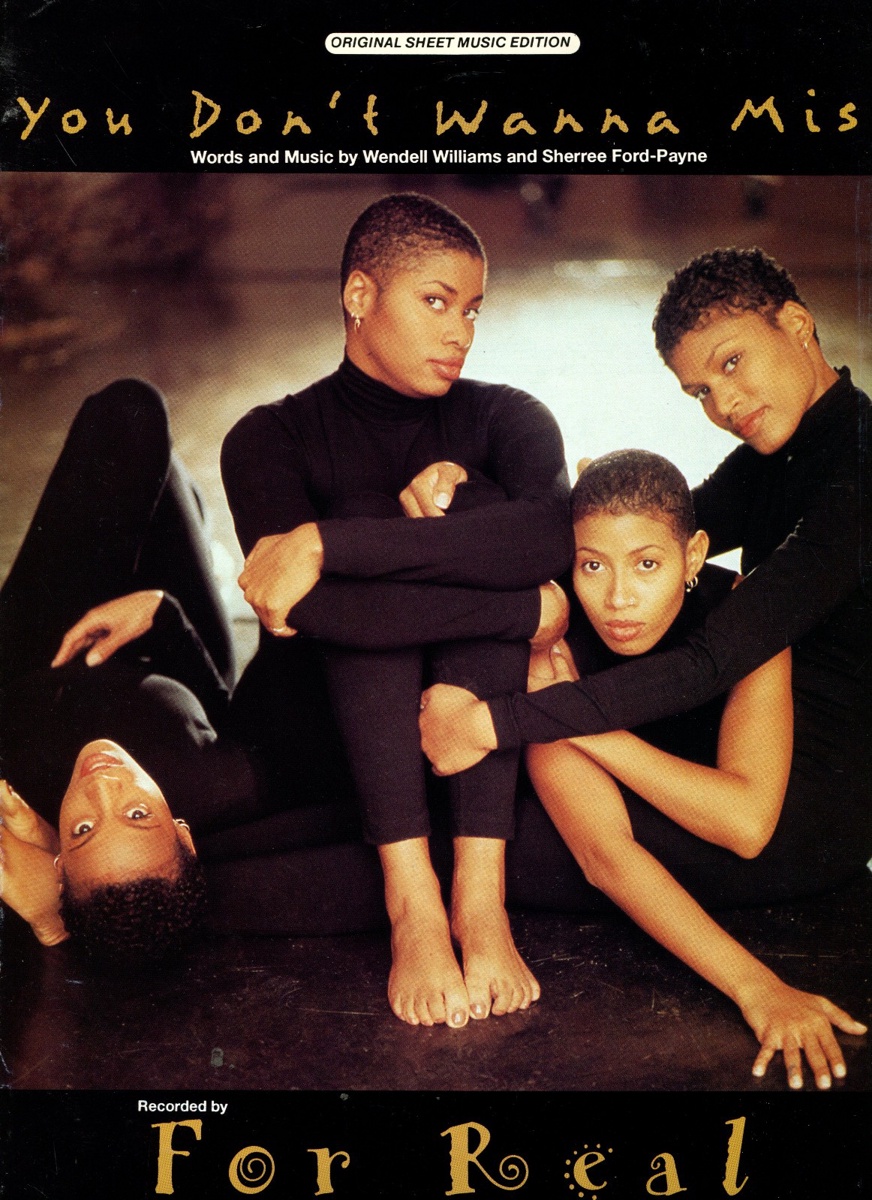

Photos from current listings. Actual item, color, and included accessories may vary.
Old Sheet Music Buying Guide
Old sheet music spans collectible antique scores, vintage pop standards, and bulk ephemera lots, with the primary trade-off being print age and condition versus usable page count. Durable, display-grade pieces are single-title, complete, and dated; compromises are unsorted lots where page integrity and copyright clarity are unknown. The decision rule: buy single titles when collecting or framing, and buy bulk lots only when page count and decorative condition are the priority.
At a glance
- Category
- Sheet Music
- Last updated
- Nov 26, 2026
Current offers
Highlights
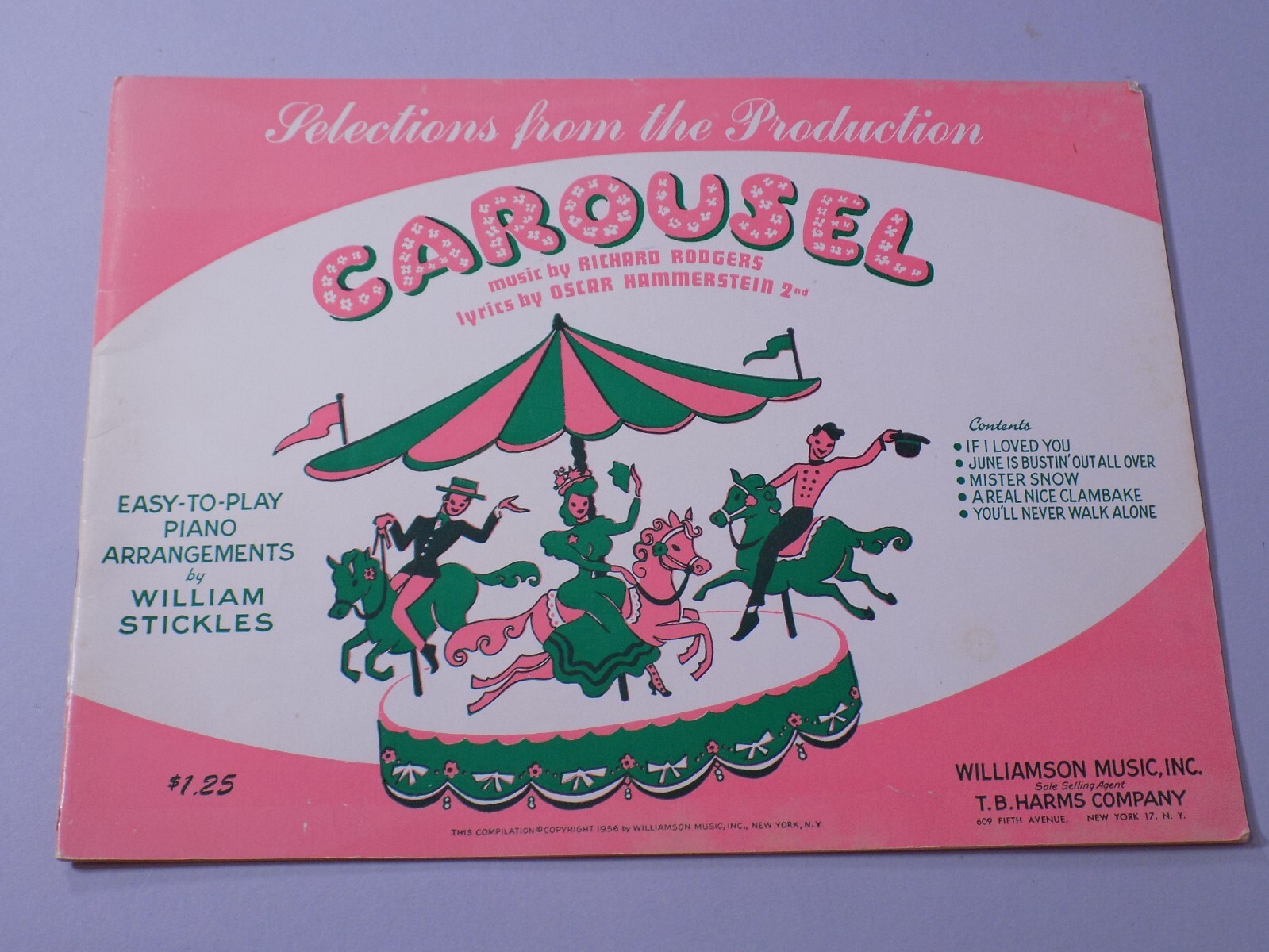
- Golden Age lithographs (1890s–1920s) use chromolithographic covers on heavier stock; later 1930s–1960s issues use offset litho on thinner paper that yellows faster.
- Complete copies retain the original cover, all interior pages, and back cover; missing covers or detached pages cut display value sharply.
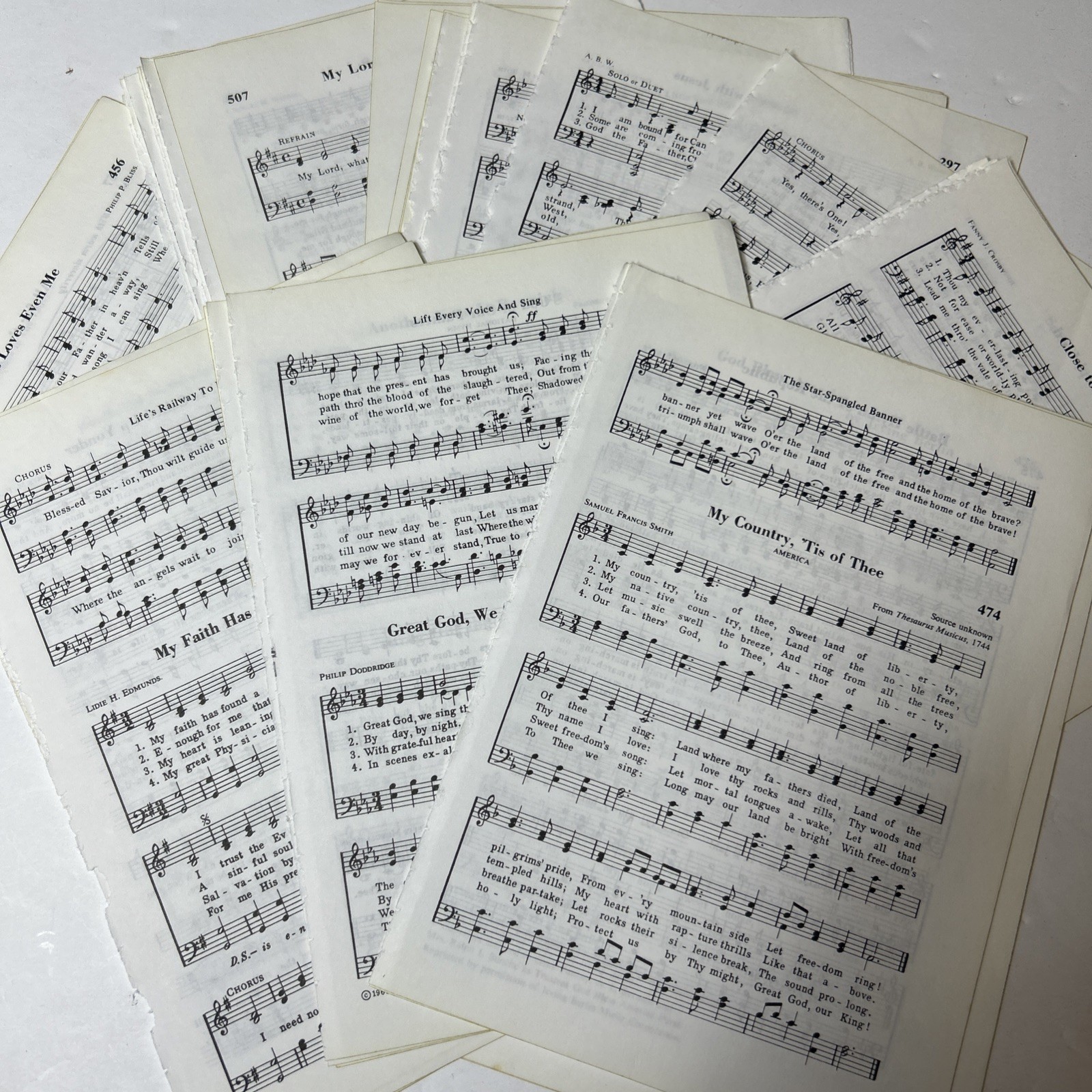
- Ephemera lots are sold by sheet count (often 20–50 pages) and are sourced from hymnals or damaged scores, so titles are mixed or absent.
- New Old Stock (NOS) items are unsold dealer inventory from the 1960s–1980s, typically flat and unfaded but with store stamps or price stickers.
Best use cases
- Best fit: framing or display — pick a single dated title with an intact chromolithograph cover from the 1900s–1920s and check page count before buying.
- Wrong fit: buying bulk hymnal lots for a specific song — these lots are unsorted decorative paper, not searchable scores.
- Best fit: journaling, collage, and craft — buy 50-sheet hymnal lots where paper weight and uniform page size matter more than titles.
- Wrong fit: expecting playable condition from antique scores — brittle spines and foxing are common; choose NOS or 1960s–70s issues for performance use.
Buying tips
- For playable vintage pop, target 1950s–1970s issues on standard 9×12 in paper; pre-1920 scores often have brittle edges and non-standard sizes.
- For framing, confirm the cover is attached and measure the trim size; common formats run 9×12 in, 8.5×11 in, and larger folio at 10×14 in.
- Judge paper quality by GSM: antique lithographs typically run 120–150 GSM, while modern song sheets are 80–100 GSM and crease easily.
- Buy NOS when you need flat, unfaded copies; accept store stamps and sticker residue as normal for unsold dealer stock.
Specs
| Era | Antique pre-1920s vs Vintage 1930s–1980s |
|---|---|
| Print Method | Chromolithograph vs Offset litho |
| Paper Weight | Antique 120–150 GSM / Modern 80–100 GSM |
| Completeness | Full score w/ cover vs Single sheet |
Related searches
What to check before buying
- Measure your frame or mat opening first — vintage scores vary from 8.5×11 in to 10×14 in and rarely match standard A4 frames.
- Check page count and completeness: a complete score includes cover, all music pages, and back cover; single-sheet or missing-page copies are craft grade.
- Confirm the copyright date and publisher line, since pre-1929 US publications are public domain and safer for reproduction or resale.
- For lots, confirm sheet dimensions and paper type (hymnal vs. popular score) because mixed sizes complicate binding and collage work.
FAQ
Data sources: eBay / Amazon listings and product attribute feeds. Updated Nov 26, 2026.
Some links on this page are affiliate links. If you buy after clicking one, we may earn a commission at no extra cost to you. This does not change which products appear here or their order. Affiliate disclosure.