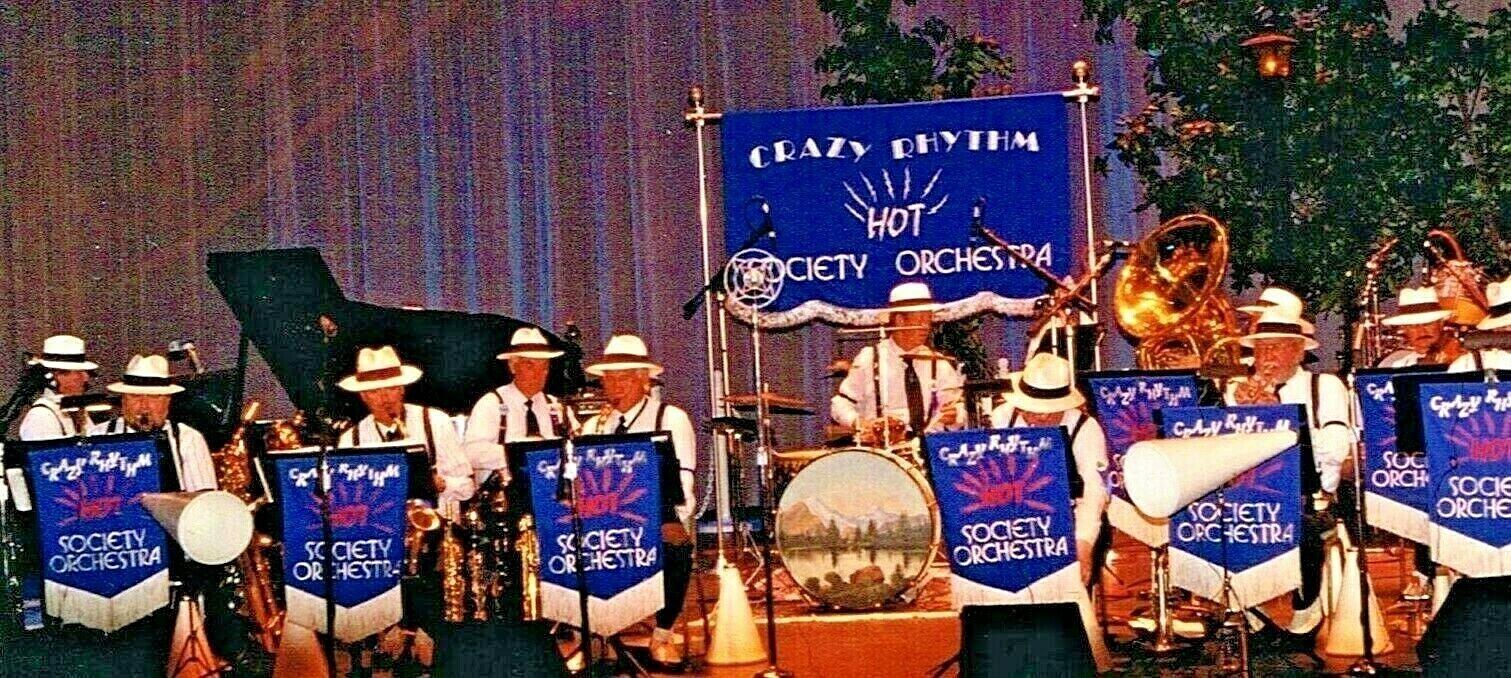

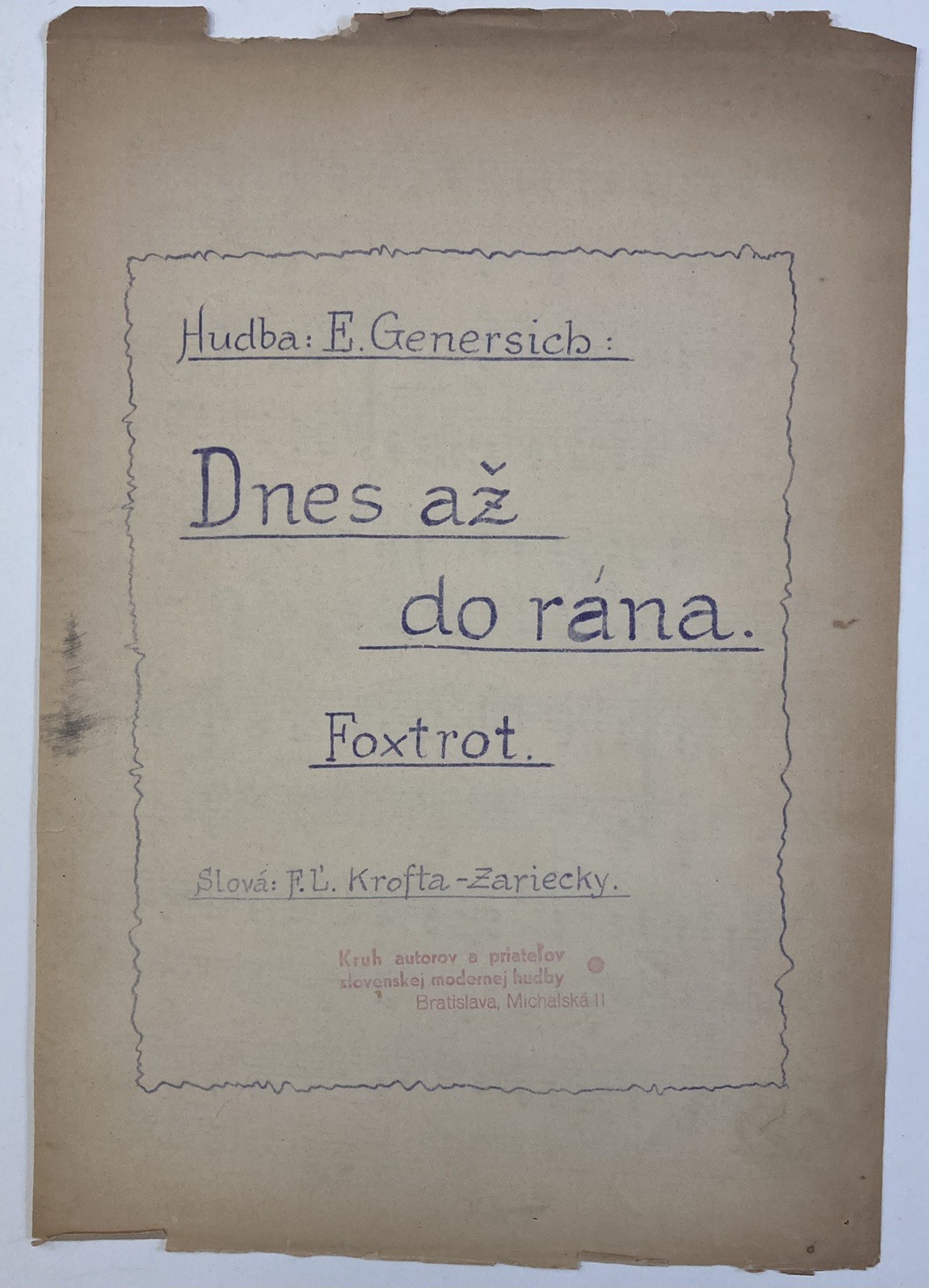
Photos from current listings. Actual item, color, and included accessories may vary.
Orchestra Sheet Music Buying Guide
Orchestra sheet music is the full set of conductor and instrumental parts needed to perform a work, and the core trade-off is between modern engraved, licensed editions that are legally performable and vintage or reproduction folios that are collectible but often incomplete or public-domain only. The decisive rule: buy modern engraved sets with full instrumentation and performance licensing for actual concerts, and buy vintage lots strictly for collecting, study, or public-domain arranging.
At a glance
- Category
- Sheet Music
- Last updated
- Nov 26, 2026
Current offers
Highlights
- Modern orchestra sets ship as a score plus a full part run (strings counted per stand: typically 8-8-6-6-4 or larger), while vintage folios and salon sets often contain only a condensed piano-conductor part and a handful of instrumental parts.
- Engraving quality separates real performance sets from reproductions: modern editions use computer-set or high-grade engraved plates with clear cue notes and rehearsal figures, whereas photocopied or 1920s plates can have cramped staves, missing bowings, and illegible dynamics.
- Performance licensing is a hard line: works still in copyright require rented or purchased licensed sets, while pre-1930 US publications are public domain and can be freely copied and arranged.
- Instrumentation codes matter more than page count: a set marked for full orchestra includes winds in pairs plus brass, percussion, and strings, while salon or theater sets are reduced orchestrations for small ensembles.
Best use cases
- Community or school orchestra preparing a concert: buy a modern engraved full set with all string parts and a legal performance license, and skip vintage lots that lack a complete string run.
- Conductor or musicologist studying period practice: a vintage 1920s-1930s orchestra chart lot is ideal for historical arrangements, dance-band scoring, and first-edition research, but not for modern concert performance.
- Small ensemble or salon group: choose reduced orchestration sets with piano-conductor parts, and skip full symphonic sets whose wind and brass parts will sit unused.
- Collector or dealer: buy first-edition vintage folios for their covers and provenance, and skip modern reprints that carry no collectible value.
Buying tips
- Match the printed instrumentation exactly: confirm the set lists 1st and 2nd violins, viola, cello, and bass as separate parts before buying for a string section, since a piano-conductor score alone cannot be performed.
- Check the publication year for copyright status: US works published before 1930 are public domain, so vintage and reproduction sets from that era can be copied and arranged without a license.
- For modern works, confirm the set includes performance licensing or is sold as a licensed print edition; unlicensed photocopied modern scores are not legally performable.
- Prefer sets with all parts present and matching edition: a complete run from one publisher is usable, while mixed-publisher or missing-part lots cost more to complete than to replace.
Specs
| Edition Type | Modern engraved vs vintage/reprint |
|---|---|
| Set Contents | Score + full parts vs score only |
| String Part Run | 8-8-6-6-4 vs reduced salon set |
| Copyright Status | Public domain (pre-1930) vs licensed |
Related searches
What to check before buying
- Count your string players and confirm the set's string part quantities (violin I, violin II, viola, cello, bass) meet or exceed the number of stands you will field.
- Confirm the set's instrumentation matches your ensemble's available winds, brass, and percussion so no part is unplayable.
- For vintage or used lots, verify the parts are legible, complete, and from a single edition rather than a mixed accumulation.
- For performance use, confirm the edition is either public domain (pre-1930 US publication) or comes with performance licensing.
FAQ
Data sources: eBay / Amazon listings and product attribute feeds. Updated Nov 26, 2026.
Some links on this page are affiliate links. If you buy after clicking one, we may earn a commission at no extra cost to you. This does not change which products appear here or their order. Affiliate disclosure.