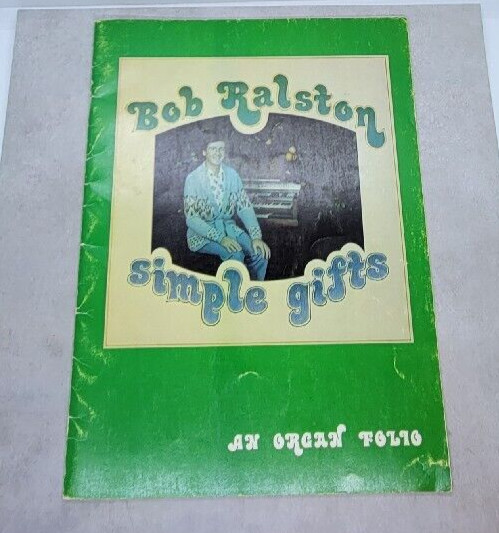

Photos from current listings. Actual item, color, and included accessories may vary.
Organ Sheet Music Buying Guide
Organ sheet music encompasses printed scores for pipe, electronic, and drawbar organs, with the primary trade-off being compatibility with your instrument's control system (drawbar vs. stoplist) and the arrangement's intended voicing. Durable, playable editions specify registration aids and pedal independence, while compromise prints omit pedal lines or assume a specific organ model. The decision rule: match the score's stated organ type (pipe, electronic drawbar, or universal) to your instrument before buying.
At a glance
- Category
- Sheet Music
- Last updated
- Nov 26, 2026
Current offers
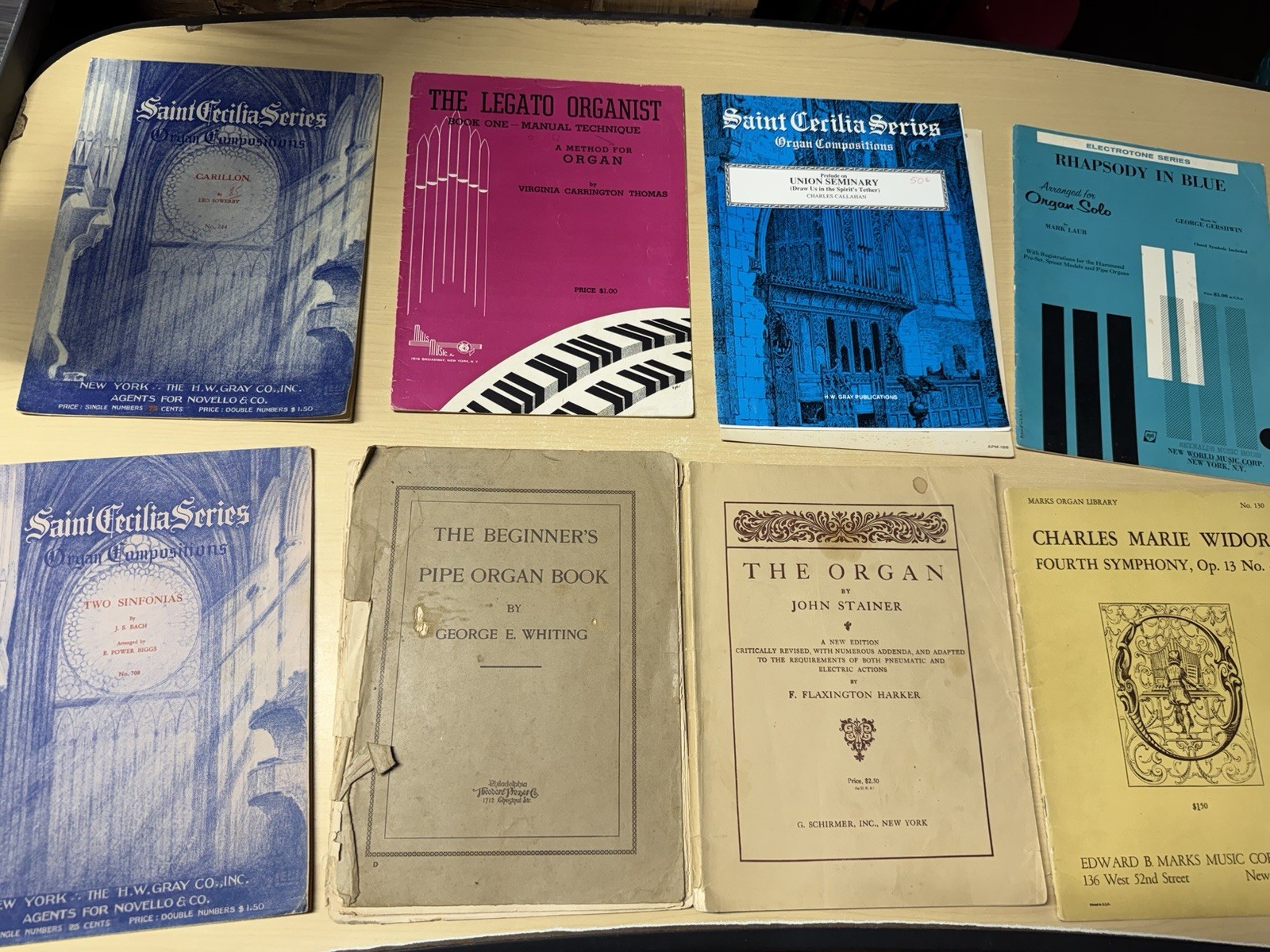
Highlights
- Drawbar organ scores include registration charts for harmonic sliders (e.g., 888000000), while pipe organ scores use stoplist names (e.g., Principal 8', Flute 4') and swell pedal markings.
- Duet and ensemble scores specify whether the second part is for a second organ, piano, or optional instrument; hymn duets often label 'organ/piano duet' with separate staves.
- Vintage folios (1950s-1980s) often reflect specific console models (e.g., Hammond drawbar, Allen digital) and may include registration presets not transferable to modern organs.
- Pedal independence varies: classical pipe organ scores include full pedal staff, while simplified electronic organ arrangements may omit pedals or reduce them to root notes.
Best use cases
- Best fit: church organists playing traditional worship—choose pipe organ or 'organ/piano duet' scores with full pedal staff and stoplist registrations; skip drawbar-only folios.
- Best fit: Hammond or drawbar electronic organ owners—select scores labeled 'drawbar' or 'electronic organ' with harmonic slider charts; skip pipe organ scores requiring specific stops.
- Best fit: pianists adding organ for duets—pick 'piano/organ duet' arrangements with separate staves and clear part labels; skip solo organ scores with no piano part.
- Wrong fit: players seeking contemporary pop arrangements—most organ sheet music is sacred, classical, or vintage pop; skip unless the listing confirms modern songs with organ registration.
Buying tips
- Check the title page or listing for 'pipe organ', 'drawbar', or 'electronic organ' to ensure registration compatibility; universal editions often include both.
- For duet scores, verify that both parts are printed on separate staves or in score format—some duet folios only include the organ part.
- Vintage folios may use obsolete registration terms (e.g., 'tibia', 'diapason') that map to modern stops; confirm the score includes a registration guide or stoplist.
- Pedal range matters: classical scores may require a 32-note pedalboard; simplified arrangements often stay within 25 notes or omit pedals entirely.
Specs
| Organ Type | Pipe / Drawbar / Electronic / Universal |
|---|---|
| Registration Format | Stoplist names vs. drawbar numbers |
| Pedal Staff | Full pedal / Simplified / Omitted |
| Duet Parts | Score format / Separate parts / Solo only |
Related searches
What to check before buying
- Confirm your organ's control interface: drawbar sliders, stop tabs, or combination pistons—match score registration type accordingly.
- Measure your pedalboard: 32-note AGO standard vs. 25-note compact; ensure the score's pedal range fits.
- Check the score's format: full score (all staves) vs. organ part only; duets require both parts for rehearsal.
- Verify the edition's binding: folios lie flat, while stapled booklets may not; consider loose-leaf or spiral for performance.
FAQ
Data sources: eBay / Amazon listings and product attribute feeds. Updated Nov 26, 2026.
Some links on this page are affiliate links. If you buy after clicking one, we may earn a commission at no extra cost to you. This does not change which products appear here or their order. Affiliate disclosure.