
Photos from current listings. Actual item, color, and included accessories may vary.
Piano Sheet Music Buying Guide
Piano sheet music spans simple lead-sheet arrangements with big-note notation to urtext editions and vintage collectibles, and the primary trade-off is between easy-play accessibility and accurate, durable engraving. Choose based on your reading level and purpose: beginners need large-staff, chord-symbol editions; serious players need urtext or pedagogical editions on thick, opaque paper; collectors need verified vintage originals with intact spines.
At a glance
- Category
- Sheet Music
- Last updated
- Nov 26, 2026
Current offers
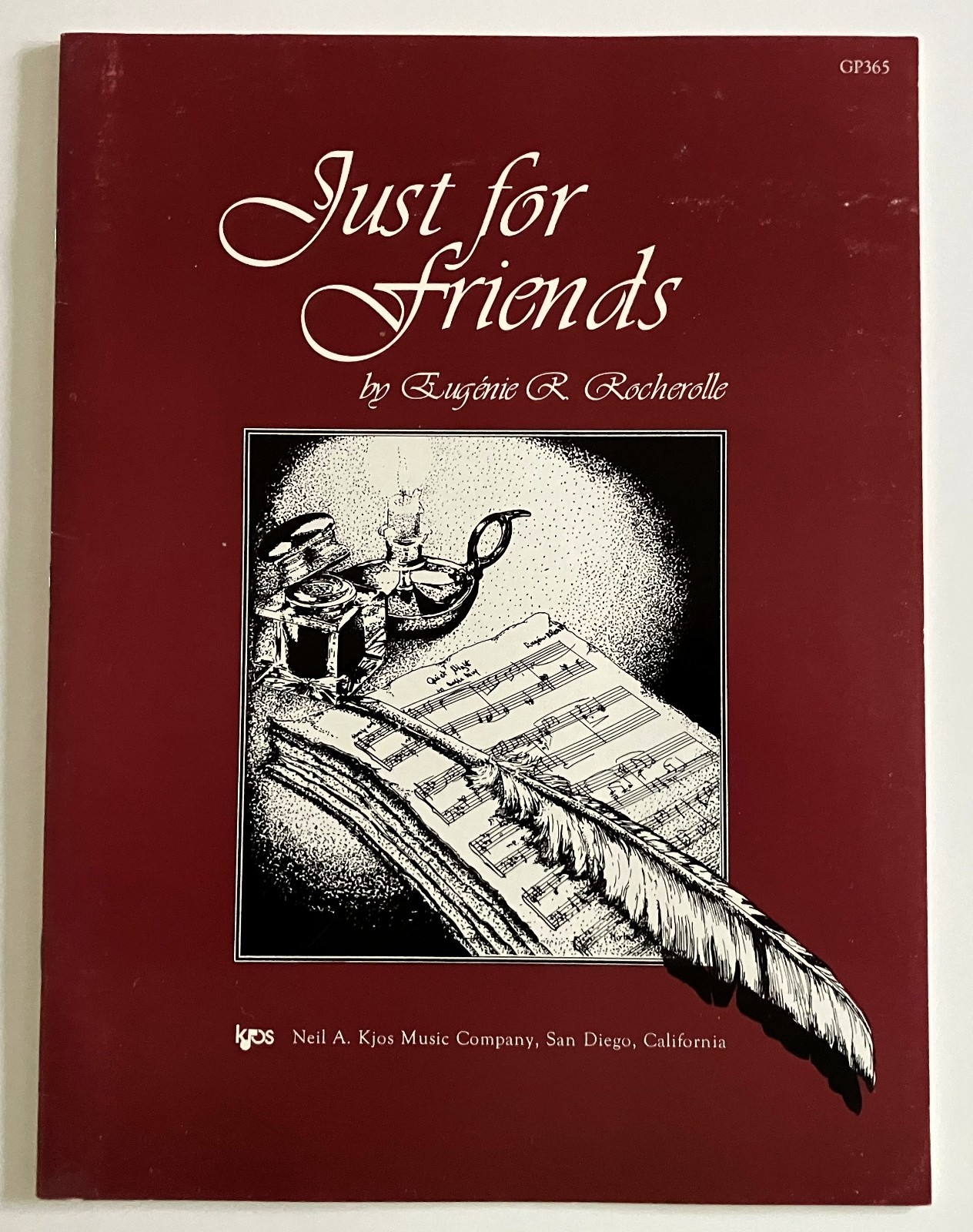 PIANO SHEET MUSIC~JUST FOR FRIENDS by EUGENIE ROCHEROLLE~BRAND NEW$4.00Last checked Nov 25, 2026View on eBay
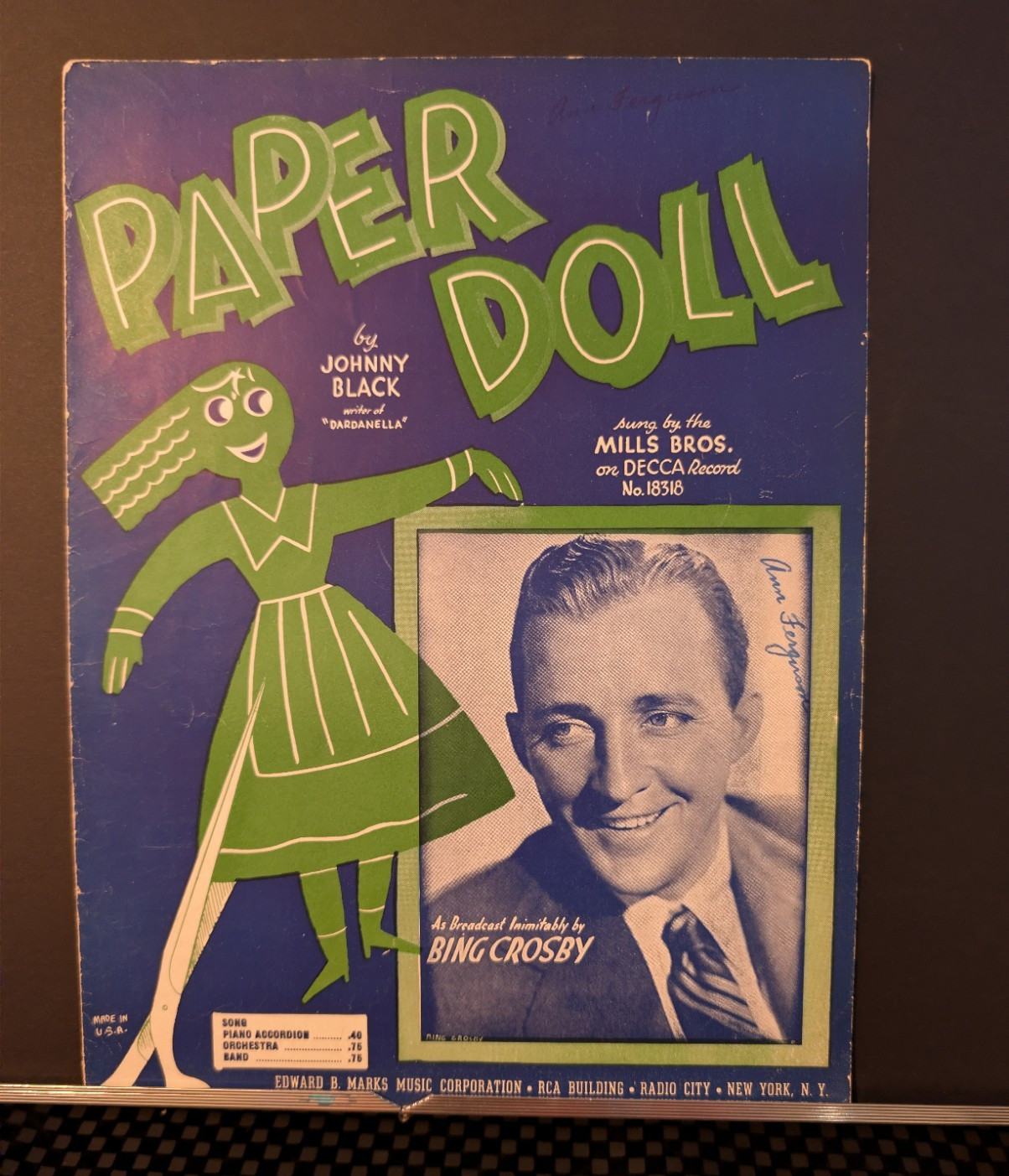 Edward B. Marks Music Corp. Paper Doll Sheet Music Piano/Voice Solo MPN 18316$5.99Last checked Nov 26, 2026View on eBay
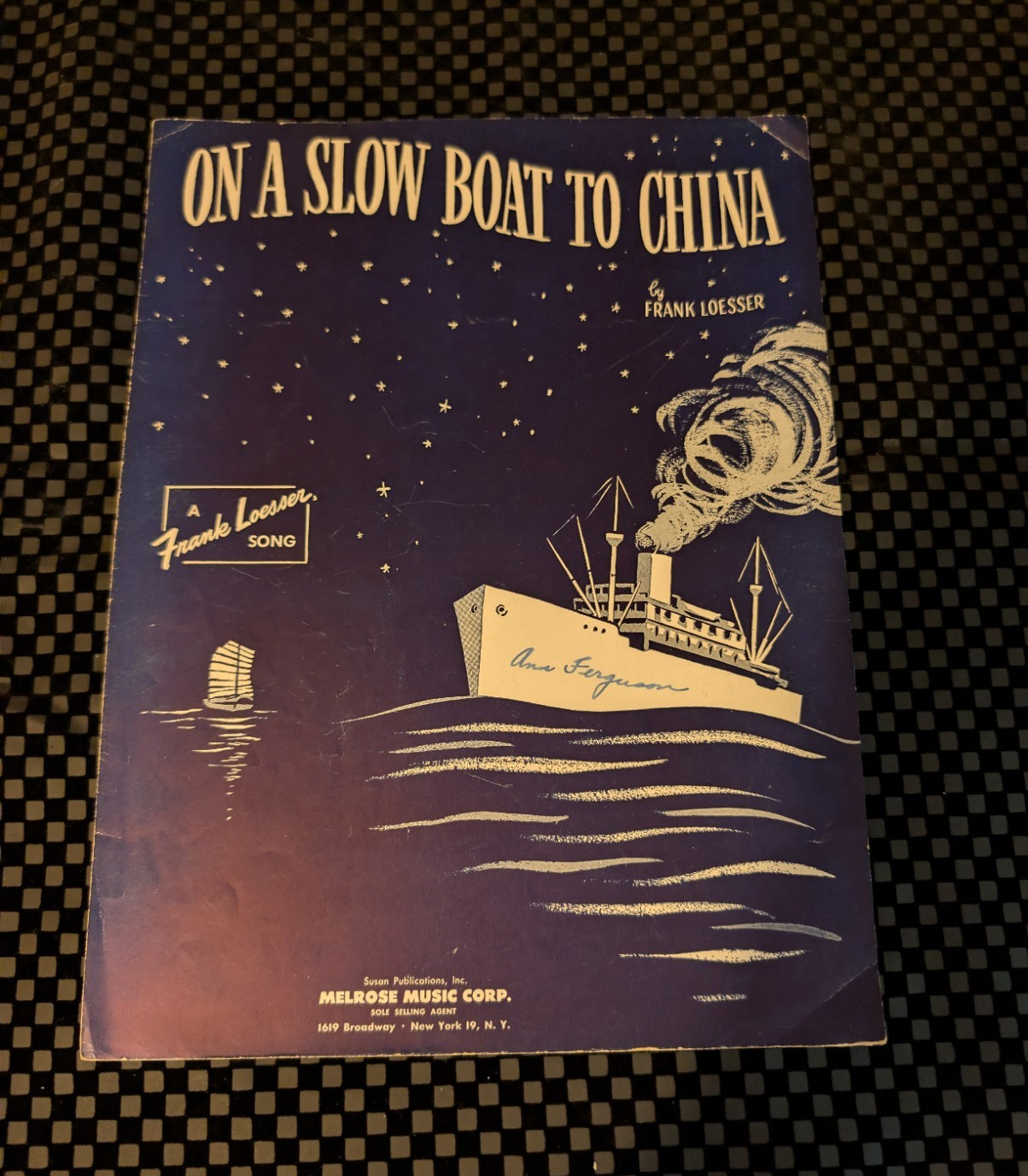 Melrose Music Corp. “On a Slow Boat to China” Pop Sheet Music Piano/Voice Solo$5.99Last checked Nov 26, 2026View on eBay
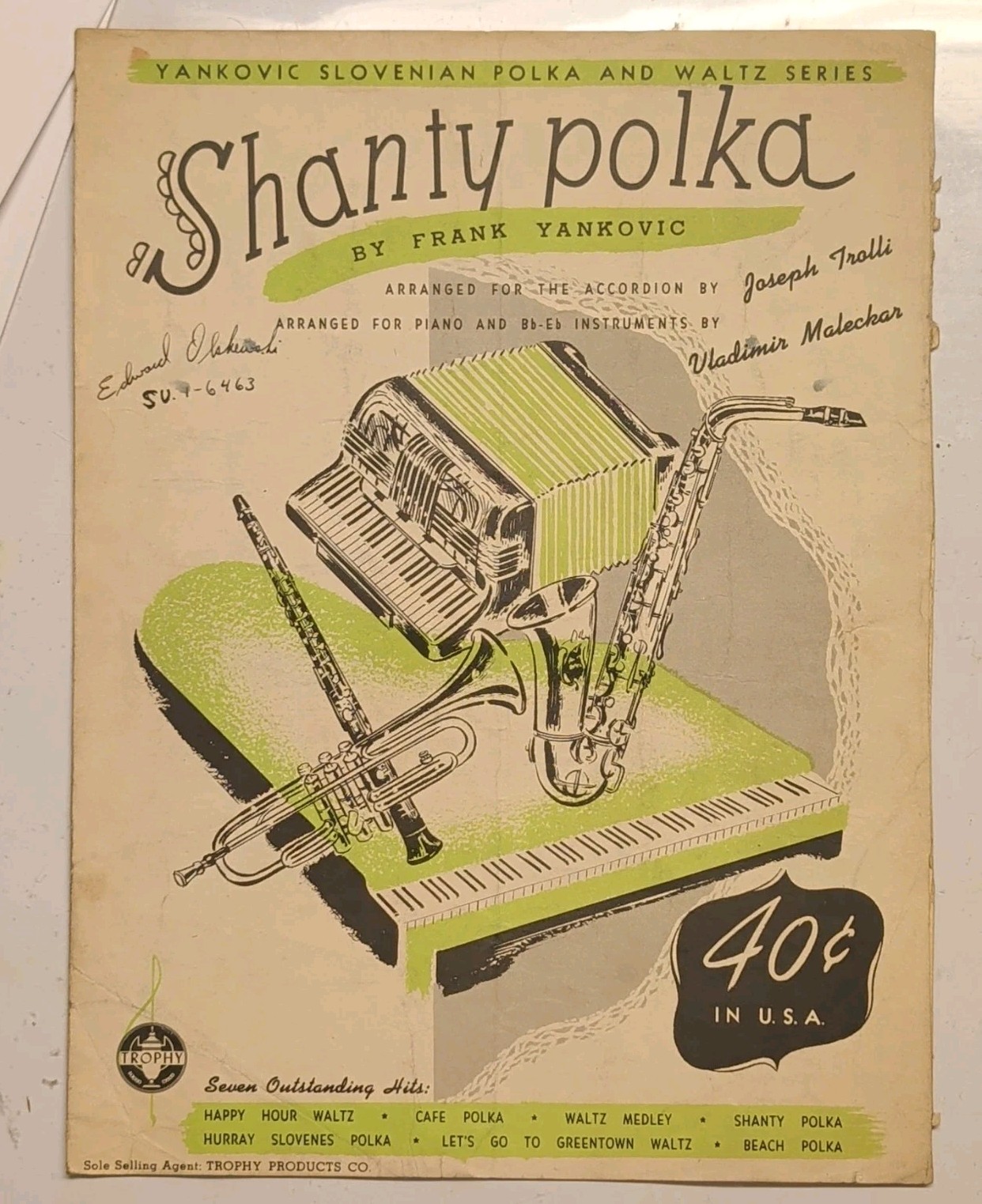 Shanty Polka Sheet Music for Accordion & Piano Frank Yankovic$7.00View on eBay
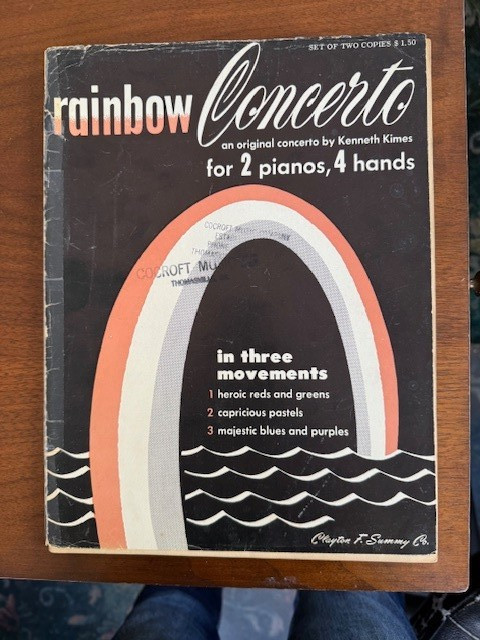 Sheet Music Two Pianos Four Hands (2P4H) Rainbow Concerto 2 copies$9.99Last checked Nov 26, 2026View on eBay
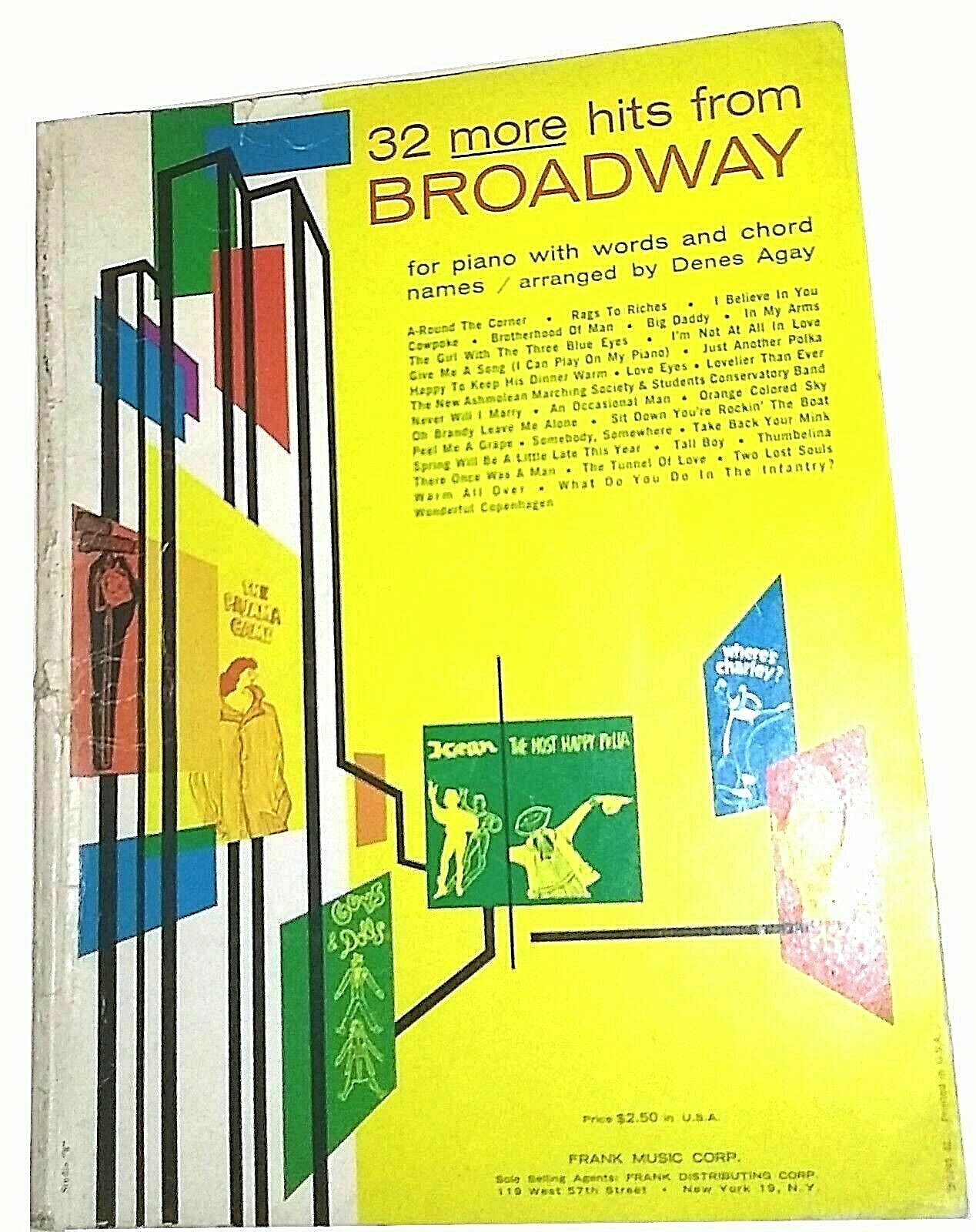 32 More Hits from Broadway piano words chord names sheet music songbook$9.99Last checked Nov 25, 2026View on eBay
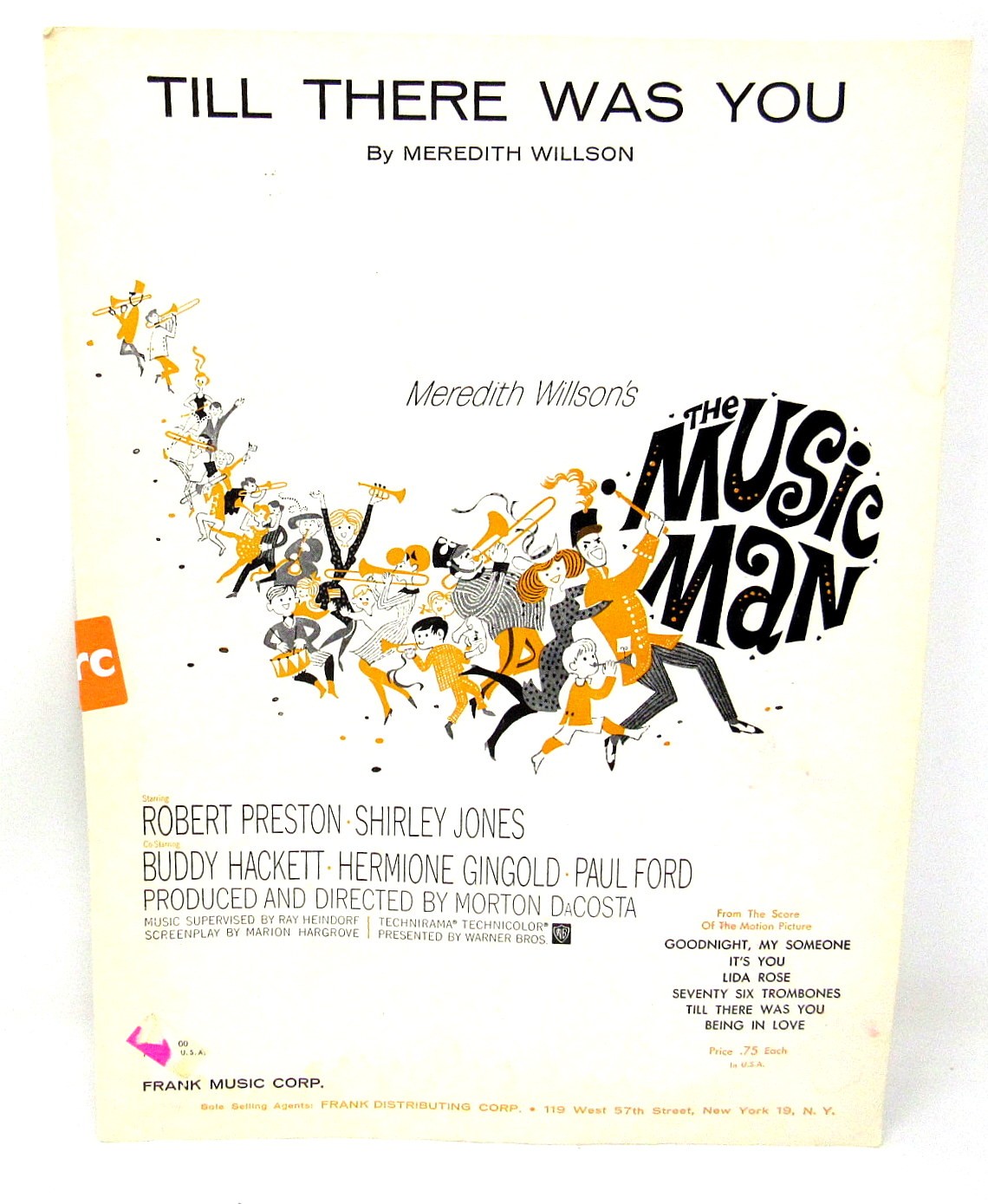 Till There Was You Sheet Music 1950 Music Man Musical Piano Voice US Seller$10.99Last checked Nov 26, 2026View on eBay
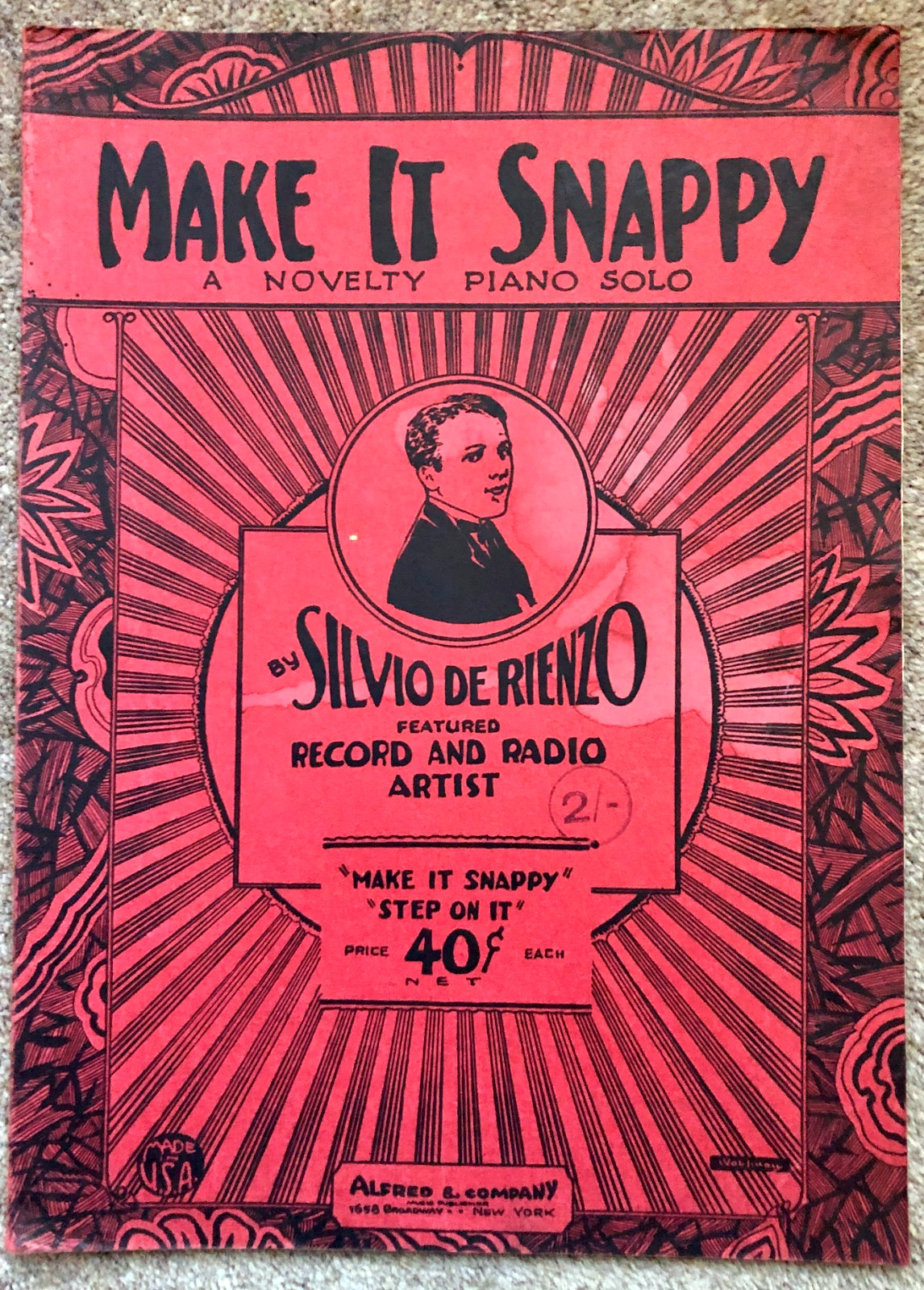 MAKE IT SNAPPY - Silvio De Rienzo - 1927 USA Novelty Piano Solo sheet music$13.04View on eBay
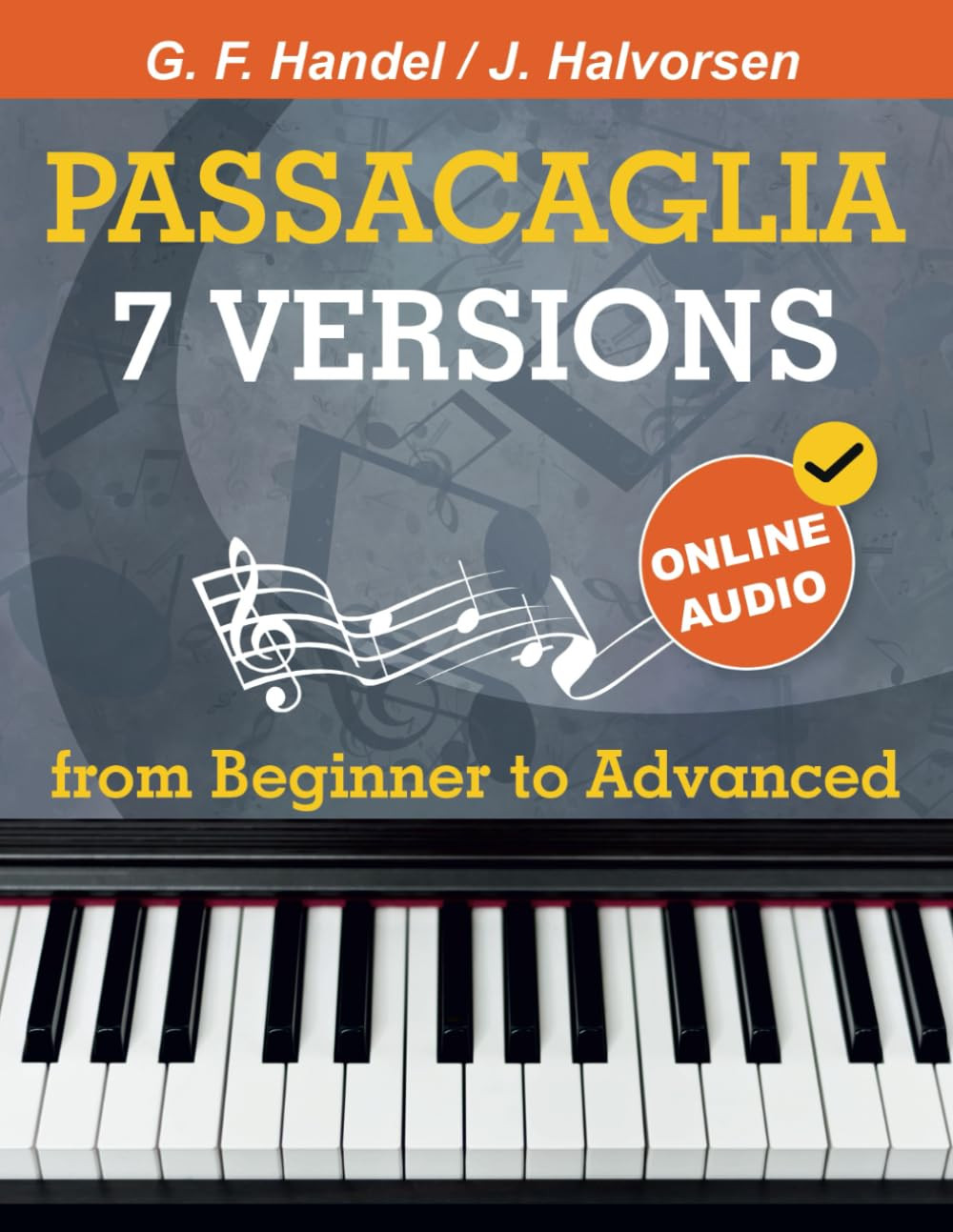 7 Versions Passacaglia – Handel / Halvorsen: Piano Sheet Music from Beginner to$16.64View on eBay
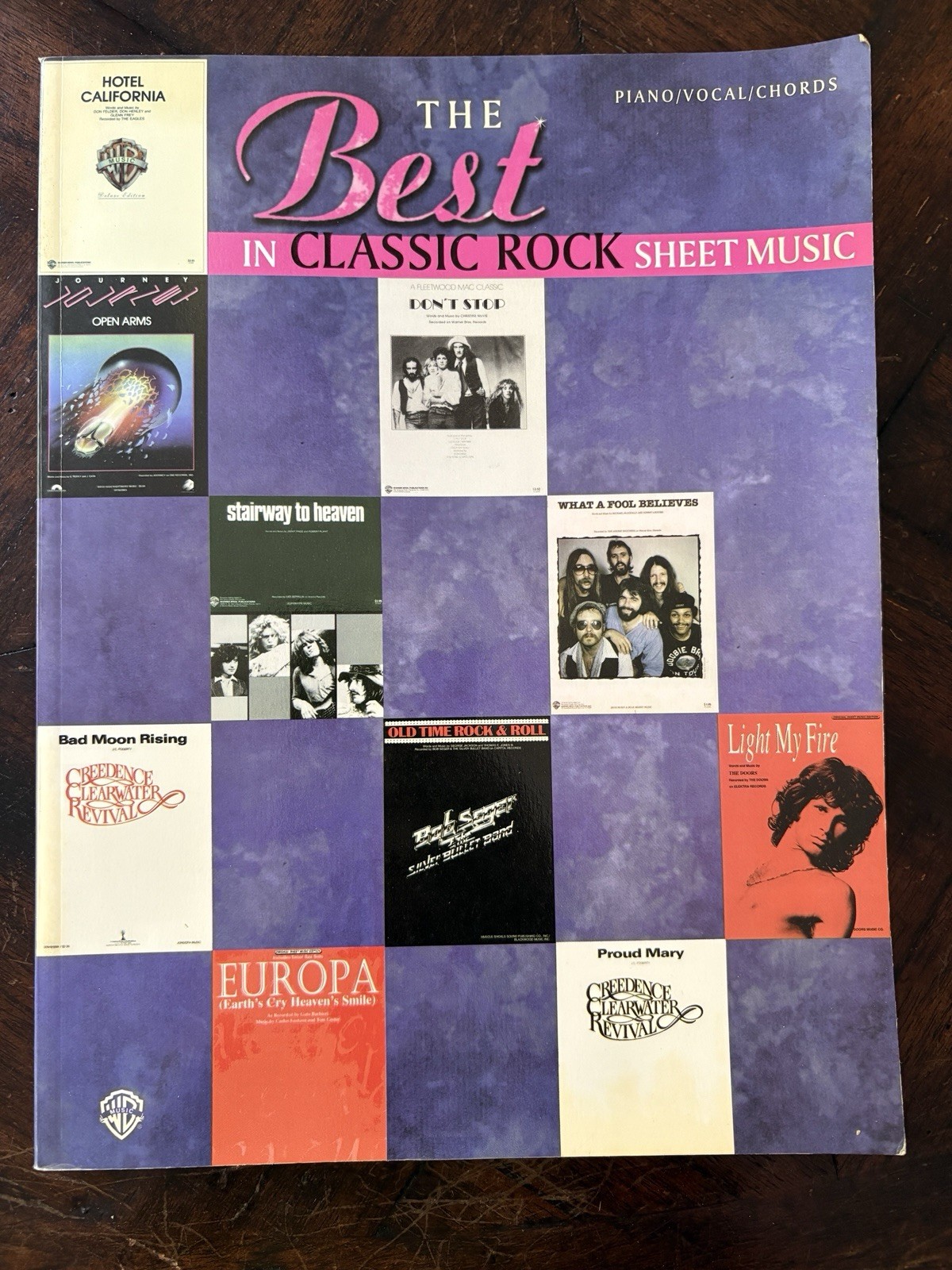 "The Best in Classic Rock Sheet Music: Piano, Vocal, Chords" 1998$20.00View on eBay
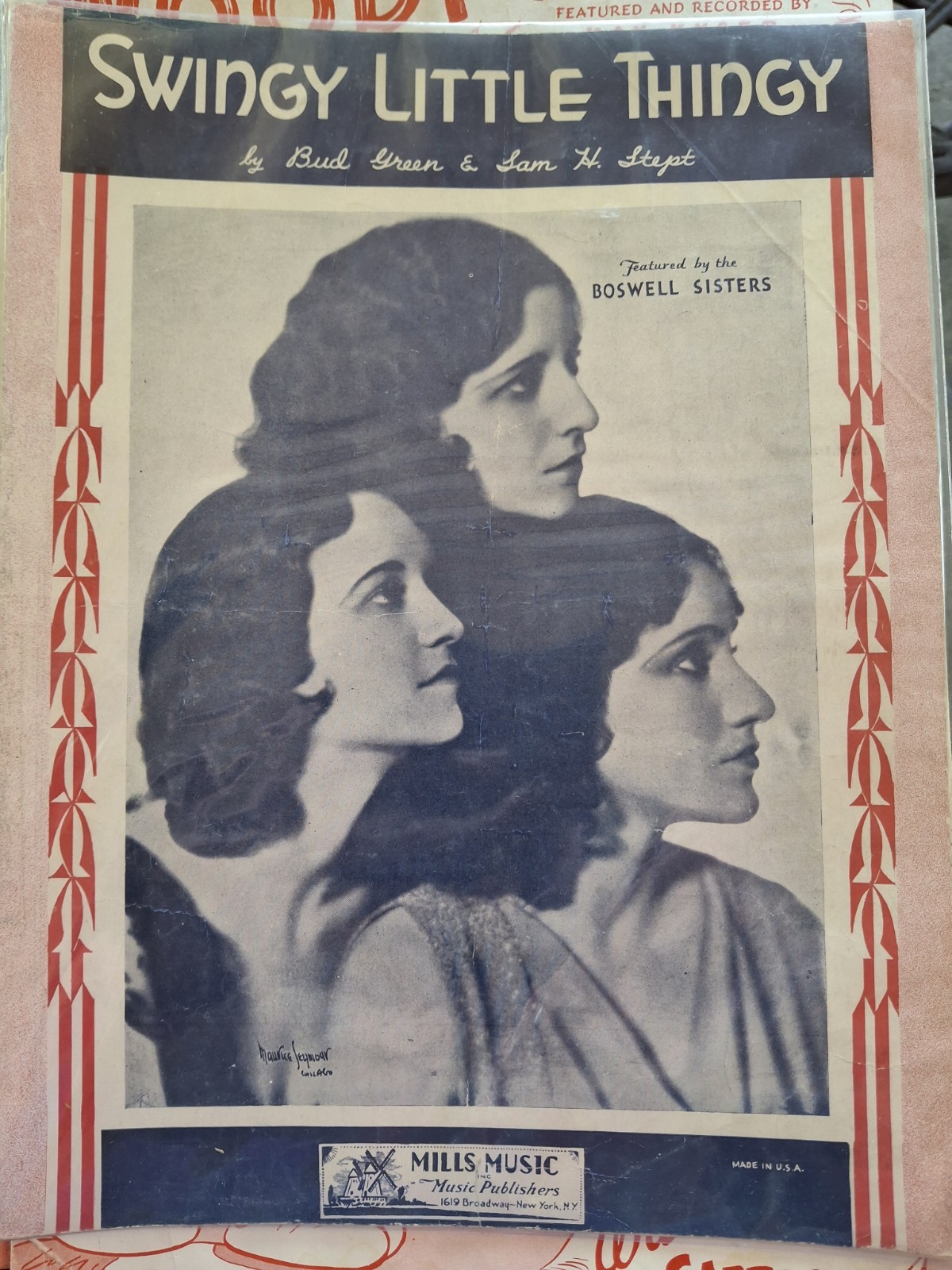 Very Good 1933 Sheet Music: Swingy Little Thingy Piano/Voice Jazz Trio$24.00Last checked Nov 26, 2026View on eBay
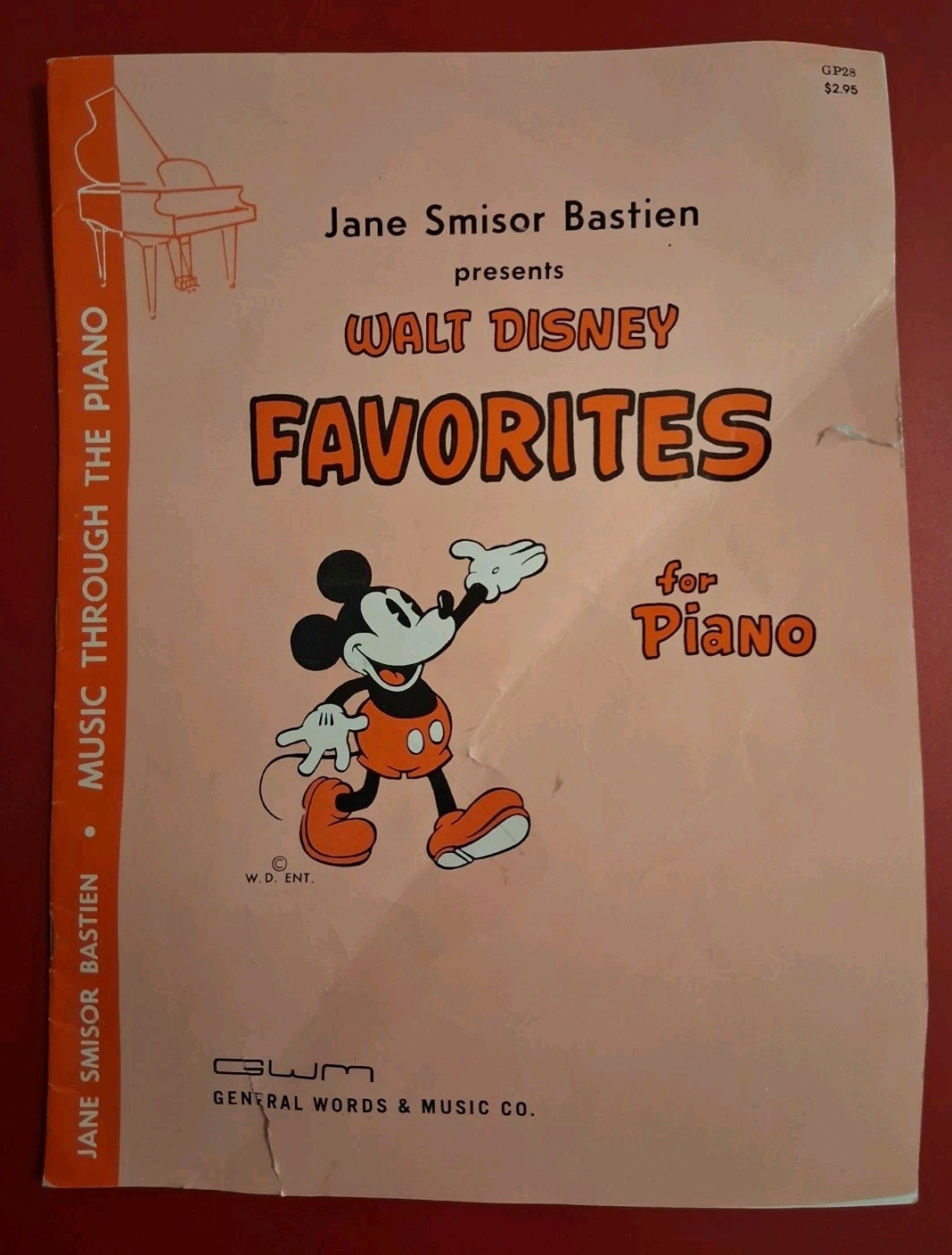 Sheet Music Jane Smisor Bastien Presents Walt Disney Favorites For Piano 1969$29.99Last checked Nov 26, 2026View on eBay
Highlights
- Notation tier determines usability: big-note easy piano uses enlarged staves and letter names, while urtext editions preserve composer markings with critical commentary.
- Paper weight separates durable editions from disposable ones: 80-100 GSM opaque offset paper resists bleed-through; thin 50-60 GSM newsprint yellows and tears at the fold.
- Binding architecture matters: saddle-stitched scores lie flat at the piano; perfect-bound books crack and close on the music stand.
- Vintage originals are identified by publisher imprint and copyright date (e.g., McKinley Music Co., Theodore Presser, Fischer & Bro.) and original cover art, not reprints.
Best use cases
- Absolute beginner or returning adult: pick big-note easy piano editions with chord symbols and letter names over staff; skip dense urtext volumes until you can read both clefs fluently.
- Intermediate player building repertoire: choose graded anthologies (easy to intermediate) with spiral or saddle-stitch binding; skip single vintage sheets with brittle paper for daily practice.
- Collector or decor buyer: buy verified vintage originals with clear publisher imprints and intact covers; skip modern reprints marketed as 'vintage style' if authenticity matters.
- Gigging pianist: select fake books or lead sheets with durable laminated covers and lay-flat binding; skip oversized coffee-table songbooks that won't stay open on a stand.
Buying tips
- Match notation to reading level: big-note (letter names on staves) for beginners, standard grand staff for intermediate, urtext for advanced players needing composer-accurate text.
- Check paper grade before buying: 80 GSM or higher opaque paper prevents show-through; avoid newsprint-thin sheets for repeated practice.
- For vintage sheets, confirm the publisher imprint and copyright year on the cover; undated or 'style' reprints are not originals.
- Verify page-turn friendliness: scores with 2-4 page layouts and saddle-stitch binding avoid awkward turns mid-piece.
Specs
| Notation Level | Big-note / Easy / Standard / Urtext |
|---|---|
| Paper Grade | 80-100 GSM opaque offset |
| Binding Type | Saddle-stitch / Spiral / Perfect-bound |
| Format | Piano solo / Easy piano / P/V/G |
Related searches
What to check before buying
- Measure your music stand or piano desk width: standard sheets are 9 x 12 inches; oversized scores (10.5 x 13.5) may overhang.
- Confirm your reading level: can you read both clefs and key signatures, or do you need letter-name notation?
- For vintage purchases, check the spine and page condition: foxing, tears, and detached covers reduce playability and value.
- Ensure the edition matches your instrument: piano solo, piano/vocal/guitar, or easy piano arrangements are not interchangeable.
FAQ
Data sources: eBay / Amazon listings and product attribute feeds. Updated Nov 26, 2026.
Some links on this page are affiliate links. If you buy after clicking one, we may earn a commission at no extra cost to you. This does not change which products appear here or their order. Affiliate disclosure.