
Photos from current listings. Actual item, color, and included accessories may vary.
Sheet Music Paper Buying Guide
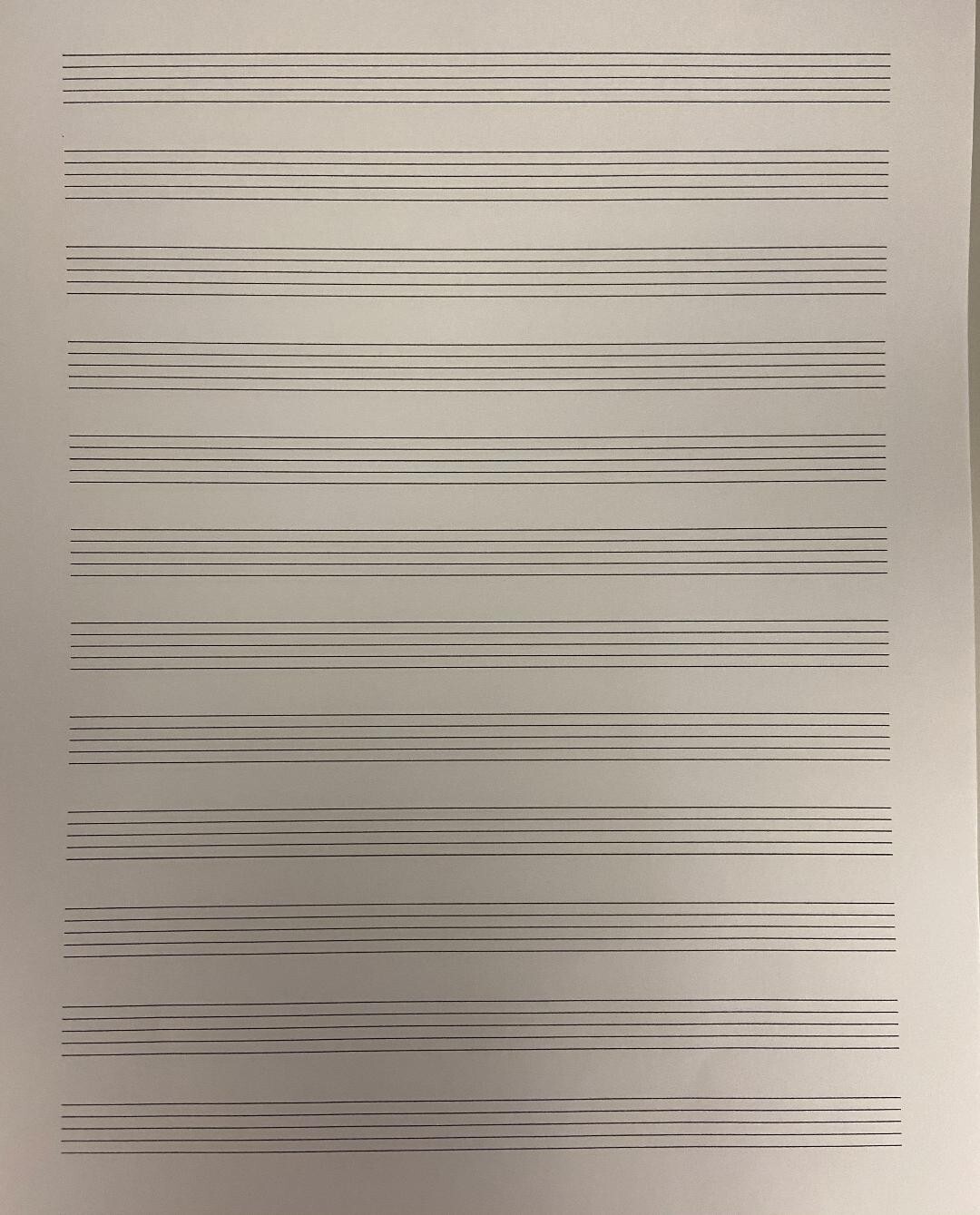
Sheet music paper is either blank manuscript paper for writing notation or printed vintage sheet music used for performance and crafting. The core trade-off is between archival-grade, correctly ruled blank stock for composition versus decorative or collectible printed sheets where condition and era drive value. Choose acid-free, correctly sized manuscript paper for writing; choose intact, flat, unmarked printed sheets for performance or collecting.
At a glance
- Category
- Sheet Music
- Last updated
- Nov 26, 2026
Current offers
Highlights
- Blank manuscript paper is graded by stave count per page (typically 6, 8, 10, or 12 staves) and staff size; larger staves suit beginners and pencil notation, denser staves suit full scores.
- Professional manuscript stock uses 90-120 GSM acid-free (archival) paper; thin 60-70 GSM sheets ghost through with ink and yellow with age.
- Vintage printed sheet music value depends on edition, composer, illustrator, and condition; unmarked pages with intact spines outperform torn or foxed copies.
- Standard manuscript formats are 9x12 in (letter/A4-adjacent) for orchestral work and 8.5x11 in for lead sheets; vintage sheets range roughly 9x12 to 10.5x14 in.
Best use cases
- Composing or theory practice: pick blank manuscript with 10-12 staves and 90+ GSM acid-free stock; skip decorative vintage lots.
- Lead sheets and vocal notation: choose 8.5x11 in, 6-8 stave paper with a printed chord grid; skip oversized orchestral pads.
- Junk journals and collage: buy vintage sheet music lots by the page count and accept foxing and edge wear; skip archival blank stock.
- Collecting or performance: select single intact editions with complete covers and no pencil marks; skip bulk lots sold by weight or page count.
Buying tips
- Match stave count to use: 6-8 staves for piano/vocal and lead sheets, 10-12 for full orchestral or band scores; more staves means smaller staff height.
- Demand 90 GSM or higher acid-free stock for anything you intend to keep; below 80 GSM, ink bleeds and pages curl.
- For vintage sheets, buy by edition and condition: complete cover, no separations, no water stains; lots by page count are for crafting only.
- Verify sheet dimensions before buying: 8.5x11 in fits standard binders and printers, 9x12 in needs oversized folders, and vintage sheets may not fit A4 sleeves.
Specs
| Paper Type | Blank manuscript vs printed vintage |
|---|---|
| Paper Weight | 60-70 GSM draft / 90-120 GSM archival |
| Staves Per Page | 6-8 lead / 10-12 orchestral |
| Sheet Size | 8.5x11 in / 9x12 in / vintage oversize |
Related searches
What to check before buying
- Measure your binder, folder, or frame opening first: 8.5x11 in fits letter sleeves, 9x12 in needs 9x12 portfolios, vintage sheets often exceed both.
- Confirm your writing instrument: pencil works on any stock; fountain pen and calligraphy require 100+ GSM sized (non-bleeding) paper.
- For printing custom staves, check your printer's maximum paper size and whether the stock is inkjet/laser compatible.
- For vintage lots, confirm page count and whether pages are single-sided printed sheets or double-sided book pages before purchase.
FAQ
Data sources: eBay / Amazon listings and product attribute feeds. Updated Nov 26, 2026.
Some links on this page are affiliate links. If you buy after clicking one, we may earn a commission at no extra cost to you. This does not change which products appear here or their order. Affiliate disclosure.