
Photos from current listings. Actual item, color, and included accessories may vary.
Vintage Sheet Music Buying Guide
Vintage sheet music spans roughly 1890s–1970s printed scores, from fragile ragtime and jazz-age pop to mid-century standards and show tunes. The core trade-off is paper condition and print era versus price: acid-browned, edge-torn sheets are decorative bulk buys, while clean, unmarked copies of scarce titles hold real collectible value. The decision rule is simple: buy by title and printing (first edition vs. later reprint) when collecting; buy by lot and visual grade when decorating.
At a glance
- Category
- Sheet Music
- Last updated
- Nov 26, 2026
Current offers
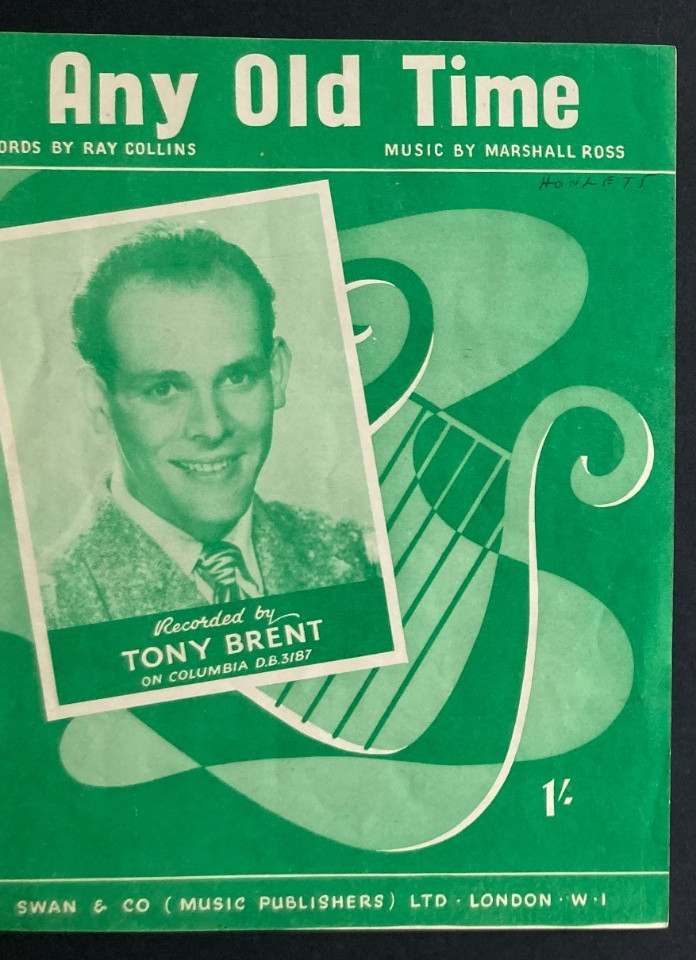 LOT #3:vintage sheet music mostly 30's/40's .YOU PICK $1.25 each BUY 2 get one$0.99Last checked Nov 25, 2026View on eBay
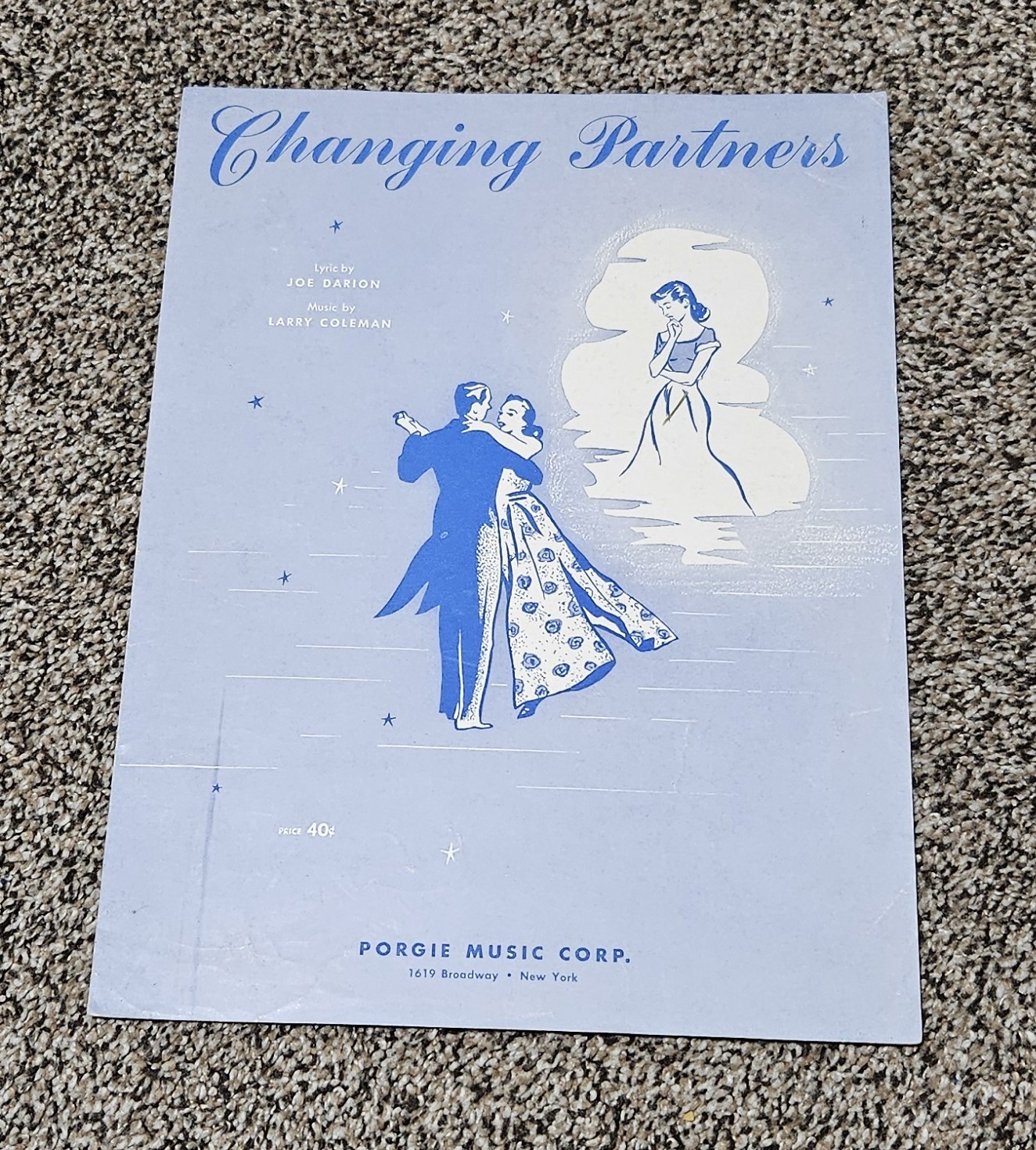 Vintage Sheet Music - You Choose$1.75Last checked Nov 26, 2026View on eBay
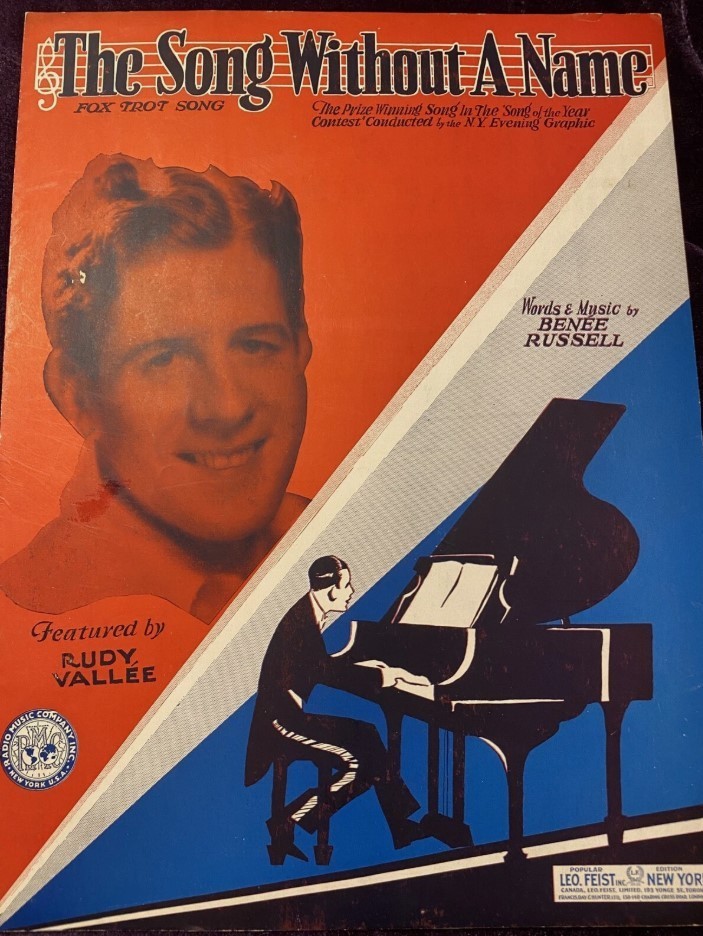 1930 Vintage Sheet Music BUY 2 GET 1 FREE Various Titles Choose Your Favorites$1.99Last checked Nov 23, 2026View on eBay
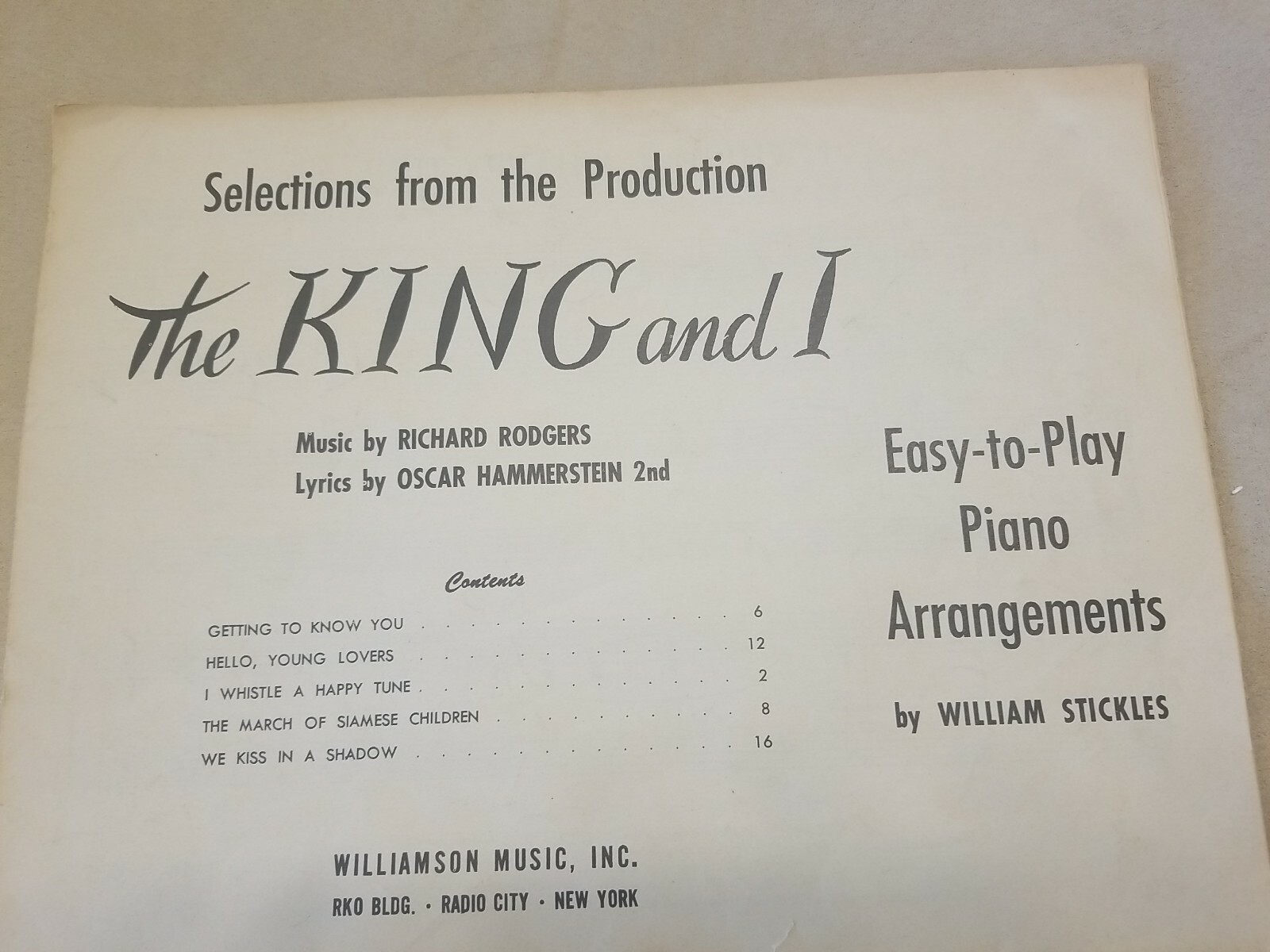 Vintage Sheet Music~ Selections from the Production The King and I~ Piano$3.87View on eBay
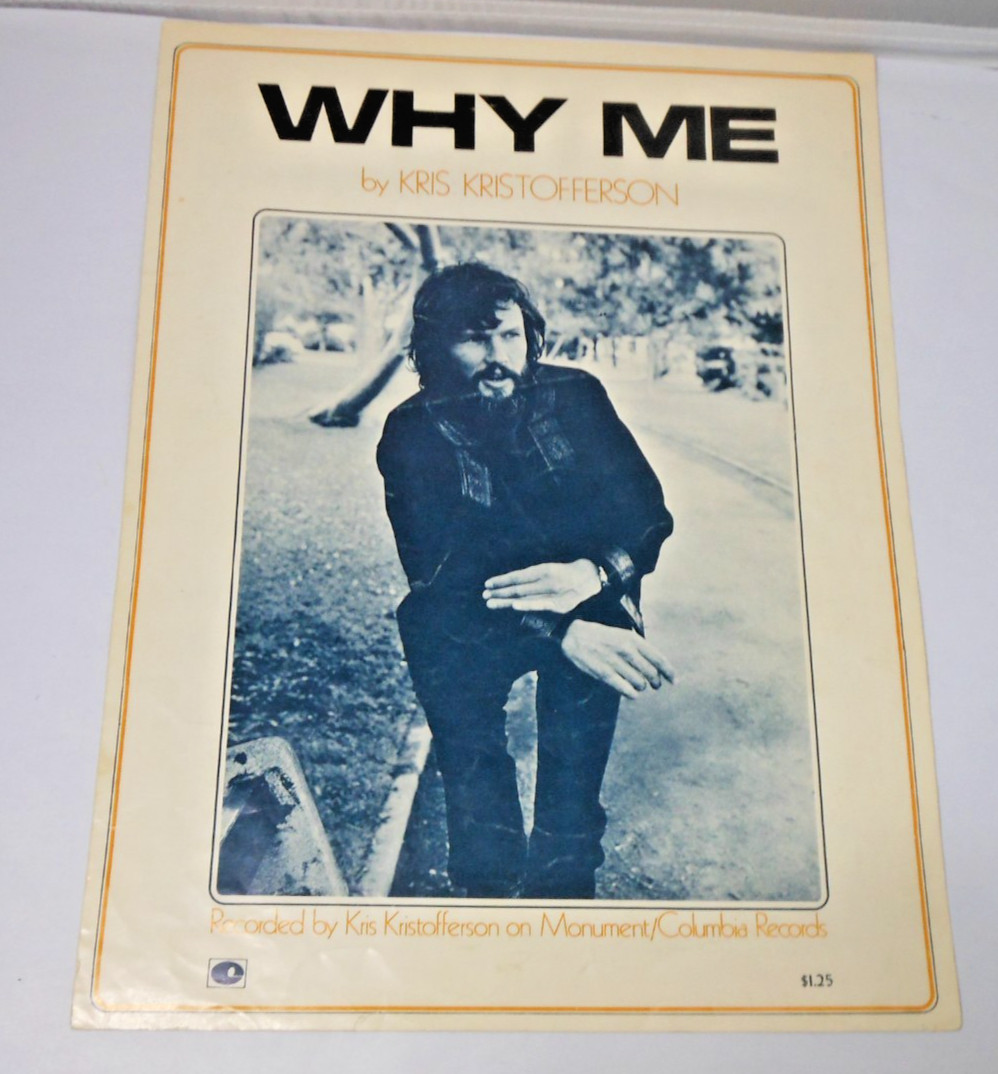 Why Me Kris Kristofferson Vintage Sheet Music 1973 Resaca Music Estate Find$5.00Last checked Nov 26, 2026View on eBay
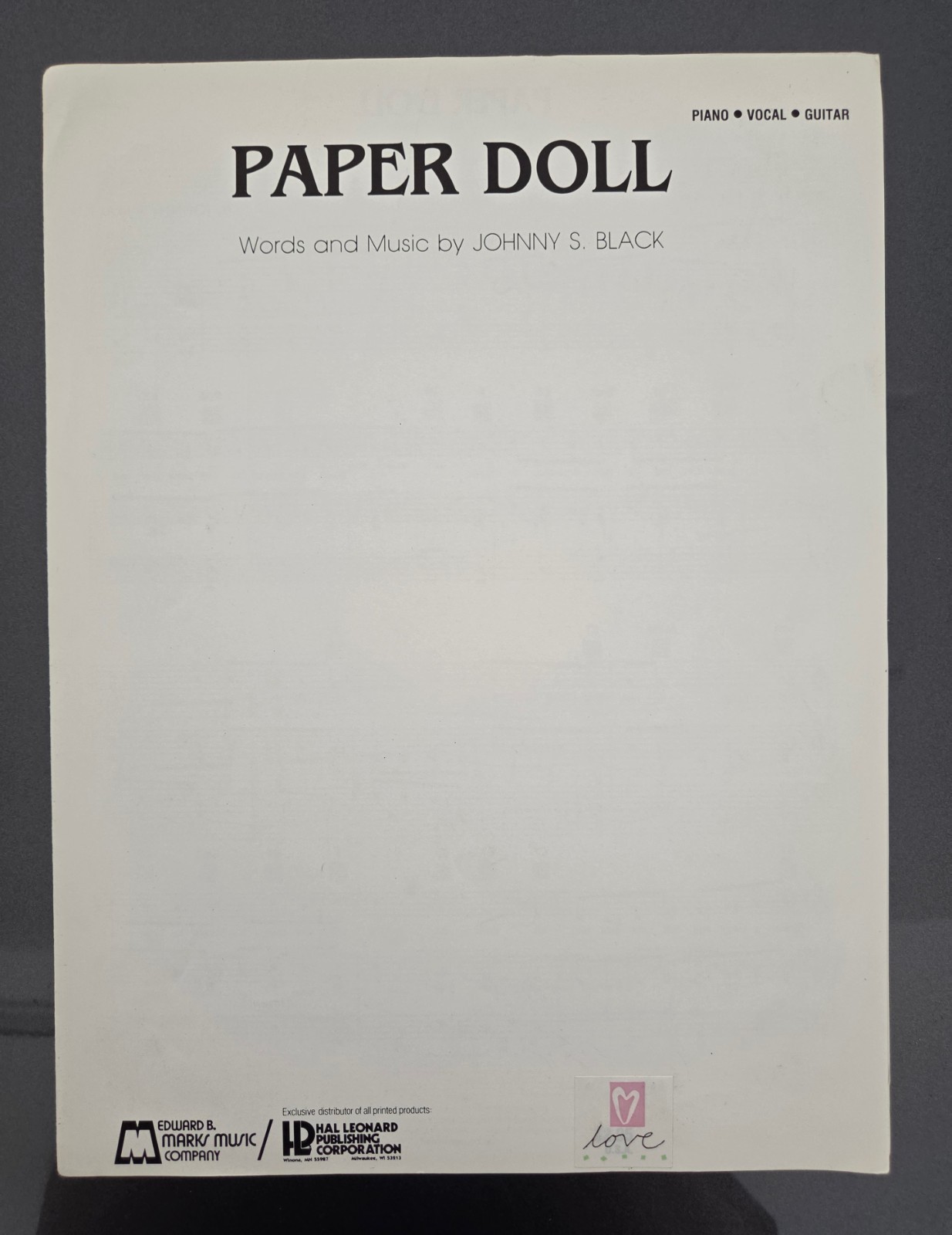 PAPER DOLL Johnny Black 1930 MILLS BROS Vintage Sheet Music$5.95View on eBay
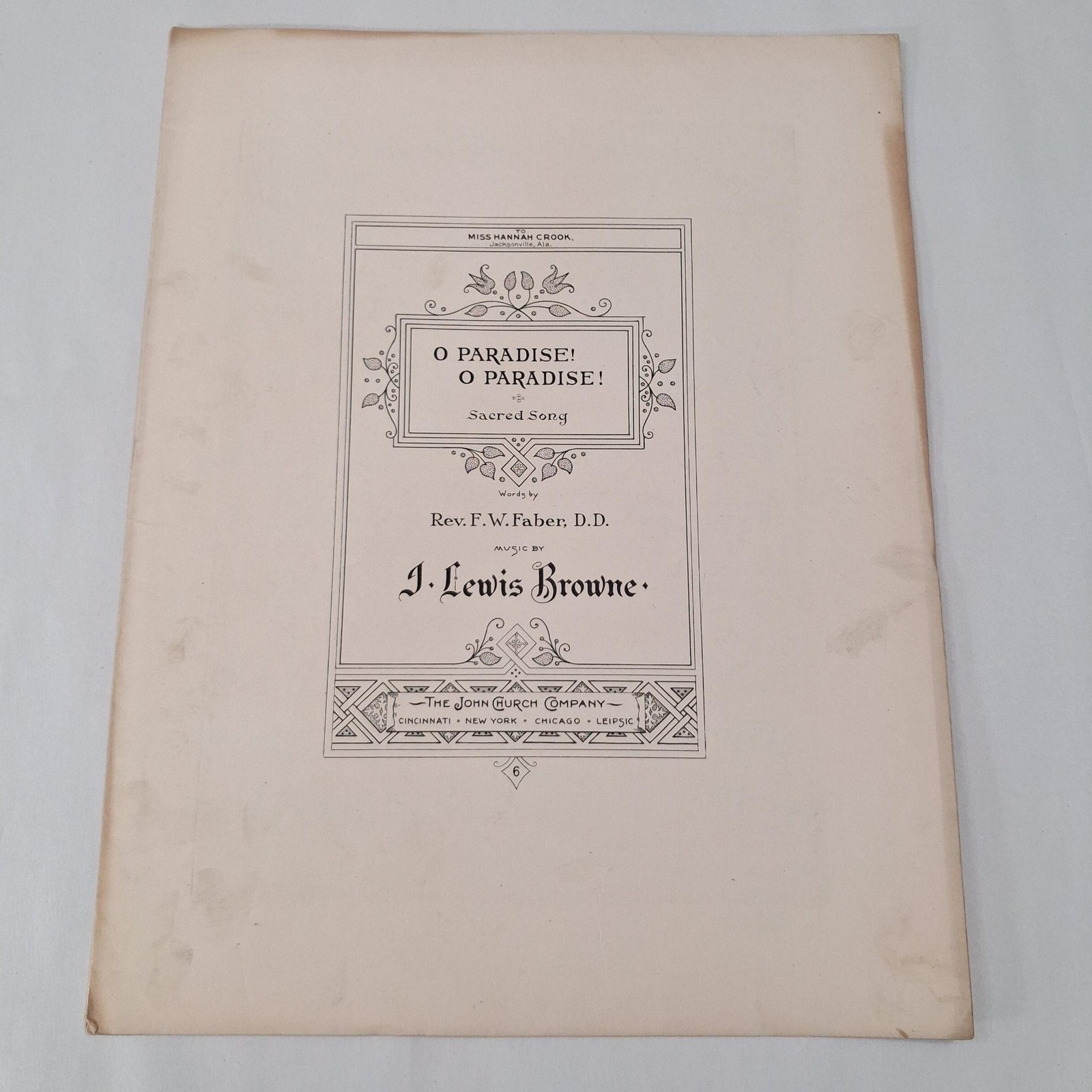 Vintage 1889 O Paradise O Paradise Sacred Song Sheet Music John Church USA$8.40Last checked Nov 23, 2026View on eBay
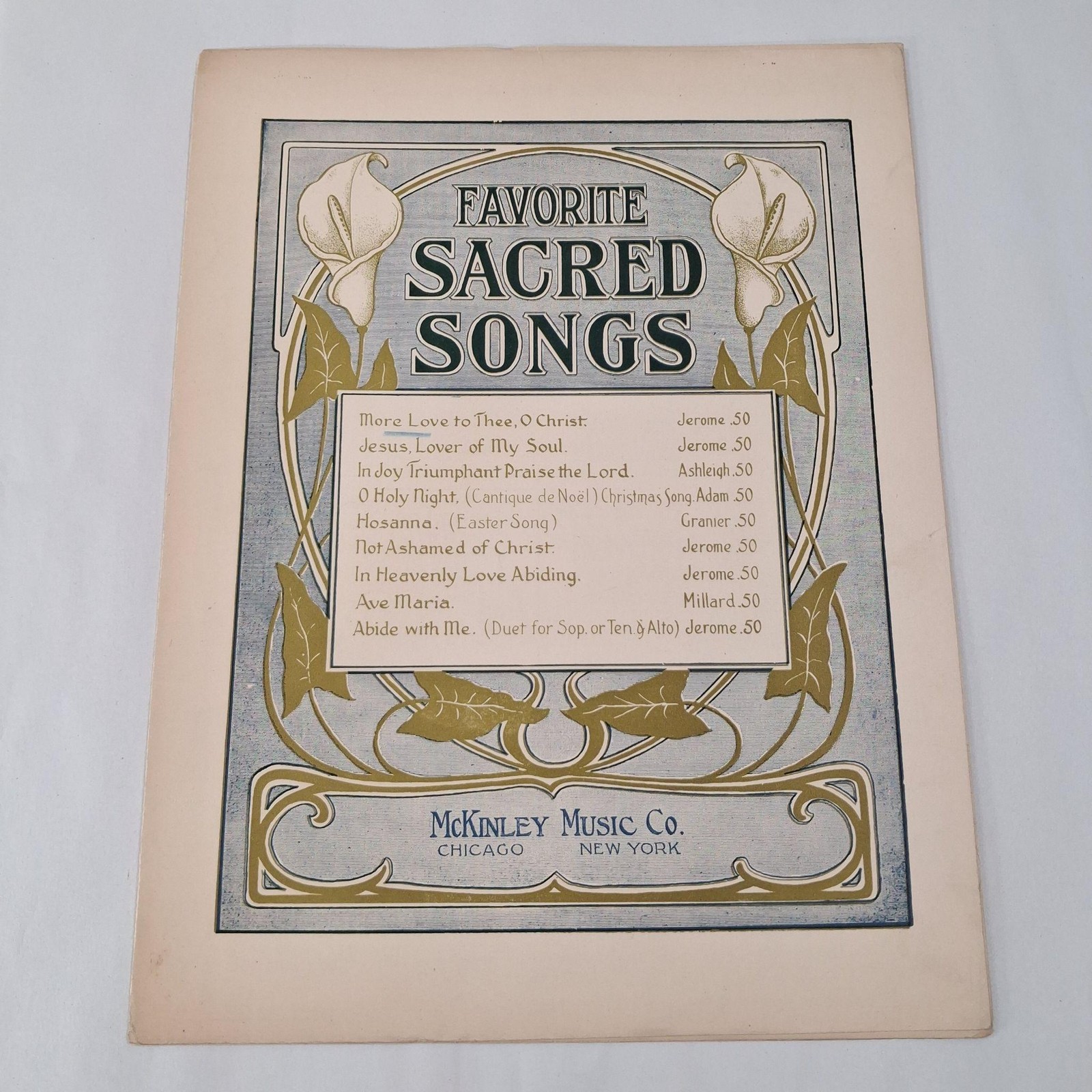 Vintage Favorite Sacred Songs McKinley Music Co Piano Sheet Music Christian USA$9.41Last checked Nov 23, 2026View on eBay
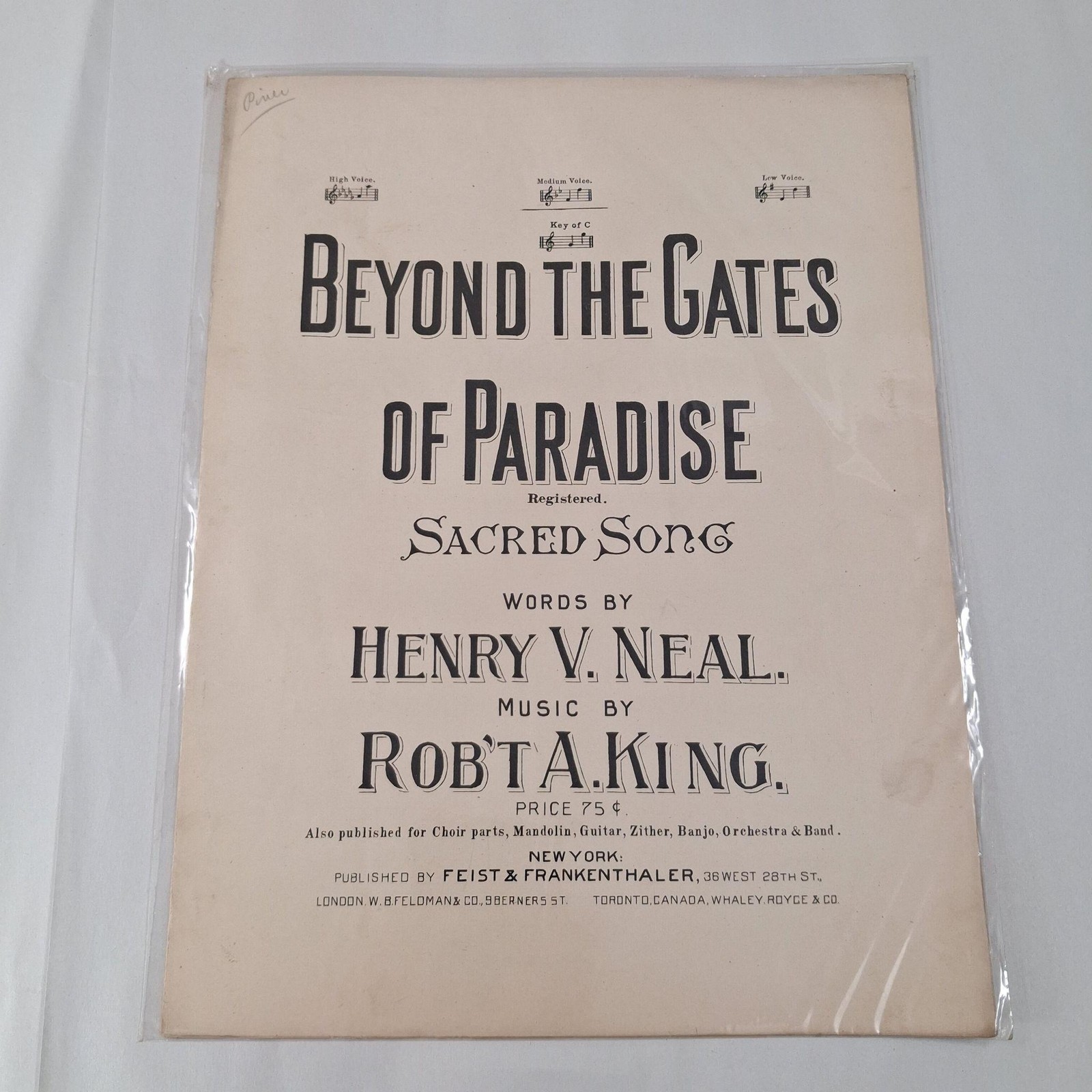 Vintage 1900 Beyond Gates Of Paradise Sacred Song Piano Vocal Sheet Music USA$9.41Last checked Nov 23, 2026View on eBay
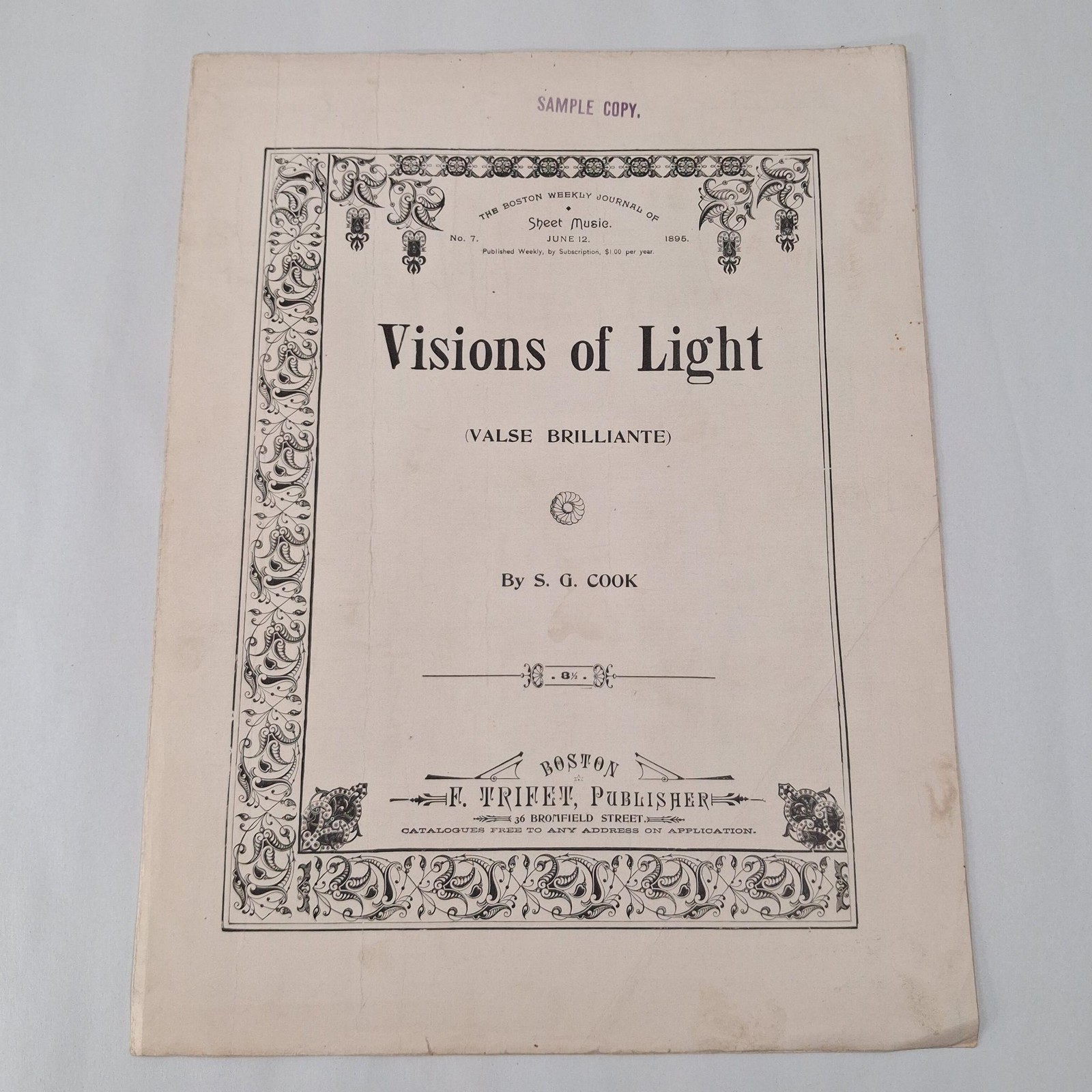 Vintage 1895 Visions Of Light Valse Brilliante Piano Sheet Music F Trifet Boston$9.80Last checked Nov 23, 2026View on eBay
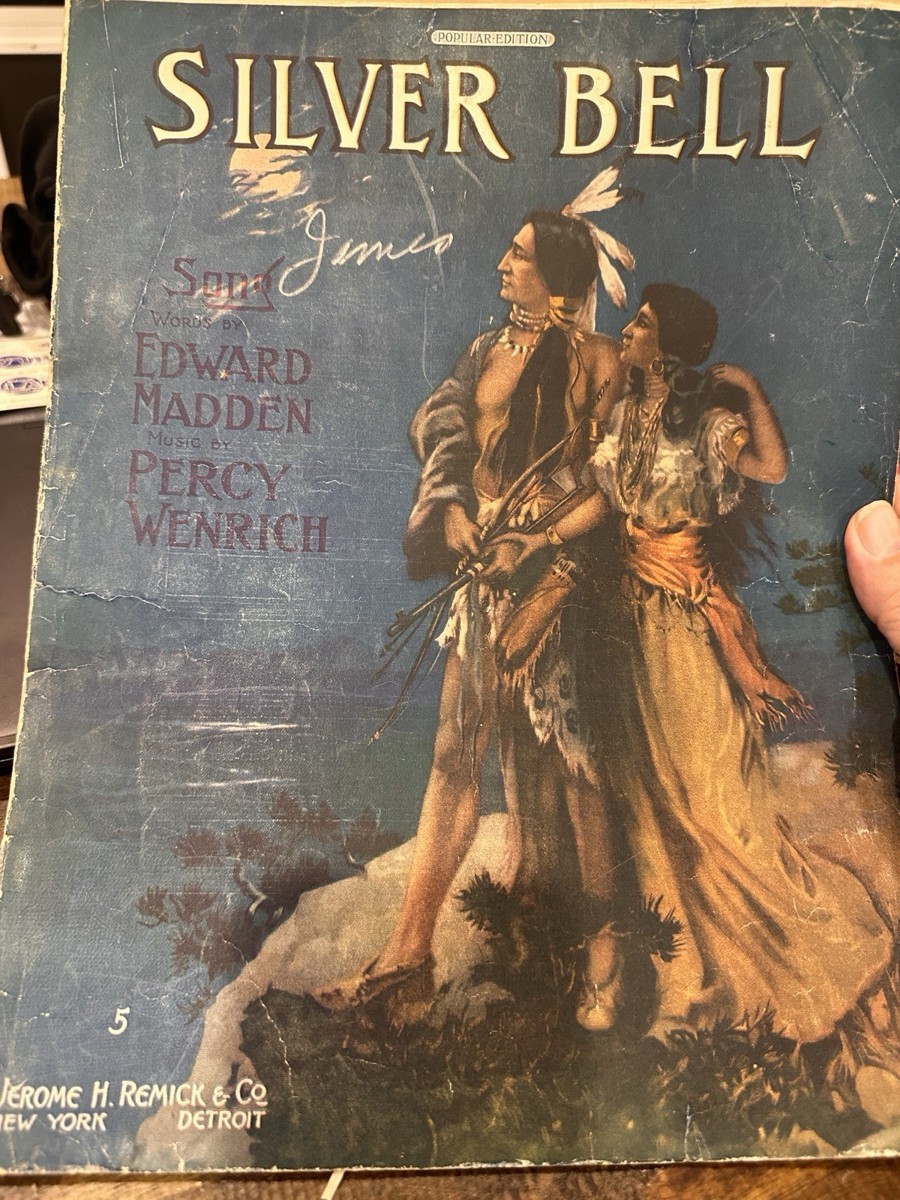 CC 11x14 Vintage Sheet Music 3-pack$10.00Last checked Nov 23, 2026View on eBay
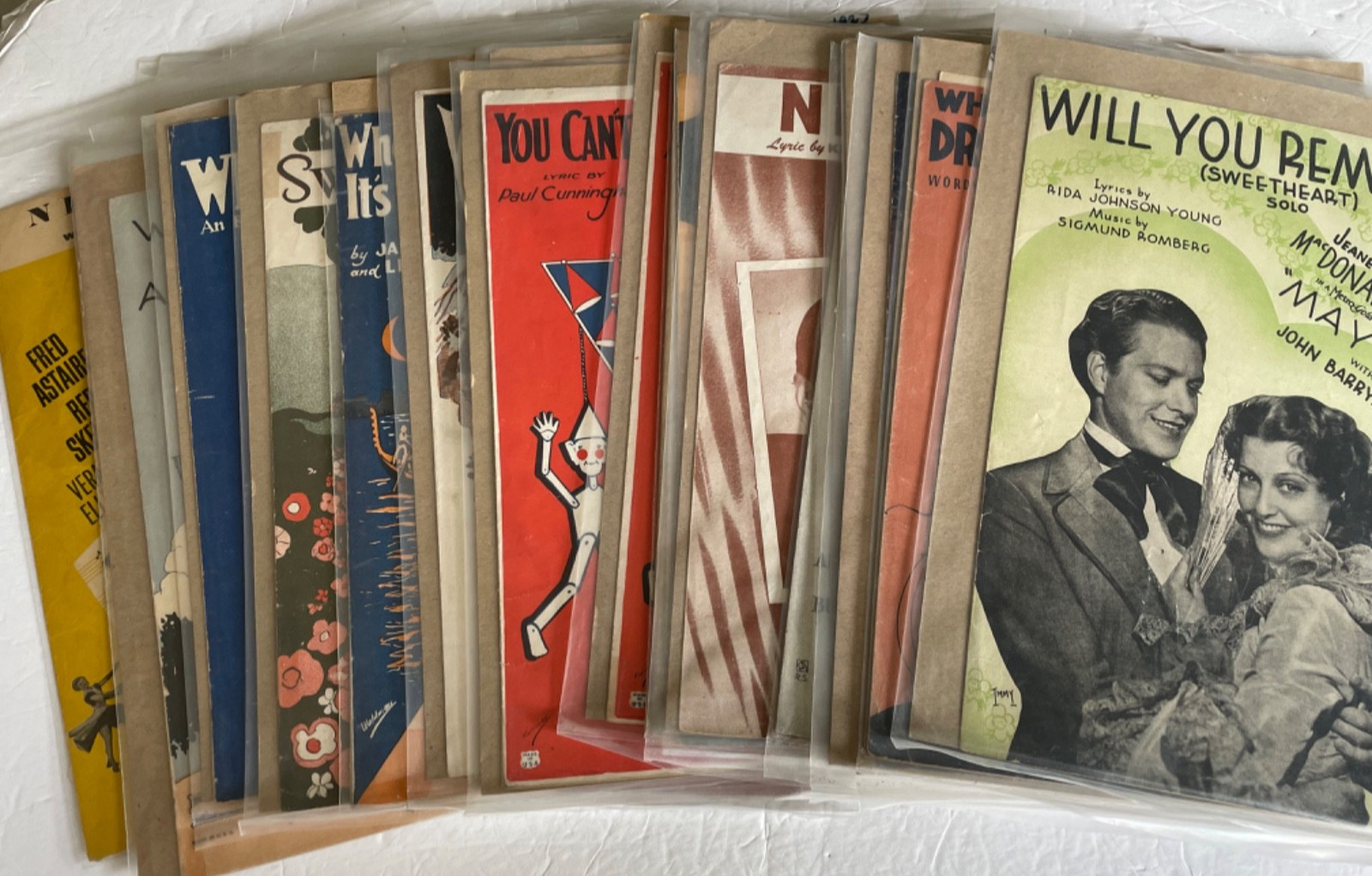 SH-19 Vintage Piano Sheet Music lot of 27 great tunes from the 20's 30's 40's$10.00View on eBay
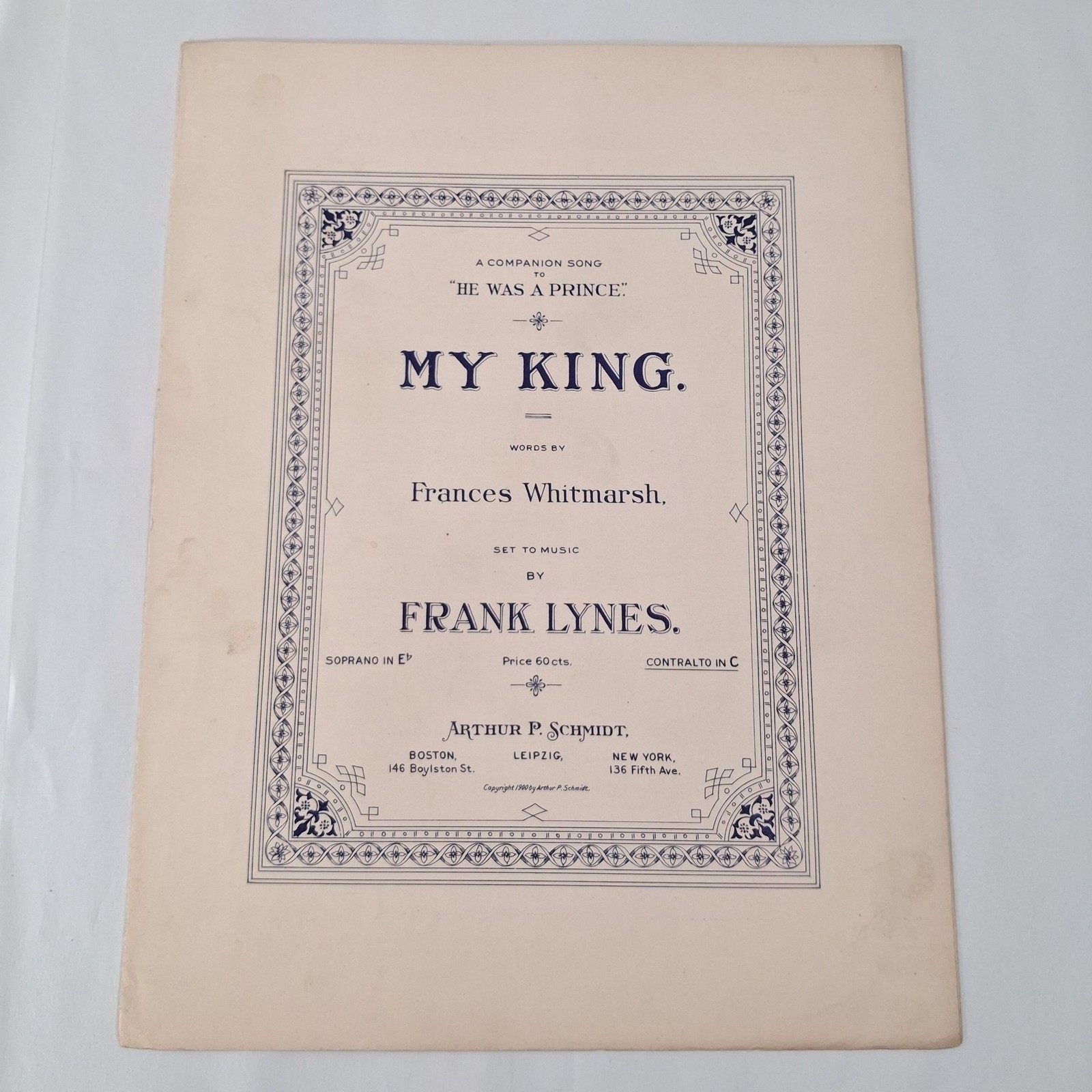 Vintage 1900 My King Frank Lynes Piano Vocal Sheet Music Arthur P Schmidt USA$10.39Last checked Nov 23, 2026View on eBay
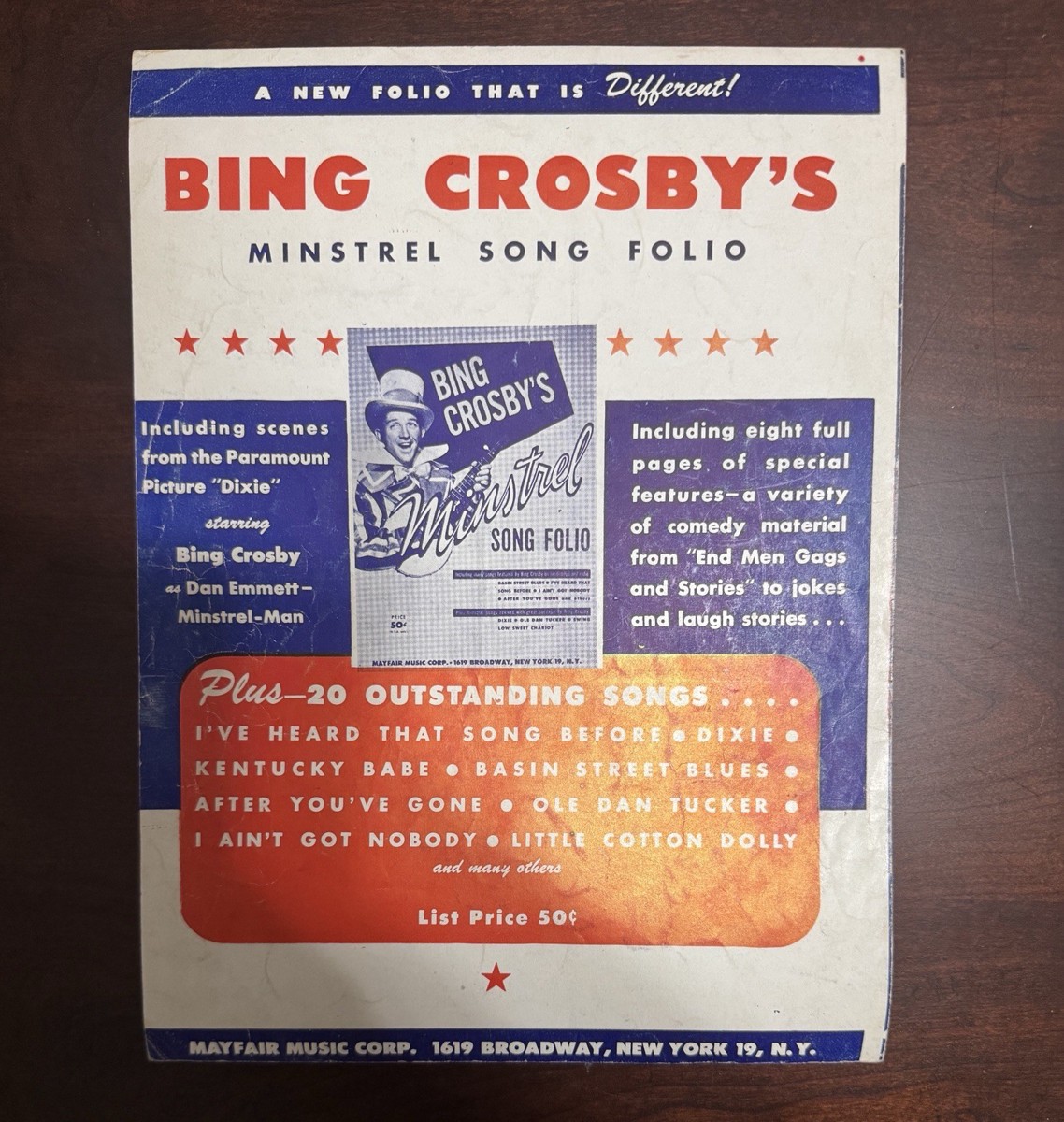 Vintage Sheet Music Pre-owned$10.50Last checked Nov 26, 2026View on eBay
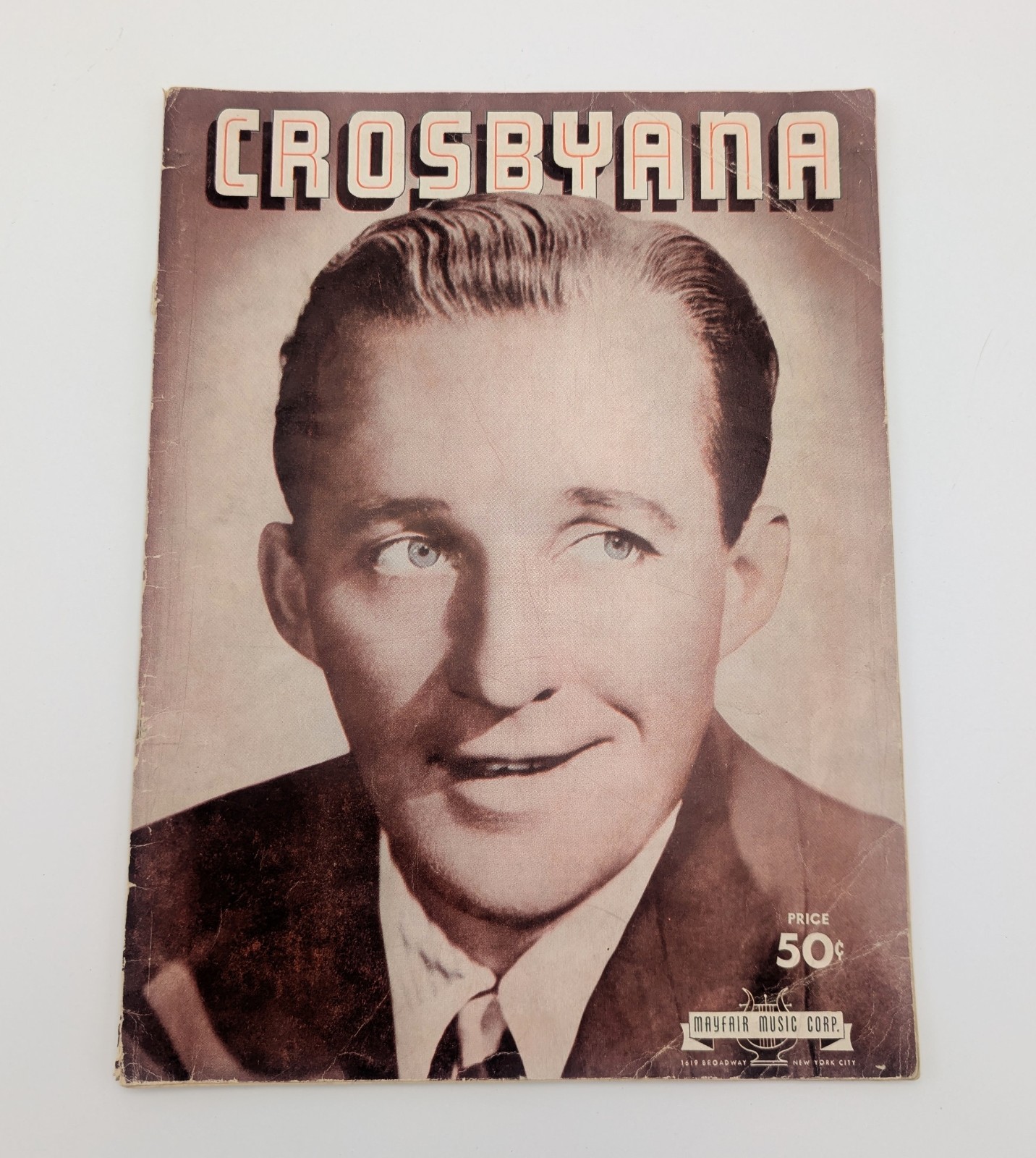 Vintage 1940s CROSBYANA 16 Famous Songs Sheet Music Bing Crosby / Ephemera$10.99Last checked Nov 23, 2026View on eBay
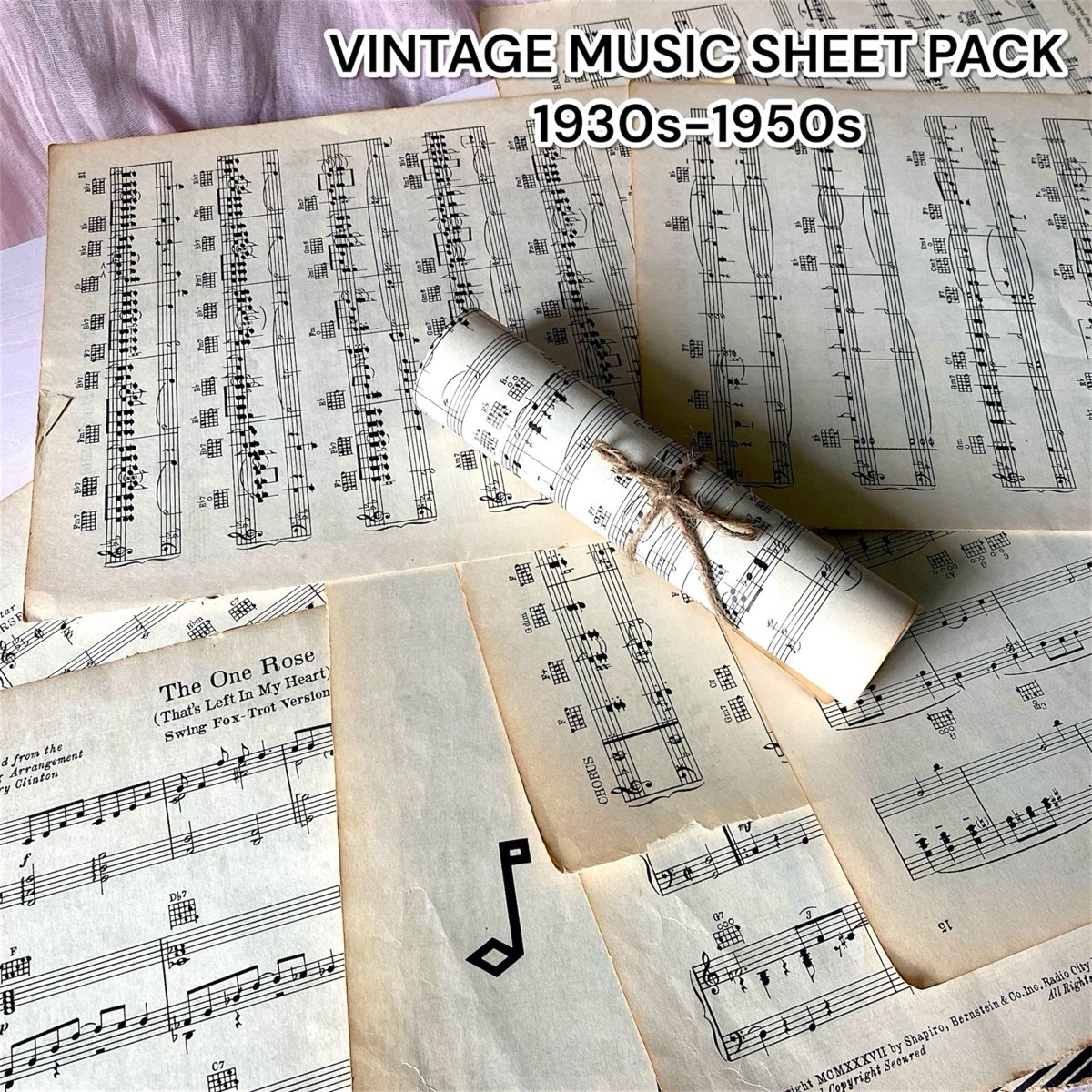 Vintage Sheet Music Paper Pages Lot for Junk Journals, Crafting & Collage 15pcs$10.99View on eBay
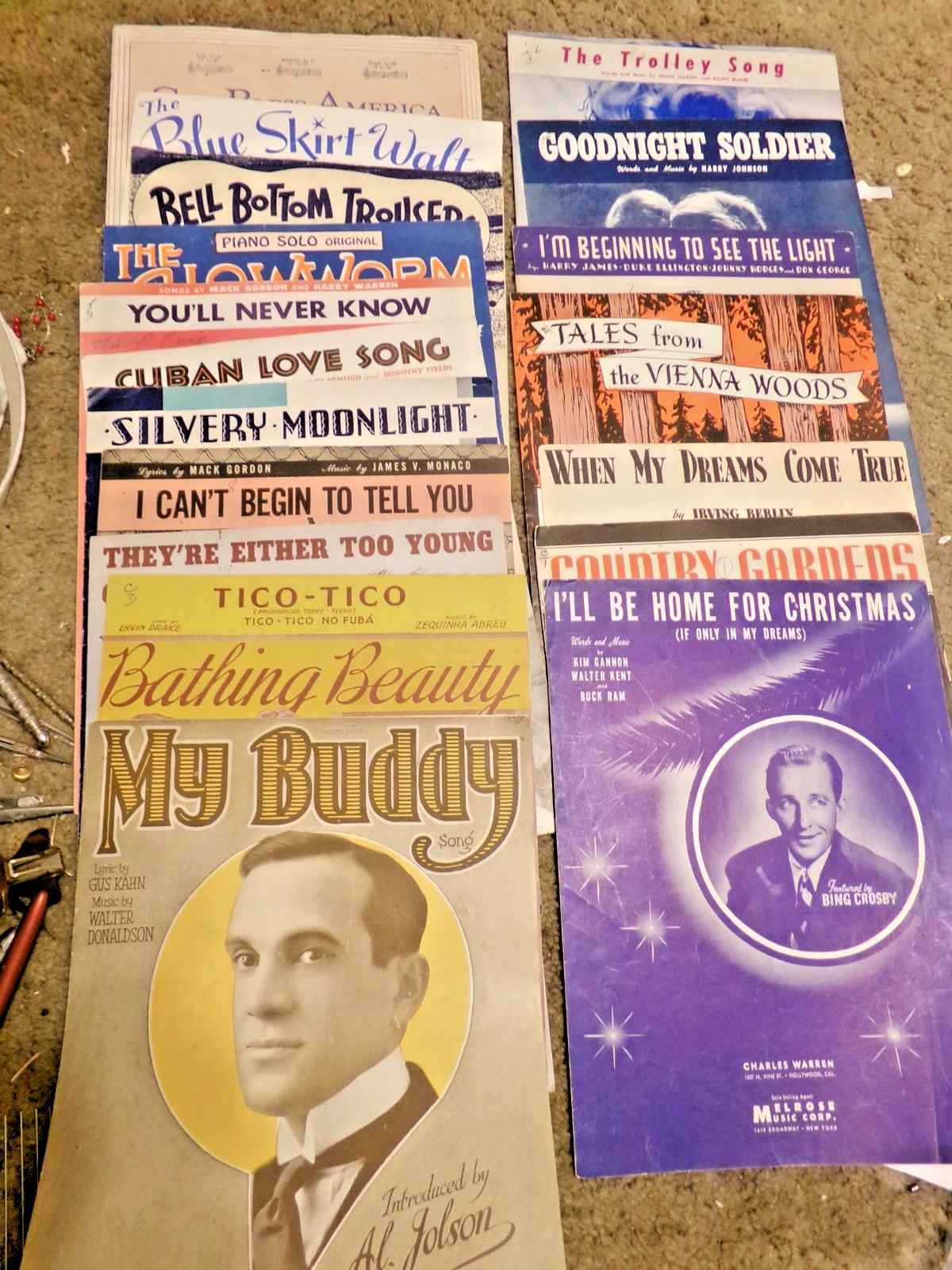 VINTAGE LOT 18 PIIIECES SHEET MUSIC AL JOHLSON BING CROSBY JUDY GARLAND ETC$10.99View on eBay
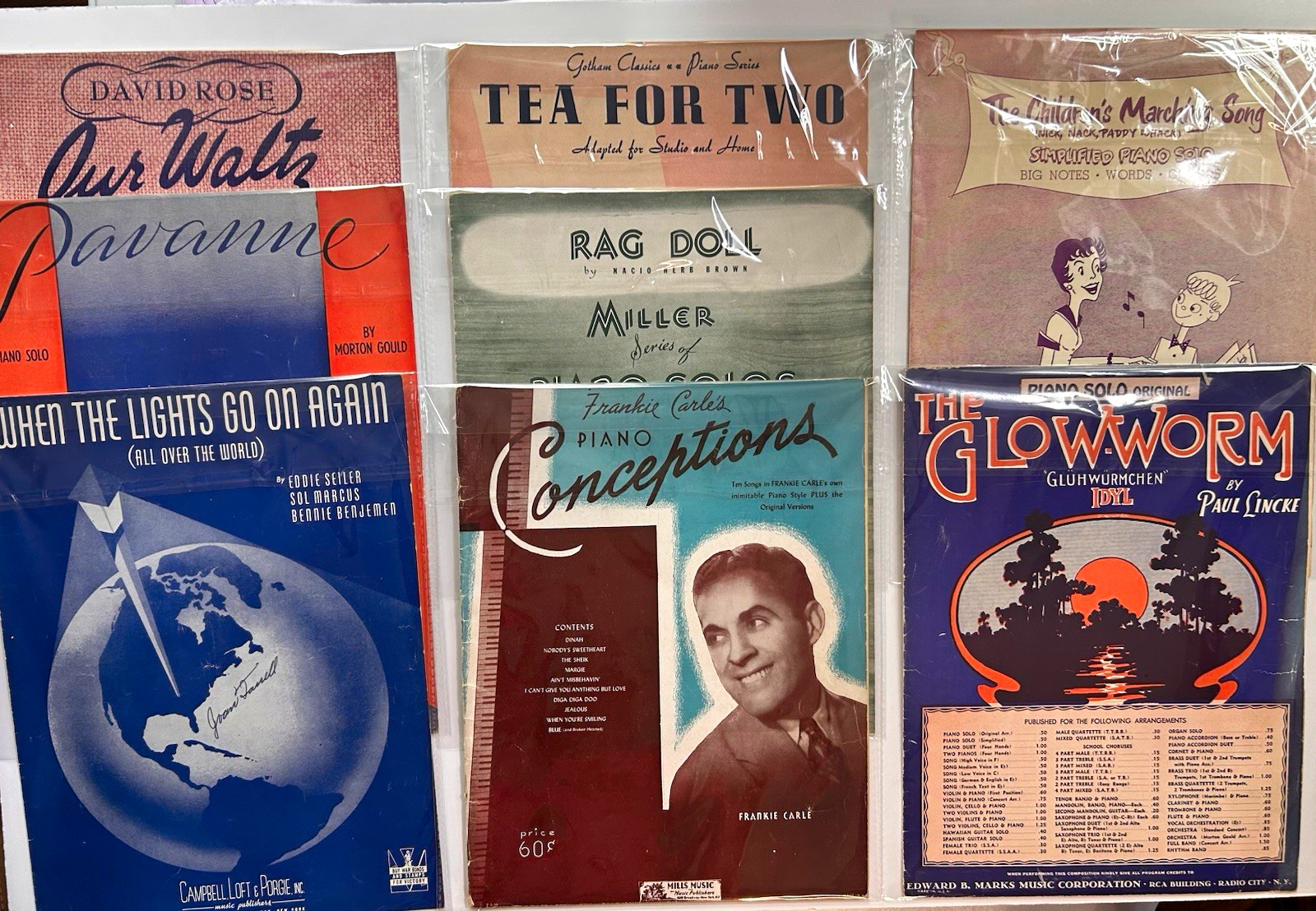 Vintage Sheet Music Lot 6 Piano Classics WWII 1940s Frankie Carle Rag Doll Glow-$11.00View on eBay
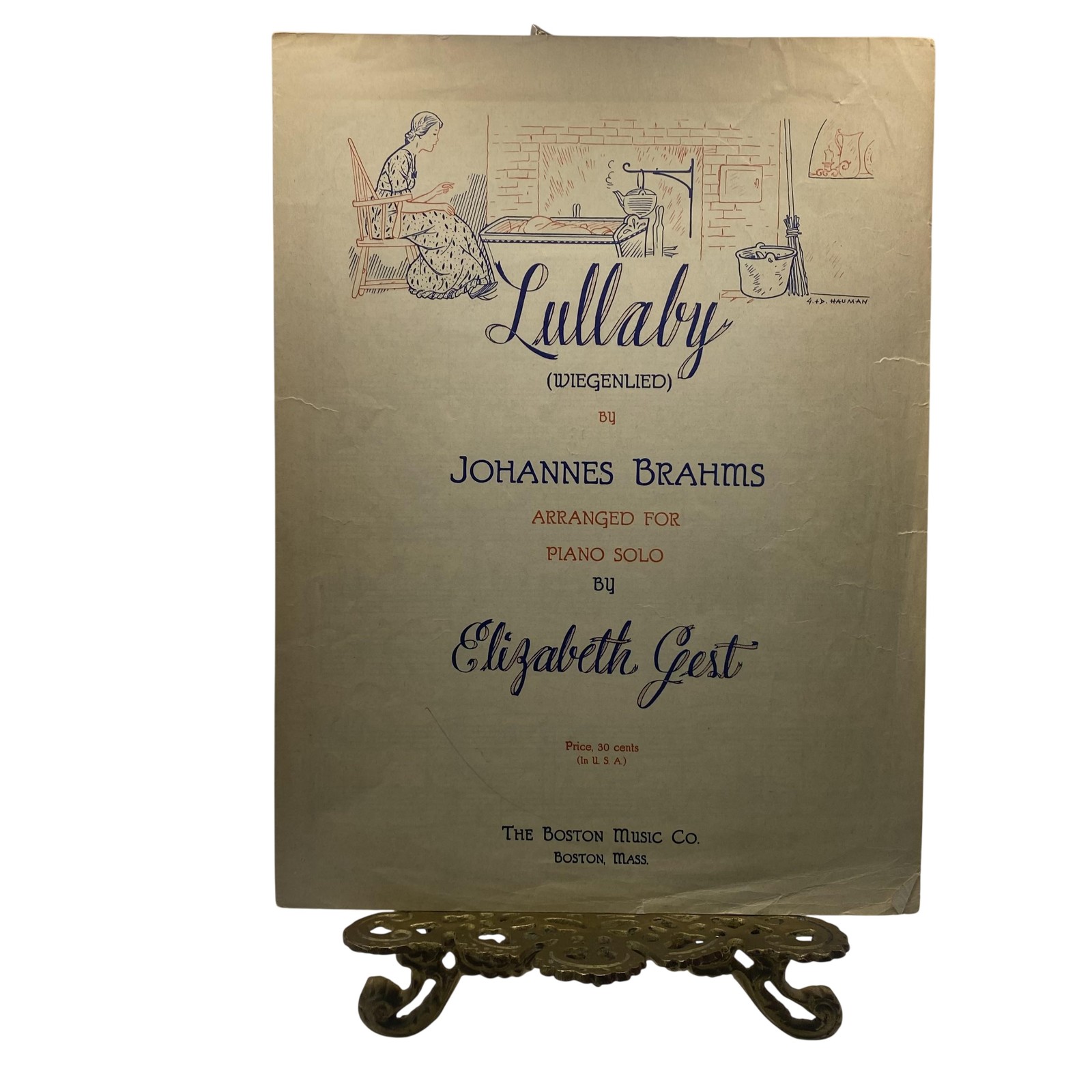 Vintage Boston Music Lullaby Brahms Elizabeth Gest Piano Sheet Music 1927 USA$11.12Last checked Nov 18, 2026View on eBay
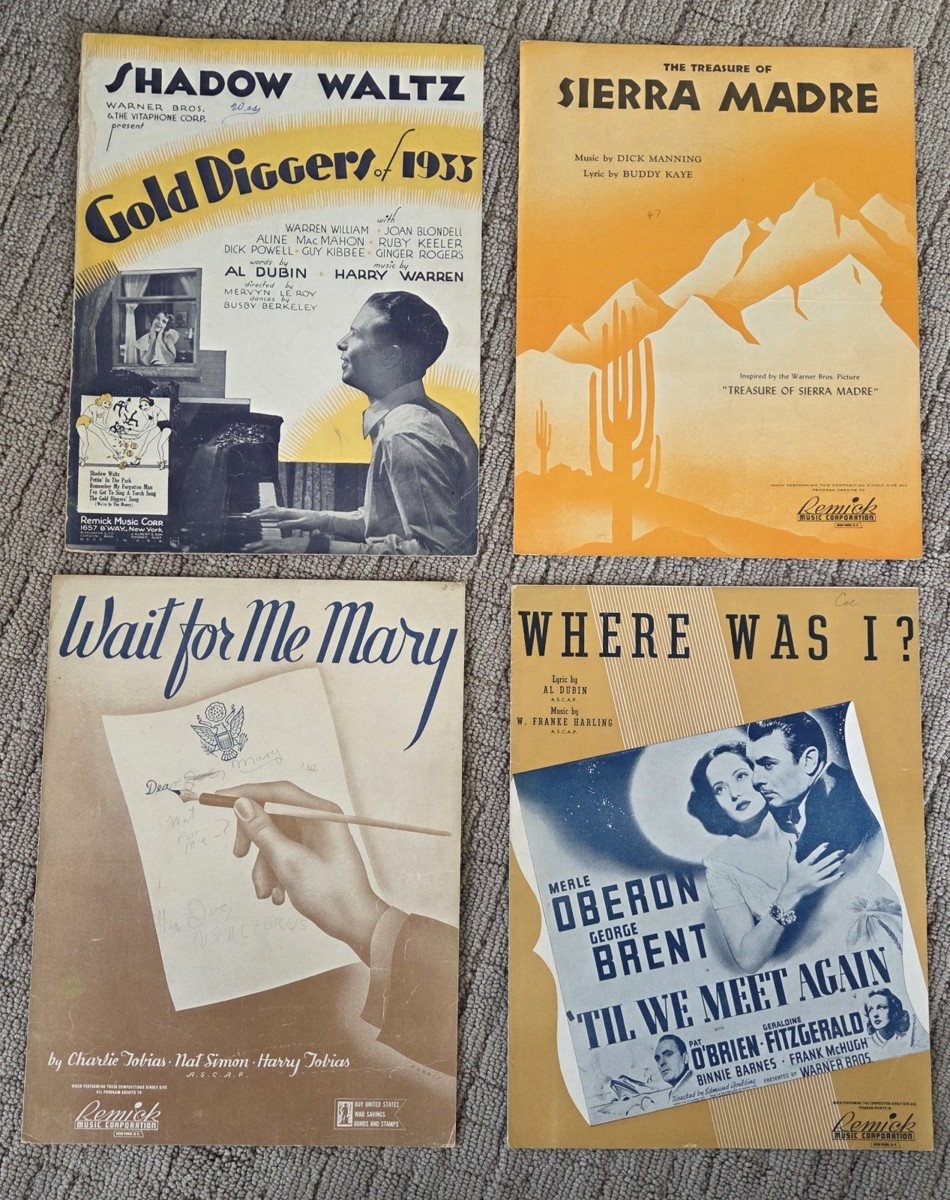 Vintage 1930s 1940s Sheet Music Remick Music Corporation Productions Lot Of 4$11.99View on eBay
Highlights
- Print era separates value: pre-1920s lithograph covers on rag paper outlast 1940s–50s high-acid pulp stock that browns and turns brittle.
- Cover art credits matter: illustrated covers signed by artists like Gene Buck or featuring movie tie-ins command premiums over plain typographic covers.
- First printings carry plate or copyright-year marks (e.g., 1930 Johnny Black 'Paper Doll' first issue) that distinguish them from later reprints.
- Physical format varies: single-sheet folios, multi-page piano/vocal scores, and bound folios differ in page count and completeness.
Best use cases
- Collecting scarce jazz-age and Tin Pan Alley titles: buy single, title-specific listings with clear copyright year and publisher imprint; skip mixed lots.
- Framing or decor for period rooms: buy 10–25 piece mixed lots by decade and accept browned edges; skip premium single sheets.
- Playing or arranging from period scores: buy clean, unmarked piano/vocal editions with complete pages; skip cover-only or trimmed items.
- Reselling or gifting: buy themed lots (show tunes, holiday, movie tie-ins) in bulk; skip torn or water-stained singles.
Buying tips
- Grade paper first: no tears, foxing, or water stains on the score pages, not just the cover — browned edges are acceptable for decor but not play.
- Confirm completeness: count pages against the printed page numbers; missing inner pages kill playable value even on scarce titles.
- Match copyright year to edition: a 1930 copyright with a 1950s reprint notice is a later printing, worth less than the original issue.
- For lots, expect 20–30% condition attrition; price bulk buys by usable piece count, not total piece count.
Specs
| Era | 1890s–1970s; pre-1920 rag paper |
|---|---|
| Paper Grade | Rag (pre-1920) vs high-acid pulp |
| Format | Single folio vs multi-page score |
| Condition Grade | Good: no tears/missing pages |
Related searches
What to check before buying
- Measure your frame or display area before buying lots — standard sheet music is roughly 9 x 12 in, but folios vary.
- Check storage climate: keep below 70°F and 50% relative humidity; acid paper embrittles faster in attics and garages.
- Confirm page count and whether the listing shows the full score or only the cover.
- For playable copies, verify key and arrangement (piano/vocal vs. simplified) matches your instrument.
FAQ
Data sources: eBay / Amazon listings and product attribute feeds. Updated Nov 26, 2026.
Some links on this page are affiliate links. If you buy after clicking one, we may earn a commission at no extra cost to you. This does not change which products appear here or their order. Affiliate disclosure.