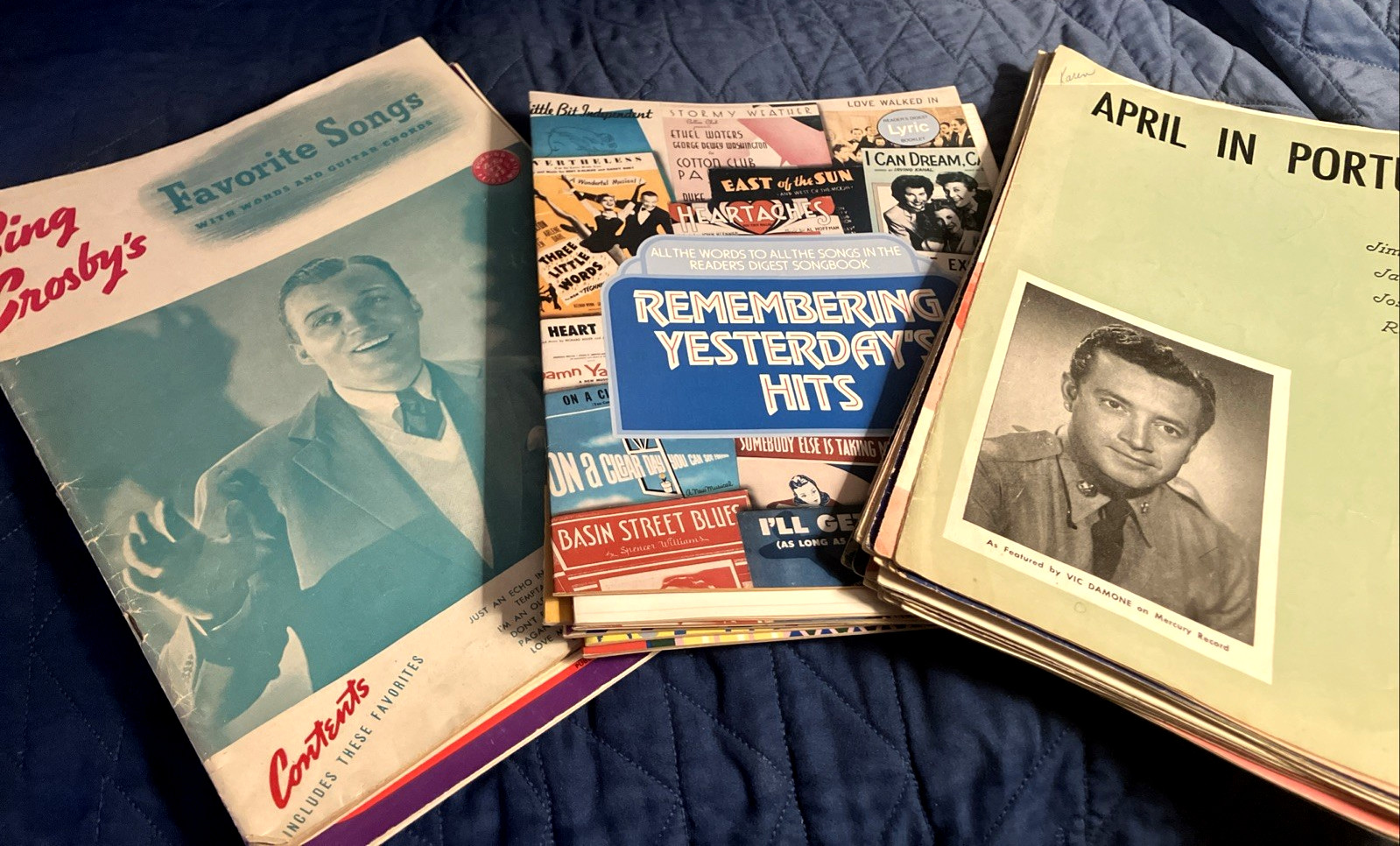

Photos from current listings. Actual item, color, and included accessories may vary.
Vocal Sheet Music Buying Guide
Vocal sheet music spans vintage sacred songs to modern piano/vocal/guitar anthologies, with the core trade-off between collectible paper quality and practical readability for performance. Durable options are printed on acid-free paper with sewn bindings, while compromises use newsprint-grade stock and glued spines that crack. The decision rule: buy vintage only for provenance and frameable art, and buy modern editions for actual singing and accompaniment.
At a glance
- Category
- Sheet Music
- Last updated
- Nov 26, 2026
Current offers
Highlights
- Binding determines longevity: sewn or spiral-bound books lie flat on a music stand, while perfect-bound (glued) spines crack and shed pages after repeated opening.
- Paper grade separates archival from disposable: acid-free, 60-90 lb offset stock resists yellowing and tearing, whereas vintage 1900s sheets on acidic pulp become brittle and chip at the folds.
- Piano/Vocal/Guitar (PVG) editions include full accompaniment and chord grids; piano/vocal only omits guitar frames, and lyrics-only sheets give no accompaniment.
- Vocal range and key matter more than cover art: art-song and musical-theatre sheets are printed in the original key, so check the vocal range (e.g., soprano to F5) before buying.
Best use cases
- Best fit: a singer rehearsing art song or musical theatre should pick a modern PVG or piano/vocal edition with sewn binding in the original key—skip brittle vintage single sheets.
- Best fit: a collector or decorator should buy vintage 1900-1940 sacred and parlour songs for cover lithography and provenance—skip them for active performance use.
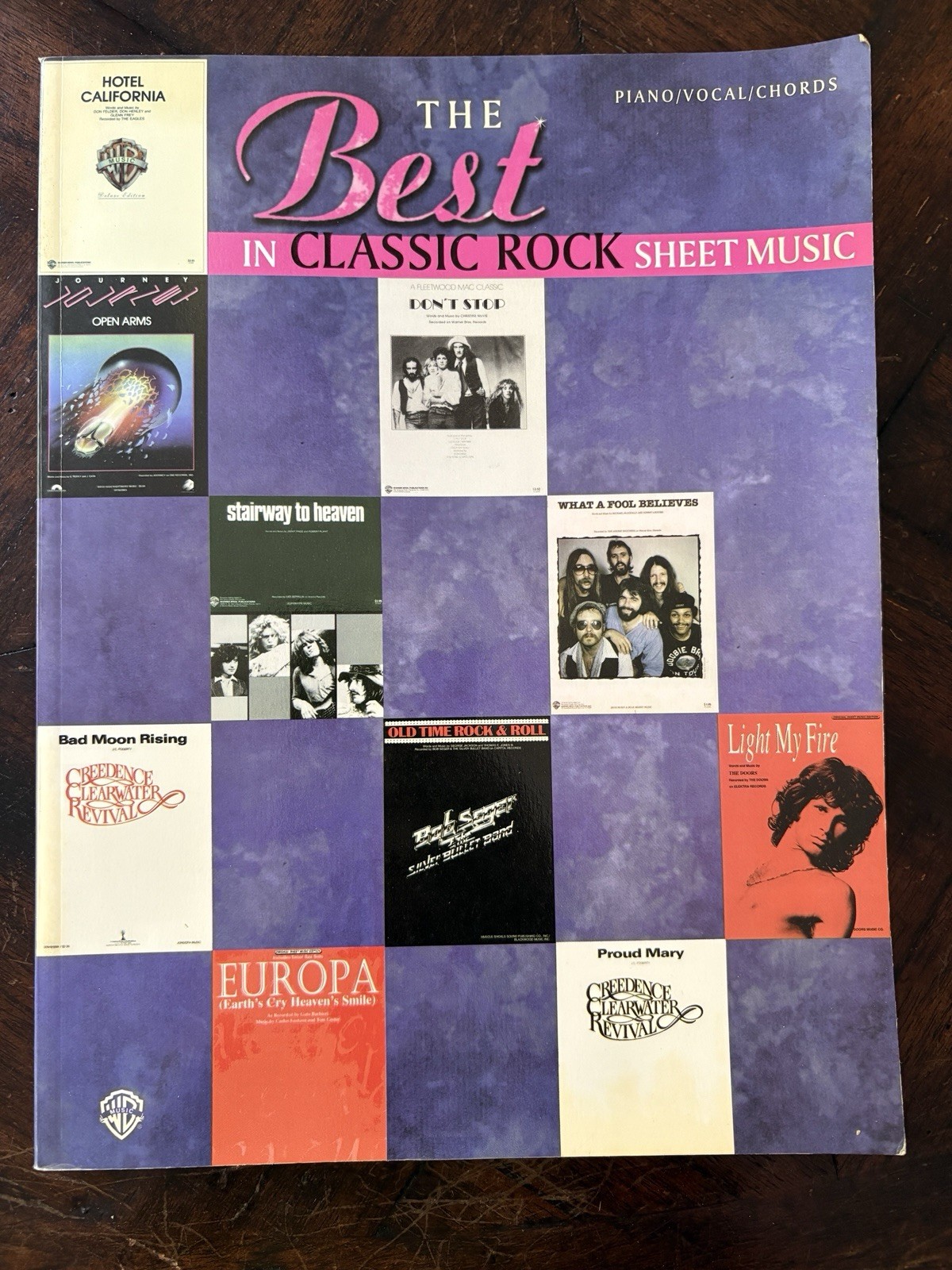
- Best fit: a rock/pop pianist-vocalist should choose Hal Leonard-style anthologies (e.g., The Who, CSNY, BTO) with chord grids and full arrangements—skip lyrics-only lots.
- Wrong fit: buying a mixed lot of 30+ single songs for one specific audition piece—instead buy the single authoritative edition in the correct key and range.
Buying tips
- Check the binding before the title: sewn or comb-bound books survive weekly rehearsal; glued perfect-bound books are for shelf reference only.
- Confirm the arrangement code—PVG includes guitar chord frames and piano accompaniment; piano/vocal omits guitar; vocal score is the full choral/orchestral reduction.
- Match the printed key and vocal range to the singer: a song in the original key may sit a third too high or low, so verify the range printed on the first page.
- For vintage sheets, inspect fold-line condition and page count—single 1900s sheets are often 4-6 pages, and missing inner pages make them unusable for performance.
Specs
| Binding Type | Sewn / Spiral / Perfect-bound |
|---|---|
| Arrangement | PVG / Piano-Vocal / Vocal Score |
| Paper Grade | Acid-free 60-90 lb vs acidic pulp |
| Sheet Size | 9 x 12 in standard |
Related searches
What to check before buying
- Measure your music stand or piano desk width: standard sheets are 9 x 12 in, while some anthologies exceed 12 in and overhang smaller stands.
- Confirm the binding style matches your use—spiral or sewn for performance, glued for reference—before choosing a tier.
- For vintage paper, check for acid migration, foxing, and brittle folds; store away from direct sunlight and humidity above 50% RH.
- Verify the edition includes the vocal line, accompaniment, and chord symbols you need; lyrics-only sheets require a separate accompaniment source.
FAQ
Data sources: eBay / Amazon listings and product attribute feeds. Updated Nov 26, 2026.
Some links on this page are affiliate links. If you buy after clicking one, we may earn a commission at no extra cost to you. This does not change which products appear here or their order. Affiliate disclosure.