Choosing a political-history book often comes down to a simple question: do you want a narrowly framed argument you can take straight into current discussions about power and the past, or a broader general-history read? *Erasing History: How Fascists Rewrite the Past to Control the Future* makes its focus clear in the title, positioning Jason Stanley's book around the relationship between historical revision and political control.
Quick verdict
Choose *Erasing History* if the title's direct focus on how fascists rewrite the past is what you want from your next nonfiction read. The listed edition is a Like New hardcover at USD 13.58, which suits readers who prefer a durable physical format and want a book that sits at the intersection of political science, social science, and history.
The meaningful caveat is condition-specific rather than editorial: the copy has a red or black remainder mark on the bottom or exterior edge of the pages. For a reader chiefly interested in the text and hardcover format, that may be an acceptable cosmetic detail. For someone collecting pristine copies, it is a reason to look elsewhere.
Who it suits
This book is a natural fit for readers who want a concentrated, issue-led work rather than a title with a broad or neutral-sounding historical scope. The phrase "How Fascists Rewrite the Past to Control the Future" signals a book organized around a particular political and historical concern, so it may be especially relevant for discussion groups, classroom-adjacent reading, or anyone building a nonfiction shelf on democracy, authoritarianism, and public memory.
It also fits hardcover readers who appreciate a substantial physical edition. The format is explicitly listed as hardcover, while the Like New condition points to a copy intended for reading rather than a visibly worn everyday edition.
What stands out
The strongest reason to choose Jason Stanley's *Erasing History* is clarity of purpose. Rather than asking readers to infer its subject from a vague subtitle, the book names its core subject plainly: the rewriting of the past and its role in controlling the future. That makes it easier to decide whether the topic matches your interests before committing to it.
Its genre placement adds useful context. With political science, social science, and history all attached to the edition, the book is positioned for readers who prefer historical questions examined through political and social lenses, not solely as a chronological account.
Erasing History: How Fascists Rewrite the Past to Control the Future, Stanley, J
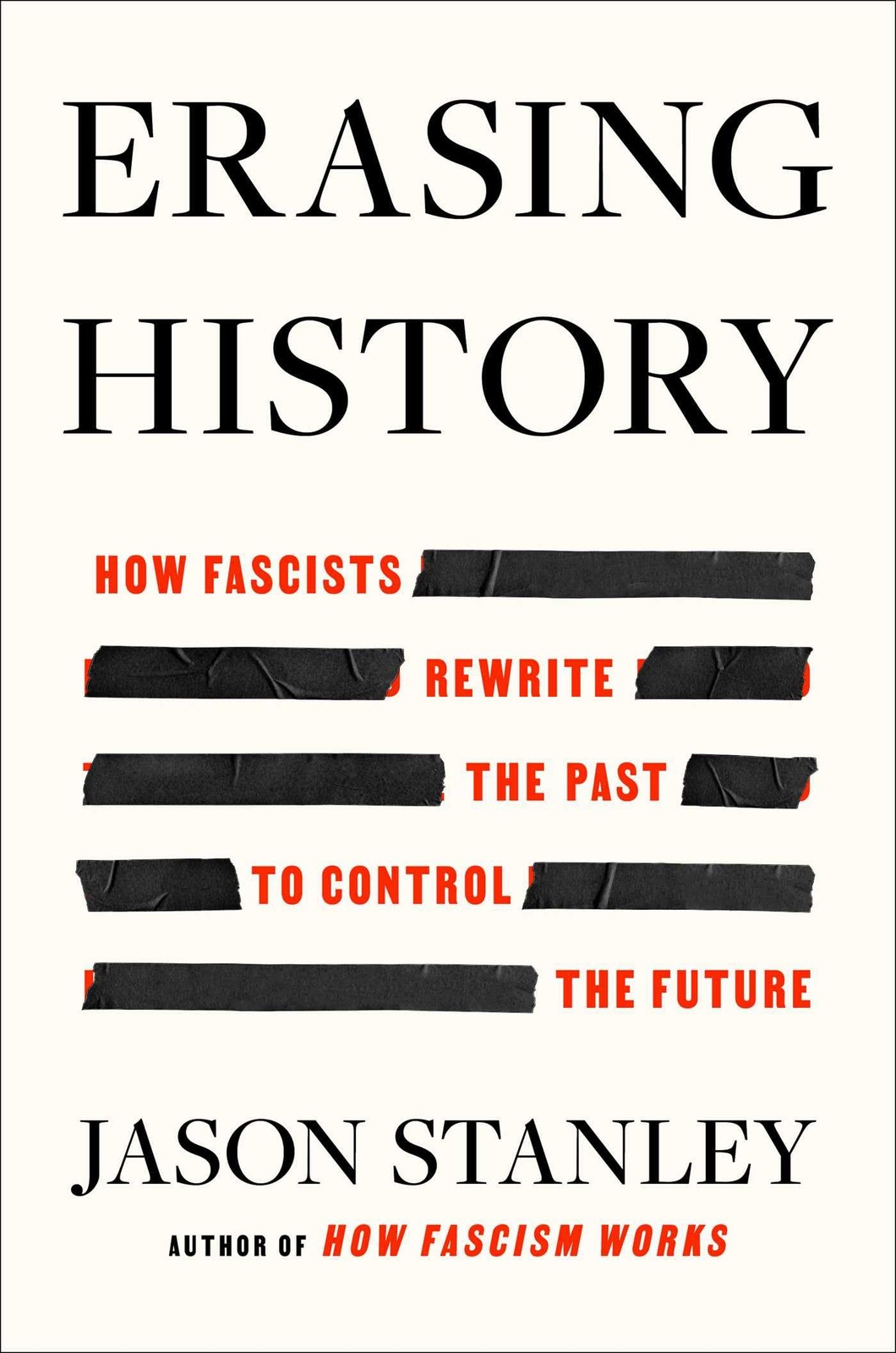
Pick this edition for the combination of Jason Stanley's named authorship, hardcover format, Like New condition, and a focused subject that is stated directly in the title. The trade-off is the red or black remainder mark on the page edge, which can matter if exterior appearance is a priority.
Meaningful trade-offs
The hardcover format can be appealing for a home library or repeated reference, but it is also the only listed format here, so readers specifically seeking another format should not assume one from this edition. More importantly, the book's pointed framing is a feature for readers seeking a defined argument and a limitation for readers who want a general survey of history without that stated focus.
The condition language is favorable overall, yet the remainder mark is worth weighing against your preferences. It does not change the book's subject, author, or hardcover format, but it does distinguish this copy's physical presentation.
Bottom line
At USD 13.58, *Erasing History: How Fascists Rewrite the Past to Control the Future* is a focused Like New hardcover choice for readers drawn to Jason Stanley's stated examination of fascism, historical rewriting, and political control. Choose it for the specific subject and physical format; pass if an unmarked exterior is essential to your bookshelf.