Shopping for vinyl records can sometimes lead to adjacent collectibles that matter more for the story behind recorded music than for playback. FRED GAISBERG Autobiography 1943 Music on Record THE MUSIC GOES ROUND Berliner is one of those choices: a used English-language book for readers interested in early recording history, not a record to put on a turntable.
Quick verdict
Choose this 1943 first U.S. edition if your collection includes books about the people who shaped the earliest commercial recordings. Fred Gaisberg's autobiographical subject matter centers on the formative gramophone world, including talent scouting and encouraging performers to make recordings. At USD 94.99, it makes the most sense for a collector who specifically wants a historical book connected to classical and early recorded music.
The central trade-off is straightforward: its listed format is Book. Buyers looking for a 78 RPM disc, a vinyl LP, or music to play should pass, while readers building context around an audio collection may find the format to be the point.
Who it suits
This title fits a reader who enjoys the personalities and industry beginnings behind old recordings. The connection to Frederick William Gaisberg gives the book a clear focus: the perspective of an early recording engineer and classical-music figure rather than a broad, modern overview of record collecting.
It is also a sensible pick for someone drawn to 1940s publishing and earlier gramophone culture. The description identifies it as the first U.S. edition from 1943 and notes that the work later appeared in London under the title *Music on Record*. That dual naming helps explain why both *The Music Goes Round* and *Music on Record* appear around the book's identification.
What stands out
The appeal is specificity. Rather than serving as a general music reference, the book is tied to Gaisberg's own career and the early efforts to bring performers into the recording process. For collectors interested in classical recordings, that direct link gives the volume a natural place beside discs, catalogs, and artist biographies.
Its English-language format also makes it a practical reading collectible for English-speaking shoppers who want historical context without shifting into a foreign-language edition.
Meaningful trade-offs
The copy is listed as Used, so it is best approached as a pre-owned collectible rather than a new reading copy. The price also places the decision on the collector side of the category: the book's strongest case is its 1943 U.S. edition status and Gaisberg-centered subject, not casual reading alone.
Because the item is a book, it will not add a playable recording to a vinyl or shellac library. Its role is to deepen the background around early gramophone and classical-record history.
FRED GAISBERG Autobiography 1943 Music on Record THE MUSIC GOES ROUND Berliner
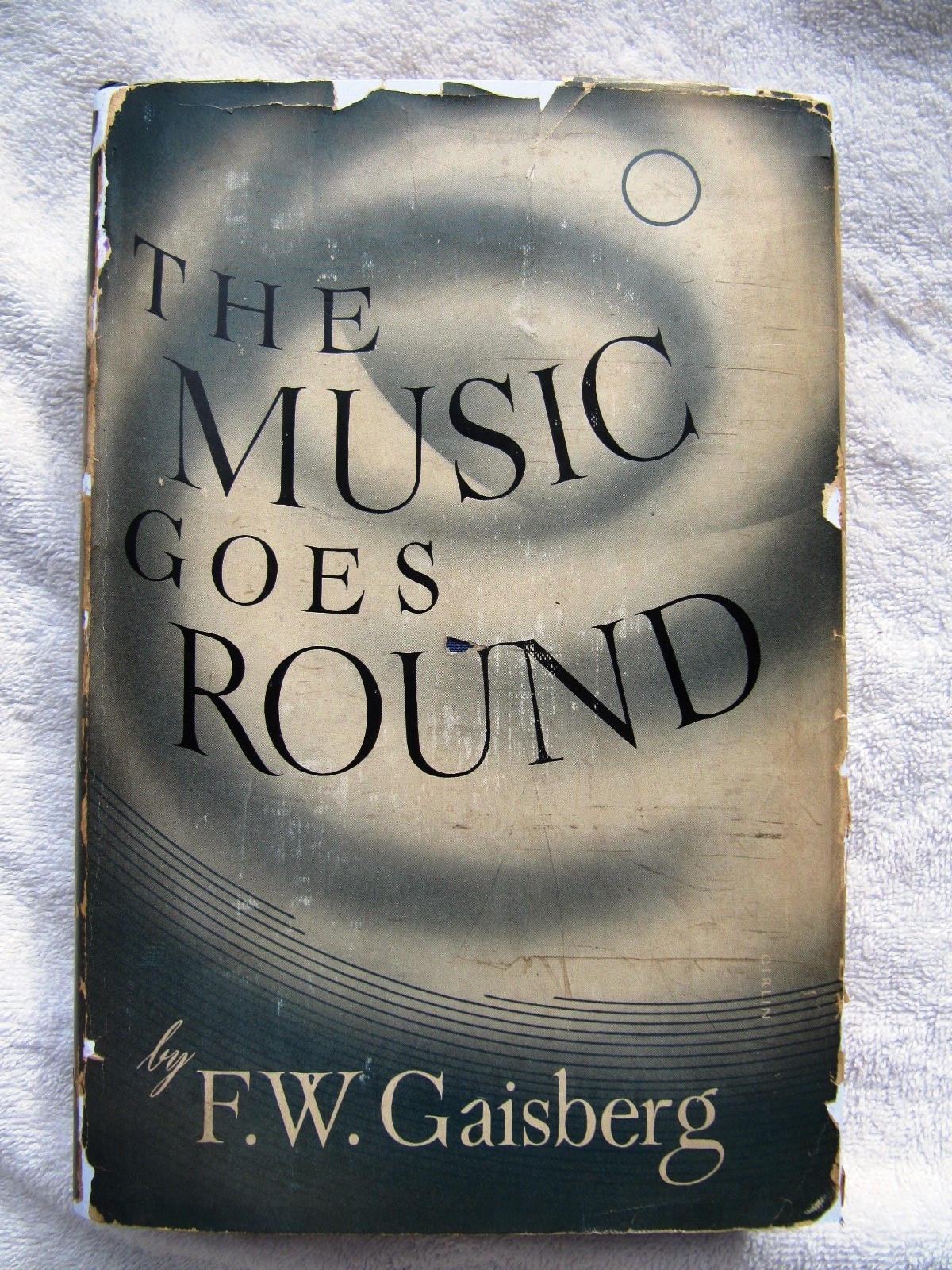
Pick this used 1943 U.S. edition for a focused autobiographical window into Fred Gaisberg and the early recording world. Its limitation is equally concrete: it is a book, so record collectors seeking a disc rather than historical reading material will want a different kind of collectible.
Bottom line
For the right shopper, this is a specialized music-history acquisition: a Fred Gaisberg autobiography with a clear early-recording connection and a place in a collection built around the culture of recorded sound. It is most compelling when the goal is understanding the gramophone era, not expanding the playable-record shelf.