When the label on the shelf says "magazines textbooks reference," the books underneath can look like they belong in different stores. One is a historical survey of religious periodicals, another covers American literary magazines of the eighteenth and nineteenth centuries, a third is a practical guide for nonprofit publishers, and the fourth is a biology textbook. The decision problem isn't which is best in general-it's which type of reference work matches the project you actually have in front of you.
Quick take
Here's the quick read: If you're producing newsletters or magazines for a nonprofit, the practical how-to guide is the obvious starting point. If you need a scholarly survey of early American literary magazines, the Edward E. Chielens reference is the one to open. If religious periodicals in the United States are your research focus, the Fackler and Lippy volume belongs on your shortlist. If you're shopping for a biology course text, the Conceptual Academy Biology book by Jennifer Yeh is the one to consider.
Listed price comparison
The four titles span a wide listed-price range, from the practical publishing guide at the low end to the two historical magazine surveys at the high end.
| Title | Listed Price | Price Bar |
|---|---|---|
| Every Nonprofit's Guide to Publishing: Creating Newsletters, Magazines | USD 7.99 | |
| Conceptual Academy Biology | USD 25.00 | |
| Popular Religious Magazines of the United States ed Fackler and Lippy 1995 | USD 32.59 | |
| American Literary Magazines: The Eighteenth and Nineteenth | USD 52.95 |
Decision matrix
Use the table below to match each title to a typical shopping scenario.
| Product | Best For | Format | Condition |
|---|---|---|---|
| Every Nonprofit's Guide to Publishing | Nonprofit publishers creating newsletters and magazines | Paperback | Good |
| Conceptual Academy Biology | Biology students or self-studiers needing a course text | Hardcover | Like New |
| Popular Religious Magazines of the United States | Researchers of American religious periodicals | Hardcover | Good |
| American Literary Magazines: The Eighteenth and Nineteenth | Scholars of early American literary magazines | Hardcover | Brand New |
Product notes
Popular Religious Magazines of the United States
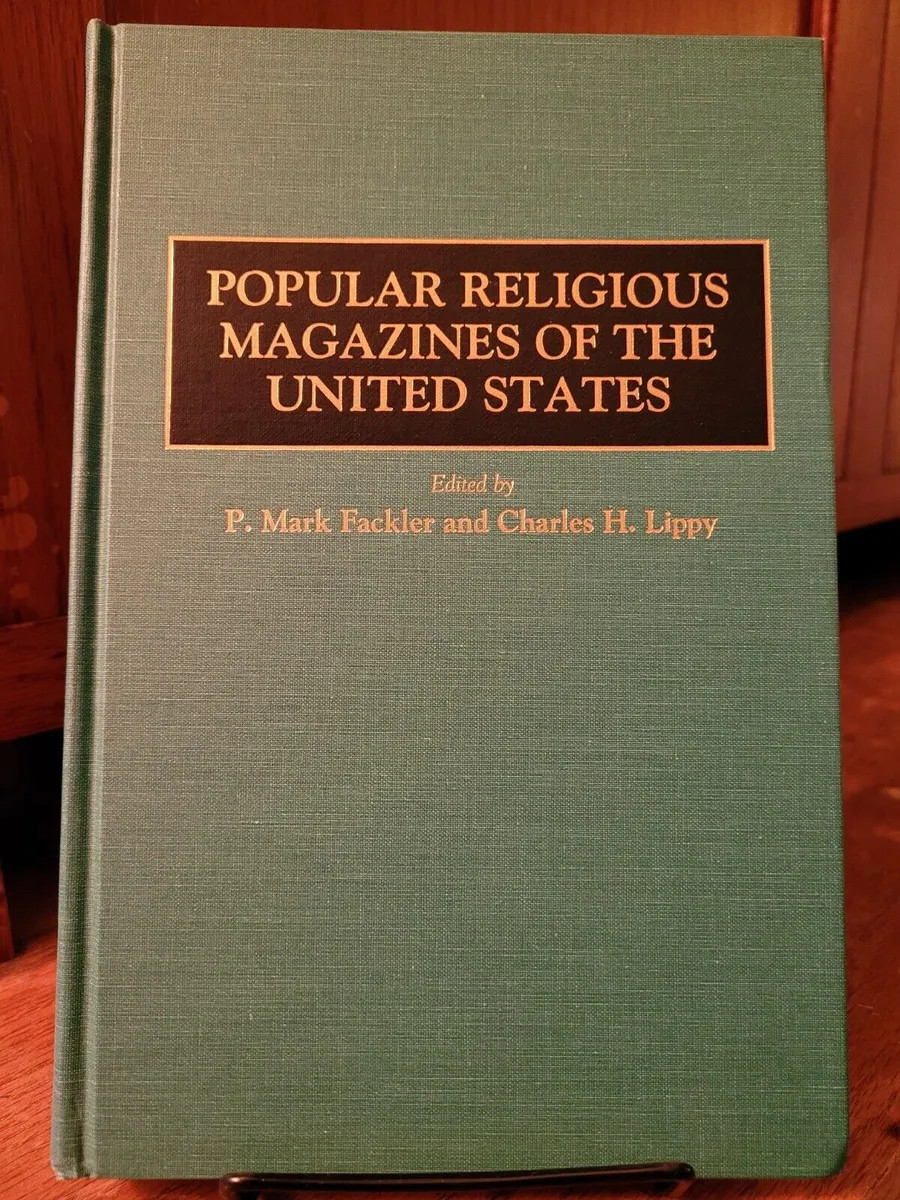
This first-edition hardcover, edited by Mark Fackler and Charles H. Lippy, surveys American religious periodicals and was published in 1995. The condition description says pages are clean and tight to the binding, with no underlining or highlighting, though the spine has some curvature at the top and a small smudge sits on the bottom corner of the text block. For a reader researching the role of religious magazines in U.S. history, the adult-education-level presentation and reference-style organization make it a reasonable companion. The main limitation is condition: a used hardcover with visible wear is not the right choice if you want a pristine collectible copy. Its first-edition status is the kind of detail bibliographic researchers may care about.
American Literary Magazines: The Eighteenth and Nineteenth

Edward E. Chielens compiled this hardcover reference for readers tracking American literary magazines from the eighteenth and nineteenth centuries. It arrives as a brand-new, unread copy, which makes it the cleanest collectible option here. The genre is listed as REFERENCE, so expect a scholarly rather than casual read; the description points to gift-giving condition, supporting its role as a library-quality addition. The limitation is scope: if your interest is practical magazine production or biology study, a historical survey of early American literature won't serve that need. But for a reader focused on this specific period, the combination of hardcover format and unread condition is compelling.
Every Nonprofit's Guide to Publishing: Creating Newsletters, Magazines
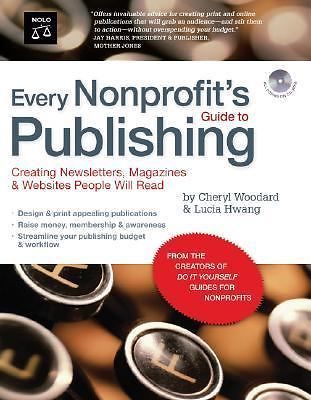
This revised trade paperback by Cheryl Woodard and Lucia Hwang is the only title in the group aimed squarely at practitioners. The book covers creating newsletters, magazines, and websites people will read, and the description notes that pages can contain highlighting and the spine may show signs of wear, so it's a working copy rather than a collectible. The practical orientation is the reason to choose it: it targets the actual work of publishing rather than the history of magazines. The limitation is the same wear-and-tear caveat-if you need a clean reference shelf copy, this one may not deliver that. The trade paperback format suits its role as a flip-through desktop guide for a nonprofit communications team.
Conceptual Academy Biology
This title is presented under a long category string-Books & Magazines, Textbooks, Education & Reference, Science & Medicine, Biology-and the description points to Conceptual Academy Biology by Jennifer Yeh. It's a hardcover textbook in like-new condition, with the description indicating no writing or damage. The reason to choose it is subject fit: this is the only science textbook in the group, so it serves a completely different purpose than the magazine and publishing titles. The limitation is that the long category-style title makes the book less immediately recognizable; the author and subject details are what clarify what the book actually is.
Final recommendation by use case
- For a nonprofit communications team or volunteer creating newsletters and magazines: Every Nonprofit's Guide to Publishing is the practical starting point at USD 7.99, the smallest listed price in the group.
- For a student or self-studier needing a biology text: Conceptual Academy Biology at USD 25.00 is the only science textbook among these four.
- For research on American religious periodicals: Popular Religious Magazines of the United States at USD 32.59 combines first-edition status with clean, unmarked pages.
- For a scholarly collection focused on early American magazines: American Literary Magazines: The Eighteenth and Nineteenth at USD 52.95 surveys American literary magazines of that period.
If your shelf can only hold one of these, start with the one that matches your everyday task rather than the highest-priced title. The $7.99 to $52.95 spread shows how much scope and format can vary across a single reference category.