Choosing among vinyl records can sometimes mean deciding whether you want music to play or a deeper way to think about the medium itself. *The Recording Angel: Experience of Music from Aristotle to Frank Zappa* belongs firmly in the second camp: it is a used paperback about recorded music, not a vinyl release.
Quick verdict
At USD 14.99, *The Recording Angel* suits a reader interested in the cultural consequences of recording technology and in the long arc of music listening, from early ideas about music through Frank Zappa. Its central appeal is the focus on the phonograph and related technologies as forces that changed culture. Choose it for music criticism and media history; pass if the goal is a record for turntable listening.
Who it suits
This paperback makes the most sense for collectors and music fans who enjoy putting a record collection in historical context. The scope signaled by "from Aristotle to Frank Zappa" suggests an interest in ideas around music as well as particular artists or albums. Readers drawn to questions about how recordings alter listening habits, ownership, and musical culture have a clear reason to pick it up.
It is less suited to someone building a jazz listening library, despite the Jazz genre tag. The confirmed format is Book, so it should be chosen as reading material rather than as a jazz record or a 78 RPM disc.
What stands out
The book's subject is unusually direct for a music shelf: the phonograph is not treated as background equipment, but as a cultural turning point. That gives *The Recording Angel* a broader lens than an artist biography or an album guide. The description also points to an afterword that considers digital technology and file trading, extending the discussion beyond analog playback.
The result is a potentially engaging match for a reader who likes connecting vinyl records to the wider history of recorded sound. Rather than concentrating on collecting tips or discographies, the book frames recording as something that can reshape the experience of music itself.
Meaningful trade-offs
The biggest trade-off is format. A paperback can complement a vinyl collection, but it cannot fill the role of a playable album. The used condition is another practical consideration for shoppers who prefer a newly printed copy.
Its wide historical and cultural framing may also be a trade-off for readers seeking a narrow guide to Frank Zappa, jazz, turntable setup, or record grading. The title promises a journey across a large span of musical thought and recorded sound, not a focused artist study.
The Recording Angel: Experience of Music from Aristotle to Frank Zappa Eisenberg
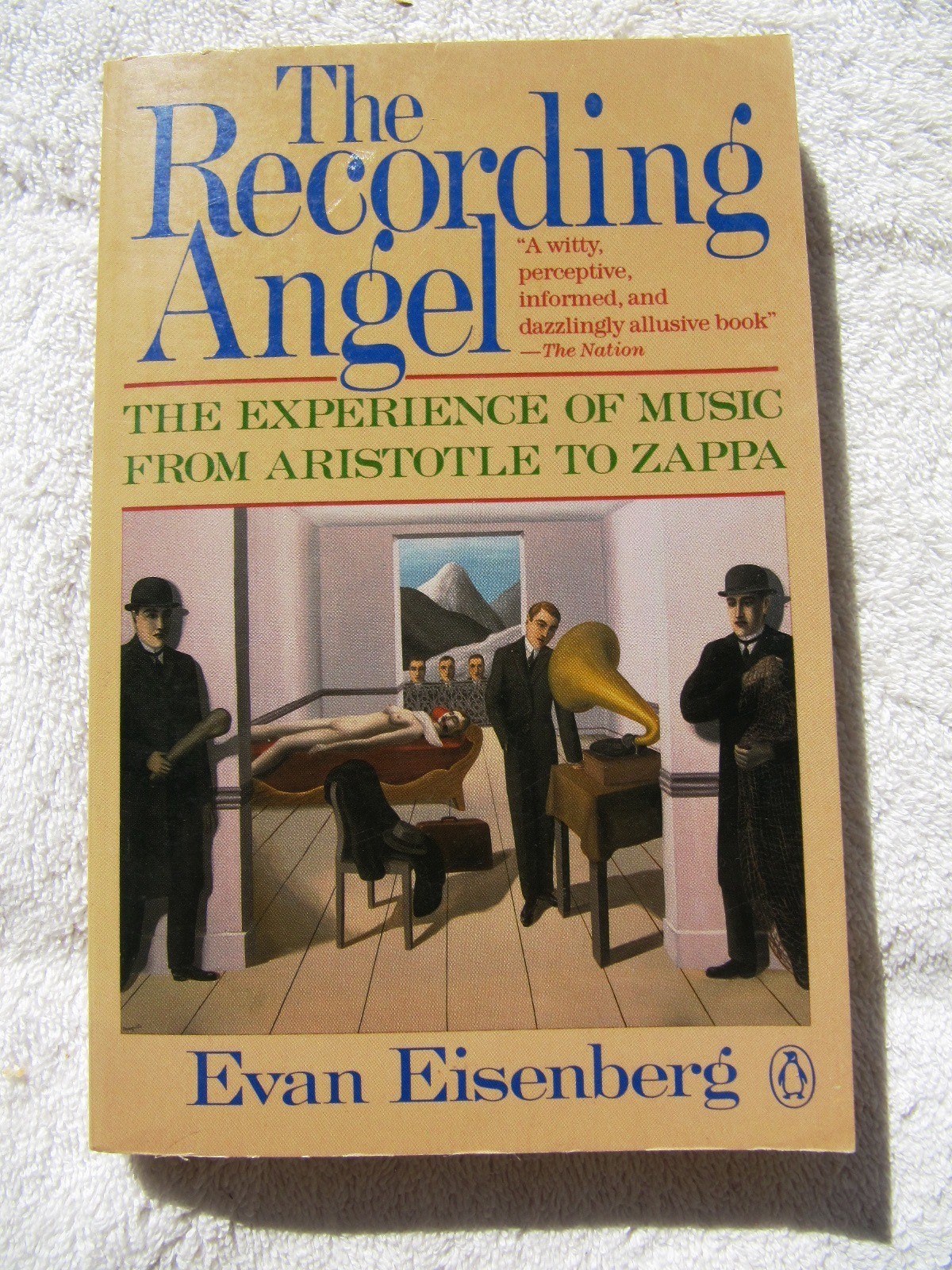
Choose this used paperback for its focused exploration of how the phonograph and related technologies transformed music culture. Its limitation is equally clear: at USD 14.99, it is a book rather than a vinyl record, so it is best treated as a companion to listening rather than the listening experience itself.
Bottom line
*The Recording Angel* is a strong fit when the aim is to understand why recorded music matters culturally, not simply to acquire another disc. For vinyl record fans who enjoy the ideas behind the format, its paperback approach offers a thoughtful shelf companion.