
Photos from current listings. Actual item, color, and included accessories may vary.
Antique Bible Buying Guide
Antique Bibles are pre-1900 (often pre-1800) printed Scriptures whose value hinges on edition authenticity, complete pagination, and original binding rather than decorative age alone. The core trade-off is between genuine period artifacts with intact collation and rebound or facsimile copies that look old but carry little collectible value. The decision rule: buy only from sellers who document the title page, collation (all pages/plates present), and binding structure with dated provenance—skip listings that show only covers or use 'vintage-style' language with no edition data.
At a glance
- Category
- Antiquarian & Collectible Books
- Last updated
- Nov 26, 2026
Current offers
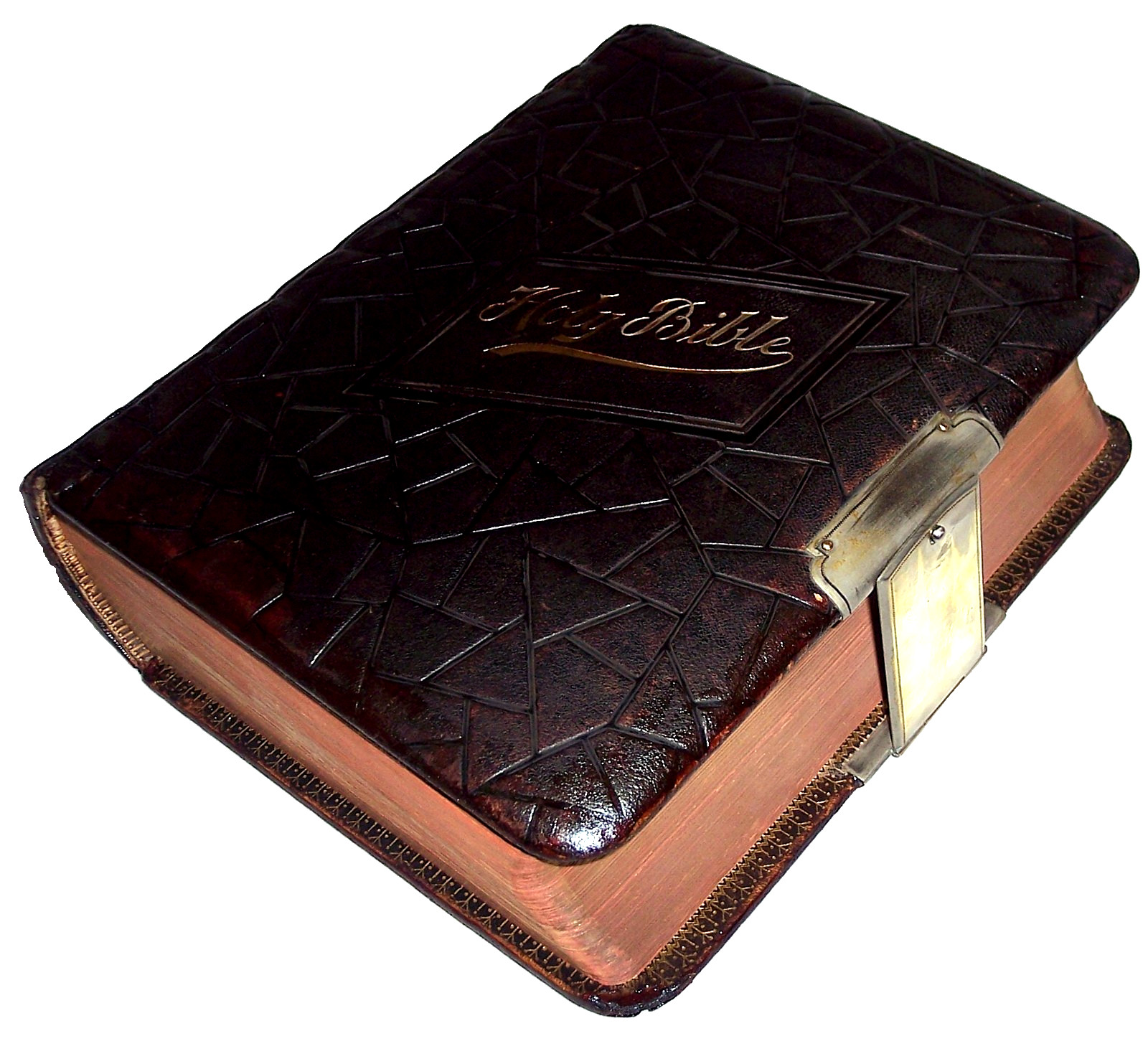 Antique c.1885 Clasp Family Bible Concordance Parallel Col. Stewart Braudero #64$219.99Last checked Nov 21, 2026View on eBay
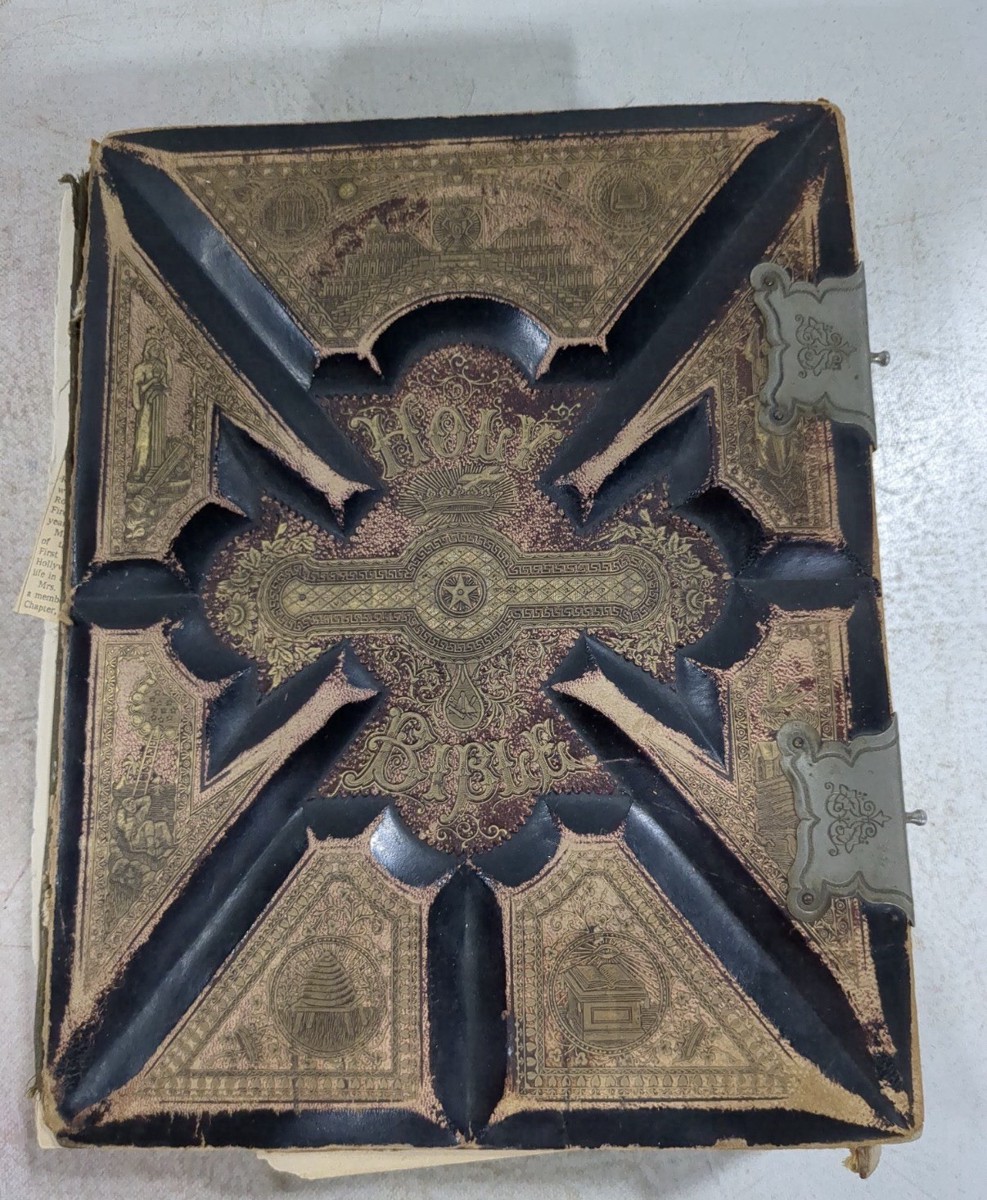 Antique Victorian Holy Bible Leather Bound Metal Cross Clasps 1892 Repairs Resto$249.99Last checked Nov 21, 2026View on eBay
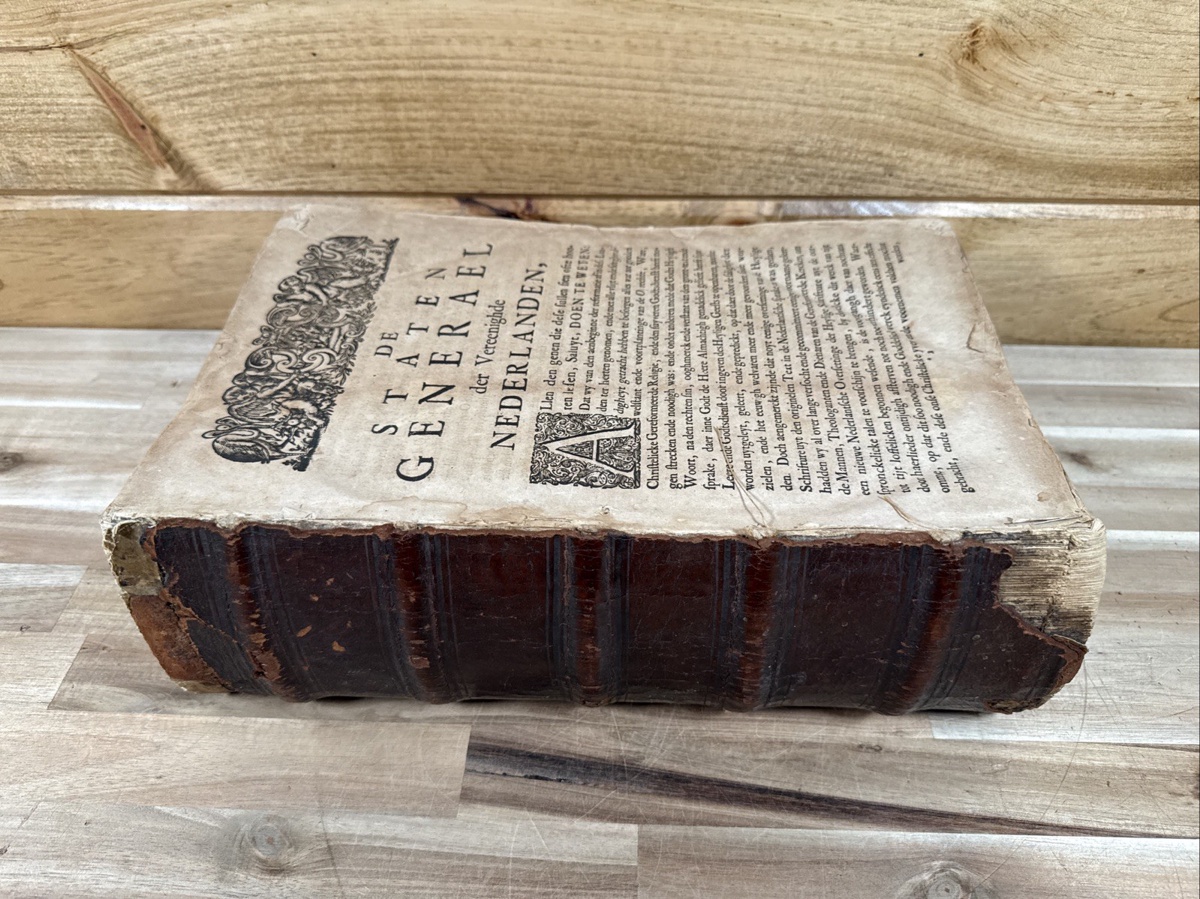 1736 HOLY BIBLE dutch ILLUSTRATED rare FOLIO leather ANTIQUE old KEUR$250.00Last checked Nov 21, 2026View on eBay
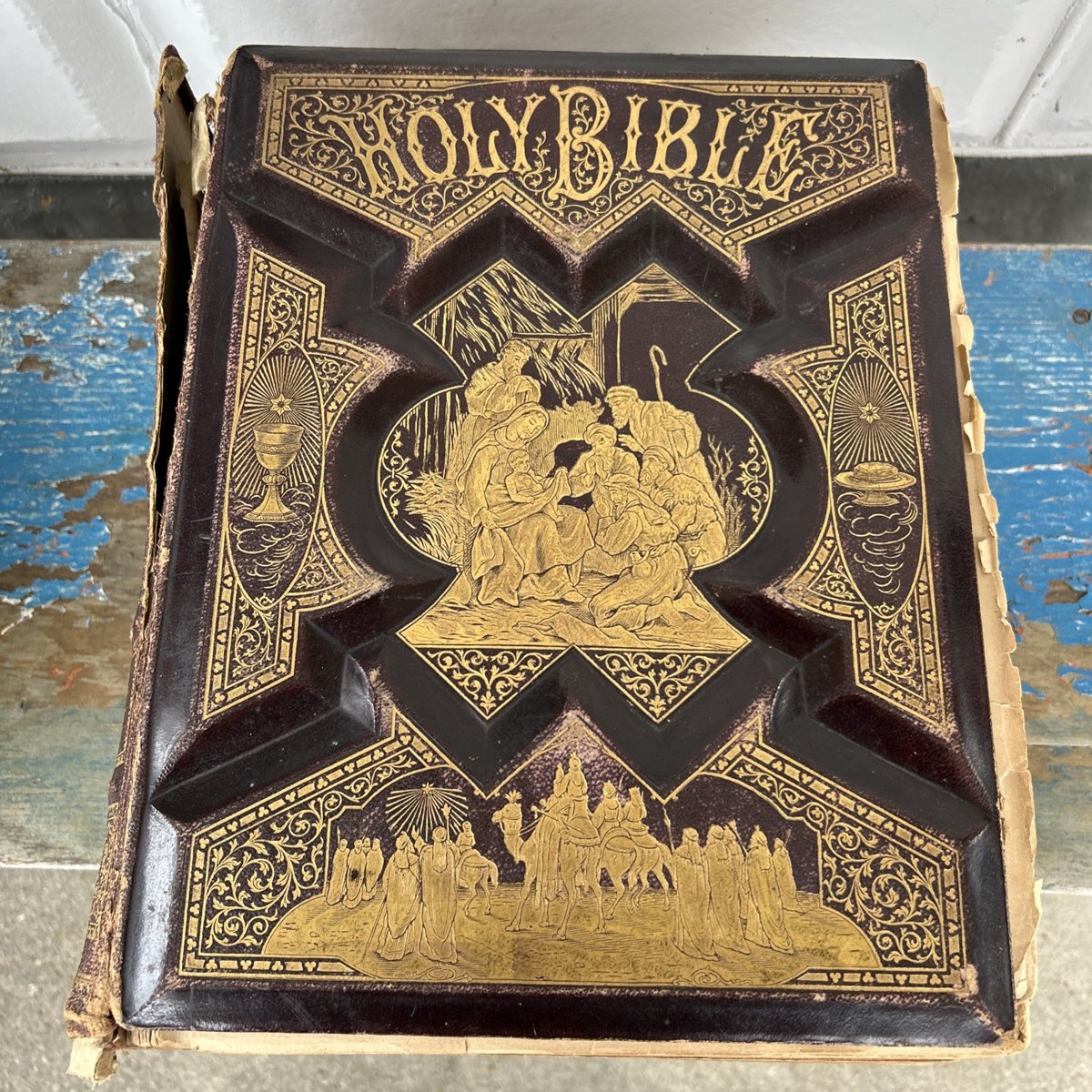 Antique Kelley Pronouncing Parallel Family Bible 1890 Phil Pa 2500 Illustrations$255.00Last checked Nov 21, 2026View on eBay
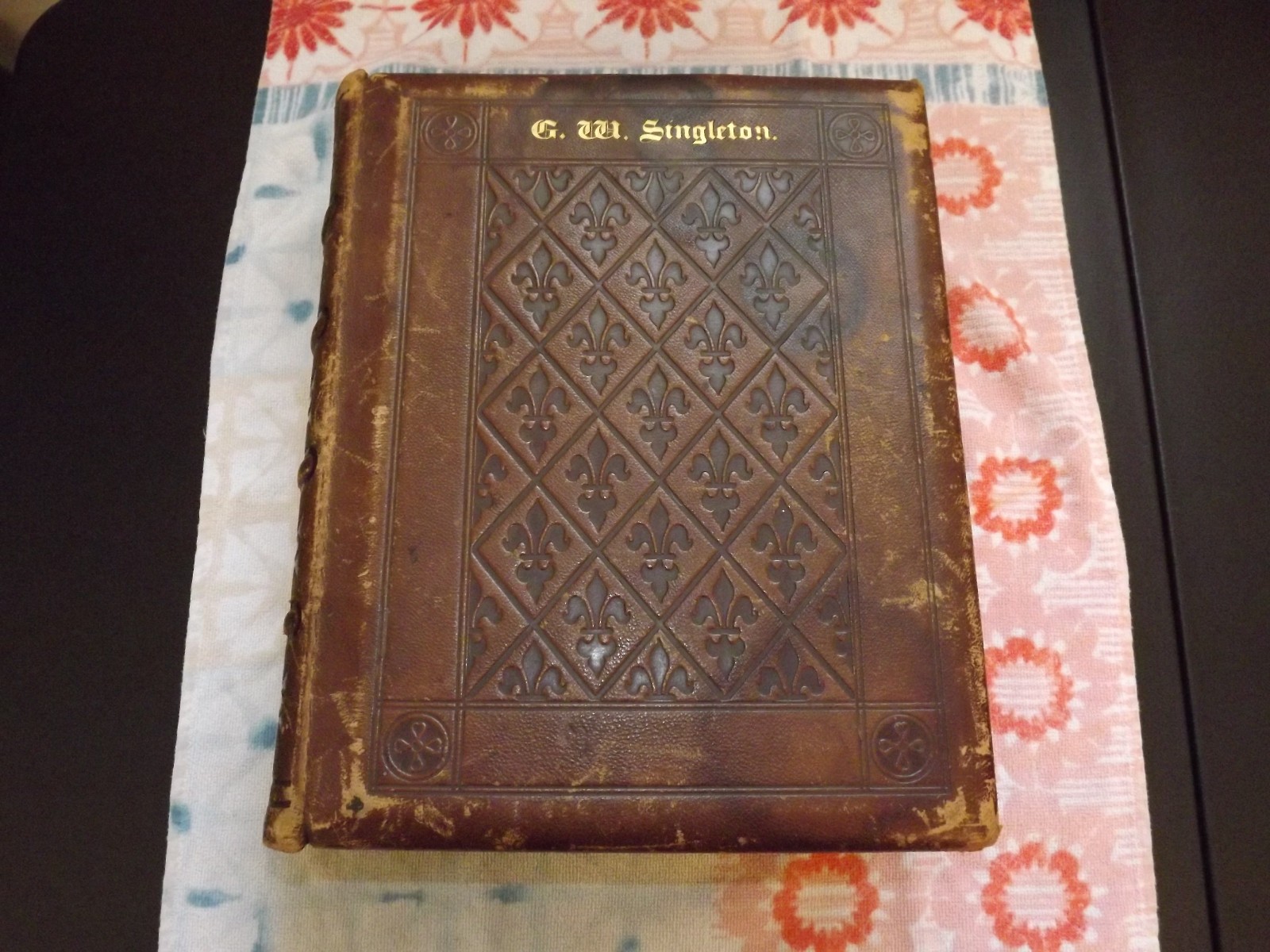 Antique 1870 Holy Bible Hardings Royal Edition William W Harding Philadelphia$325.00Last checked Nov 21, 2026View on eBay
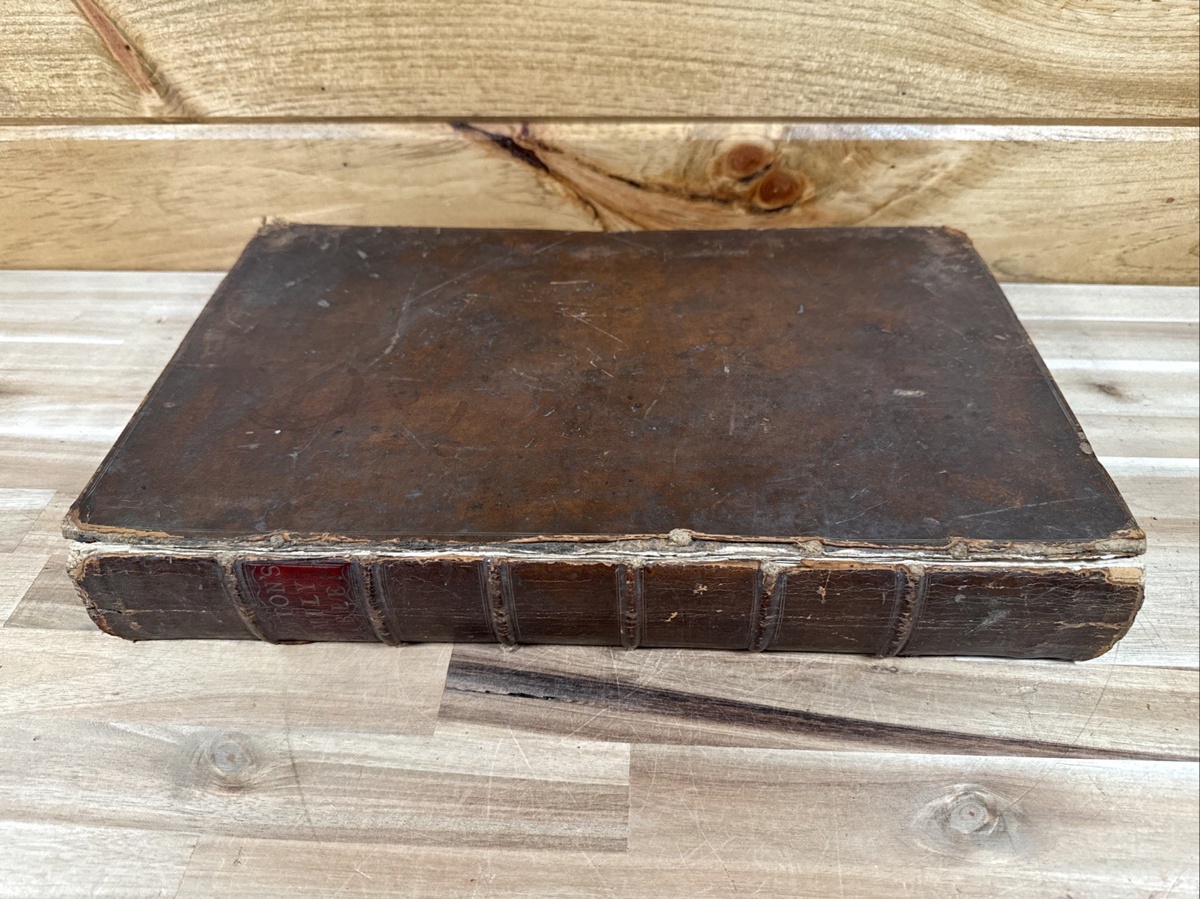 1771 HOLY BIBLE rare SAMUEL NEWTON folio LEATHER old APOCRYPHA antique FAMILY$325.00Last checked Nov 21, 2026View on eBay
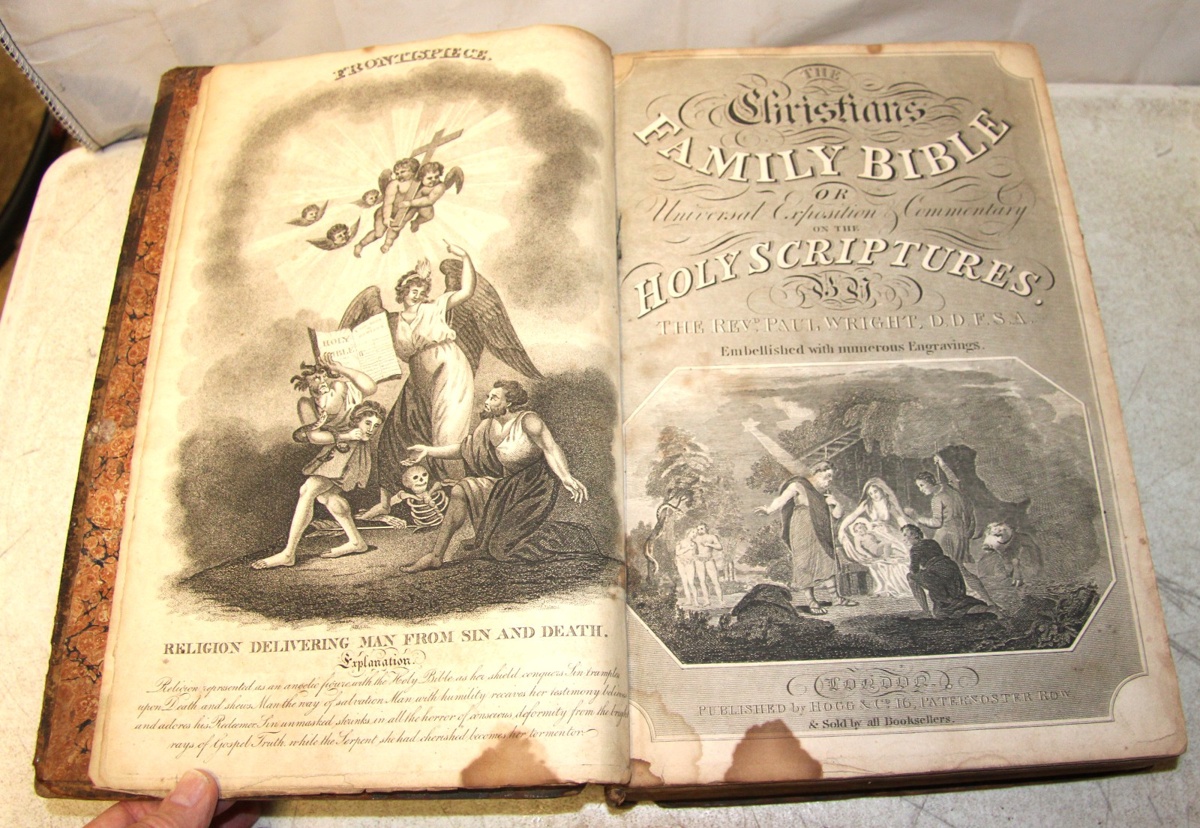 c1820 ENORMOUS antique Holy Bible 15" tall LOADED WITH ILLUSTRATIONS$325.00Last checked Nov 21, 2026View on eBay
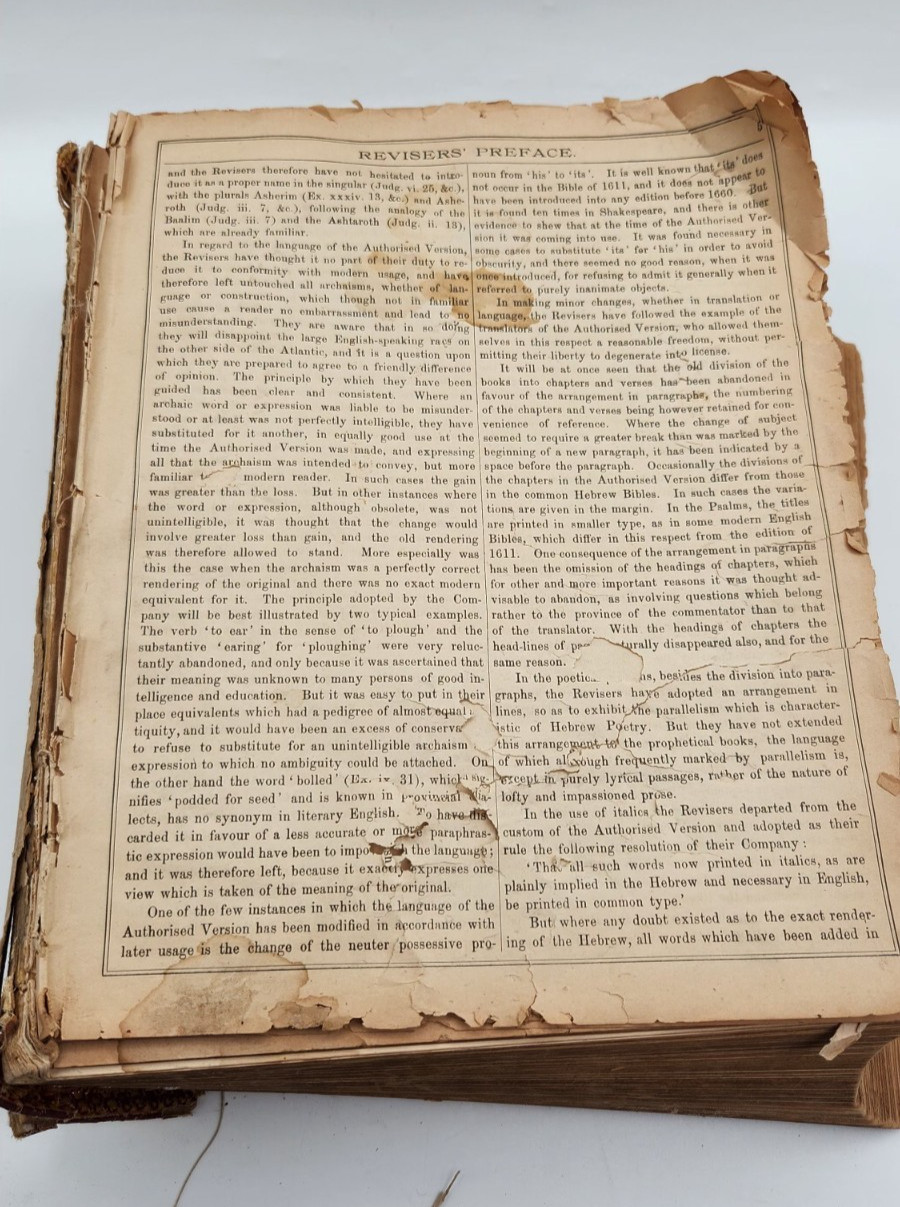 Antique 1884 Catholic Bible$350.00Used · Last checked Nov 21, 2026View on eBay
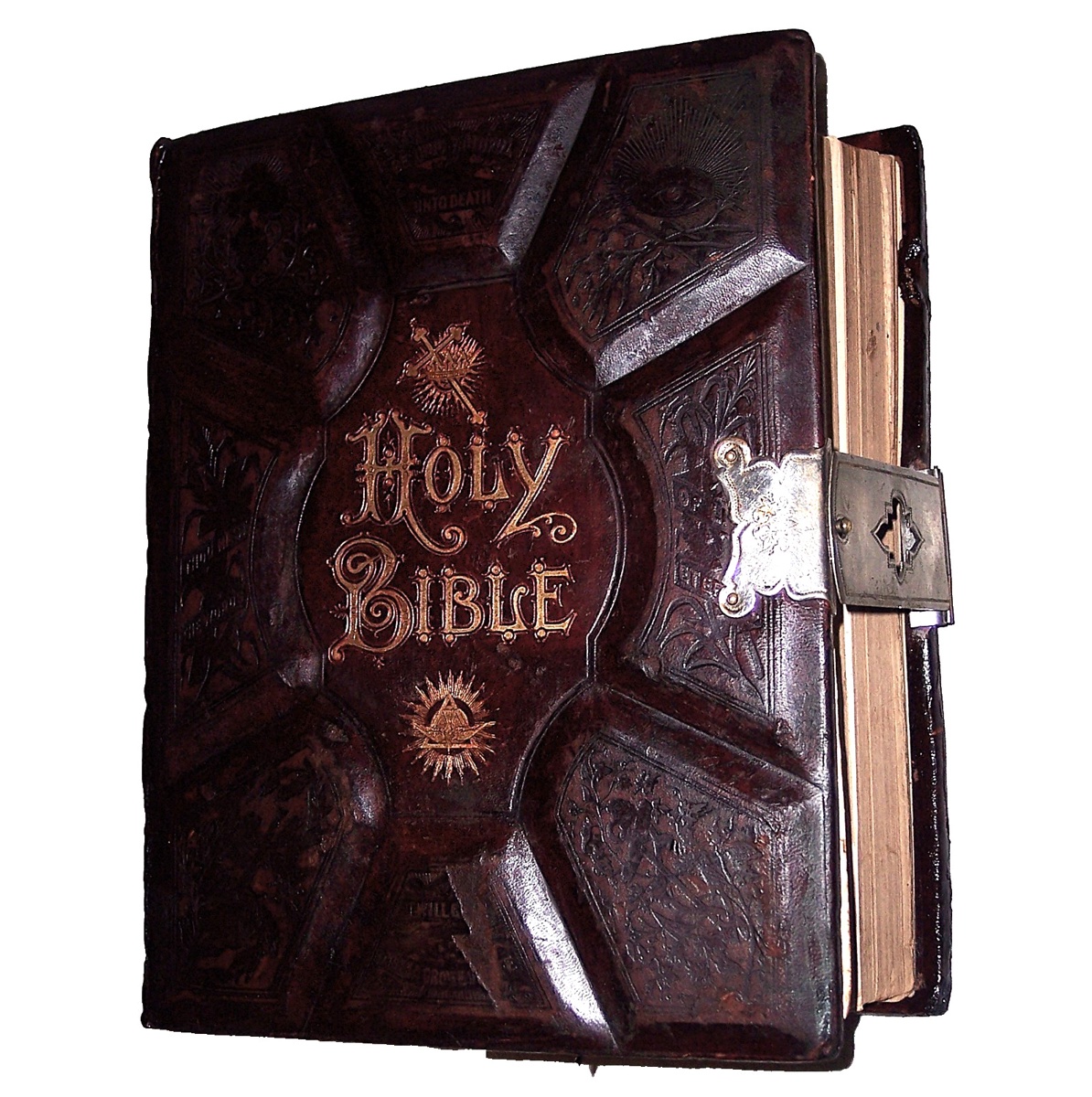 c 1885 Antique Clasp Family Bible Concordance Alkire Schofield Photos Extras #60$364.99Last checked Nov 21, 2026View on eBay
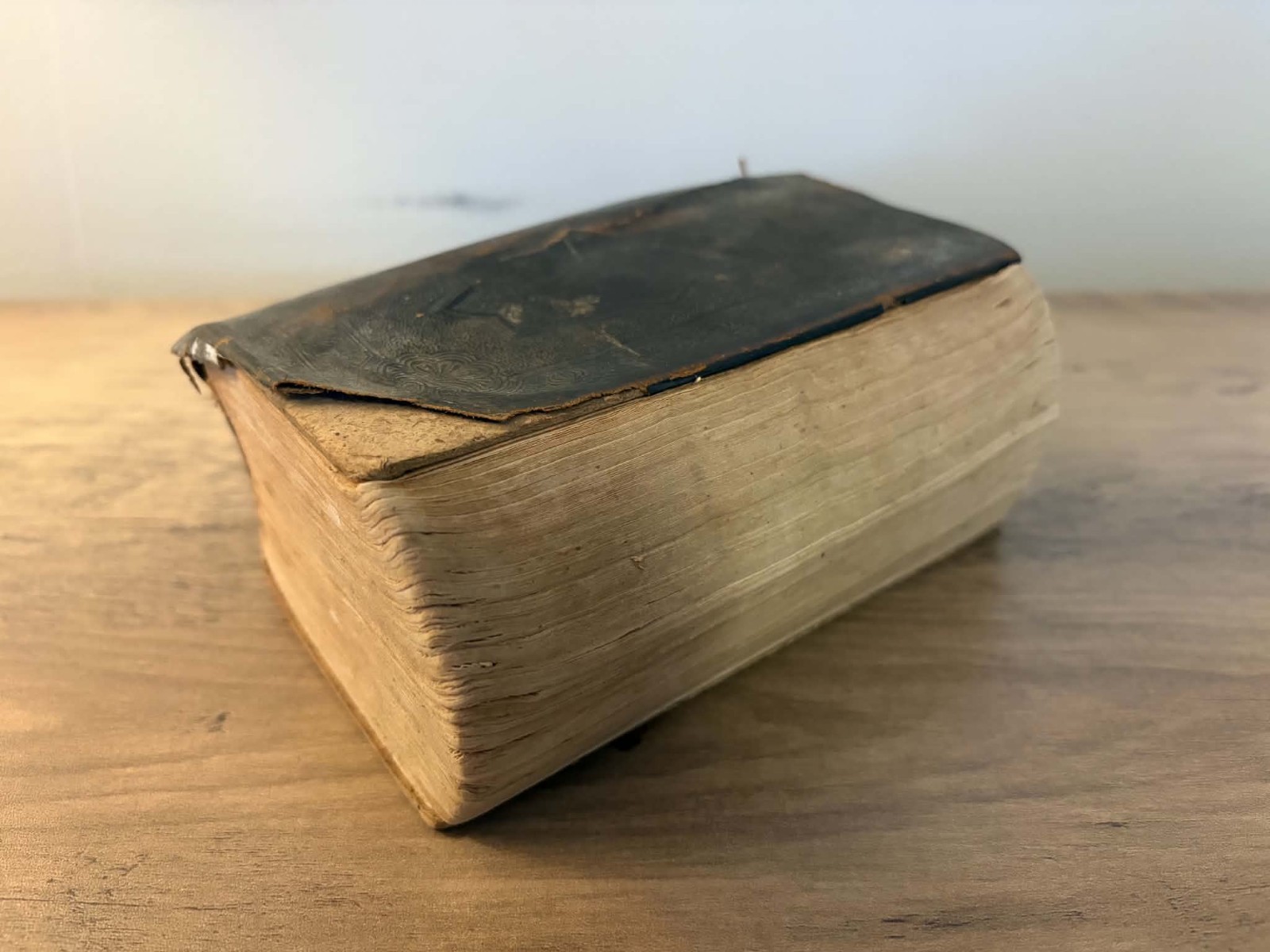 ANTIQUE HOLY BIBLE OLD AND NEW TESTAMENTS 1814 NEW YORK FANSHAW LOTS OF WEAR$399.99Used · Last checked Nov 21, 2026View on eBay
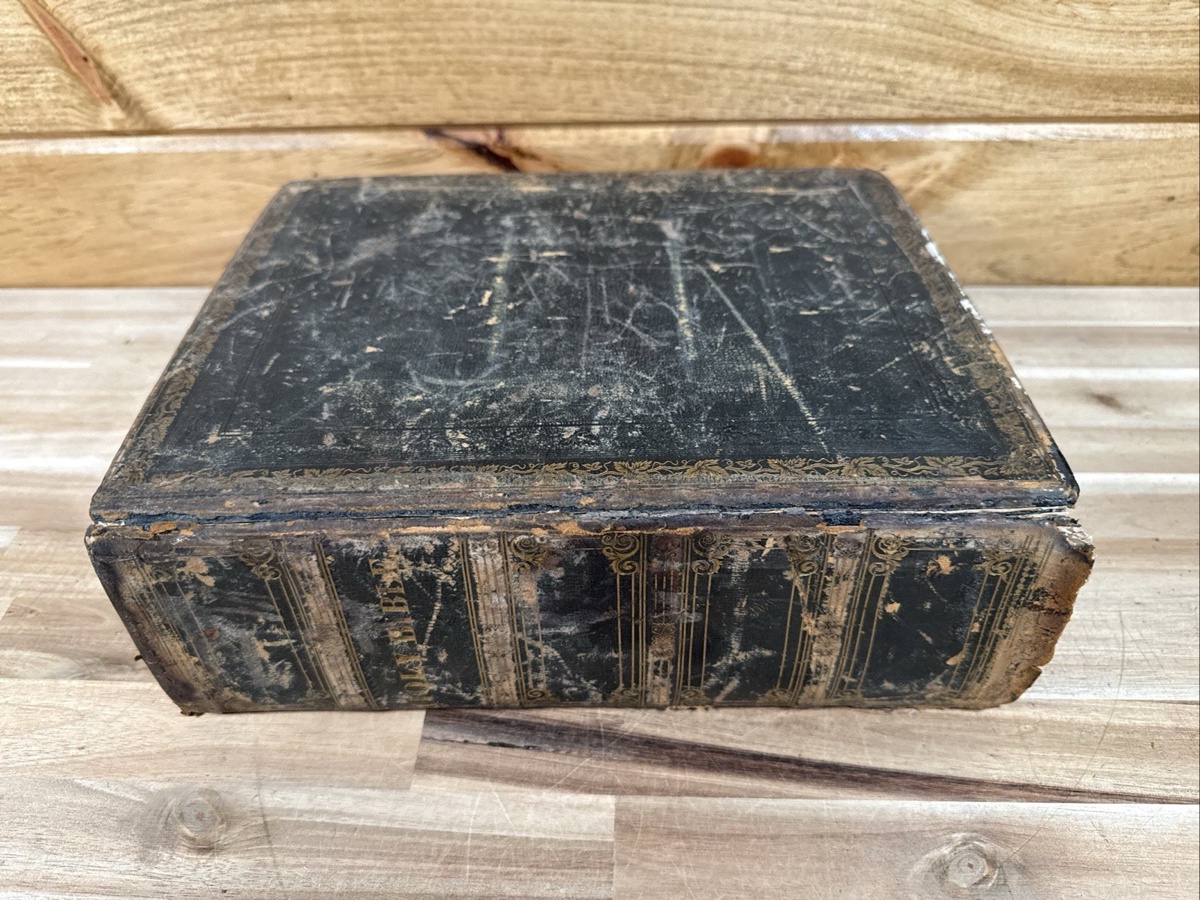 c1855 HOLY BIBLE rare BALTIMORE joseph lewis APOCRYPHA red leather ANTIQUE old$425.00Last checked Nov 21, 2026View on eBay
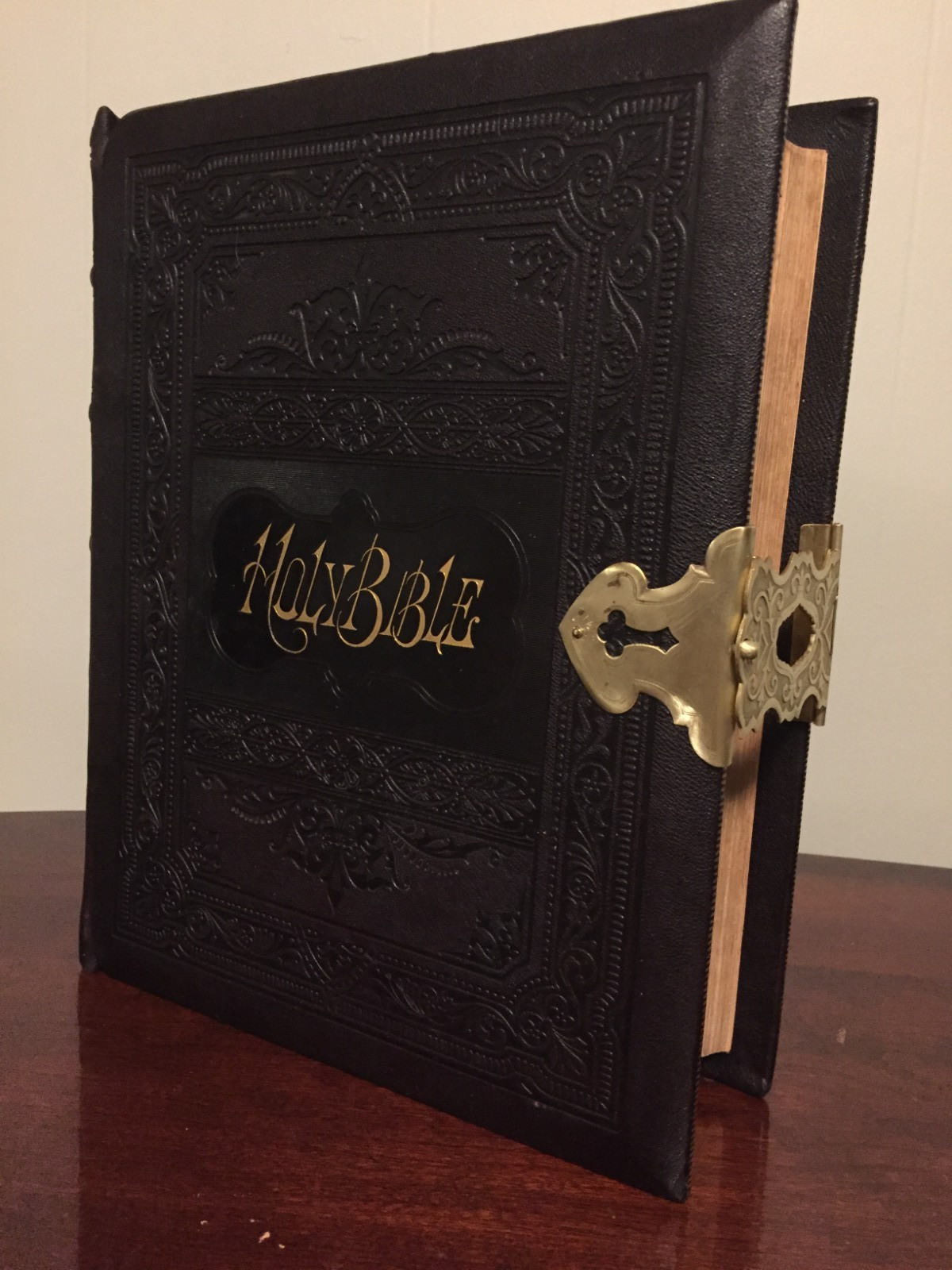 Antique Holy Family Bible King James Authorized 1611 Edition Gospel Clasp$450.00Last checked Nov 21, 2026View on eBay
Highlights
- Edition identity is set by the title page imprint (printer, city, year) and the Authorized/King James wording; pre-1611 Geneva Bibles carry different book order and marginal notes.
- Collation and completeness drive value more than age: a complete 18th-century folio outranks a defective 17th-century Bible missing signatures, maps, or the Apocrypha.
- Binding construction signals condition tier—original full-leather over raised cords and period endpapers vs later rebacking, library cloth, or modern facsimile boards.
- Paper and impression matter: rag/laid paper with chain lines and period watermarks indicates genuine early printing; uniform machine-made paper points to 19th-century or later reprints.
Best use cases
- Best fit: a collector seeking a display-quality 17th–18th-century folio should insist on full collation, period calf binding, and a readable title page—skip rebound 'decorator' copies.
- Best fit: family-history or heirloom buyers should target 19th-century pulpit or family Bibles with intact genealogy pages and original clasps—avoid volumes with excised family-record leaves.
- Best fit: scholarly buyers needing a usable text should choose a complete but modestly bound 18th–19th-century edition with sound hinges—skip fragile, damp-stained, or insect-damaged blocks.
- Wrong fit: anyone wanting an everyday reading Bible should buy a modern критический edition—antique copies risk brittle paper, archaic type, and missing pages.
Buying tips
- Match format to purpose: folio (over ~30 cm) for display, quarto for shelf presence, octavo/duodecimo for portability—larger formats usually mean higher paper and binding cost.
- Demand a collation statement: complete signature counts, all engraved plates/maps, and presence of the Apocrypha where the edition includes it; missing leaves cut value sharply.
- Judge binding by structure, not looks: original cords, period endpapers, and unshaved margins outrank cosmetic rebacking; modern leather over a period text block is a rebound copy.
- Verify edition wording: 'Authorized Version' vs 'Geneva' vs 'Bishops' changes text, book order, and collector demand; compare the title-page imprint to ESTC/WorldCat records.
Specs
| Imprint Era | Pre-1700 / 1700–1800 / 1800–1900 |
|---|---|
| Format | Folio / Quarto / Octavo / Duodecimo |
| Binding | Period leather / Rebound / Facsimile |
| Collation | Complete / Lacking plates or leaves |
Related searches
What to check before buying
- Measure shelf or display space: folio Bibles exceed 30 cm in height and 20 cm in width; confirm the volume fits your case or lectern before committing.
- Check climate: leather and rag paper need 15–21°C and 40–55% RH; avoid attics, basements, and direct sun that accelerate red-rot and foxing.
- Confirm completeness: request images of the title page, last text page, all plates/maps, and the binding's hinges and spine before purchase.
- Verify provenance and legality: ensure the seller provides edition data matching bibliographic records and clear title; avoid items with unclear export/import status.
FAQ
Data sources: eBay / Amazon listings and product attribute feeds. Updated Nov 26, 2026.
Some links on this page are affiliate links. If you buy after clicking one, we may earn a commission at no extra cost to you. This does not change which products appear here or their order. Affiliate disclosure.