
Photos from current listings. Actual item, color, and included accessories may vary.
First Edition Book Buying Guide
A first edition is the first commercially published printing of a book, identified by issue points rather than the words 'first edition' on the copyright page. The core trade-off is collectible authenticity versus reproductions and later printings: original publisher cloth/boards with correct issue points hold value, while facsimiles, book-club, and stated 'first thus' editions do not.
At a glance
- Category
- Antiquarian & Collectible Books
- Last updated
- Nov 26, 2026
Current offers
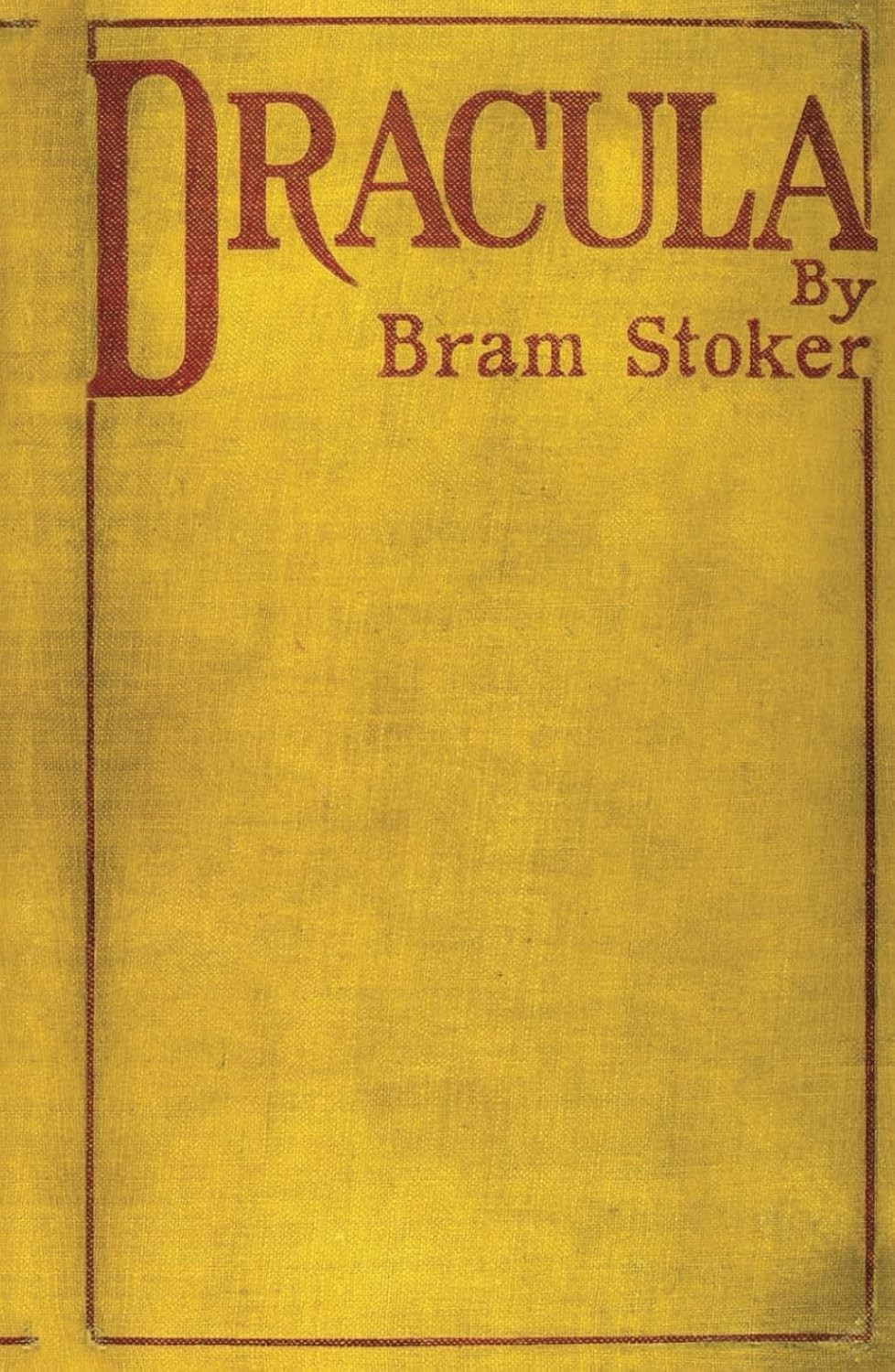 Dracula. First Edition 1897$34.99View on eBay
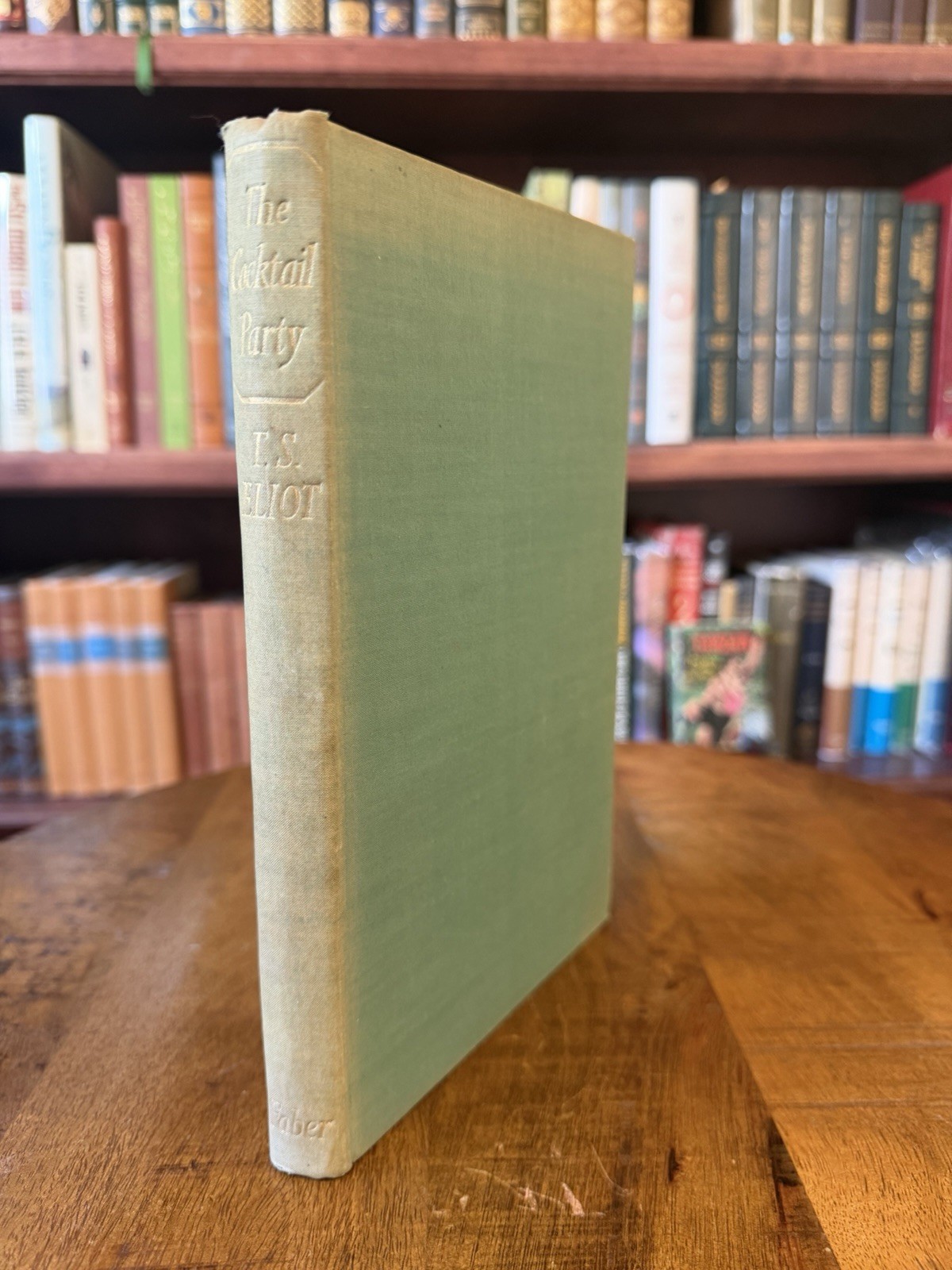 The Cocktail Party T.S. Eliot 1950 Faber & Faber First Edition First Issue$45.00View on eBay
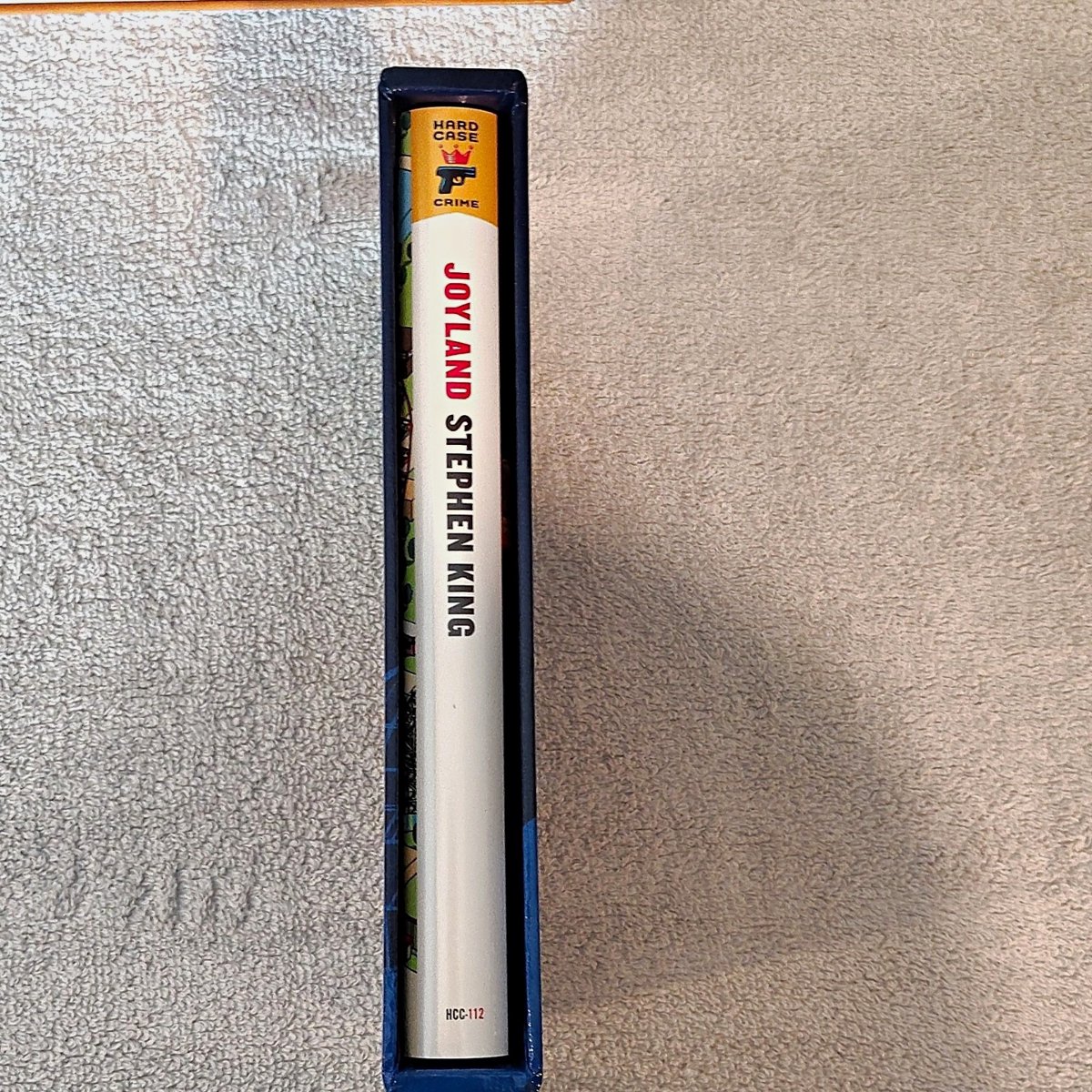 Stephen King Joyland Hardcover First Edition Illustrated Hard Case Crime 2013$250.00Brand New · Last checked Nov 21, 2026View on eBay
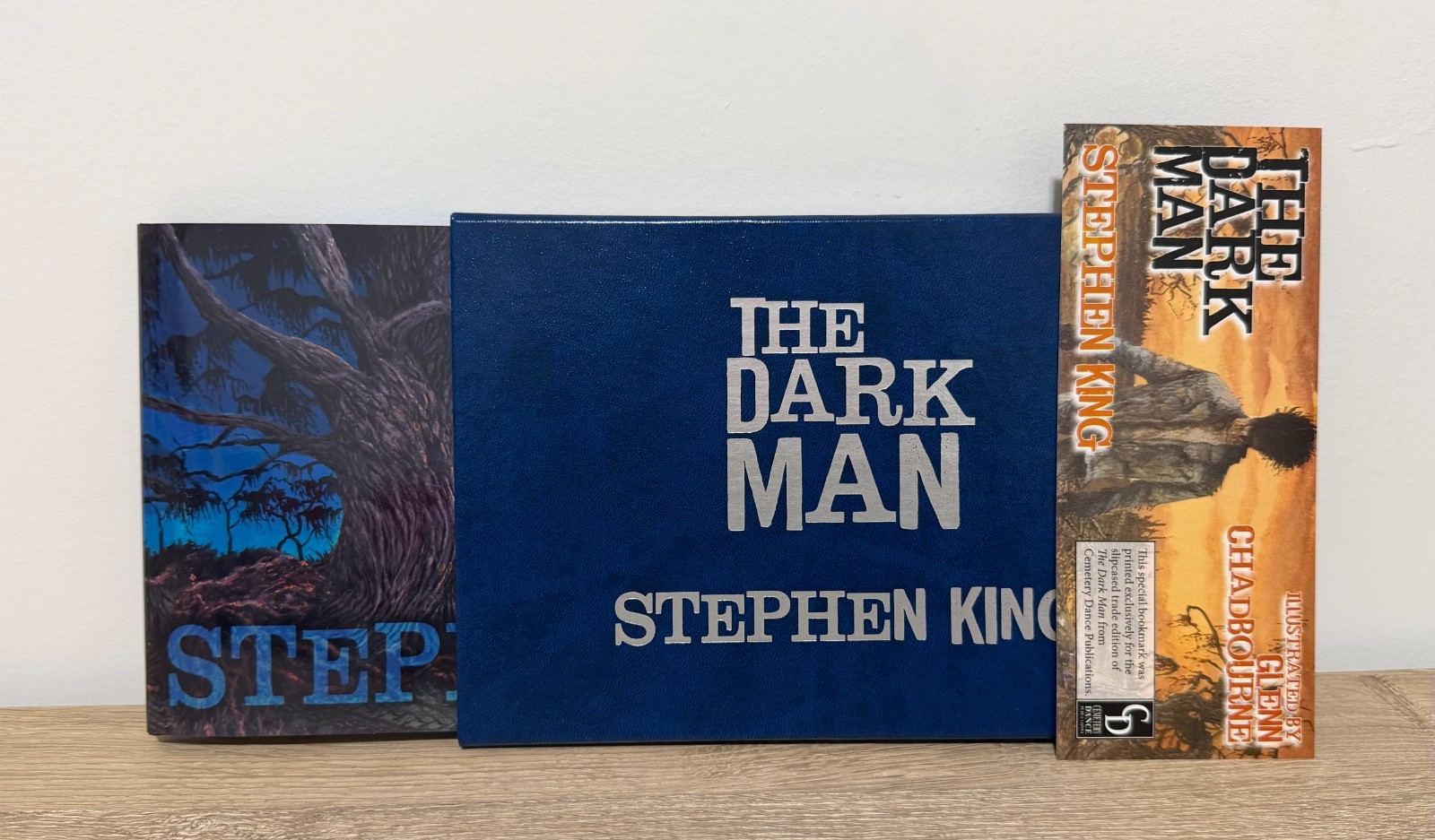 Stephen King First Editions & BCE Lot$305.00Like New · Last checked Nov 21, 2026View on eBay
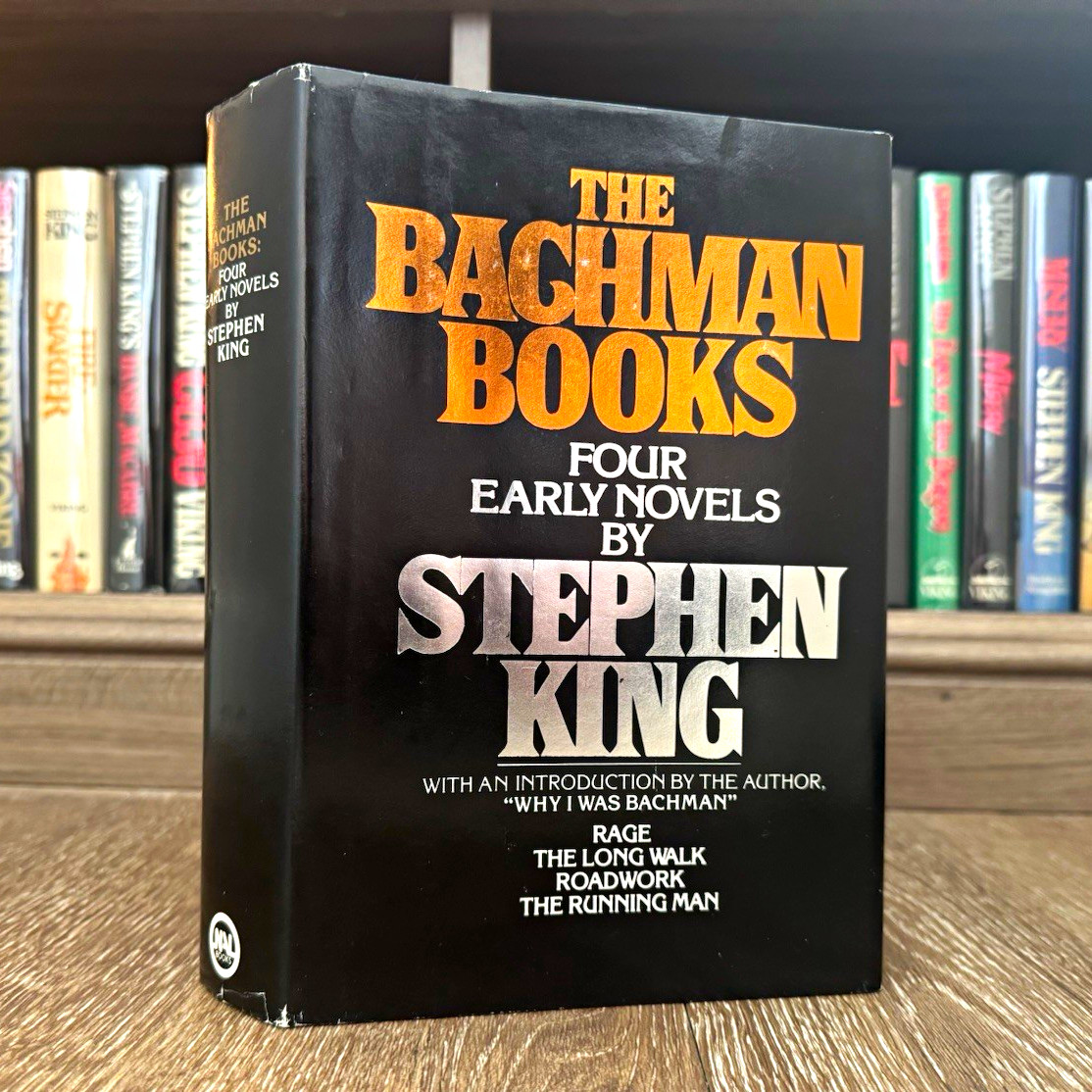 Stephen King The Bachman Books | First Printing, Hardcover$650.00Very Good · Last checked Nov 21, 2026View on eBay
Highlights
- True first editions are identified by issue points (title page, copyright page, binding color, jacket price, error states), not by a 'First Edition' statement alone.
- Facsimile reproductions replicate the original's text and page images but are modern reprints with negligible collectible value versus an original printing.
- Publisher and imprint determine the true first: Faber & Faber first issue for The Cocktail Party; pre-1988 Addison-Wesley for The C Programming Language, not later imprints.
- For 19th-century and earlier titles, issue points (advertisements, cancel titles, variant bindings) and bibliographies like Sadleir or Carter's ABC set the identification standard.
Best use cases
- Best fit: a collector seeking an author's landmark title should buy the true first printing in original publisher binding with all issue points verified against a bibliography.
- Wrong fit: shoppers wanting readable text cheaply should skip first-edition listings and buy a modern reading edition or authorized facsimile.
- Best fit: a reader who wants the original 1560 Geneva Bible page layout should buy the facsimile; a collector seeking a 1560 original should skip facsimiles entirely.
Buying tips
- Match the copyright page to the publisher's first-printing points: for The C Programming Language, pre-1988 Addison-Wesley with the correct printing statement; later imprints are not firsts.
- For T.S. Eliot's The Cocktail Party, the Faber & Faber 1950 first issue is the collectible first; Harcourt Brace is the US first, and later impressions are not.
- For Dracula (1897), the true first is Constable & Co. in yellow cloth with the correct issue points; later and colonial editions are not firsts.
- Judge condition by the weakest link: jacket, spine, hinges, and page block; a first edition missing its jacket or with a repaired hinge loses most collectible value.
Specs
| Edition State | First printing vs later impression |
|---|---|
| Issue Points | Binding, title page, copyright state |
| Publisher Imprint | True first vs reprint/facsimile |
| Jacket & Binding | Original cloth/boards, jacketed |
Related searches
What to check before buying
- Shelving: measure shelf height and depth against the book's trim size (quarto and folio antiquarian volumes exceed standard 9-10 inch shelves).
- Environment: keep first editions at 60-70°F and 40-50% RH; avoid attics, basements, and direct sunlight that fade cloth and jacketing.
- Companion parts: plan for an archival clamshell box or acid-free dust jacket protector for any first edition above reading-grade value.
- Verification: before buying, confirm publisher, printing statement, and issue points against a bibliography (Carter's ABC, Sadleir, or the title's standard bibliography).
FAQ
Data sources: eBay / Amazon listings and product attribute feeds. Updated Nov 26, 2026.
Some links on this page are affiliate links. If you buy after clicking one, we may earn a commission at no extra cost to you. This does not change which products appear here or their order. Affiliate disclosure.