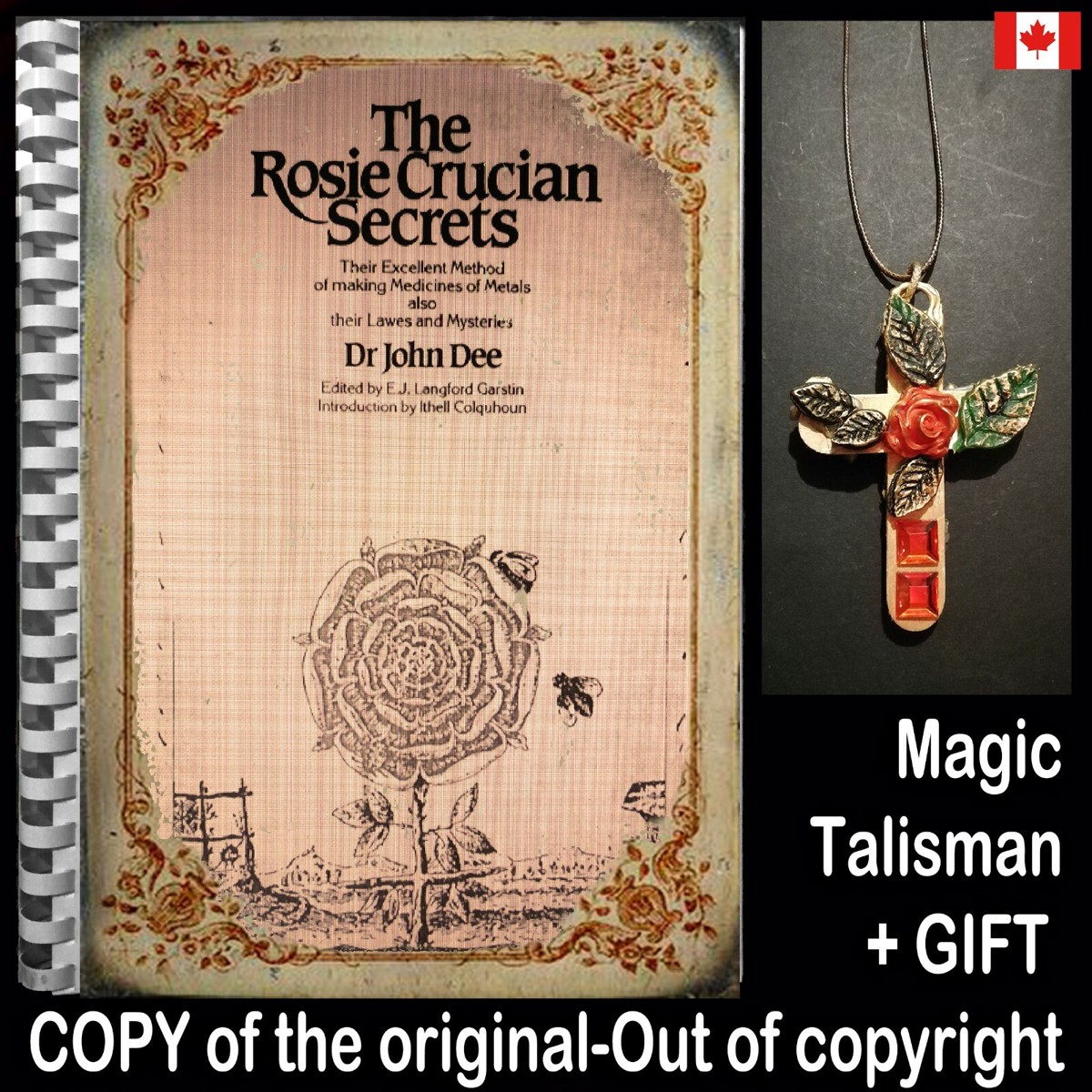

Photos from current listings. Actual item, color, and included accessories may vary.
Antique Occult Book Buying Guide
Antique occult books are rare printed works on esoteric subjects—magic, alchemy, Rosicrucianism, astrology, and secret societies—typically published before the 20th century. The core trade-off is between genuine period printings (with age-appropriate paper, binding, and provenance) and modern reprints or facsimiles dressed in antique styling. The decision rule: buy only from listings that specify publication date, printer/publisher, and edition, and reject any offer that describes the item only as 'rare manuscript' without a verifiable imprint.
At a glance
- Category
- Antiquarian & Collectible Books
- Last updated
- Nov 26, 2026
Current offers
Highlights
- Genuine antique occult books carry a printed title page with publisher, city, and year; facsimiles and print-on-demand reprints usually omit or alter the imprint.
- Period bindings are hand-sewn on cords with leather or cloth covers; reprints use perfect-bound glued spines that crack and are a clear modern tell.
- Paper before 1850 is rag-based and remains supple; post-1850 wood-pulp paper turns brittle and brown, so condition grades must account for paper type.
- Illustrated occult works (grimoires, alchemy plates) lose detail in facsimile reproduction; original engravings show plate marks and ink bite absent from scans.
Best use cases
- Best fit: a collector seeking a specific first edition (e.g., a 17th-century Rosicrucian manifesto) should buy only listings that state edition, printer, and collation; skip undated 'rare manuscript' offers.
- Best fit: a reader wanting occult content for study should choose a modern scholarly reprint with introduction and notes; skip crumbling originals where pages cannot be handled.
- Best fit: a decorator wanting antique shelf presence should buy period bindings with intact hinges and no loose boards; skip rebound or ex-library copies with stamps and perforations.
Buying tips
- Match the printed date on the title page to the publisher's known active years; a date outside that range signals a facsimile or false imprint.
- Check the collation: a complete copy lists all plates and pages; 'sold as is' or 'all we have' means missing leaves that halve value.
- Prefer original publisher's cloth or period leather over modern rebinding; rebound copies lose collector value even if structurally sound.
- For pre-1800 works, confirm the paper is laid (chain lines visible) not wove; wove paper in a supposedly 17th-century book is anachronistic.
Specs
| Imprint | Printer, city, year on title page |
|---|---|
| Paper Type | Rag/laid (pre-1850) vs wood-pulp |
| Binding | Hand-sewn cords vs perfect-bound glue |
| Completeness | Collation match: all pages and plates |
Related searches
What to check before buying
- Measure shelf space: folio and quarto occult books exceed standard 9-inch shelving; confirm height before buying.
- Assess climate: leather bindings need 45-55% RH; damp rooms cause red rot, so a hygrometer and dehumidifier are required companions.
- Verify completeness against a bibliography (e.g., Gardner, Caillet) before committing; missing plates are common in occult titles.
- Check for ex-library marks, bookplates, and annotations; these reduce value and are hard to reverse without damaging the leaf.
FAQ
Data sources: eBay / Amazon listings and product attribute feeds. Updated Nov 26, 2026.
Some links on this page are affiliate links. If you buy after clicking one, we may earn a commission at no extra cost to you. This does not change which products appear here or their order. Affiliate disclosure.