
Photos from current listings. Actual item, color, and included accessories may vary.
Antique Rare Book Buying Guide
Antique rare books span collector-grade first editions and decorative vintage lots, where condition, printing date, and binding authenticity determine value far more than title alone. The central trade-off is between curated scarcity (verified edition, complete pages, original boards) and bulk decorative lots sold by color or quantity. Buy individual copies only when the seller documents edition points and collation; buy lots only as decor, never as investment.
At a glance
- Category
- Antiquarian & Collectible Books
- Last updated
- Nov 26, 2026
Current offers
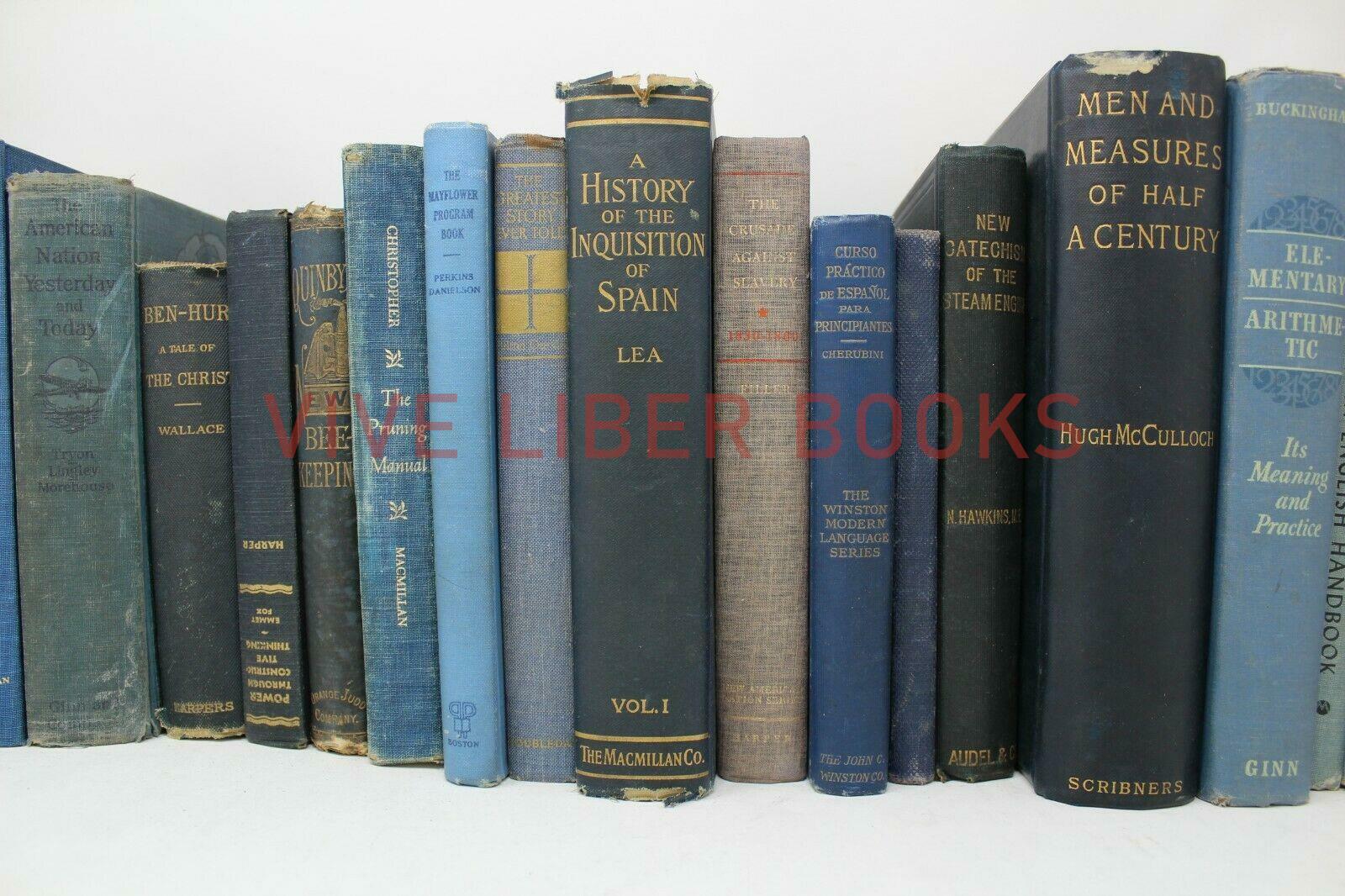 Lot of 5 BLUE / Shades of blue Old Vintage Antique Rare Hardcover Random Books$26.95View on eBay
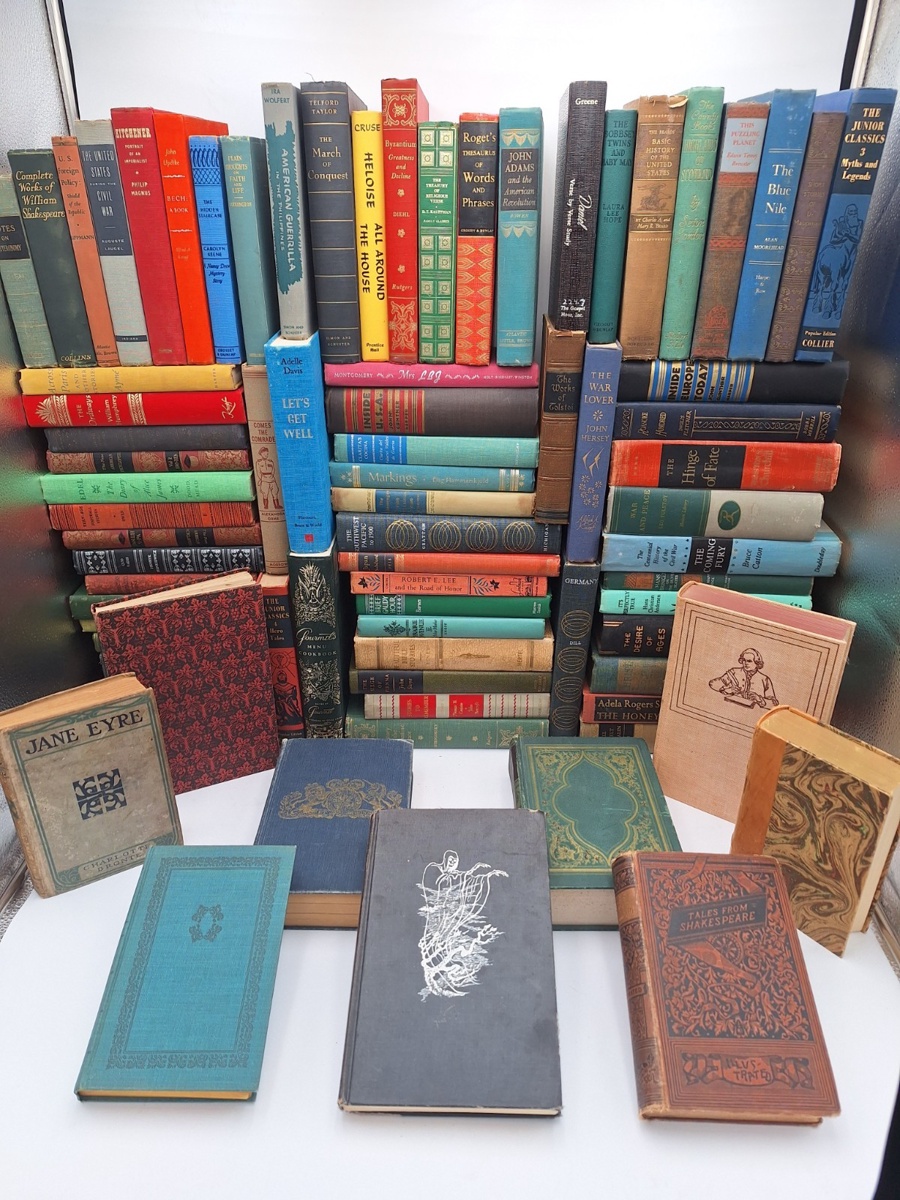 Lot of 10 Vintage Old Rare Antique Hardcover Books - Mixed Color - RANDOM$32.95View on eBay
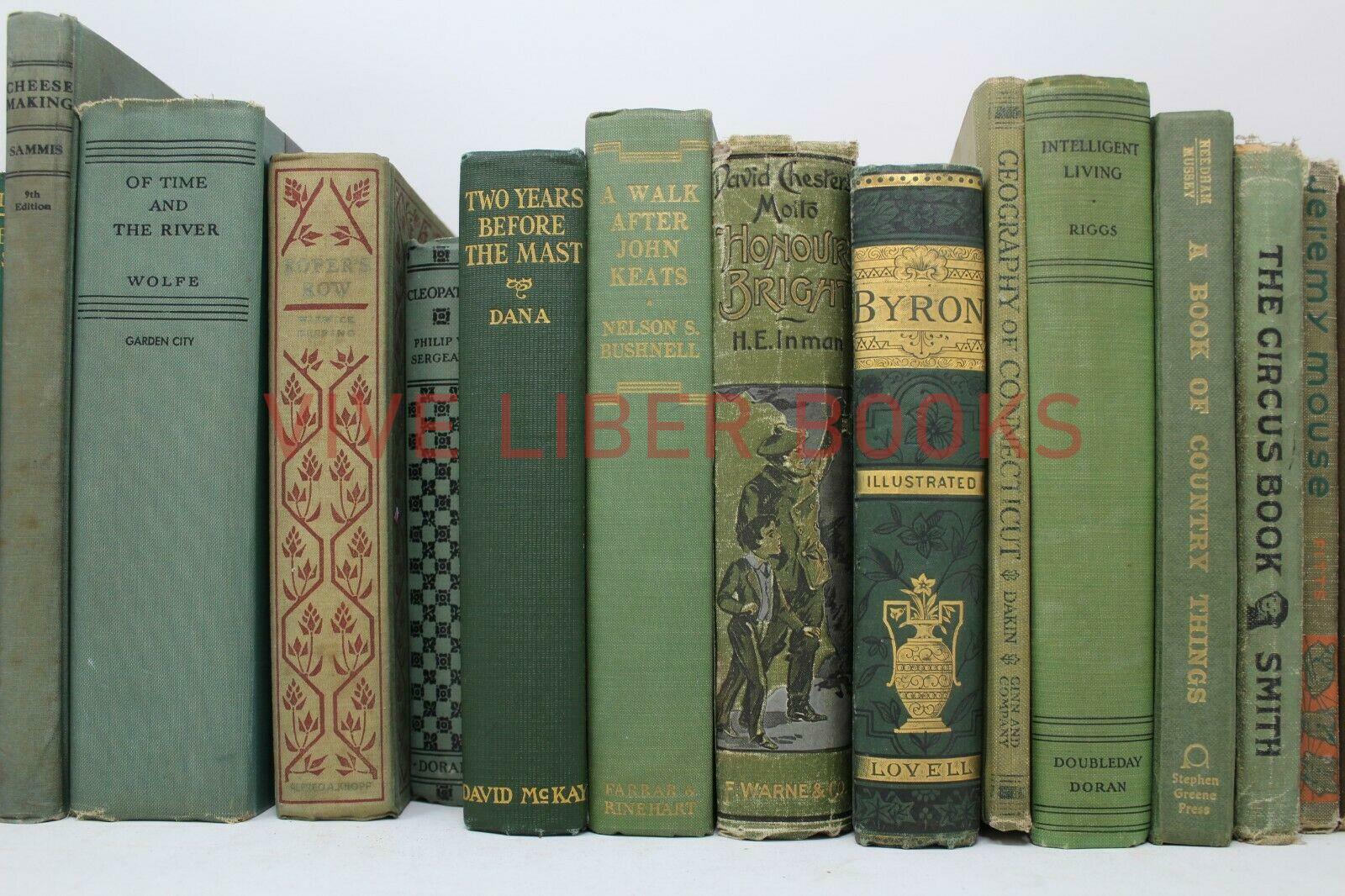 Lot of 5 GREEN / Shades of Green Old Vintage Antique Rare Hardcover Random Books$34.95View on eBay
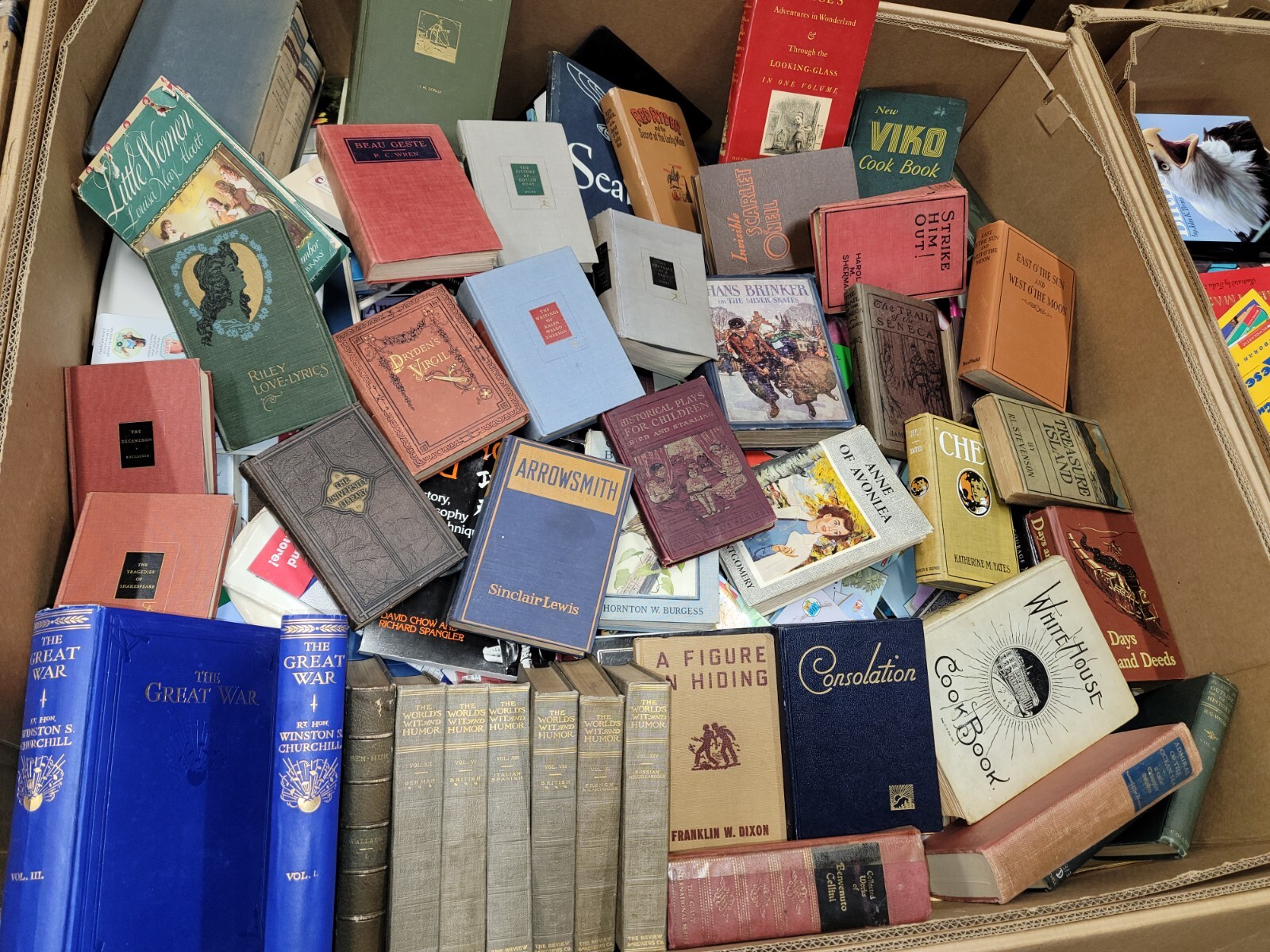 Lot of 10 Antique Collectible Vintage Old Rare Hard To Find Books *MIX UNSORTED*$39.99View on eBay
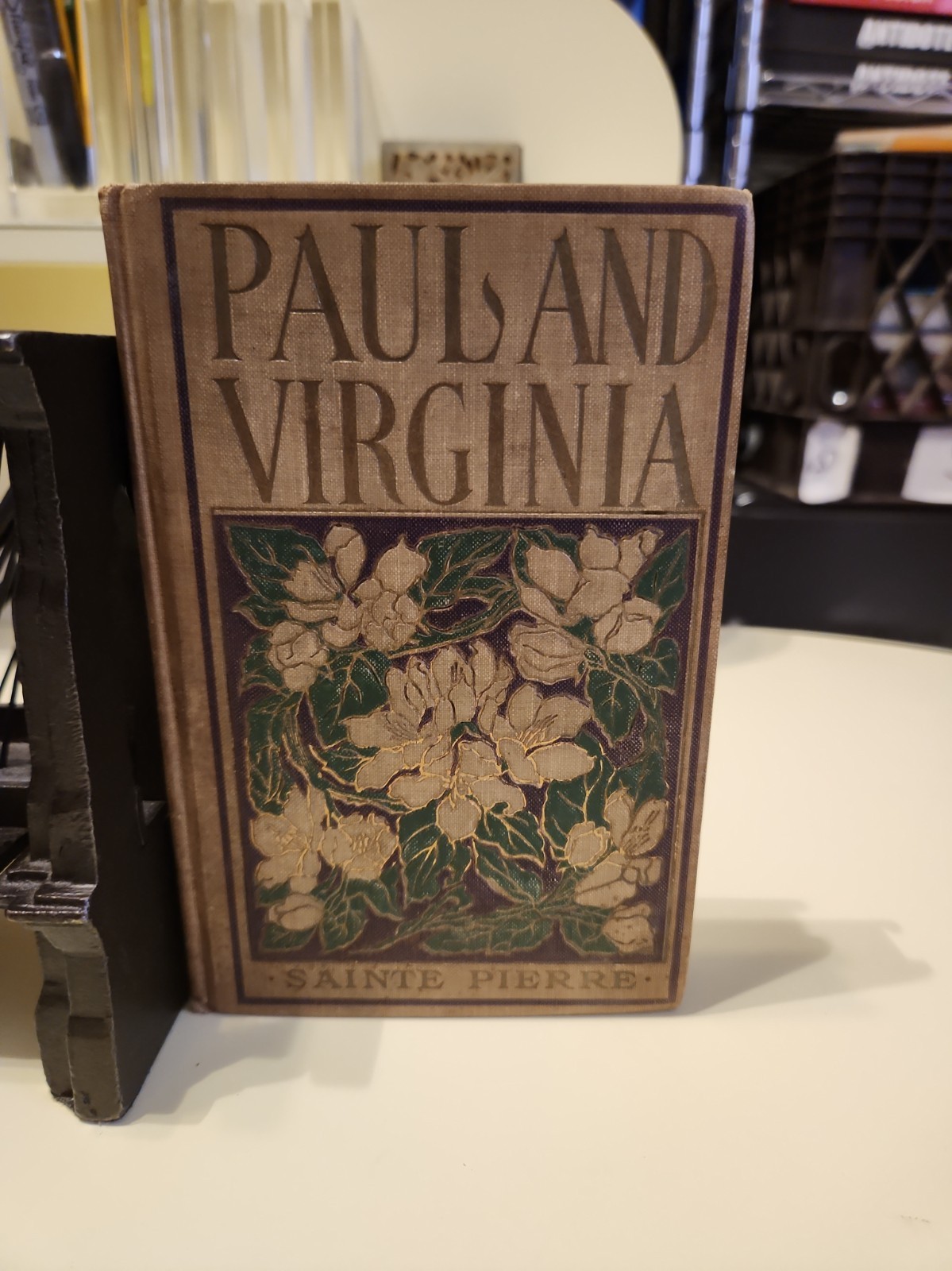 ANTIQUARIAN PAUL AND VIRGINIA SAINTE PIERRE COLLECTIBLE RARE ANTIQUE BOOK C2$48.86View on eBay
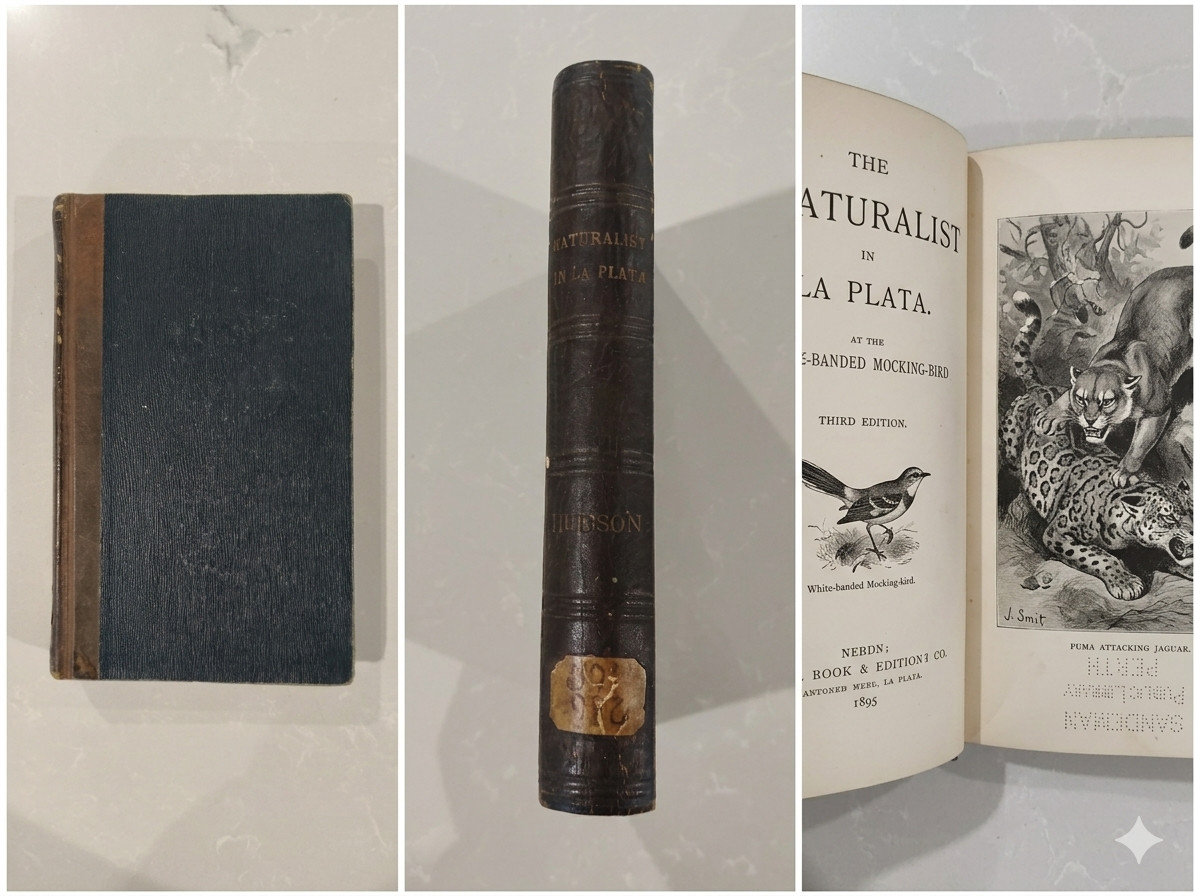 The Naturalist in La Plata – W.H. Hudson (1895 Edition) – RARE ANTIQUE BOOK$59.99View on eBay
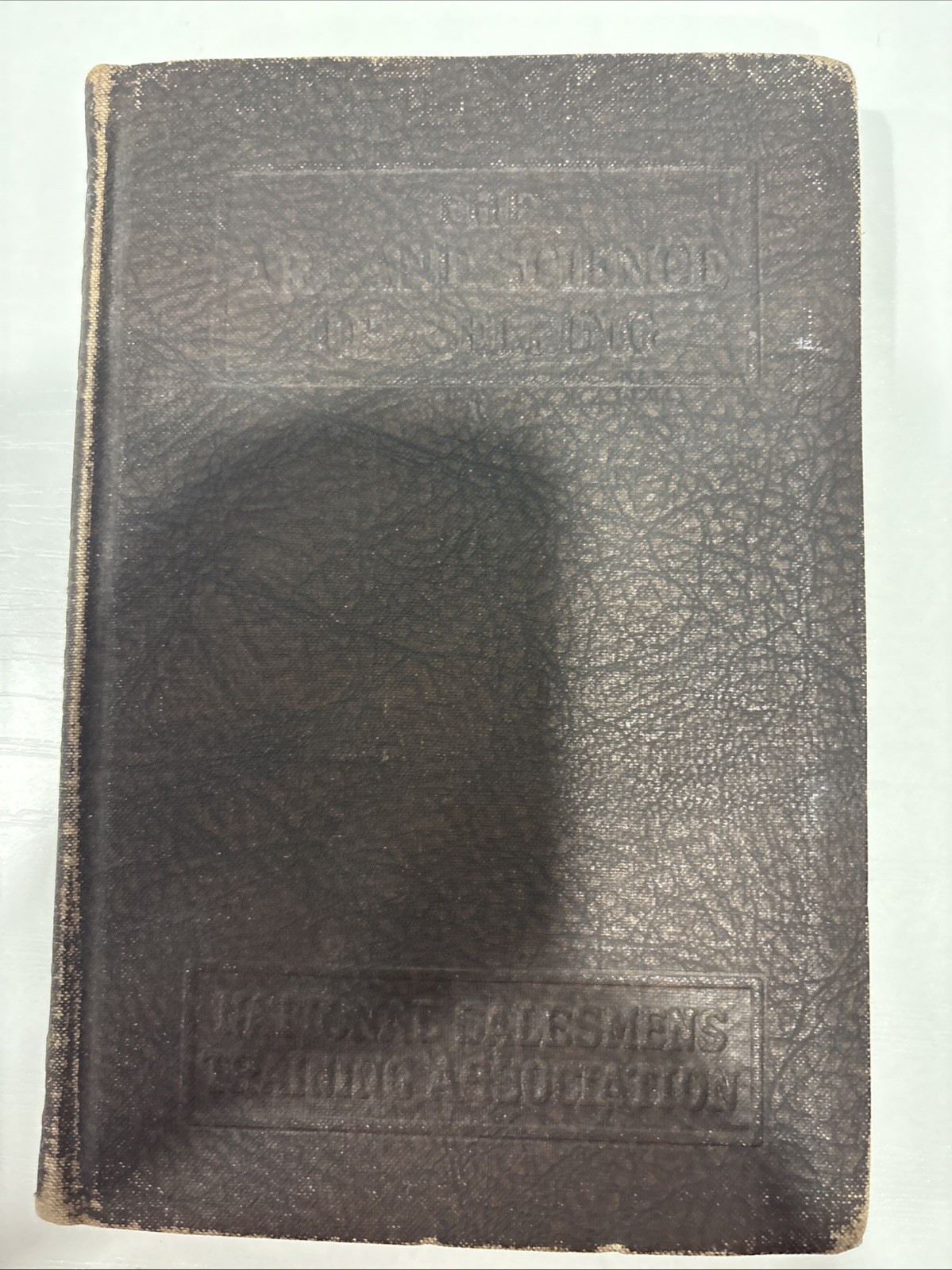 Very Rare Book, Antique, Collectible The Art And Science Of Selling, 1922$65.00View on eBay
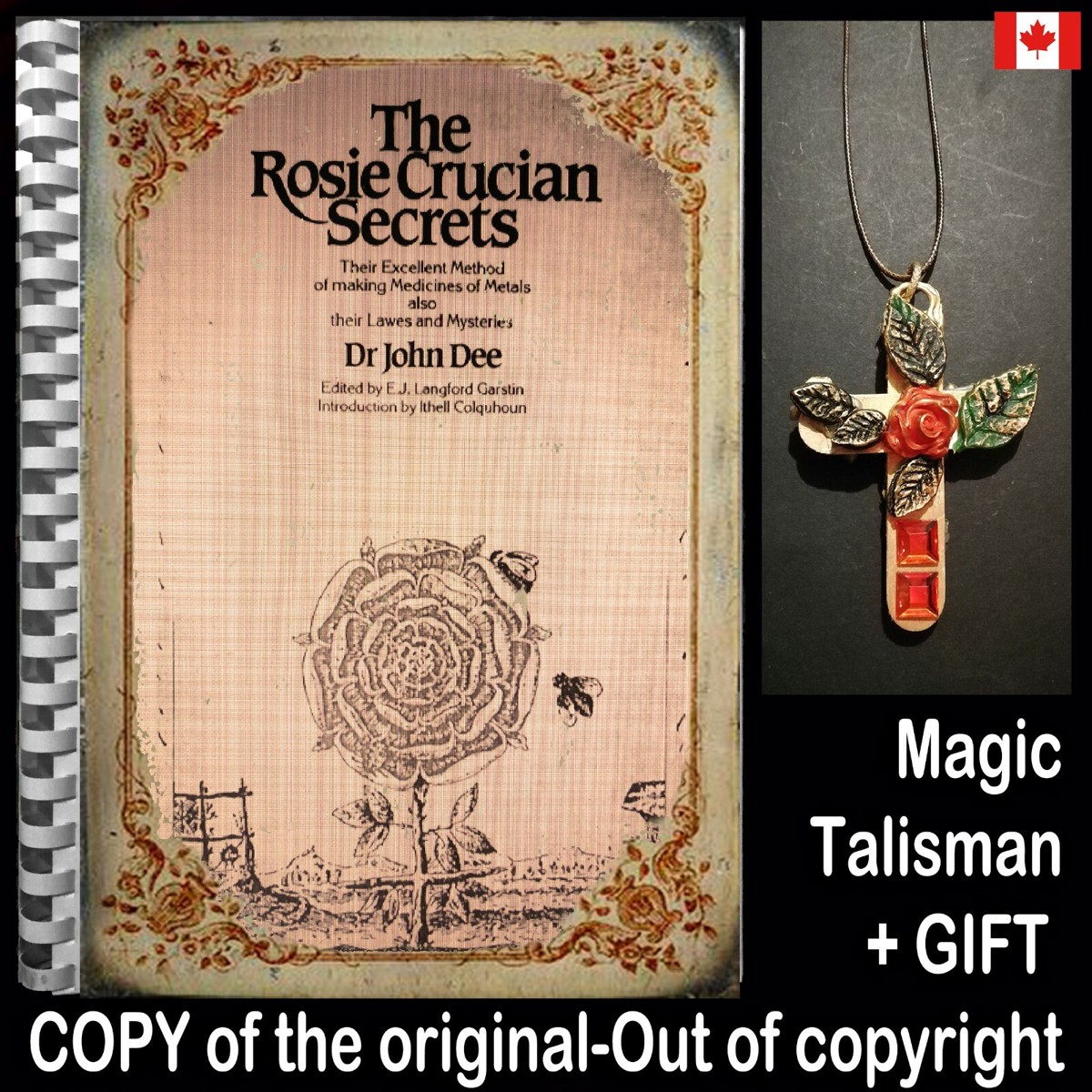 antique book magic rosicrucian secret alchemy occult esoteric rare manuscript of$140.76View on eBay
Highlights
- Edition points decide value: first printings are identified by title-page date, publisher imprint, and issue points (e.g., 'Published 1895' vs later reprint), not by cover color.
- Binding construction: original publisher's cloth over bevelled boards with intact hinges and spine gilt outranks rebound or ex-library copies, which sell at deep discounts.
- Condition grading follows ABAA/IOBA conventions: Fine, Near Fine, Very Good, Good, Fair — with any ex-library marks, water stains, or detached boards dropping a tier.
- Decorative lots are sorted by spine color and height for shelf styling; they carry no bibliographic description, so edition and completeness are unverifiable.
Best use cases
- Pick a single documented antiquarian title (e.g., an 1895 naturalist edition) when building a collection — demand title page, copyright page, and collation photos.
- Pick color-matched hardcover lots only for shelf decor or staging; skip them if you need readable text or specific titles.
- Skip 'random mixed' lots for gifting or resale — unknown titles, missing pages, and modern book-club reprints are common.
- For occult, esoteric, or early-science titles, buy only copies with clear provenance and complete plates; plate-less copies lose most value.
Buying tips
- Confirm the edition by requesting a photo of the title page and copyright page — the date printed there, not the listing title, defines the edition.
- Check binding: original cloth with intact hinges and no rebacking holds value; rebound, tape-repaired, or ex-library copies should be priced as reading copies.
- For lots, expect mixed condition and possible ex-library stamps; buy by the shelf-foot for decor, and never assume completeness or title selection.
- Match size before buying: octavo (roughly 6x9 in) and duodecimo (5x7.5 in) lots fit standard shelves; folios and quartos need deeper shelving.
Specs
| Edition | First printing vs later reprint |
|---|---|
| Binding | Original cloth vs rebound/leather |
| Condition Grade | Fine / VG / Good / Fair |
| Format Size | Octavo / Duodecimo / Quarto / Folio |
Related searches
What to check before buying
- Measure shelf depth and height: quartos and folios exceed 10 inches tall and need 12-inch-deep shelving.
- Confirm climate: keep books below 70°F and 50% RH; damp rooms cause foxing and warped boards.
- For lots, confirm the count and average spine height so the set fits your bookcase run.
- For single titles, confirm all plates and the folding map are present via photos before committing.
FAQ
Data sources: eBay / Amazon listings and product attribute feeds. Updated Nov 26, 2026.
Some links on this page are affiliate links. If you buy after clicking one, we may earn a commission at no extra cost to you. This does not change which products appear here or their order. Affiliate disclosure.