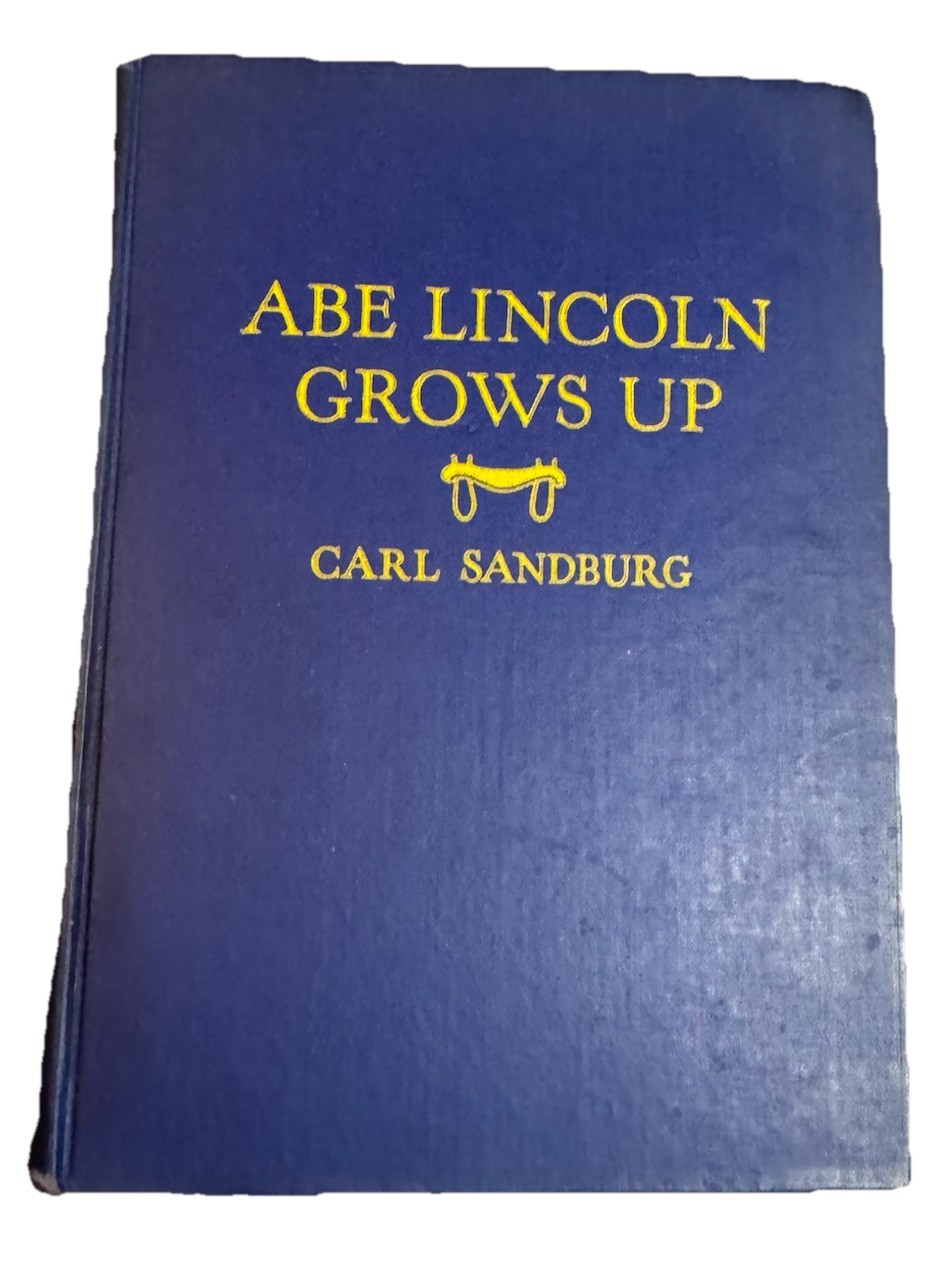

Photos from current listings. Actual item, color, and included accessories may vary.
Classic Book Buying Guide
Classic books are collectible editions of historically significant literature, valued for textual rarity, printing era, and physical condition rather than simple readability. The core trade-off is between a reading-grade reprint and a true antiquarian printing: modern facsimiles offer clean text but no investment value, while pre-1900 or limited-run editions carry age-related fragility and require condition grading. The decisive rule is to buy by edition, printer, and condition grade—not by title alone—because the same novel can be a near-worthless book-club reprint or a four-figure first printing.
At a glance
- Category
- Antiquarian & Collectible Books
- Last updated
- Nov 26, 2026
Current offers
Highlights
- Edition identity decides value: first printings, first editions with matching issue points, and limited numbered runs outrank later reprints of the same title.
- Printing era sets paper chemistry: pre-1850 rag paper ages slowly, while 1860–1990 wood-pulp paper embrittles and yellows due to inherent lignin acidity.
- Binding construction separates survivors from casualties: hand-sewn signatures on cords and quarter-leather or cloth bindings outlast glued perfect-bound reprints.
- Condition grading follows the antiquarian scale (Fine, Near Fine, Very Good, Good, Fair), where a one-grade drop can halve collector demand.
Best use cases
- Buy a true antiquarian printing when the goal is collection or investment—prioritize first editions, matched issue points, and original publisher cloth over later book-club reprints.
- Choose a modern scholarly or facsimile edition for actual reading—skip brittle high-acid pulp printings from the 1900s that crack at the gutter.
- Pick a specialized manual or regional classic only if you collect that exact genre—general classics shelves should stay with canonical literature in recognized editions.
Buying tips
- Match the edition to the title's true first printing: a 'first edition' later than the original publisher's first run is a reprint and should be priced as reading copy.
- Check paper stock before buying: pre-1860 rag or laid paper is durable, while 20th-century wood-pulp paper is acidic and prone to brittle page edges.
- Verify completeness: missing dust jackets, plates, maps, or half-titles can cut value by more than half even when the binding is intact.
- Prefer sewn bindings and original publisher cloth or leather over rebound library copies, which lose collector premium despite being sturdier.
Specs
| Edition Tier | First printing vs later reprint |
|---|---|
| Paper Type | Rag/laid vs wood-pulp acidic |
| Binding | Sewn signatures vs glued perfect-bound |
| Condition Grade | Fine to Fair antiquarian scale |
Related searches
What to check before buying
- Measure shelf depth and height before buying folios or quarto volumes, which often exceed standard 9–10 inch shelving.
- Confirm the climate: keep leather bindings in stable 60–70°F and 40–50% relative humidity, avoiding attics and damp basements.
- Check the actual edition statement, printer name, and copyright page date rather than relying on the title page alone.
- Verify all plates, maps, and dust jacket are present; missing components are the most common hidden defect in online listings.
FAQ
Data sources: eBay / Amazon listings and product attribute feeds. Updated Nov 26, 2026.
Some links on this page are affiliate links. If you buy after clicking one, we may earn a commission at no extra cost to you. This does not change which products appear here or their order. Affiliate disclosure.