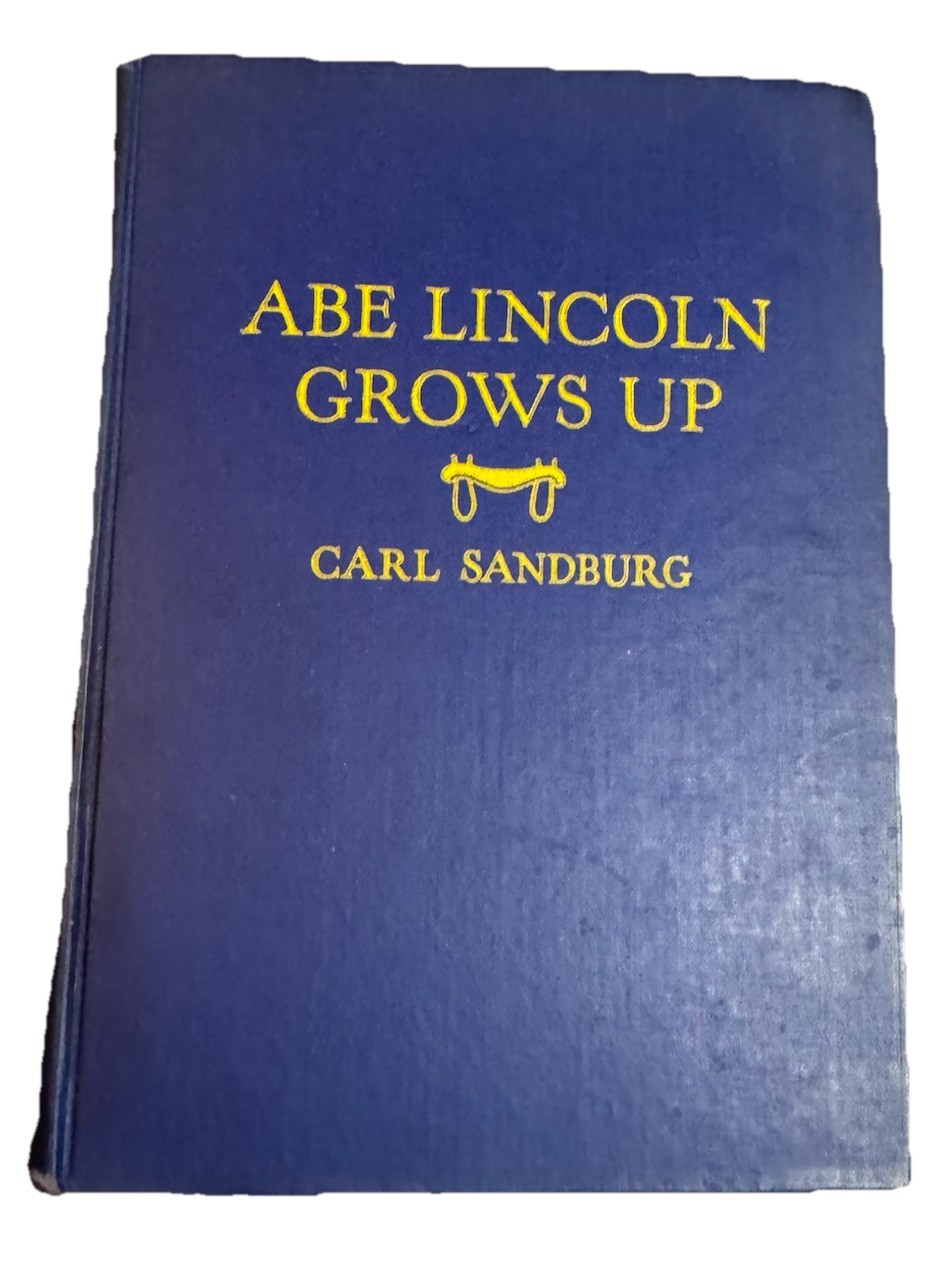

Photos from current listings. Actual item, color, and included accessories may vary.
Classic Literature Buying Guide
Classic literature collectibles are books valued for historical printing, binding, and provenance—not just the text. The core trade-off is between readable modern reprints and true antiquarian artifacts whose condition and edition determine worth. Buy original editions only when you can verify printing date, binding integrity, and completeness; otherwise choose high-quality facsimile or scholarly editions for reading.
At a glance
- Category
- Antiquarian & Collectible Books
- Last updated
- Nov 26, 2026
Current offers
Highlights
- Edition hierarchy: first editions, early printings, and limited press runs command premiums; book club and facsimile reprints are reading copies, not investments.
- Binding construction: full leather or cloth over boards with raised bands and sewn signatures outlast perfect-bound or glued paperbacks by decades.
- Condition grading follows antiquarian norms (Fine to Reading Copy); missing pages, ex-library marks, and rebinding cut value sharply.
- Paper acidity matters: pre-1850 rag paper ages better than 20th-century wood-pulp paper, which embrittles and yellows.
Best use cases
- Collecting investment-grade antiquarian: buy first editions or signed limited runs in original cloth/leather with no restoration—skip book club reprints.
- Reading classic literature comfortably: choose modern scholarly editions or facsimiles with acid-free paper—skip fragile 19th-century volumes with loose hinges.
- Decorative shelf display: pick matching leather-bound sets or gilt-decorated cloth from the 1890s–1920s—skip ex-library copies with stamps and stickers.
- Gifting a meaningful classic: select a clean early printing with intact dust jacket if post-1900—skip ex-library or water-damaged copies.
Buying tips
- Verify the printing date on the copyright page: 'First Edition' must match the publisher's first printing, not a later reprint with the same title.
- Check binding: sewn signatures and cloth/leather over boards are durable; perfect-bound or glued spines on thick volumes crack with use.
- For pre-1900 books, confirm all plates and pages are present—collation against a bibliographic reference prevents costly incomplete purchases.
- Match the edition to purpose: reading copies can be modern facsimiles; collectible copies must retain original boards, spine, and publisher's imprint.
Specs
| Edition Type | First edition / early printing / reprint |
|---|---|
| Binding | Cloth/leather over boards vs paperback |
| Paper Quality | Rag (pre-1850) vs acidic wood-pulp |
| Condition Grade | Fine / Very Good / Good / Reading Copy |
Related searches
What to check before buying
- Measure shelf depth and height: folio and quarto volumes exceed standard 9-inch shelves; verify clearance before buying large formats.
- Confirm climate: leather and cloth need 30–50% RH and stable temperature; avoid attics and damp basements to prevent foxing and red rot.
- Check voltage/plug only for companion items like reading lamps—books themselves need no power; ensure any display case lighting is low-UV.
- Inspect provenance: ex-library, bookplate, or inscription affects value; decide if you accept them before purchase.
FAQ
Data sources: eBay / Amazon listings and product attribute feeds. Updated Nov 26, 2026.
Some links on this page are affiliate links. If you buy after clicking one, we may earn a commission at no extra cost to you. This does not change which products appear here or their order. Affiliate disclosure.