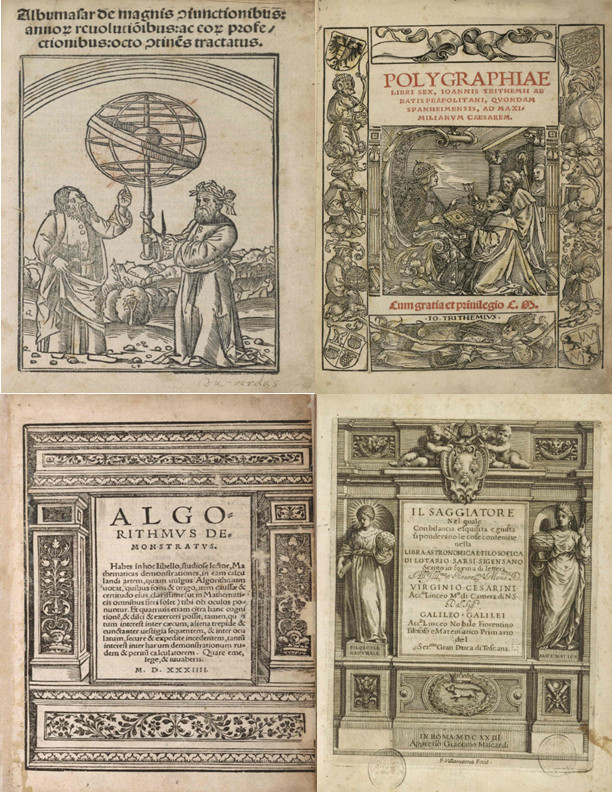

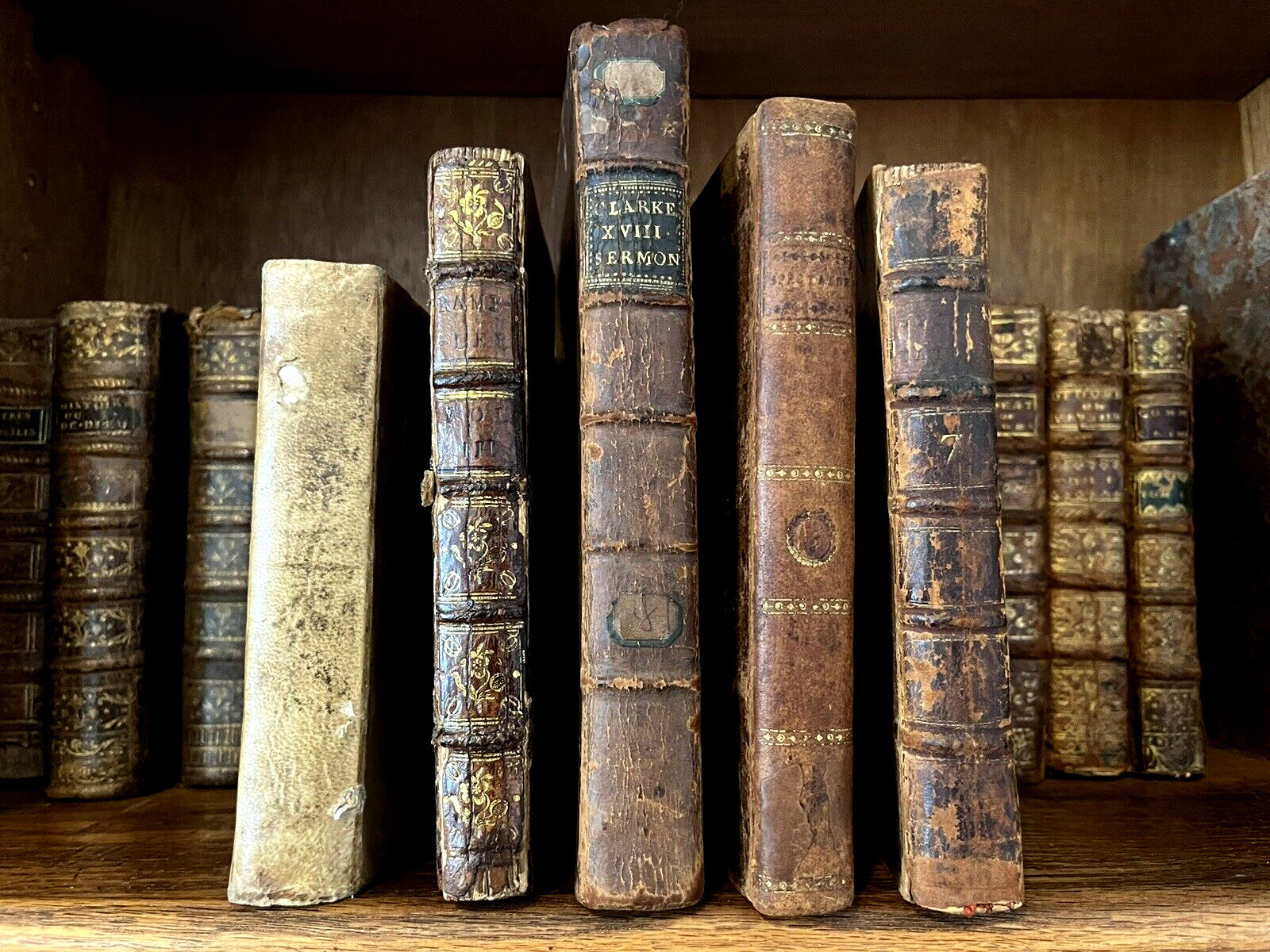
Photos from current listings. Actual item, color, and included accessories may vary.
Old Rare Book Buying Guide
Old rare books span two distinct markets: physical antiquarian volumes valued for age, binding, and provenance, and digital reference archives (DVD/PDF) used for research or decoration sourcing. The core trade-off is authenticity and condition versus volume economics — single collectible volumes carry edition and provenance premiums, while random lots trade individual rarity for shelf-fill decor value. Buy single dated volumes with publisher and edition verified for collecting; buy lots only for staging or reading stock, never as an investment.
At a glance
- Category
- Antiquarian & Collectible Books
- Last updated
- Nov 26, 2026
Current offers
Highlights
- Physical antiquarian tiers: 18th-century and earlier imprints, 19th-century leather/cloth trade bindings, and 20th-century first editions each carry different scarcity and conservation needs.
- Edition identification depends on title page, copyright page, and printer's key line — first editions are defined by printing statement, not by age alone.
- Binding condition grades run from Fine to Reading Copy; hinges, foxing, and board detachment are the primary value destroyers in leather volumes.
- DVD/PDF 'old rare books' products are scanned reference compilations, not antiquarian artifacts — they deliver content, zero collectible resale value.
Best use cases
- Buy a single dated volume (18th–19th century) with verified publisher and complete title page for collecting or gifting; skip random lots if provenance matters.
- Buy color-matched decorative lots (blue, green, mixed) for shelf staging, photo styling, or interior decor; skip them for reading or investment.
- Buy the science/mathematics/astrology reference DVD only as a low-cost research or browsing archive; skip it if you want physical rare books.
- Buy 5-book lots for small shelves or starter collections and 10-book lots for full-shelf decor; skip both when seeking a specific title or edition.
Buying tips
- Confirm the date is printed on the title page or copyright page — seller-listed '1800s' claims without a visible date line are unreliable.
- For leather bindings, check hinge and joint photos; detached boards or cracked hinges drop a volume to reading-copy grade regardless of age.
- Expect random lots to duplicate titles and mix genres — order lot sizes by shelf inches needed, not by title selection.
- Treat DVD/PDF book archives as scanned reference content; they carry no antiquarian artifact value and no resale market.
Specs
| Format | Physical volume vs DVD/PDF archive |
|---|---|
| Century | 1700s / 1800s / 1900s imprints |
| Binding | Leather / cloth / paper boards |
| Condition Grade | Fine to Reading Copy |
Related searches
What to check before buying
- Measure shelf height and depth before buying folio or quarto volumes; tall 18th-century formats often exceed standard 9–10 inch shelf clearance.
- Check home humidity and light exposure — leather and cloth bindings need stable 35–55% RH and away-from-sun placement to slow foxing and red rot.
- For lots, confirm the color family and approximate book count match your decor plan; mixed lots ship assorted titles and sizes.
- For DVD/PDF archives, confirm disc or file format compatibility with your computer or DVD drive before ordering.
FAQ
Data sources: eBay / Amazon listings and product attribute feeds. Updated Nov 26, 2026.
Some links on this page are affiliate links. If you buy after clicking one, we may earn a commission at no extra cost to you. This does not change which products appear here or their order. Affiliate disclosure.