
Photos from current listings. Actual item, color, and included accessories may vary.
Old Vintage Book Buying Guide
Old vintage books are secondhand hardcovers typically 50–150+ years old, sold either as curated decorative lots or as unsorted reading copies. The core trade-off is decorative shelf impact versus readable structural integrity: lots sorted by color and era deliver uniform styling, while unsorted mixes trade consistency for genuine scarcity and lower per-unit cost. The decision rule is simple: buy by-the-lot color-sorted books only when the binding and page block are intact enough to shelve; buy unsorted lots only when you accept mixed condition and duplicate titles.
At a glance
- Category
- Antiquarian & Collectible Books
- Last updated
- Nov 26, 2026
Current offers
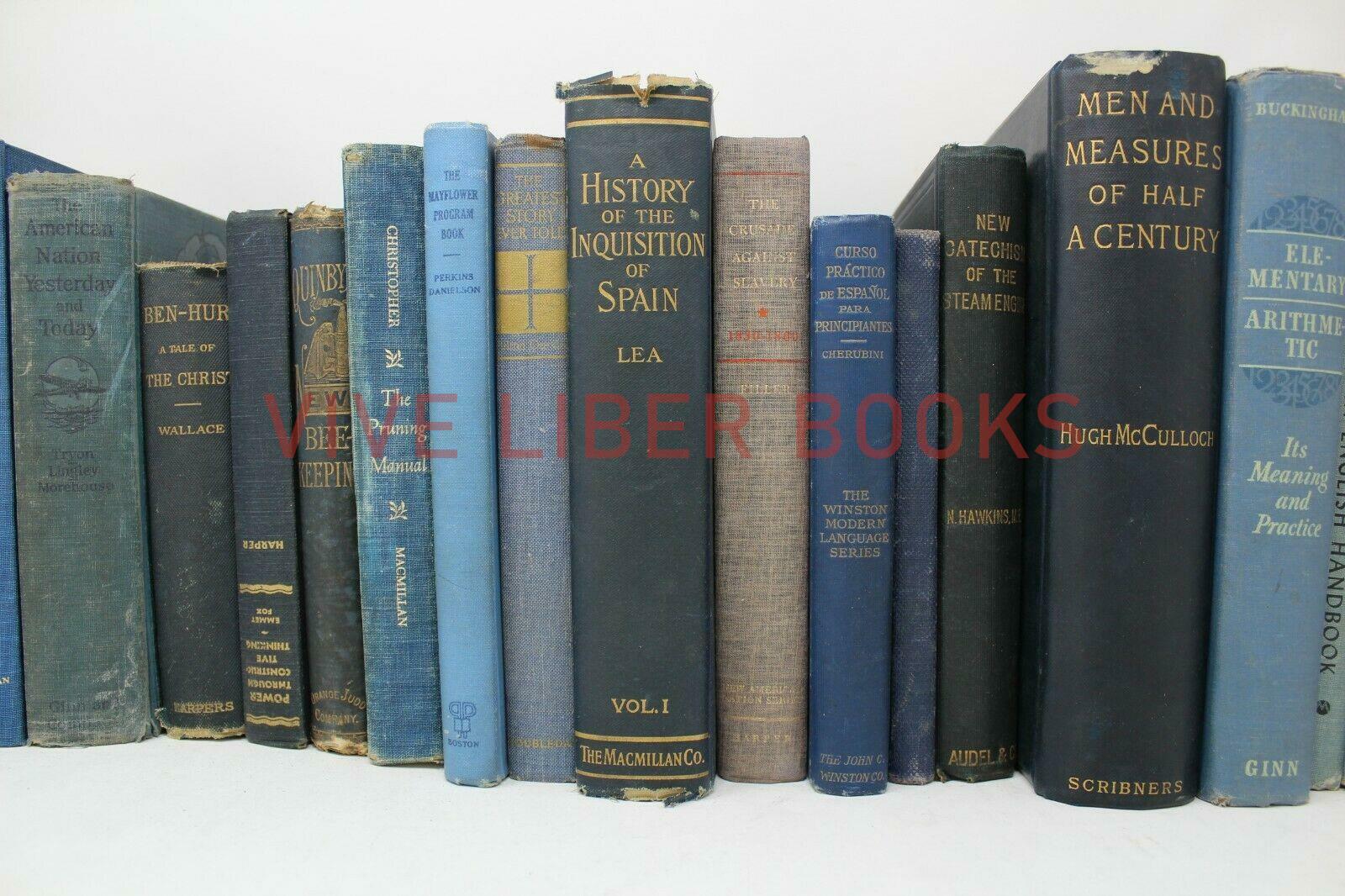 Lot of 5 BLUE / Shades of blue Old Vintage Antique Rare Hardcover Random Books$26.95View on eBay
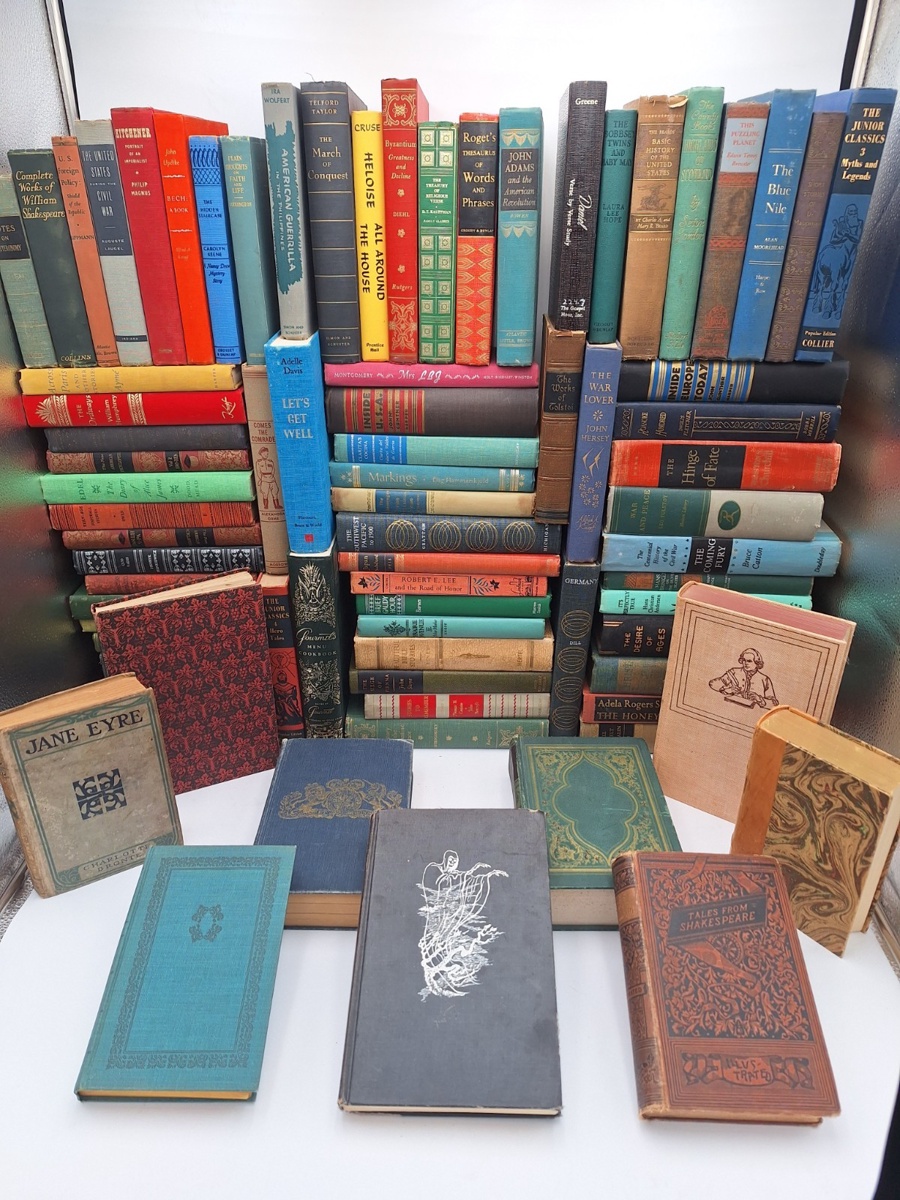 Lot of 10 Vintage Old Rare Antique Hardcover Books - Mixed Color - RANDOM$32.95View on eBay
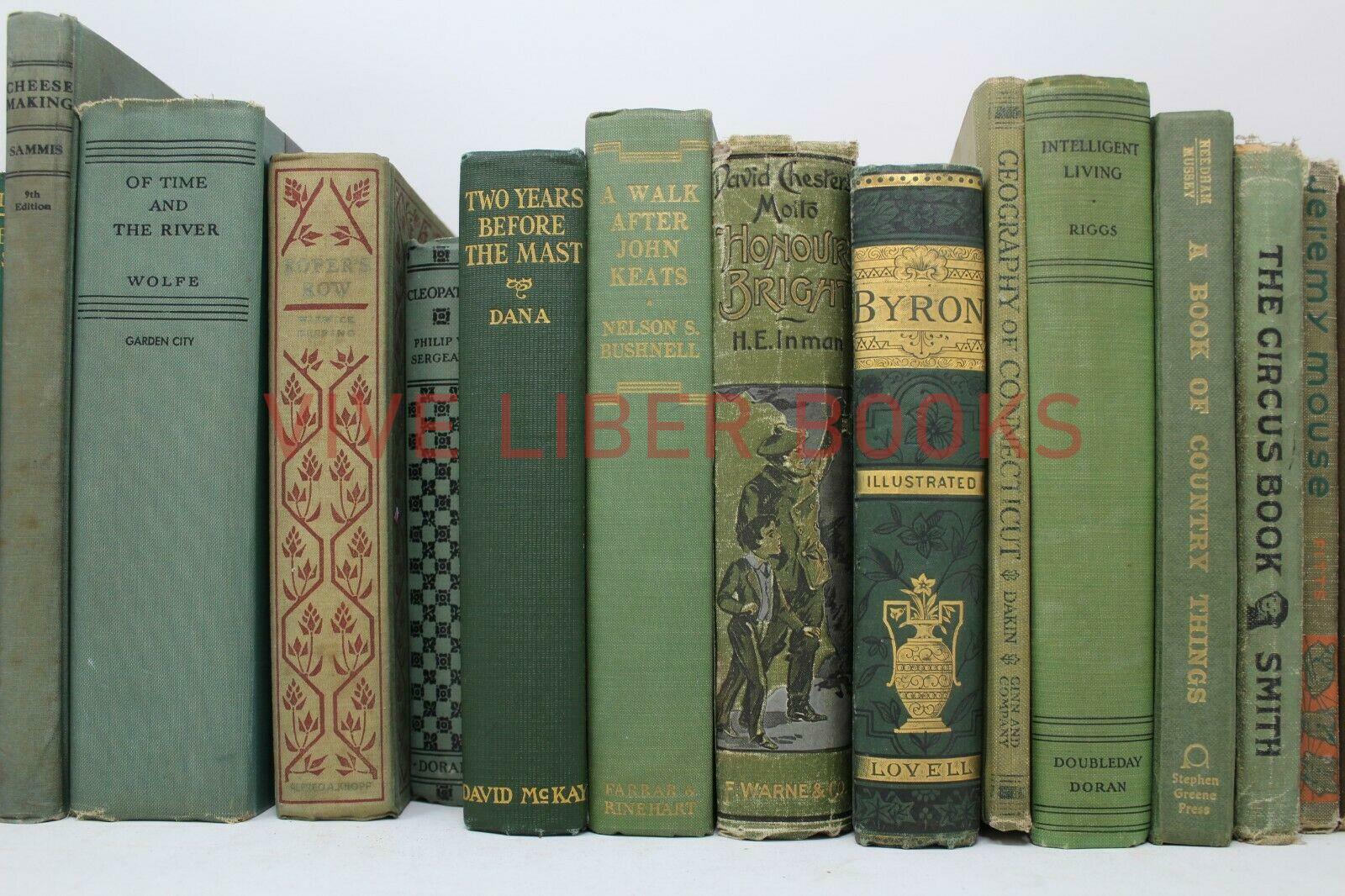 Lot of 5 GREEN / Shades of Green Old Vintage Antique Rare Hardcover Random Books$34.95View on eBay
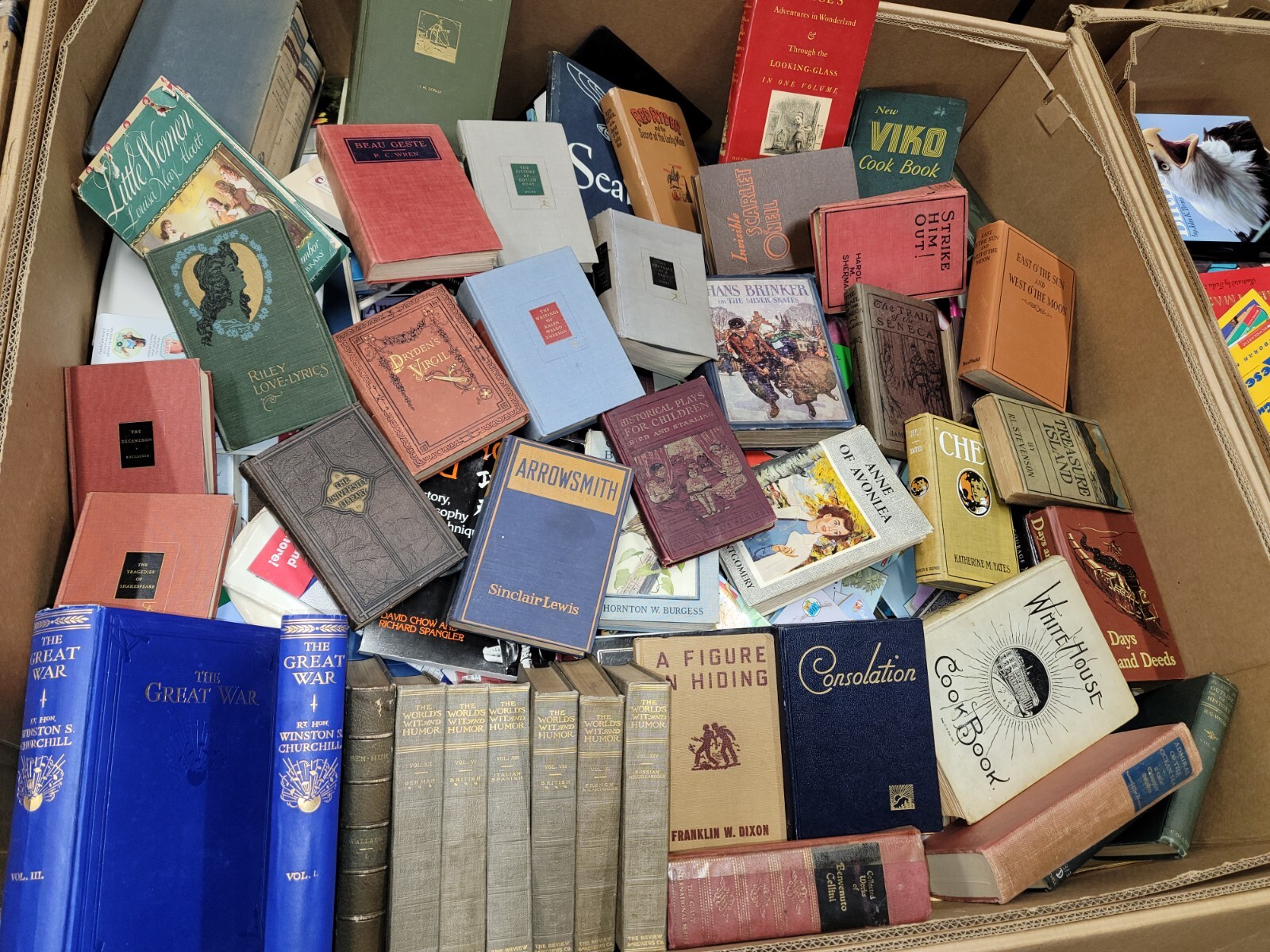 Lot of 10 Antique Collectible Vintage Old Rare Hard To Find Books *MIX UNSORTED*$39.99View on eBay
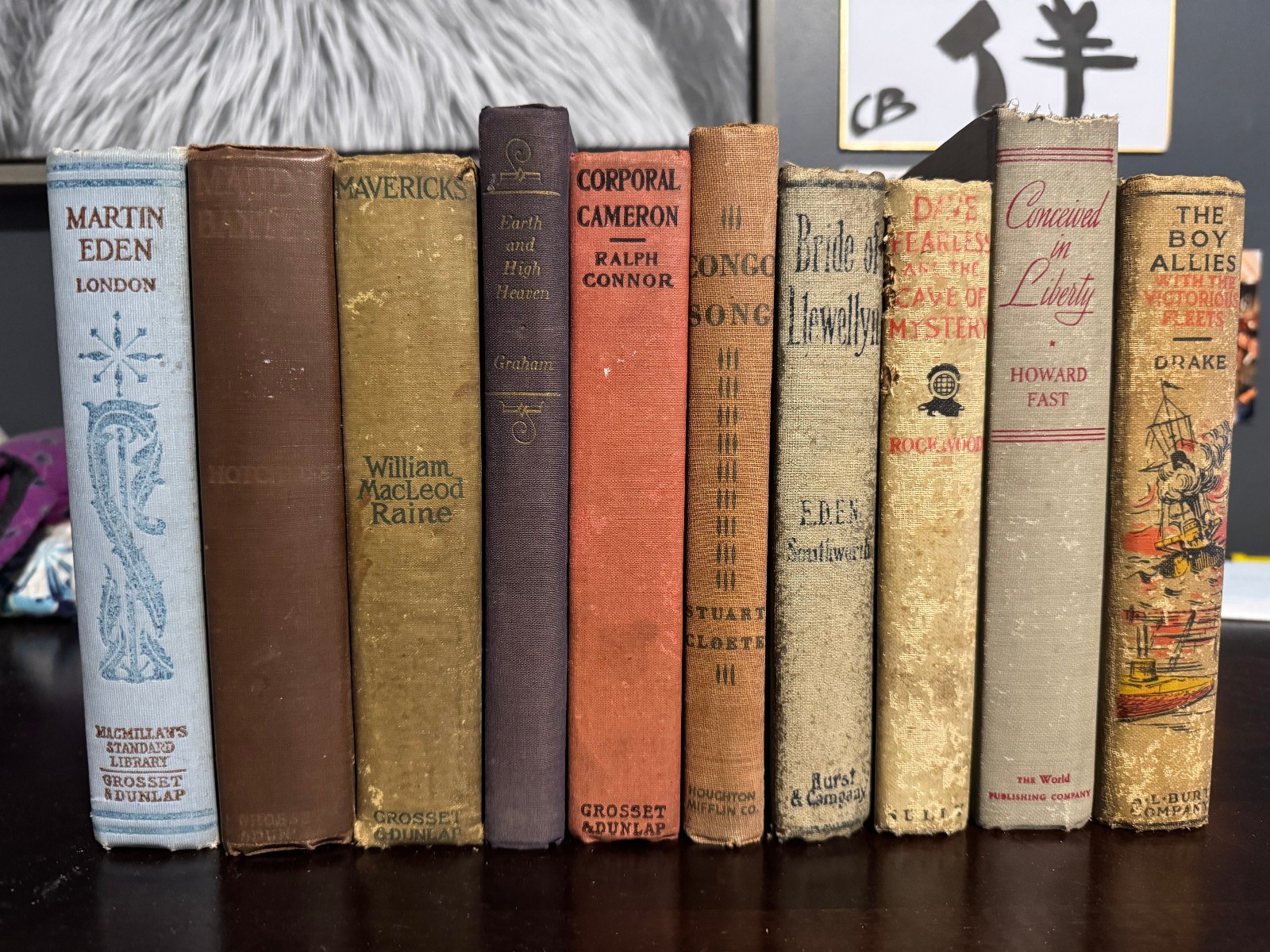 Vintage Books Lot, Rough-Good condition, 100+ years old, decorative or practical$40.00View on eBay
Highlights
- Color-sorted lots (blue, green, red) are graded for spine uniformity and shelf aesthetics, not for title rarity or complete text blocks.
- True antique status means pre-1920s publication, usually cloth-over-board or full-leather bindings with sewn signatures rather than glued perfect binding.
- Decorative condition tiers run from fine (tight hinges, no foxing) to reading copy (loose hinges, brittle pages); lots rarely exceed 'good' on average.
- Unsorted 10-packs trade title diversity for higher odds of ex-library stamps, moisture staining, and missing dust jackets.
Best use cases
- Buy a color-sorted 5- or 10-book lot for styled shelving, wedding decor, or staged photography where uniform spine color matters more than titles.
- Buy an unsorted mixed lot when you want authentic reading copies and are willing to discard 20–30% as unreadable or duplicate.
- Skip oversized 'decorative only' lots if you need specific titles or authors; those require single-title listings with edition and printing details.
- Choose 100+ year-old lots only for display or archival handling; for actual reading, pick mid-century (1930–1970) hardcovers with intact hinges.
Buying tips
- Measure shelf depth before buying: standard vintage octavo hardcovers run 5.5–6.5 in wide and 8–9.5 in tall; folio sizes exceed 12 in and need deeper shelves.
- For a uniform look, order lots described as matching spine height and color family; mixed-color lots will vary 1–2 in in height and clash on open shelving.
- Prioritize lots that state 'sewn binding' or 'tight hinges'; glued or tape-repaired spines fail within a few years of display handling.
- Expect 10–20% condition attrition in any random lot; buy one size larger than needed if the exact shelf count must be filled.
Specs
| Era Classification | Antique pre-1920 / Vintage 1920-1970 |
|---|---|
| Binding Type | Cloth-over-board / Full leather / Paper |
| Lot Format | Color-sorted 5-10 / Unsorted mix |
| Condition Grade | Fine to reading copy; expect 10-20% attrition |
Related searches
What to check before buying
- Confirm shelf and bookcase depth clears 9.5 in for standard octavo volumes and 12+ in for folios before ordering oversized lots.
- Check home humidity: leather and cloth bindings need 35–55% RH; damp basements accelerate foxing and red rot.
- Verify the lot is described by publication era (pre-1920, 1920–1950) rather than just 'vintage', which legally can mean 20 years old.
- Plan for dust jackets: most antique lots ship jacketless, so spine color and boards are what you actually display.
FAQ
Data sources: eBay / Amazon listings and product attribute feeds. Updated Nov 26, 2026.
Some links on this page are affiliate links. If you buy after clicking one, we may earn a commission at no extra cost to you. This does not change which products appear here or their order. Affiliate disclosure.