
Photos from current listings. Actual item, color, and included accessories may vary.
Rare Antique Book Buying Guide
Rare antique books are pre-1930 printed volumes valued for scarcity, provenance, and physical condition rather than readable content. The central trade-off is authenticity and completeness versus decorative bulk: true collectibles carry dated imprints, intact bindings, and collated plates, while 'rare book lot' bundles are unsorted reading or decor stock. The decision rule: buy single copies with a stated publisher, date, and edition for collecting, and buy lots only for shelf-filling decor where no specific title is expected.
At a glance
- Category
- Antiquarian & Collectible Books
- Last updated
- Nov 26, 2026
Current offers
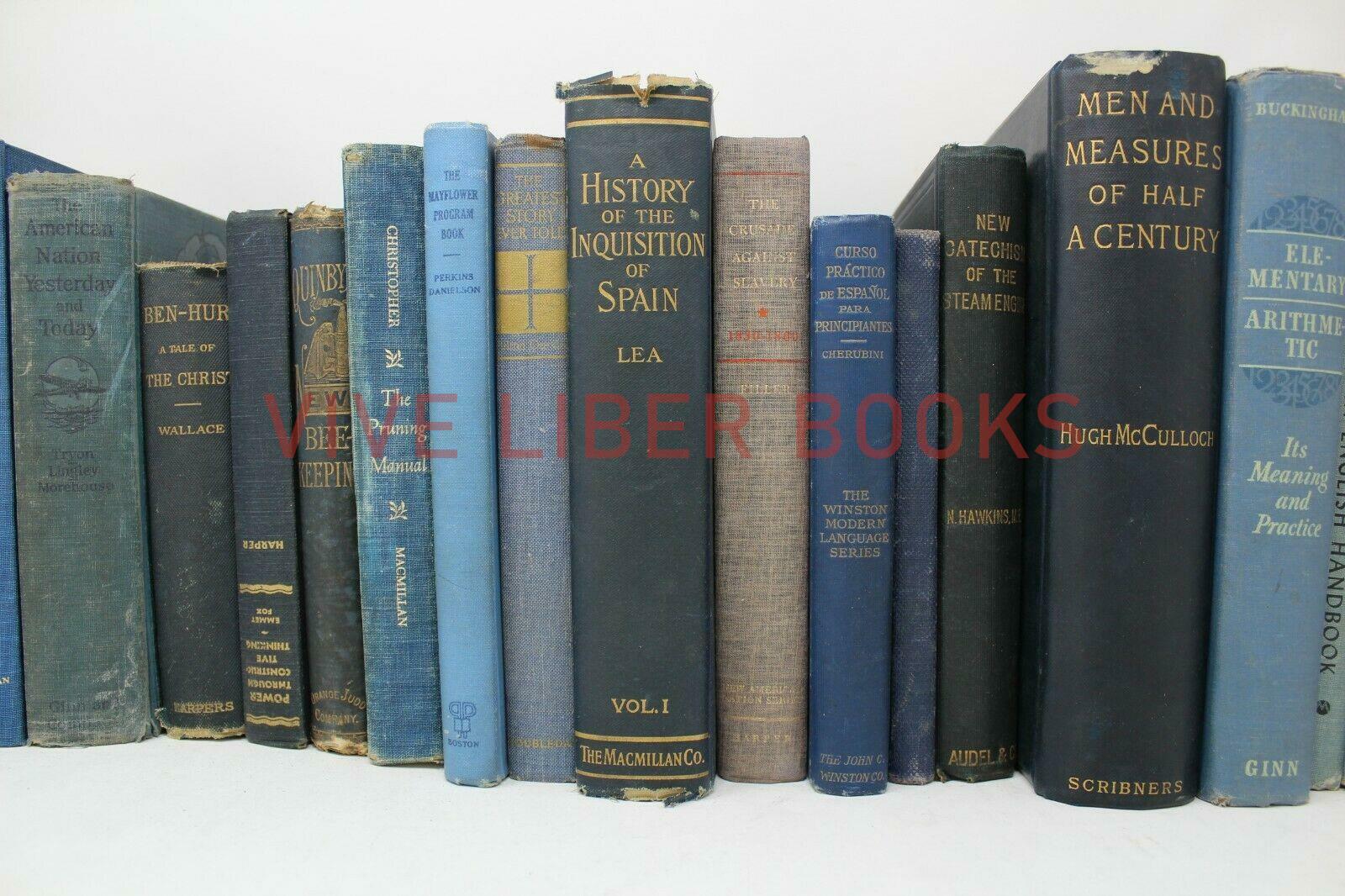 Lot of 5 BLUE / Shades of blue Old Vintage Antique Rare Hardcover Random Books$26.95View on eBay
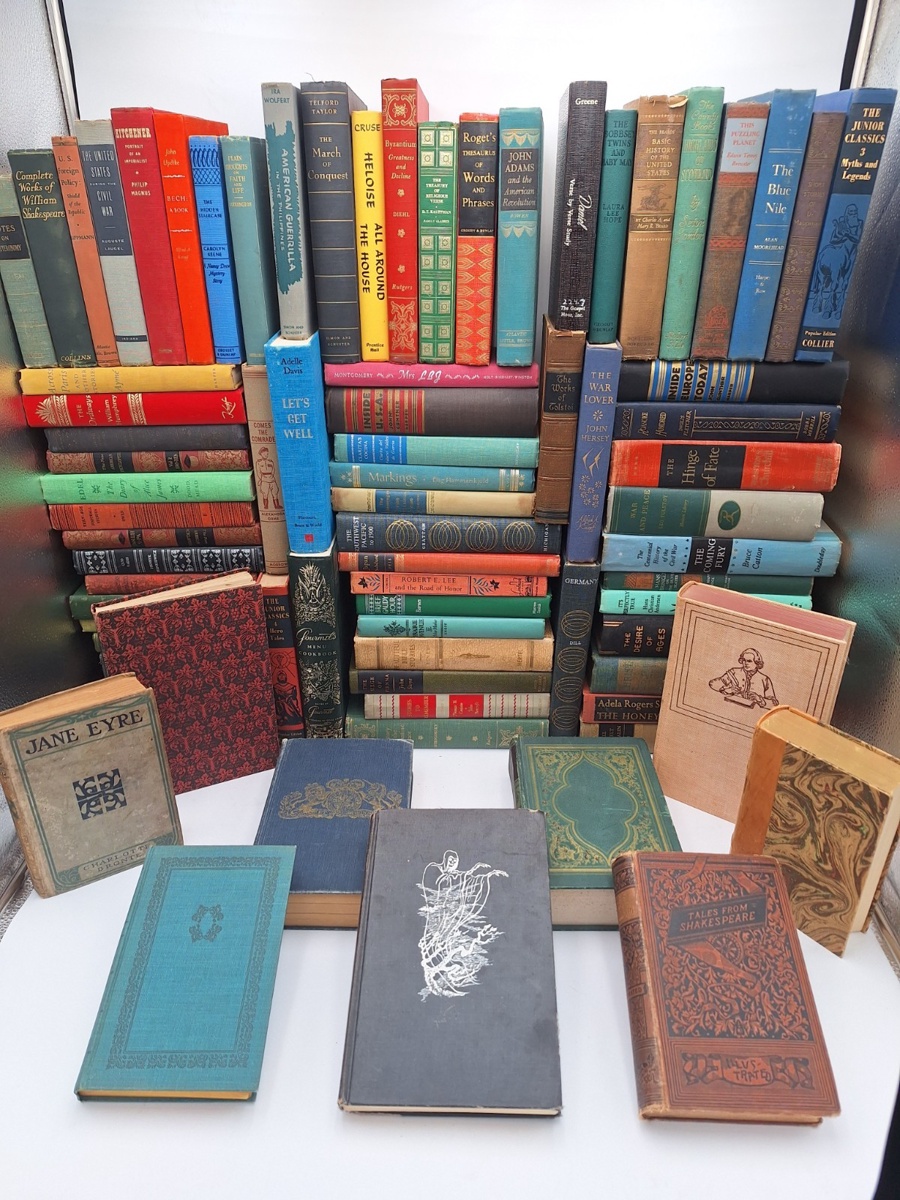 Lot of 10 Vintage Old Rare Antique Hardcover Books - Mixed Color - RANDOM$32.95View on eBay
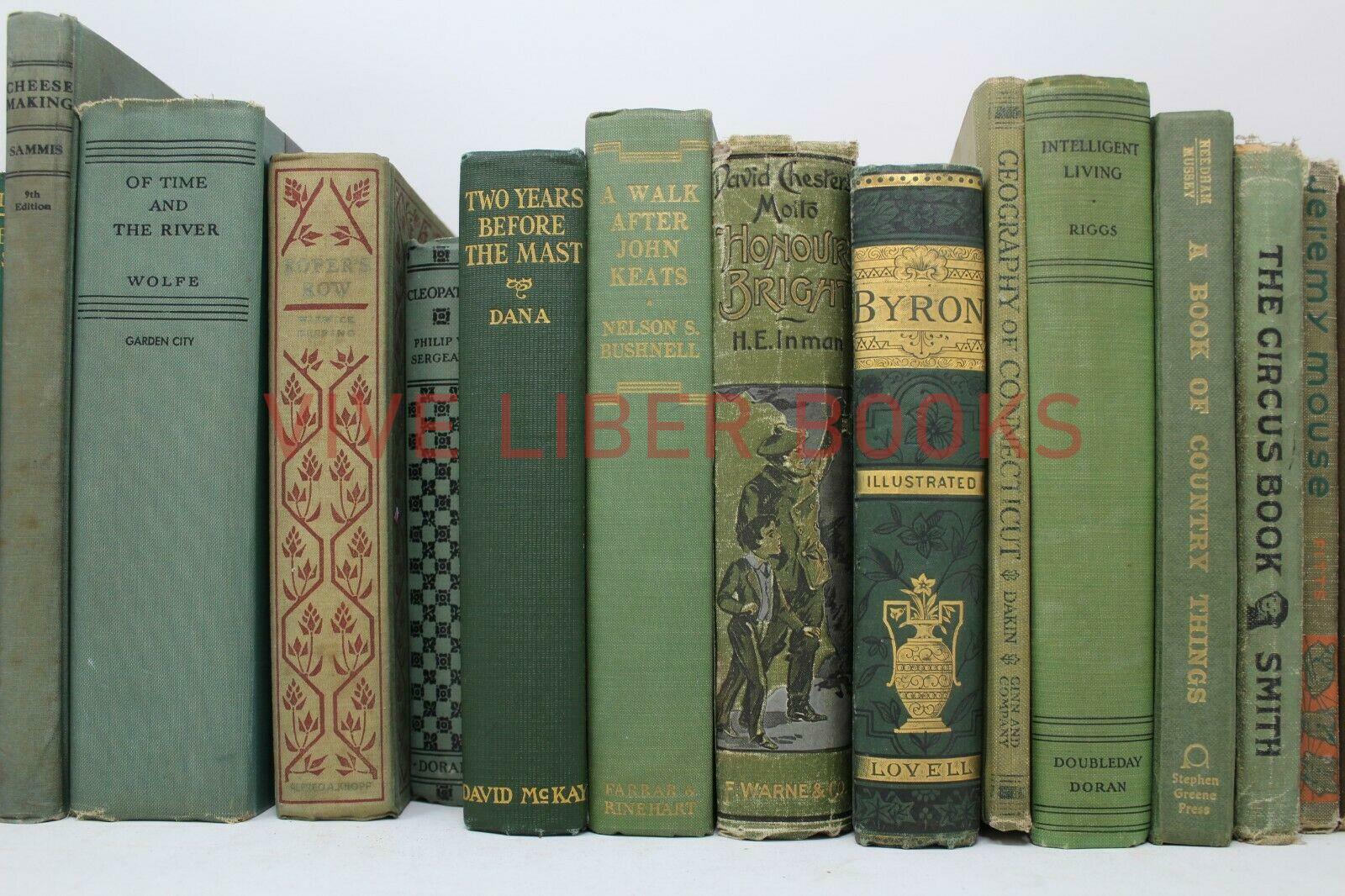 Lot of 5 GREEN / Shades of Green Old Vintage Antique Rare Hardcover Random Books$34.95View on eBay
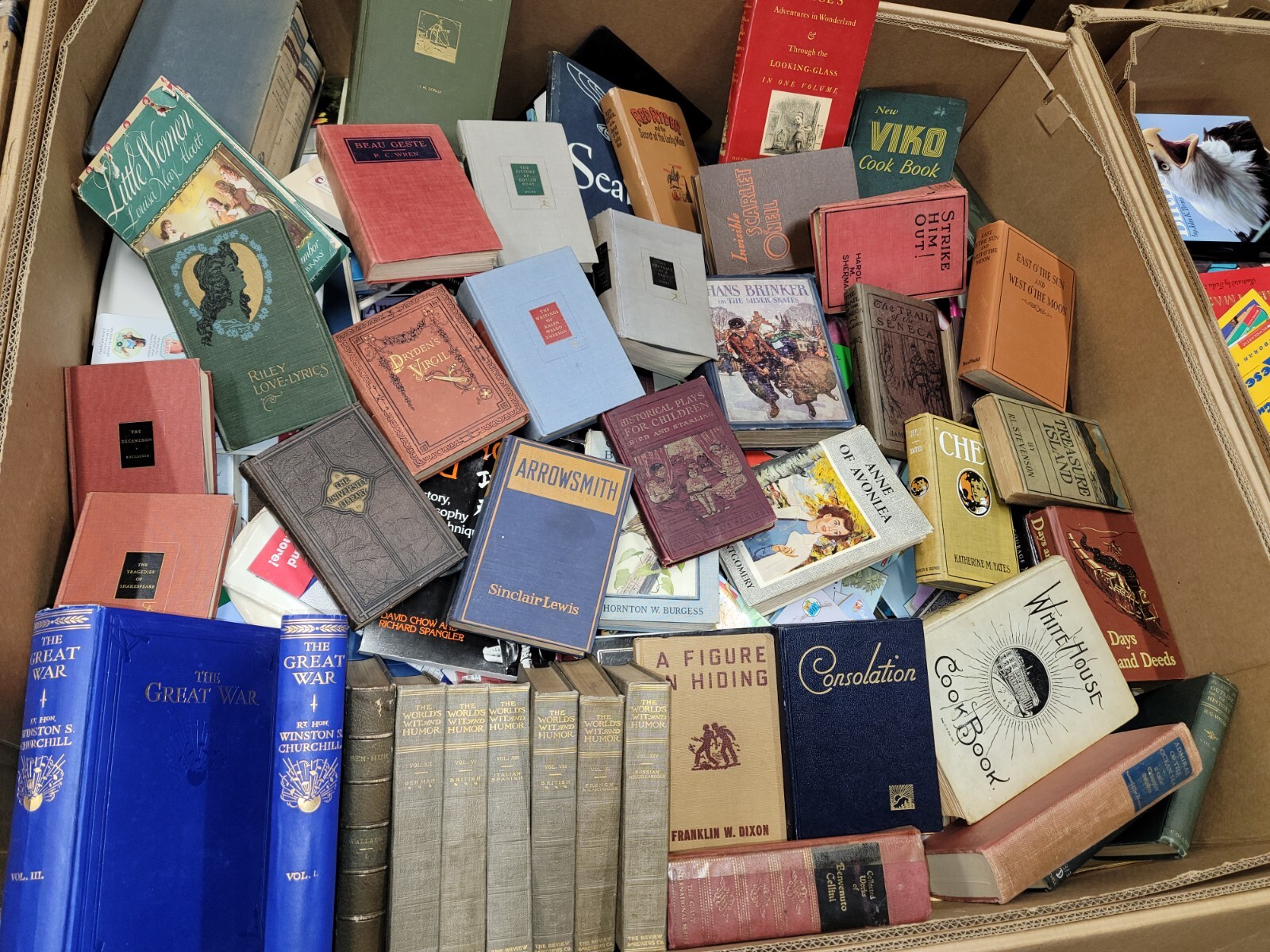 Lot of 10 Antique Collectible Vintage Old Rare Hard To Find Books *MIX UNSORTED*$39.99View on eBay
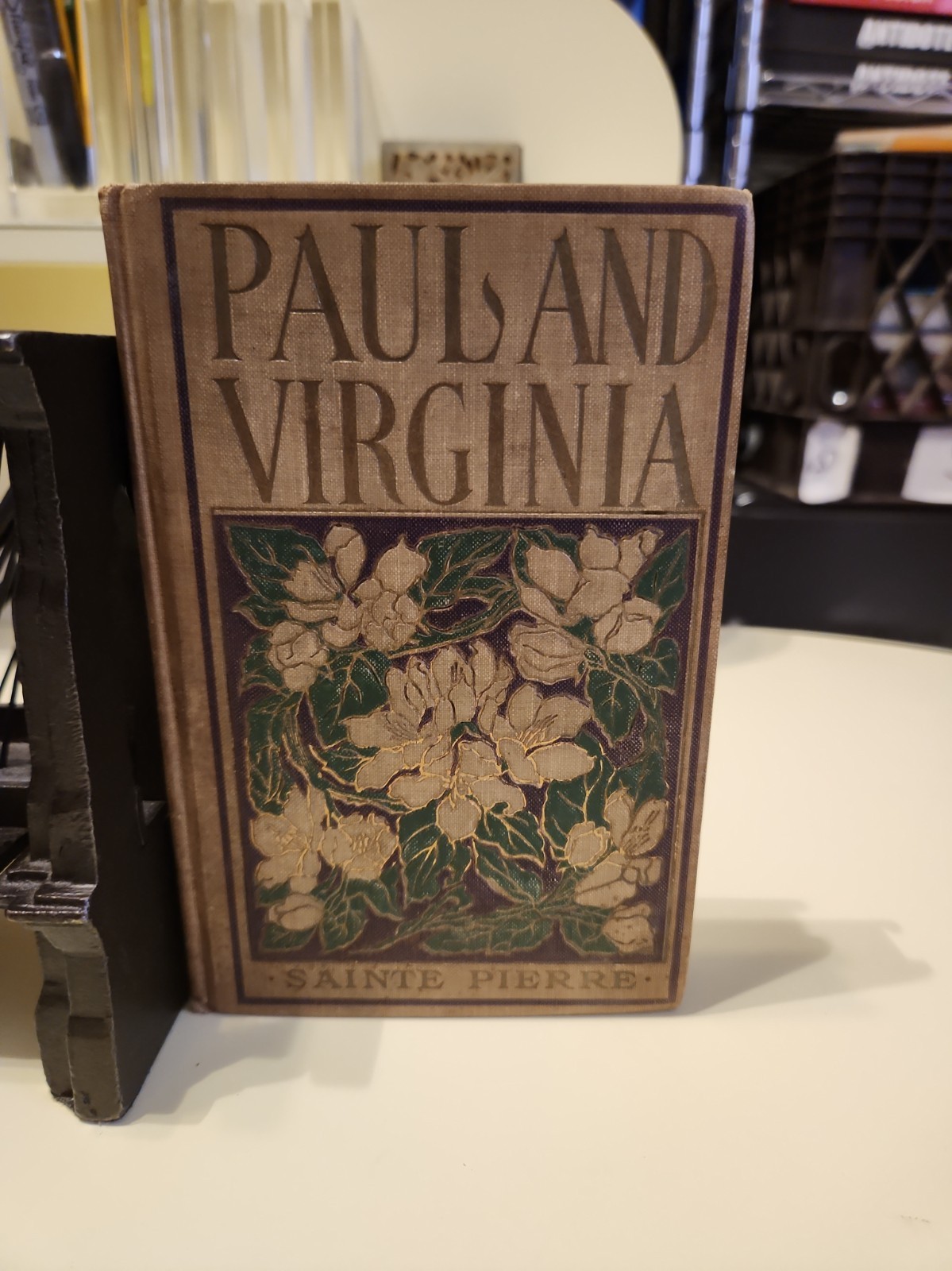 ANTIQUARIAN PAUL AND VIRGINIA SAINTE PIERRE COLLECTIBLE RARE ANTIQUE BOOK C2$48.86View on eBay
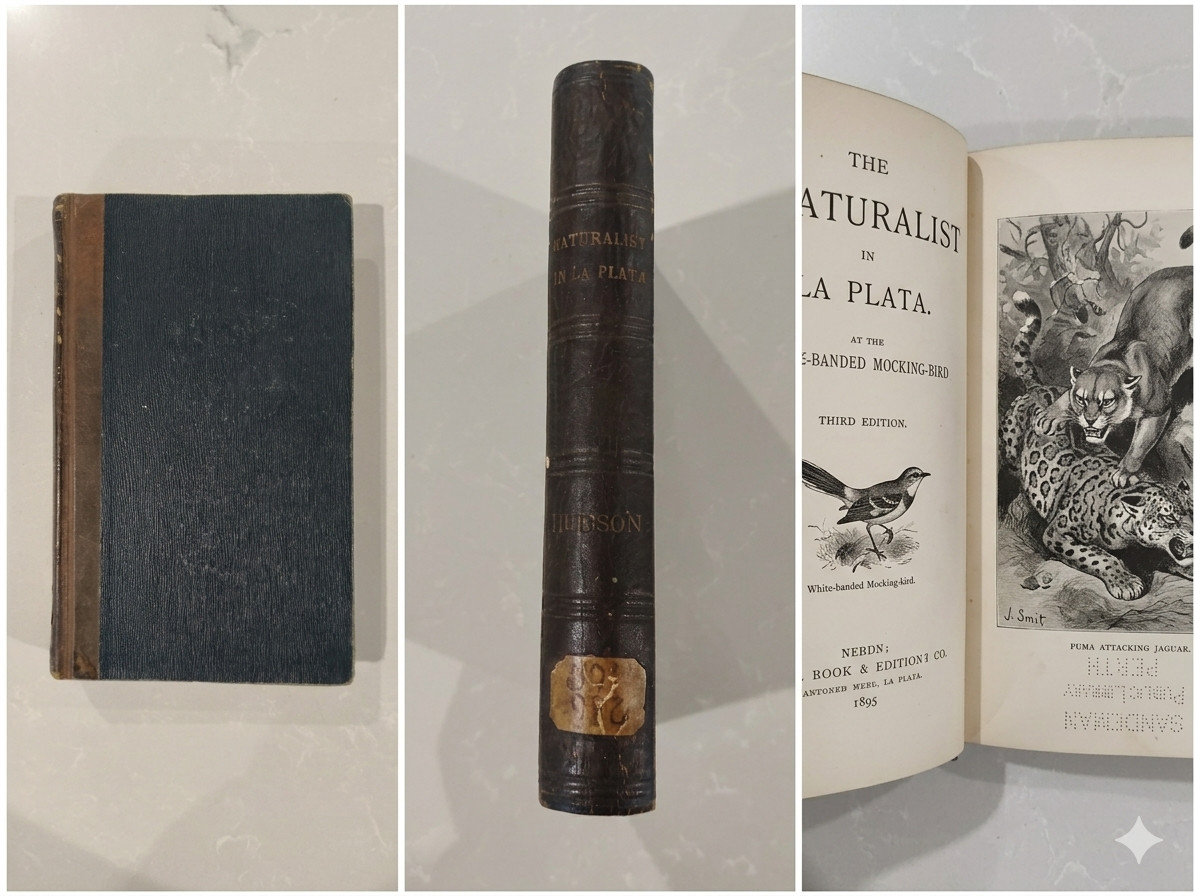 The Naturalist in La Plata – W.H. Hudson (1895 Edition) – RARE ANTIQUE BOOK$59.99View on eBay
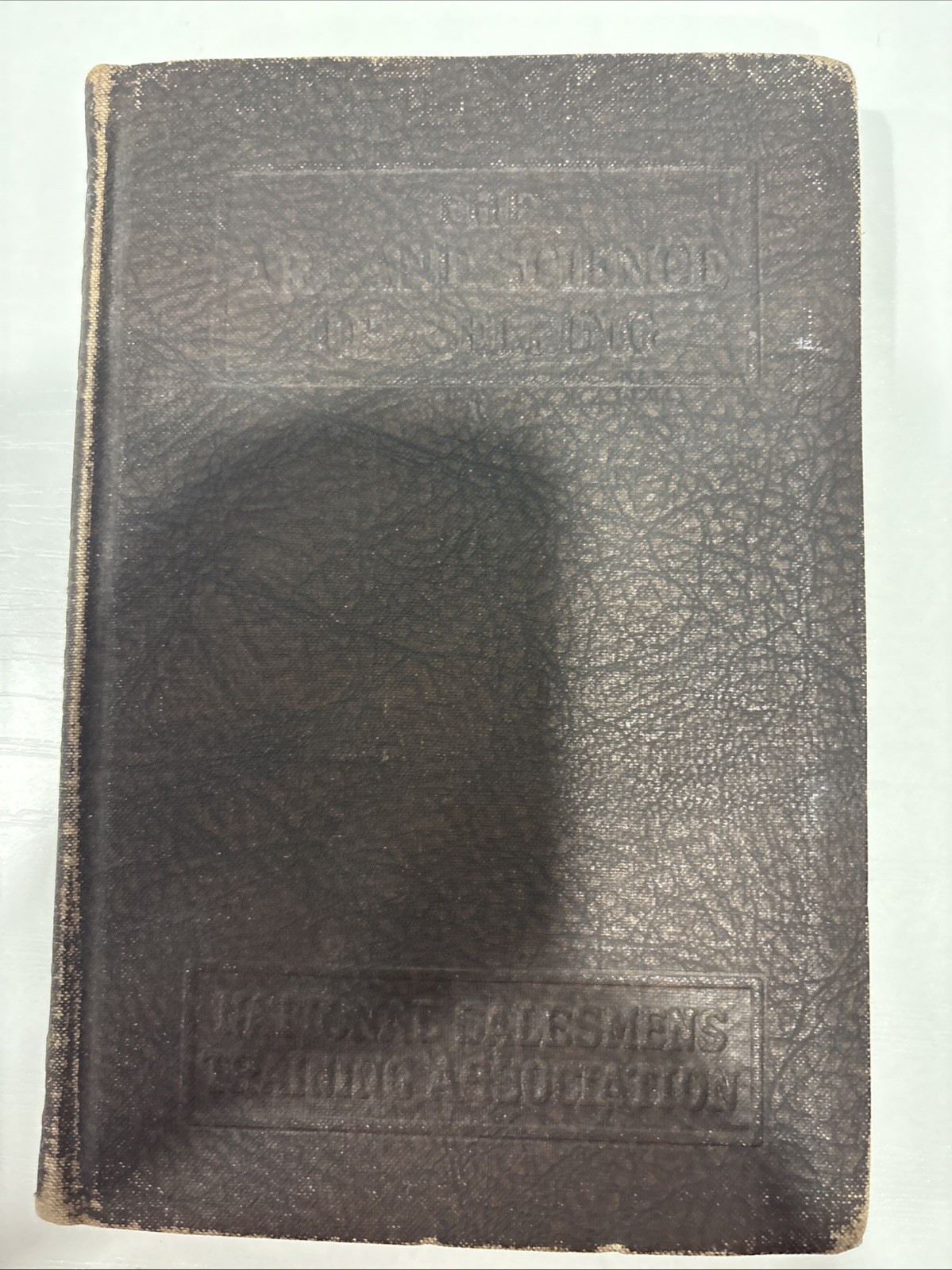 Very Rare Book, Antique, Collectible The Art And Science Of Selling, 1922$65.00View on eBay
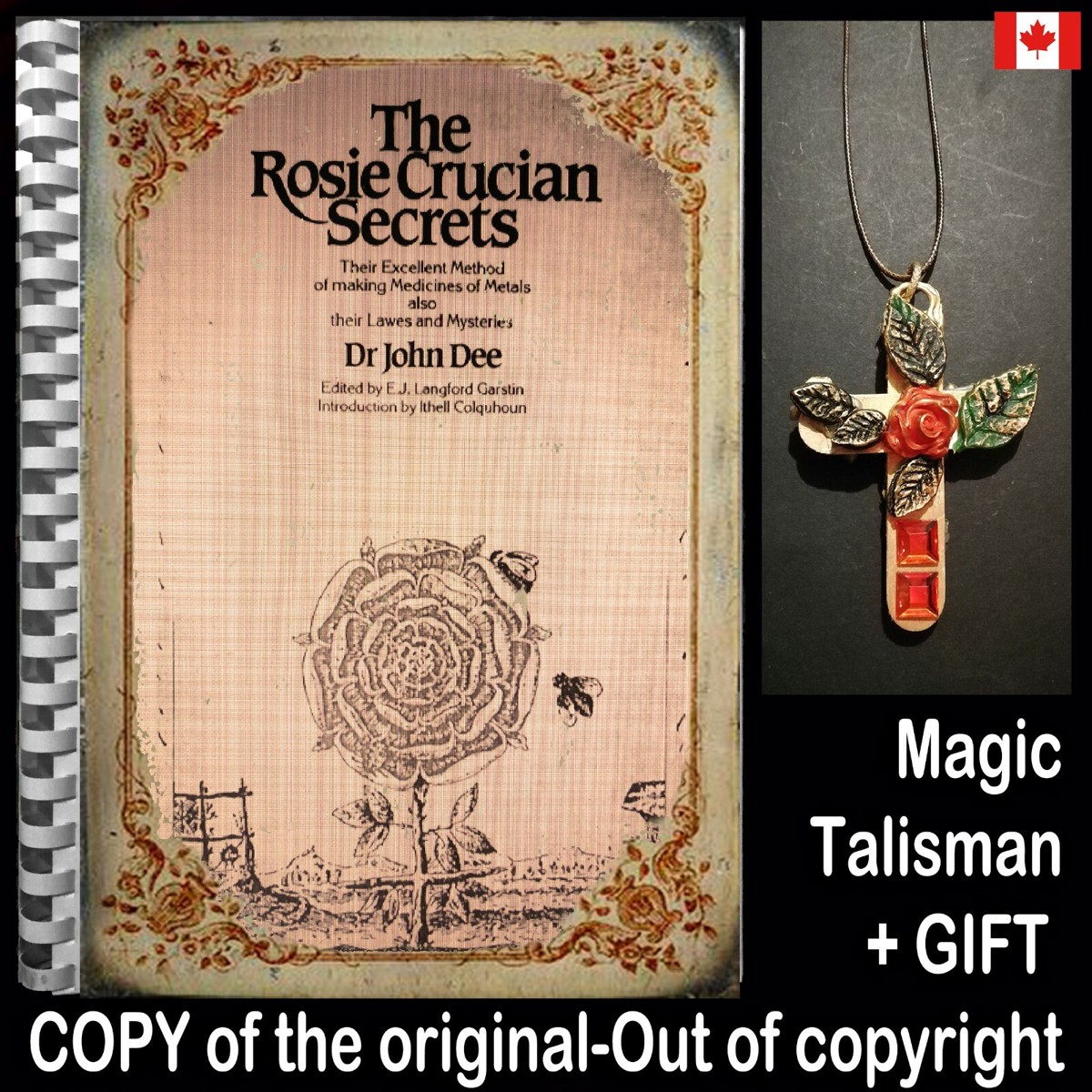 antique book magic rosicrucian secret alchemy occult esoteric rare manuscript of$140.76View on eBay
Highlights
- Edition hierarchy: first editions, limited signed runs, and illustrated plates outrank later reprints of the same title by a wide margin.
- Binding construction: top-tier copies use full leather or cloth over cord-sewn signatures; cheap rebacks and glue repairs destroy collector value.
- Condition grading runs Fine, Near Fine, Very Good, Good, Fair; foxing, detached boards, and missing pages drop a copy two or more grades.
- Lot listings are unsorted random assortments; single-title listings with publisher and year imprints are the only reliably collectible format.
Best use cases
- Buy a single dated edition with named publisher and author when building a collection or gifting a specific title; skip random lots entirely.
- Buy color-themed or mixed lots strictly for interior decor by the linear foot; expect ex-library stamps, loose hinges, and no resale value.
- Choose occult, esoteric, or specialist-subject volumes only with complete plate counts and intact title pages; partial copies are near-worthless.
- Skip 'very rare' claims without a date or publisher; pick copies where the listing states edition, year, and binding type instead.
Buying tips
- Match the imprint year to the title's true first-edition date; any later printing is a reprint and commands a fraction of first-edition value.
- For decor lots, plan roughly 8-12 books per shelf meter and expect 10-20% unusable copies from mold, water damage, or detached covers.
- Prefer cloth or full-leather bindings over paper-covered boards; leather spines should be supple, not cracking or red-rot powdery.
- Collation matters: illustrated and plate-heavy titles must list all plates present, since missing plates can halve a copy's value.
Specs
| Edition Tier | First edition vs later reprint |
|---|---|
| Binding Type | Full leather / cloth / paper boards |
| Condition Grade | Fine to Fair (ABAA-style scale) |
| Completeness | All pages & plates collated |
Related searches
What to check before buying
- Measure shelf depth and height first; quarto and folio antiquarian volumes exceed standard 24 cm shelf depth and need deeper cases.
- Confirm climate: keep rare books below 70°F and 50% relative humidity; damp rooms cause foxing and mold within a season.
- Verify page count and plate list against the edition's bibliographic record before paying for any 'complete' claim.
- For lots, confirm total book count and average height so the assortment fits the intended shelf or display run.
FAQ
Data sources: eBay / Amazon listings and product attribute feeds. Updated Nov 26, 2026.
Some links on this page are affiliate links. If you buy after clicking one, we may earn a commission at no extra cost to you. This does not change which products appear here or their order. Affiliate disclosure.