
Photos from current listings. Actual item, color, and included accessories may vary.
Rare Book Buying Guide
Rare books span hand-press antiquarian volumes to modern signed first editions, where value hinges on edition priority, condition grade, and provenance rather than decorative appeal. The core trade-off is authentic scarcity versus manufactured 'vintage' lots, so the decision rule is simple: buy from a seller who identifies edition, printing, and faults, and skip any listing that hides behind 'rare' without a collation.
At a glance
- Category
- Antiquarian & Collectible Books
- Last updated
- Nov 26, 2026
Current offers
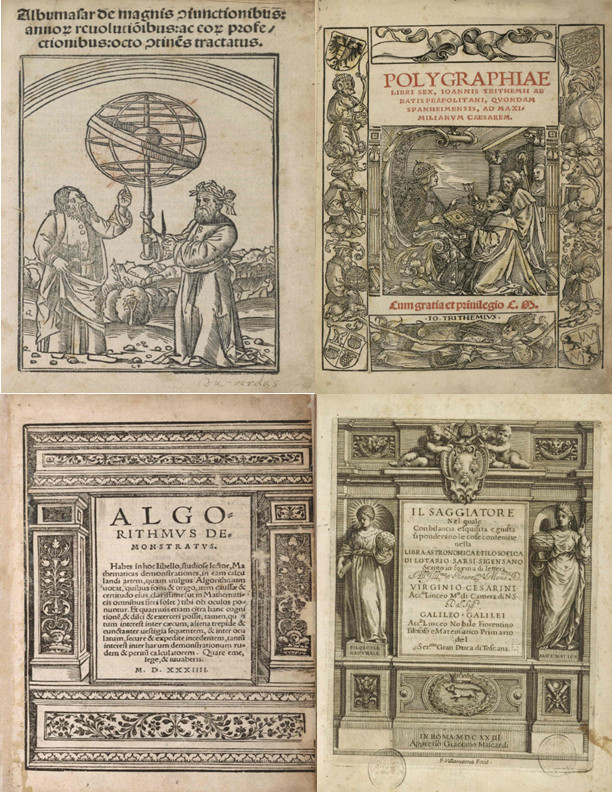 30 Old Rare Books on Science Mathematics Astrology & Natural History - DVD$14.99View on eBay
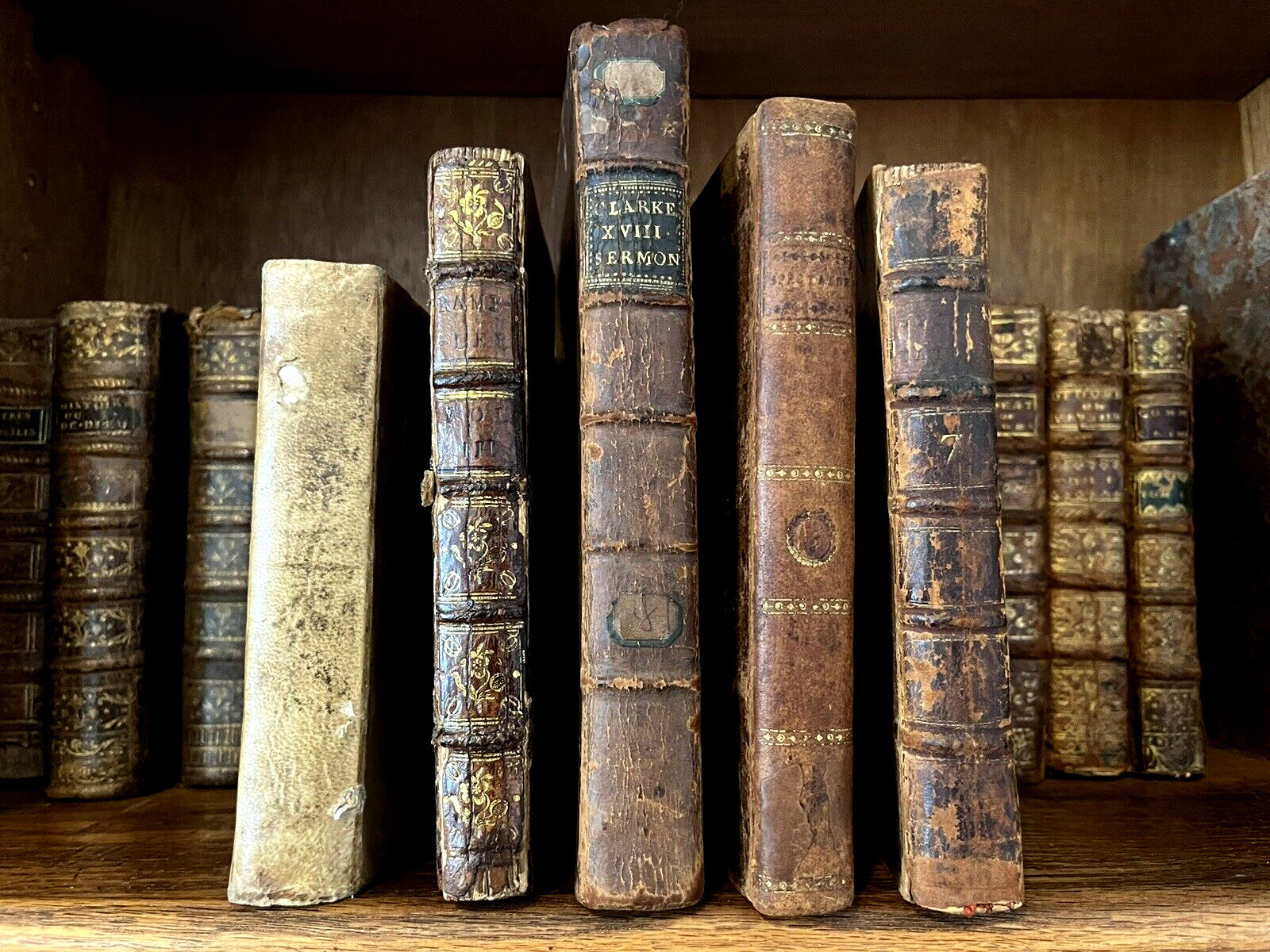 ENGLISH OLD BOOK FROM 1700s - Rare Historical Collectible Text from 18th Century$69.99View on eBay
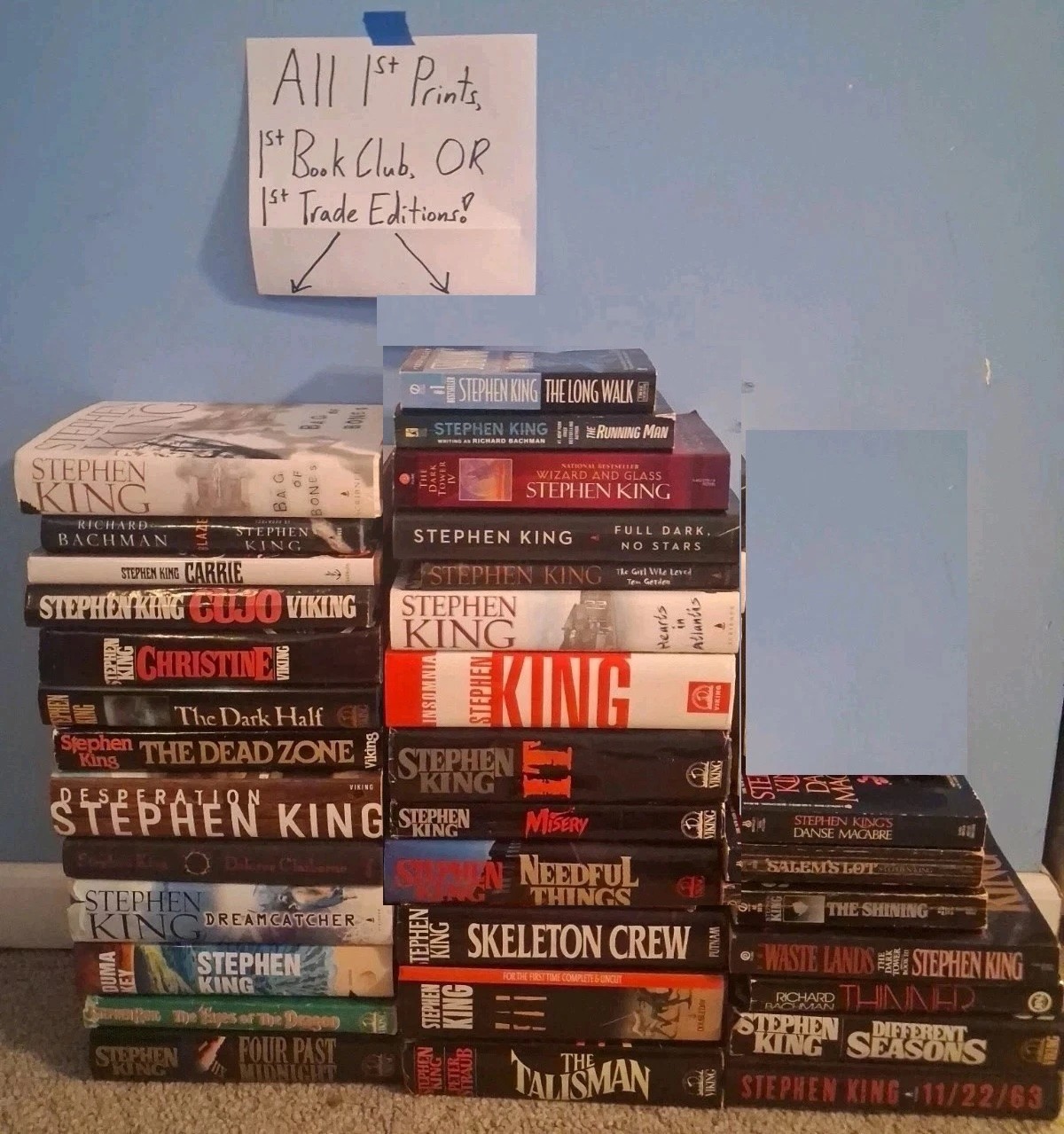 VERY RARE! 33 x Stephen King Book Lot! 26 1st Print/Editions! Cujo, Misery, It+$879.99Very Good · Last checked Nov 21, 2026View on eBay
Highlights
- Edition priority drives value: true first printings, first thus, and limited issues carry premiums; book-club or later printings of the same title trade at a fraction.
- Condition follows the antiquarian scale (Fine to Poor), with defects like foxing, rebacking, ex-library marks, and facsimile jackets cutting value sharply.
- Pre-1800 hand-press books use laid or wove paper and often require collation against ESTC or bibliographies to confirm completeness.
- Modern collectibles hinge on issue points (price-clipped vs intact jacket, printing statements) and signatures verified against author exemplars.
Best use cases
- Best fit: a named antiquarian title with a stated edition and collation for collectors building a subject collection; skip random 'lot of 10' bundles, which are decor, not collectibles.
- Best fit: a signed or first-edition modern novel with jacket and issue points for literary collectors; skip unsigned reprints marketed as 'rare'.
- Best fit: a dated 18th/19th-century imprint for history-of-science or travel collectors; skip DVD '30 rare books' scans, which are digital reproductions, not books.
Buying tips
- Demand the exact edition statement (first edition, first printing, later printing) and copyright page photo before committing; 'rare' alone is not a grade.
- Match the physical format to your shelf: folio and quarto antiquarian volumes exceed standard 9-10 inch shelving, so measure depth and height first.
- For pre-1900 books, confirm the binding is original or contemporary; rebacked or rebound copies are usable but cap resale value.
- Treat color-matched decorative lots and DVD scans as styling or reference purchases, not investments; their resale is near zero.
Specs
| Edition Priority | First printing > later printing > reprint |
|---|---|
| Condition Scale | Fine / Near Fine / Very Good / Good / Fair |
| Binding | Original or contemporary preferred |
| Paper Type | Laid/wove (pre-1800) vs machine-made |
Related searches
What to check before buying
- Measure shelf height and depth: folio volumes often run 12-15 inches tall, exceeding standard 9-10 inch shelves.
- Confirm climate: rare books need stable 60-70°F and 40-50% RH; avoid attics, basements, and direct sun.
- Match the edition to your goal: reading copy, investment grade, or decor, since each tolerates different faults.
- For pre-1800 imprints, check ESTC or a bibliography for the expected pagination and plate count before buying.
FAQ
Data sources: eBay / Amazon listings and product attribute feeds. Updated Nov 26, 2026.
Some links on this page are affiliate links. If you buy after clicking one, we may earn a commission at no extra cost to you. This does not change which products appear here or their order. Affiliate disclosure.