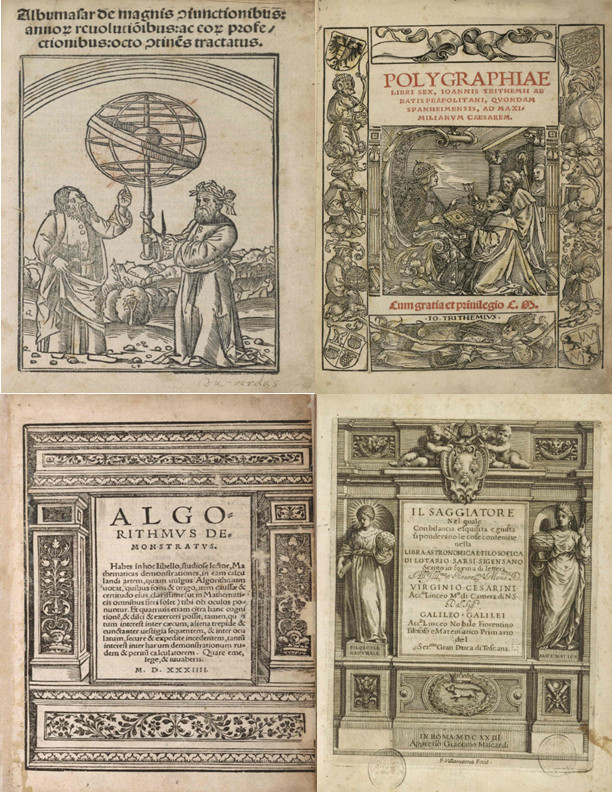

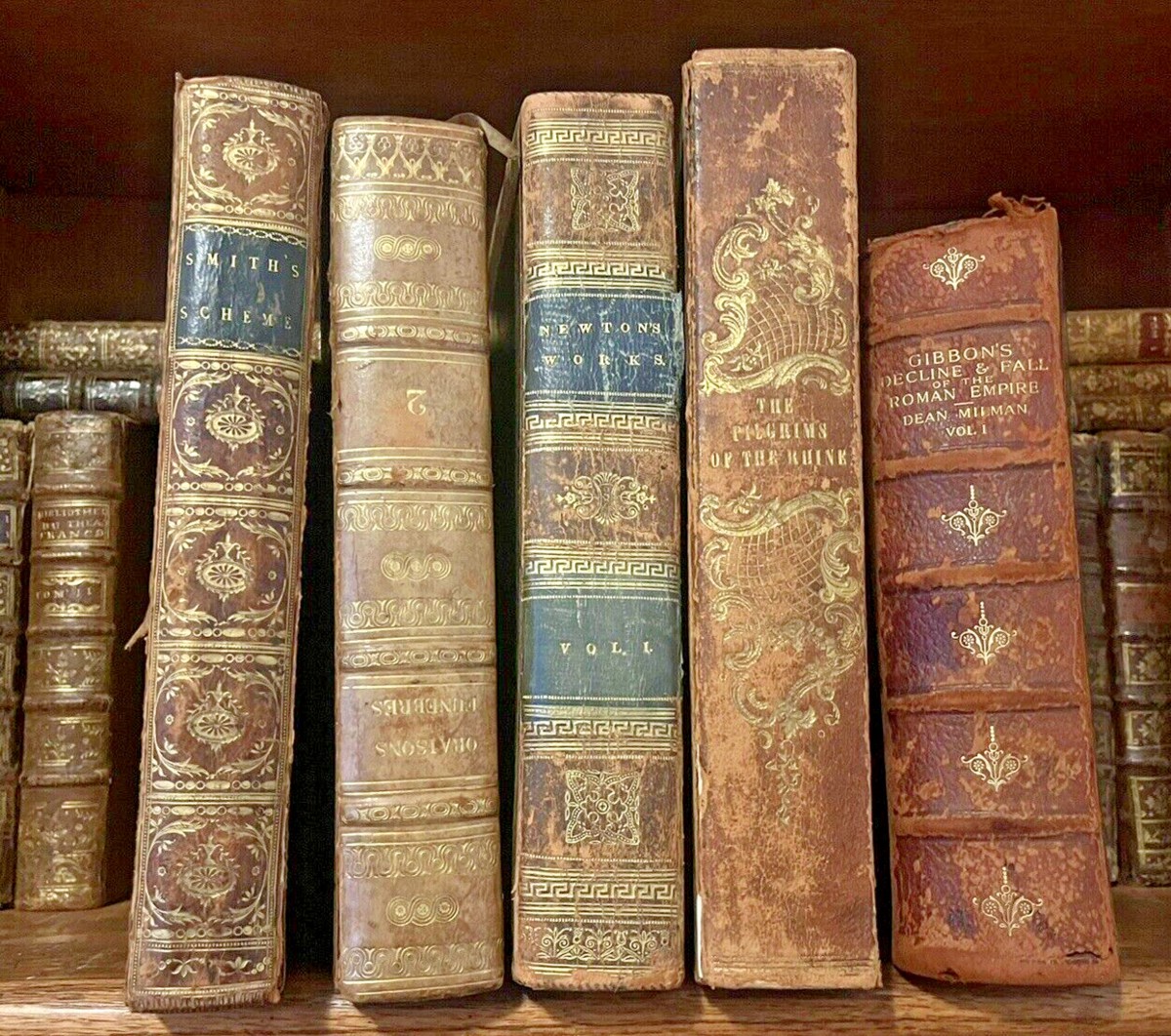
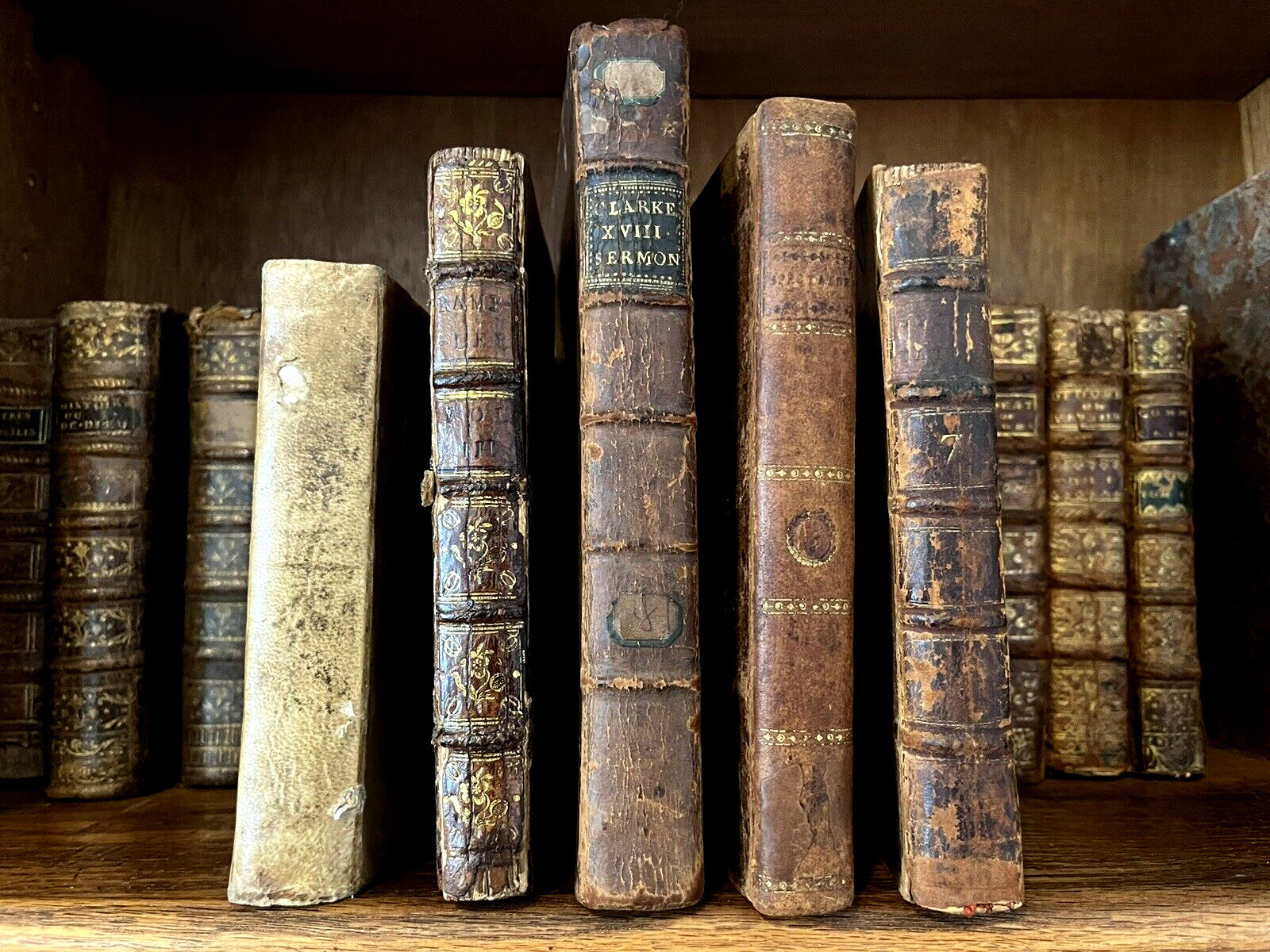
Photos from current listings. Actual item, color, and included accessories may vary.
Rare Old Book Buying Guide
Rare old books are physical artifacts whose value is driven by edition, printing, binding, and condition—not by title alone. The central trade-off is between genuine collectible copies (early printings, original bindings, complete text blocks) and decorative bulk lots sold by color or decade. Buy only from listings that state collation, binding type, and publication date; skip any lot that hides edition or condition behind 'random' or 'mixed' descriptions.
At a glance
- Category
- Antiquarian & Collectible Books
- Last updated
- Nov 26, 2026
Current offers
Highlights
- Binding construction separates durable copies from fragile ones: full leather over cords, cloth over boards, and library buckram survive handling, while perfect-bound or staple-bound modern reprints split and yellow.
- Edition hierarchy determines scarcity: first printings and limited issues carry premium value; later reprints, book-club editions, and print-on-demand scans are reading copies, not collectibles.
- Condition grading follows antiquarian norms (fine, near fine, very good, good, fair, poor); foxing, water stains, ex-library marks, and detached covers drop a copy two or more grades.
- Decorative color lots are assembled for staging, not scholarship—they rarely include complete text blocks, title pages, or matching publication dates, and are sold by spine appearance.
Best use cases
- Best fit: buy a single dated copy (18th–19th century) with stated collation and binding when you want a genuine collectible or historical reference; skip random lots entirely.
- Best fit: buy a color-coordinated lot of 5 or 10 when decorating a shelf or staging a room and condition completeness is irrelevant; accept mixed titles, missing pages, and non-matching dates.
- Best fit: buy a themed reference set (science, mathematics, natural history) on DVD or facsimile when you need searchable content; skip it when you want a physical antique artifact.
- Wrong fit: buying a 'rare old book' lot expecting specific titles, first editions, or investment-grade copies—those require individual catalog listings with edition and condition detail.
Buying tips
- Match the publication window to the listing: 1700s copies are hand-pressed and often rebound; 1800s copies are machine-pressed with cloth or leather trade bindings—verify the date is printed, not estimated.
- For shelf staging, buy lots of 10 rather than 5; per-book cost drops and spine-height variation is easier to absorb across a full shelf run.
- Check binding material before condition: leather over raised cords with intact hinges outlasts cloth that is sun-faded and split at the spine, even if the cloth looks cleaner.
- Treat 'random' or 'mixed' lots as decorative grade only—expect ex-library stamps, bookplates, foxing, and incomplete sets; never pay collectible-grade prices for these.
Specs
| Publication Era | 1700s hand-press / 1800s machine-press |
|---|---|
| Binding Type | Leather over cords / cloth boards / buckram |
| Condition Grade | Fine to poor (antiquarian scale) |
| Lot Format | Single copy / 5-book / 10-book lots |
Related searches
What to check before buying
- Measure shelf depth and height: quarto and folio antiquarian volumes exceed standard 9–10 inch shelf depth; confirm clearance before buying large-format copies.
- Confirm climate control: leather and cloth bindings need 30–50% relative humidity and away-from-sun placement to prevent red rot and fading.
- Verify the listing states publication date, publisher, and collation (page count or complete-set note); listings missing all three are decorative-grade only.
- Check for companion needs: leather bindings benefit from acid-free slipcases or archival boxes; loose signatures require a binder's estimate before purchase.
FAQ
Data sources: eBay / Amazon listings and product attribute feeds. Updated Nov 26, 2026.
Some links on this page are affiliate links. If you buy after clicking one, we may earn a commission at no extra cost to you. This does not change which products appear here or their order. Affiliate disclosure.