
Photos from current listings. Actual item, color, and included accessories may vary.
Rare Vintage Book Buying Guide
Rare vintage books span decorative bulk lots to single collectible volumes, and the core trade-off is price-per-book versus condition, edition, and completeness. Decorative lot buyers accept mixed-condition reading copies; collectors must verify printing, binding, and jacket state. The decision rule: buy lots for shelf aesthetics with eyes open about syndicate sets and ex-library marks, and buy individual rarities only after confirming edition point and collation.
At a glance
- Category
- Antiquarian & Collectible Books
- Last updated
- Nov 26, 2026
Current offers
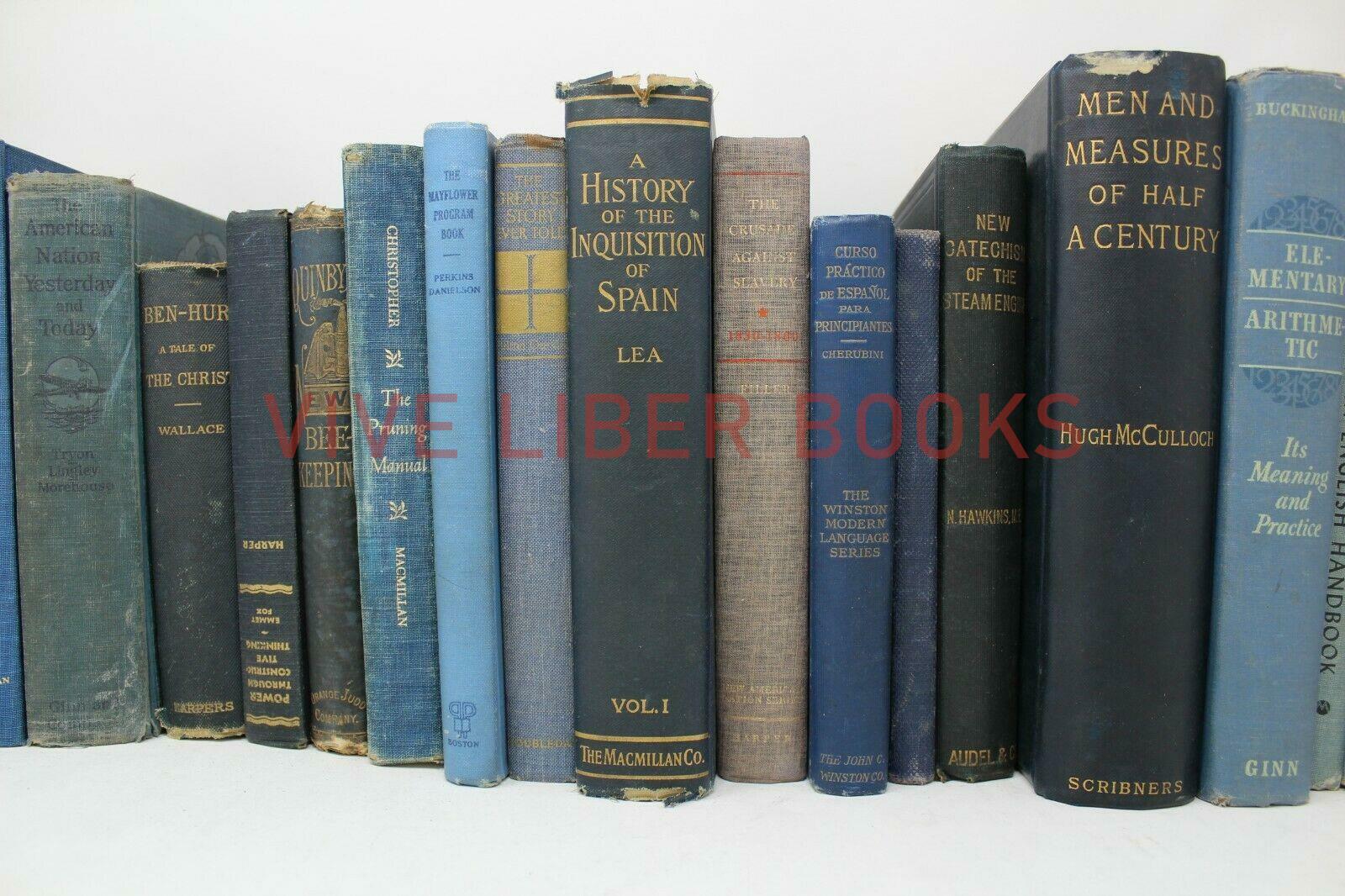 Lot of 5 BLUE / Shades of blue Old Vintage Antique Rare Hardcover Random Books$26.95View on eBay
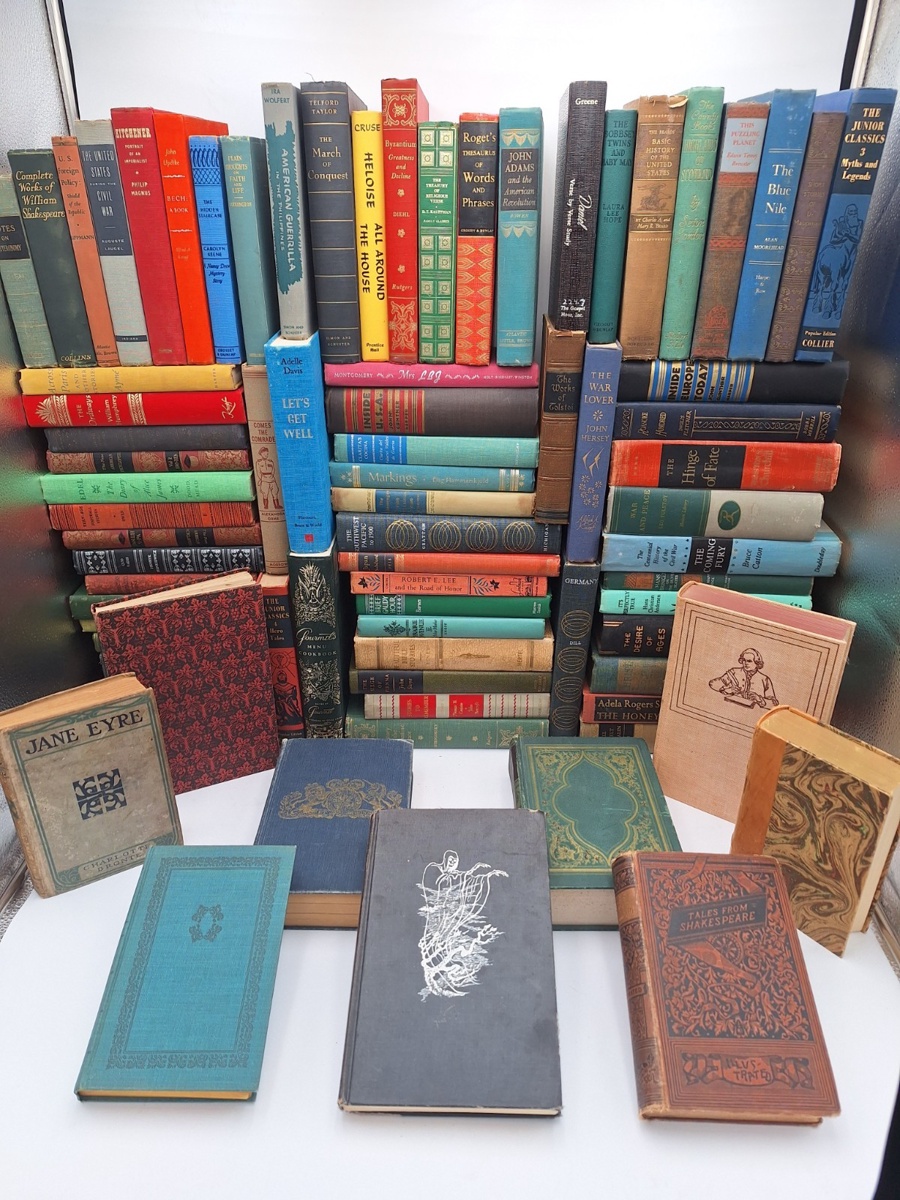 Lot of 10 Vintage Old Rare Antique Hardcover Books - Mixed Color - RANDOM$32.95View on eBay
 Lot of 5 GREEN / Shades of Green Old Vintage Antique Rare Hardcover Random Books$34.95View on eBay
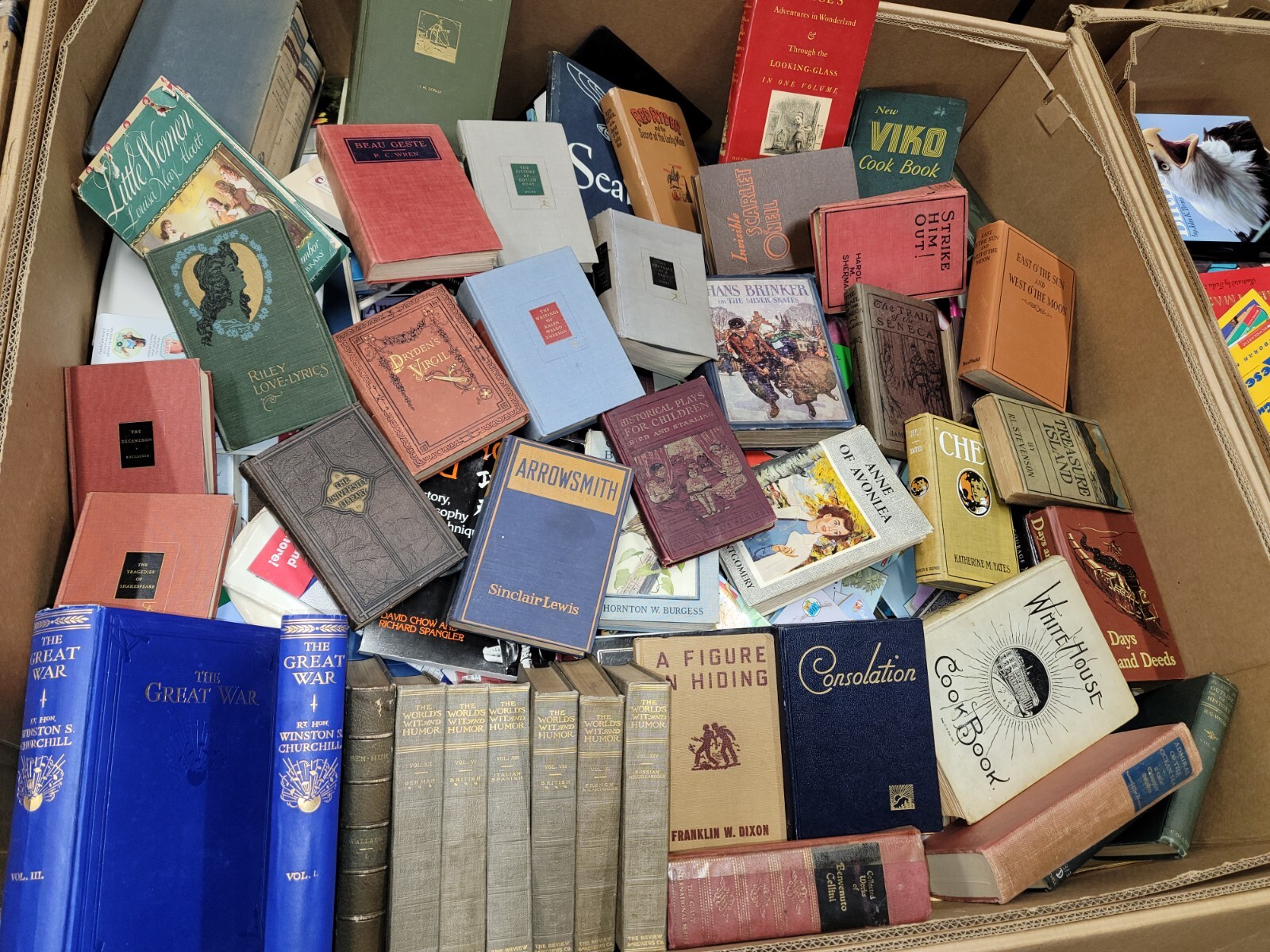 Lot of 10 Antique Collectible Vintage Old Rare Hard To Find Books *MIX UNSORTED*$39.99View on eBay
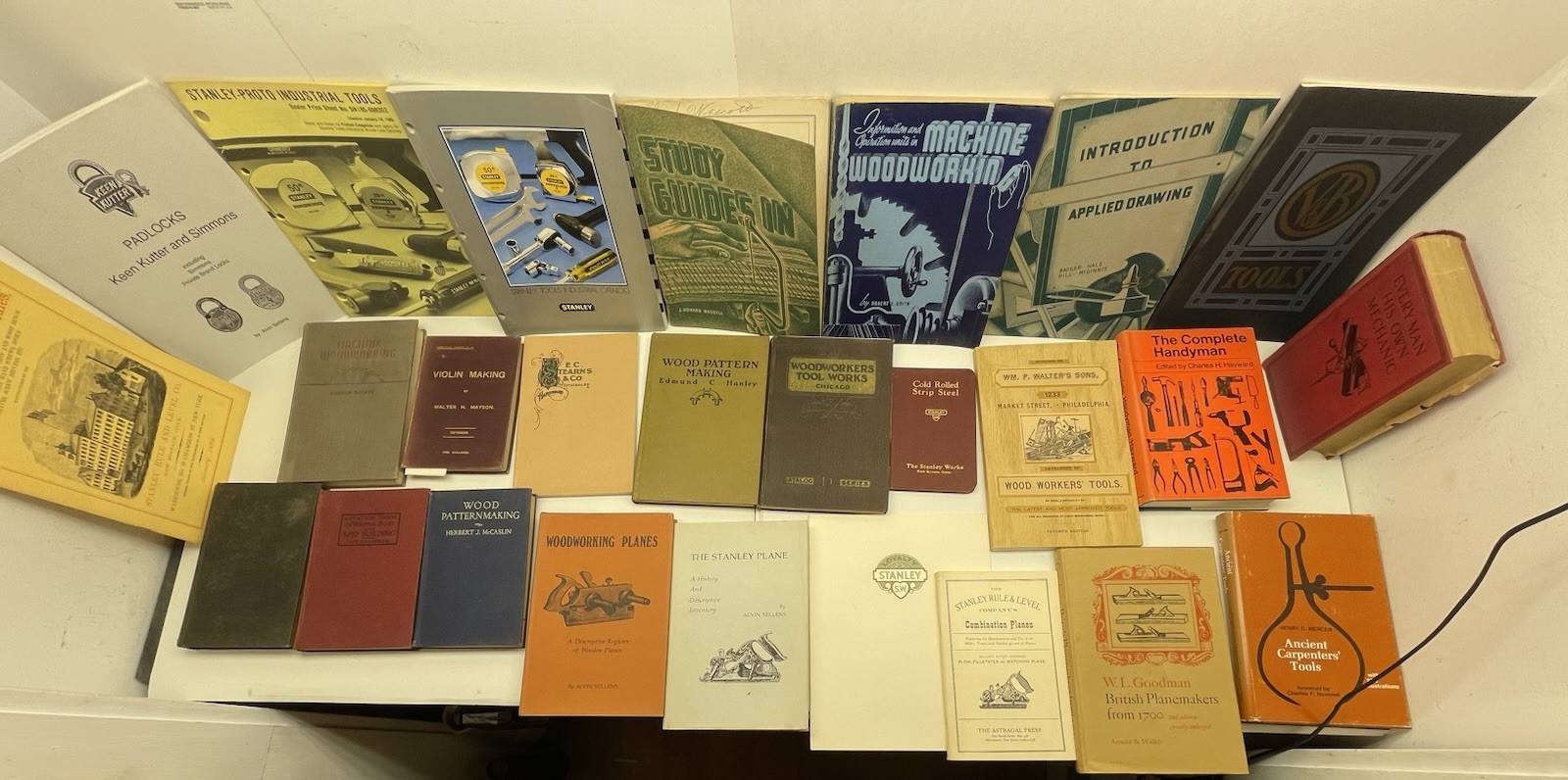 Lot of 26 Rare Vintage Woodworking Tools Books Manuals Catalog Stanley SW & More$159.00View on eBay
Highlights
- Lot books are usually reading or decor copies graded Good or better; expect bumped corners, fading spines, foxing, and possible ex-library stamps even in 'rare' listings.
- Edition identity separates value: first printings need matching date lines, correct publisher imprint, and issue points; book-club and reprint editions carry far less premium.
- Binding construction matters: cloth over board with sewn signatures outlasts glued perfect-bound paperbacks; leather and vellum need climate control.
- Completeness drives value: check all plates, maps, and title pages are present; ex-library and ex-syndicate sets often lack dust jackets and original endpapers.
Best use cases
- Best fit: buy 5- or 10-book decorative lots in blue, green, or mixed palettes when staging shelves and bookcases—skip lots when you need specific titles or authors.
- Best fit: buy single rare volumes with verified edition points, complete plates, and original bindings for collecting—skip 'rare antique' lot listings that show no title pages or copyright pages.
- Best fit: buy subject-specific lots such as woodworking tool manuals for reference and workshop display—skip unsorted mixed lots when you need a coherent, usable reference set.
- Wrong fit: buying random lots expecting first editions or investment-grade copies; lot contents are usually common reprints, club editions, or ex-library copies.
Buying tips
- Measure your shelf depth before buying: standard octavos run about 9 inches tall, quartos and folios exceed 12 inches and need deeper shelving.
- Check the copyright page for edition statements, printing history lines, and 'First Edition' wording; absence of a date line usually signals a later reprint.
- For sets, confirm volume count and that all volumes match in binding style and publisher; mixed sets lose collector value.
- Expect lot purchases to arrive as mixed-condition reading copies: budget for rebinding, jacket replacement, or cleaning before display.
Specs
| Format | Single volume vs 5/10/26-book lots |
|---|---|
| Binding | Cloth over board, leather, vellum, paperback |
| Edition Type | First printing vs reprint/book club |
| Condition Grade | Good reading copy to Near Fine |
Related searches
What to check before buying
- Measure shelf height, depth, and weight capacity before buying folios, quartos, or multi-volume sets that exceed standard 9-inch octavo sizing.
- Confirm climate control: keep leather and vellum bindings in stable 60-70°F and 45-55% RH, away from direct sun and damp basements.
- Check listing photos for title page, copyright page, all plates and maps, spine condition, and any ex-library stamps or bookplates.
- Verify edition points against a bibliography for the specific title before paying a premium for 'first edition' or 'rare' claims.
FAQ
Data sources: eBay / Amazon listings and product attribute feeds. Updated Nov 26, 2026.
Some links on this page are affiliate links. If you buy after clicking one, we may earn a commission at no extra cost to you. This does not change which products appear here or their order. Affiliate disclosure.