
Photos from current listings. Actual item, color, and included accessories may vary.
Literary Magazine Buying Guide
Literary magazines are periodicals devoted to fiction, poetry, essays, and criticism, and the core trade-off is between established, career-making venues with rigorous editorial standards and smaller independent journals that offer higher acceptance odds but less prestige. The decision rule: buy a subscription or single issue only after matching the journal's genre focus and submission/reading format to your goal—durable print archives and indexed back issues for research, current issues for discovery, and submission guides as companion references, not substitutes.
At a glance
- Category
- Magazines, Textbooks & Reference
- Last updated
- Nov 27, 2026
Current offers
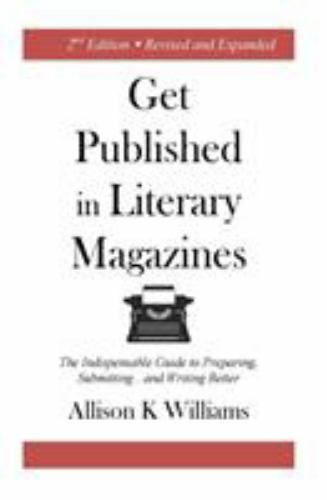 Get Published in Literary Magazines: The Indispensable Guide to Preparing,...$9.15View on eBay
 American Literary Magazines: The Eighteenth and Nineteenth Centuries (Historica$17.96View on eBay
 AMERICAN LITERARY MAGAZINES: THE EIGHTEENTH AND NINETEENTH By Edward E Chielens$52.95View on eBay
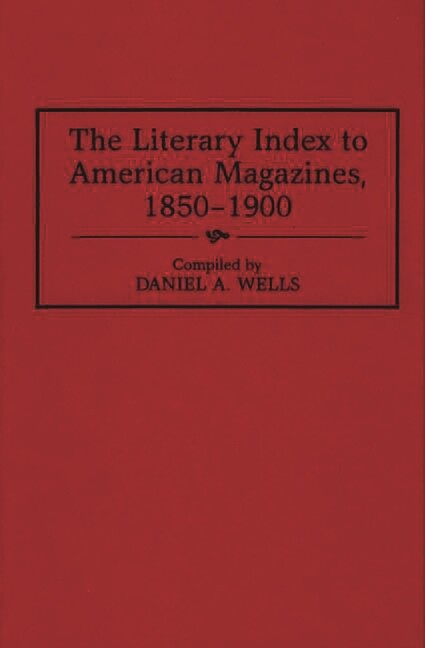 The Literary Index To American Magazines, 1850-1900$111.93View on eBay
Highlights
- Print literary journals are typically perfect-bound or saddle-stitched on uncoated stock; perfect-bound issues of 100+ pages hold up to repeated reference use far better than slim saddle-stitched chapbooks.
- Established journals appear in indexing databases such as JSTOR, Project MUSE, and the MLA International Bibliography, which determines whether back issues are citable and library-holdable.
- Historical literary magazines are documented through reference works like Chielens's American Literary Magazines volumes covering the 18th–19th centuries and the 1850–1900 literary index.
- Submission guides such as Get Published in Literary Magazines function as directories of editorial calendars and manuscript preparation standards, not as anthologies of the magazines themselves.
Best use cases
- Best fit: a writer seeking publication buys a current submission guide plus one sample issue of each target journal to study tone, length, and formatting before submitting—skip buying random back-issue lots.
- Best fit: a literature student or researcher buys indexed back issues or historical reference volumes (Chielens, 1850–1900 index) for citations—skip contemporary single issues that lack stable pagination.
- Best fit: a general reader wanting curated new fiction and poetry subscribes to one or two well-established quarterlies—skip bulk eBay lots of mixed-condition older issues.
- Wrong fit: someone expecting a how-to-write manual from a literary magazine itself; buy a dedicated submission guide instead and treat the magazine as the market sample.
Buying tips
- Check the binding and page count: perfect-bound issues over 100 pages survive shelf and desk use; saddle-stitched issues under 64 pages are reading copies, not archive copies.
- Verify indexing before buying back issues for research—journals covered by JSTOR, Project MUSE, or MLA are citable; unindexed small-press issues are collector or reading items only.
- For historical coverage, match the reference work's date range to your period: Chielens's volumes cover the 18th–19th centuries; the 1850–1900 literary index covers the later window specifically.
- When buying submission guides, confirm the edition year and whether it lists current editorial calendars and reading periods—older editions list defunct markets and closed reading windows.
Specs
| Format | Print perfect-bound / saddle-stitched / digital |
|---|---|
| Publishing Frequency | Quarterly / Biannual / Annual |
| Indexing | JSTOR / Project MUSE / MLA indexed vs unindexed |
| Content Focus | Fiction / Poetry / Essays / Mixed / Criticism |
Related searches
What to check before buying
- Confirm the journal's genre scope (fiction, poetry, nonfiction, or mixed) and issue frequency before subscribing; quarterly vs biannual changes the per-year value.
- Measure shelf or archive space and check issue dimensions—literary quarterlies commonly run digest to trade paperback size, and full year runs need ~2–4 inches of shelf depth.
- Verify the format you are buying (print, digital PDF/EPUB, or both) and that digital issues are downloadable, not time-limited reader-only access.
- For used back issues, confirm completeness (covers, no missing pages) and that the issue number/season matches the volume you need for citation.
FAQ
Data sources: eBay / Amazon listings and product attribute feeds. Updated Nov 27, 2026.
Some links on this page are affiliate links. If you buy after clicking one, we may earn a commission at no extra cost to you. This does not change which products appear here or their order. Affiliate disclosure.