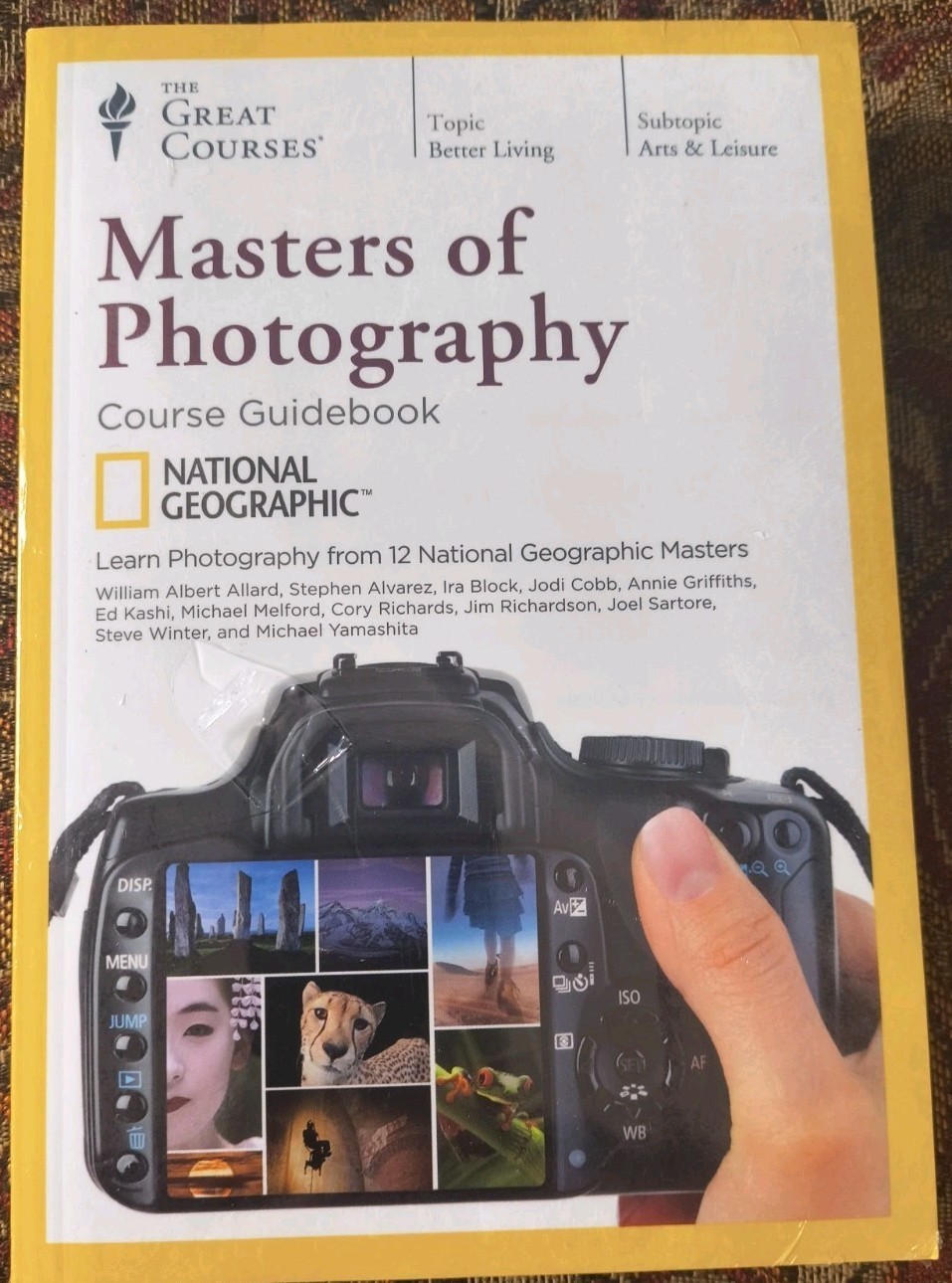

Photos from current listings. Actual item, color, and included accessories may vary.
National Geographic Buying Guide
National Geographic is a monthly general-interest magazine known for photojournalism, map inserts, and long-form science and exploration reporting, sold as single issues, annual subscriptions, and collected bound volumes. The core buying trade-off is between flimsy newsstand singles and durable library-grade binders or slipcases that protect a growing collection. Choose archival binders or hardbound annual volumes for longevity; skip loose newsstand stacks if you intend to keep or resell issues.
At a glance
- Category
- Magazines, Textbooks & Reference
- Last updated
- Nov 27, 2026
Current offers
Highlights
- Newsstand issues use saddle-stitched lightweight coated paper; collector binders and annual hardbound volumes use sewn signatures and heavier stock for archival life.
- Map inserts and supplements are issue-specific and are frequently missing from used single-issue listings, reducing completeness and resale value.
- Annual bound volumes consolidate 12 monthly issues plus index, making them the most space-efficient and reference-friendly format.
- Subscription tiers differ by delivery format (print, digital, or print+digital) and term length, not by editorial content.
Best use cases
- Best fit: a reader who wants monthly photojournalism and science features should choose a print+digital subscription for current issues with searchable archive access.
- Best fit: a collector building a permanent reference shelf should buy annual hardbound volumes or official slipcases rather than loose newsstand singles.
- Wrong fit: someone seeking a structured photography curriculum should skip generic magazine subscriptions and buy the dedicated Masters of Photography course guide and DVD set instead.
- Wrong fit: a buyer wanting complete vintage runs should avoid mixed lots without issue indexes; incomplete lots with missing map supplements lose most collector value.
Buying tips
- For a full year of reading, buy the annual bound volume or a 12-issue subscription; loose single issues cost more per issue and degrade faster.
- Match the format to your shelf: annual hardbound volumes run roughly standard book height and fit bookcases, while magazine slipcases are sized to the magazine's trim size.
- For collectible value, prioritize complete runs with all map inserts and supplements; a missing centerfold map can cut an issue's resale value significantly.
- For photography education specifically, choose the Masters of Photography course guide and DVD series, which packages structured lessons rather than monthly editorial features.
Specs
| Format | Monthly issue / Annual bound volume |
|---|---|
| Binding | Saddle-stitched vs sewn hardcover |
| Supplements | Map inserts in select issues |
| Subscription Type | Print / Digital / Print+Digital |
Related searches
What to check before buying
- Measure shelf depth and height before buying annual bound volumes; confirm the volume's trim size fits your bookcase with clearance.
- For loose issue storage, confirm the slipcase or binder is sized to the magazine's standard trim size, not a generic magazine size.
- Check that a used lot explicitly lists map inserts and supplements, since these are the most commonly missing components.
- For digital access, confirm the subscription includes archive access and the number of simultaneous devices supported.
FAQ
Data sources: eBay / Amazon listings and product attribute feeds. Updated Nov 27, 2026.
Some links on this page are affiliate links. If you buy after clicking one, we may earn a commission at no extra cost to you. This does not change which products appear here or their order. Affiliate disclosure.