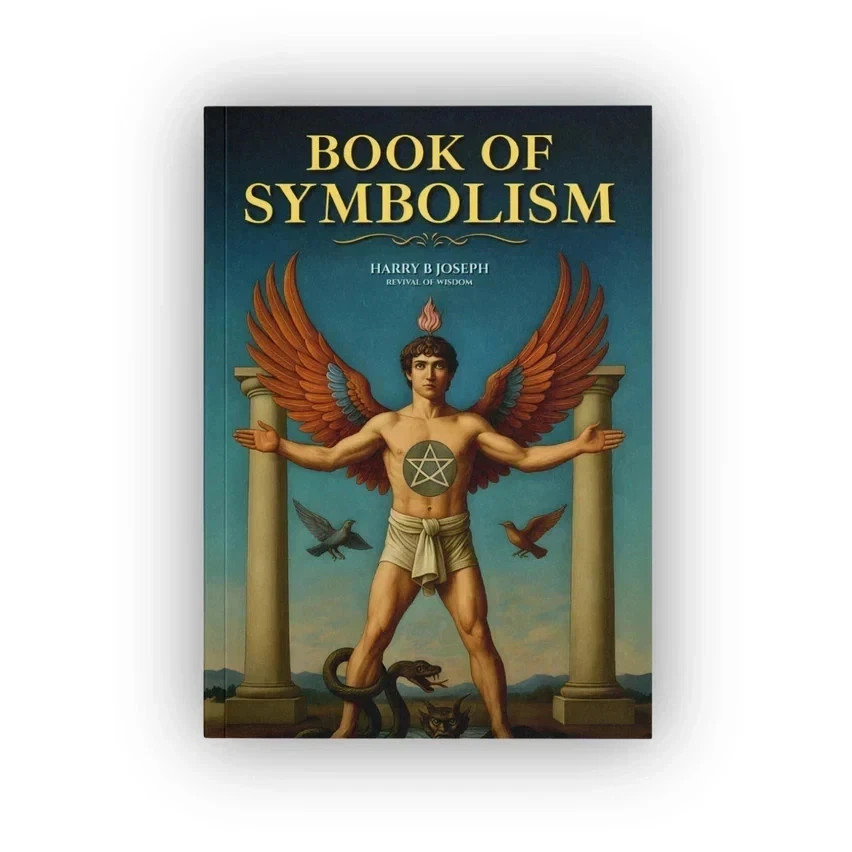

Photos from current listings. Actual item, color, and included accessories may vary.
Option B Book Buying Guide
An Option B Book is a second-edition or alternative-format textbook, workbook, or reference title that buyers choose when the standard Option A edition is unavailable, outdated, or mismatched to their course or shelf. The core trade-off is edition alignment versus cost: a different printing, binding, or supplement set can save money but risks missing updated chapters, access codes, or problem sets. The decision rule is simple: match the ISBN-13 and edition year to your syllabus or citation need—if you cannot verify both, buy the primary edition instead.
At a glance
- Category
- Magazines, Textbooks & Reference
- Last updated
- Nov 27, 2026
Current offers
Highlights
- Edition and ISBN-13 are the only reliable identifiers; cover art, title, and author order can stay identical across revised printings with different content.
- Print textbooks use either sewn-laminate hardcover (durable, lays flat) or glued softcover perfect binding (lighter, cheaper, spine cracks under heavy use).
- Workbook and lab-manual Option Bs often omit tear-out pages, answer keys, or digital access codes that the primary edition bundles.
- International student editions may carry identical text on thinner paper with a different ISBN and no U.S. access-code entitlement.
Best use cases
- Best fit: a reference or citation-only purchase where chapter text matches the required edition—pick the cheapest verified ISBN-13 printing.
- Best fit: a supplemental workbook or practice set for self-study—choose a softcover Option B only if answer keys are confirmed present.
- Wrong fit: a course with graded online homework—skip any Option B lacking a sealed access code and buy the bundle the syllabus names.
- Wrong fit: a long-term professional shelf reference—skip glued softcovers and choose sewn hardcover or library binding.
Buying tips
- Confirm the ISBN-13 on the copyright page matches your syllabus; the same title can exist in 3–5 ISBNs across bindings and supplements.
- Check the edition year, not just the number: a '2nd edition' revised printing can differ from the original 2nd edition by a full chapter.
- For workbooks, verify page count against the primary edition—Option B printings often drop 10–20% of tear-out or appendix pages.
- Prefer sewn or Smyth-sewn binding for heavy reference volumes; perfect-bound spines over 1 inch thick are the first to fail.
Specs
| Edition Match | ISBN-13 + edition year |
|---|---|
| Binding Type | Sewn hardcover vs perfect-bound |
| Supplement Set | Access code / answer key included? |
| Printing Origin | Domestic vs international student |
Related searches
What to check before buying
- Compare the ISBN-13 and edition year on the syllabus or citation against the seller's copyright-page photo or metadata.
- Measure shelf or bag clearance: hardcover reference volumes commonly run 1.5–2.5 inches thick and 8.5 x 11 inches tall.
- Confirm whether an access code or companion website is required and whether it is included, used, or absent in this printing.
- Check plug/region only for digital or media-bundled editions; print Option Bs have no voltage or compatibility concerns.
FAQ
Data sources: eBay / Amazon listings and product attribute feeds. Updated Nov 27, 2026.
Some links on this page are affiliate links. If you buy after clicking one, we may earn a commission at no extra cost to you. This does not change which products appear here or their order. Affiliate disclosure.