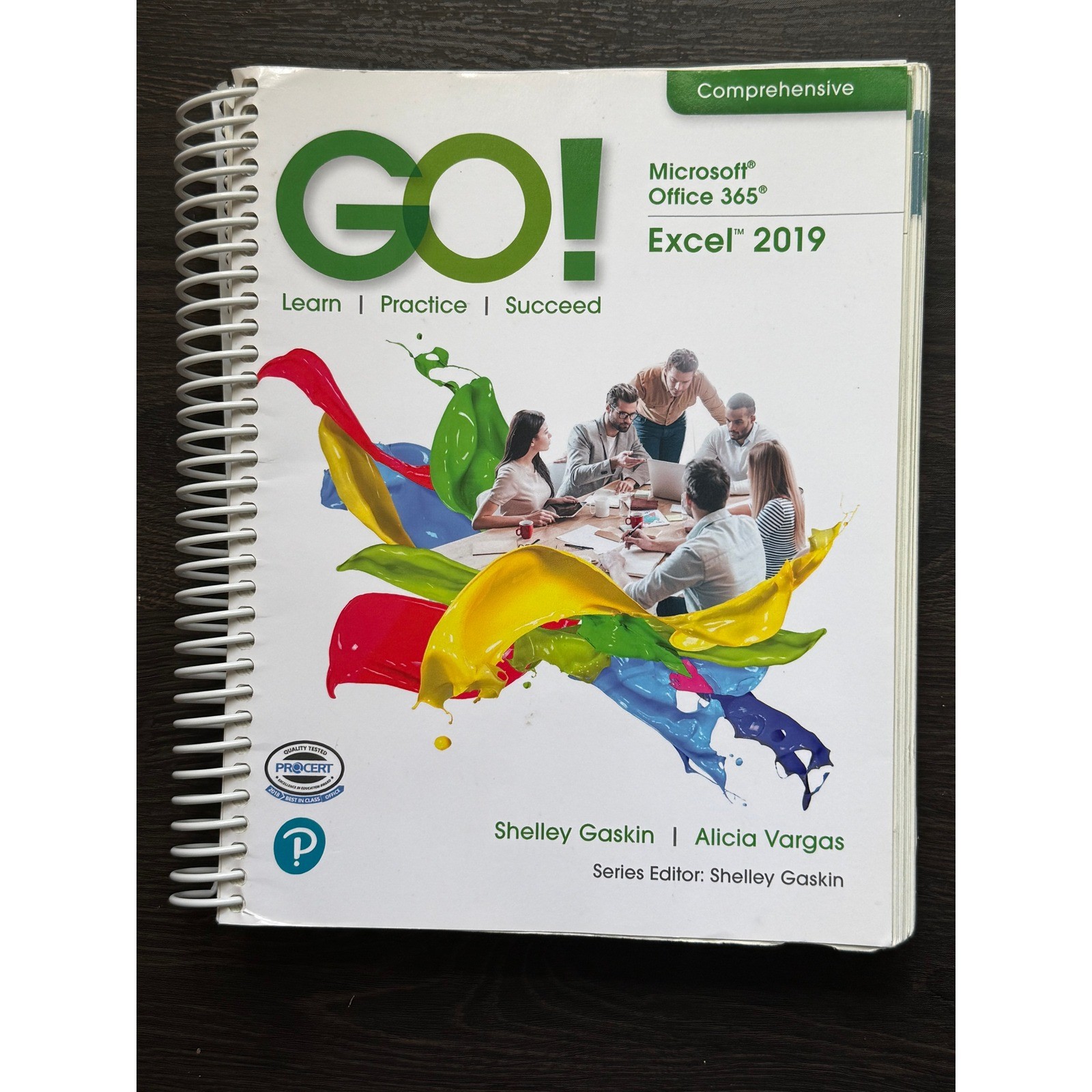

Photos from current listings. Actual item, color, and included accessories may vary.
Pearson Textbook Buying Guide
Pearson textbooks are widely used academic resources spanning K-12, higher education, and professional certification, with the primary trade-off being edition age, format (print vs. digital access), and whether the ISBN matches your course's required bundle. Durable, cost-effective choices start with verifying the ISBN against your syllabus and choosing loose-leaf or eText only when resale or portability matters less than immediate access.
At a glance
- Category
- Magazines, Textbooks & Reference
- Last updated
- Nov 27, 2026
Current offers
Highlights
- Edition generations matter: a new edition often reorders chapters and changes problem sets, so the ISBN—not the title—determines compatibility with a professor's assignments.
- Binding formats differ: hardcover survives multiple semesters, loose-leaf saves cost but requires a 3-ring binder, and eText access codes are non-transferable and expire.
- Access-code bundles (MyLab, Mastering, Pearson+ ) are single-use and tied to a course ID; a used print copy without a code will not unlock online homework.
- Copyright year and printing country affect paper quality and whether supplements (CDs, card codes) are included; international editions may have different end-of-chapter problems.
Best use cases
- Best fit for a full-year course: buy the hardcover of the exact ISBN on the syllabus; skip the loose-leaf if you plan to keep the book for reference.
- Best fit for a one-semester elective: rent the eText or buy used print; skip new access-code bundles unless the professor assigns MyLab/Mastering homework.
- Wrong fit: buying an international edition to save money when the course requires US end-of-chapter problems—problem numbering and data often differ.
- Wrong fit: buying a previous edition when the syllabus explicitly lists a new edition with revised chapters—homework answers will not match.
Buying tips
- Match the 13-digit ISBN exactly; the first 9 digits identify the title and edition, and the last 3 vary by binding (hardcover, loose-leaf, eText).
- If an access code is required, buy the bundle new; used codes are almost always already redeemed and cannot be reused.
- Loose-leaf editions are typically 30–50% lighter and cheaper but have no spine—budget for a 1.5–2 inch D-ring binder and expect no resale value.
- International editions use thinner paper and may omit chapters or appendices; confirm the ISBN's country of printing if problem sets must match the US edition.
Specs
| Binding Format | Hardcover / Loose-leaf / eText |
|---|---|
| Access Code | Included (new) vs None (used) |
| Edition Match | Exact ISBN required for homework |
| International Edition | Cheaper, may differ in problems |
Related searches
What to check before buying
- Confirm the course's required ISBN (including binding) from the syllabus before ordering; title alone is not enough.
- Check whether your course uses MyLab, Mastering, or Pearson+ — if yes, you need a new access-code bundle, not a used print copy.
- For loose-leaf, have a 1.5–2 inch D-ring binder ready; pages are 3-hole punched but not bound.
- Verify your shipping address can receive packages; textbooks are heavy (2–5 lb hardcover) and may require a secure drop-off.
FAQ
Data sources: eBay / Amazon listings and product attribute feeds. Updated Nov 27, 2026.
Some links on this page are affiliate links. If you buy after clicking one, we may earn a commission at no extra cost to you. This does not change which products appear here or their order. Affiliate disclosure.