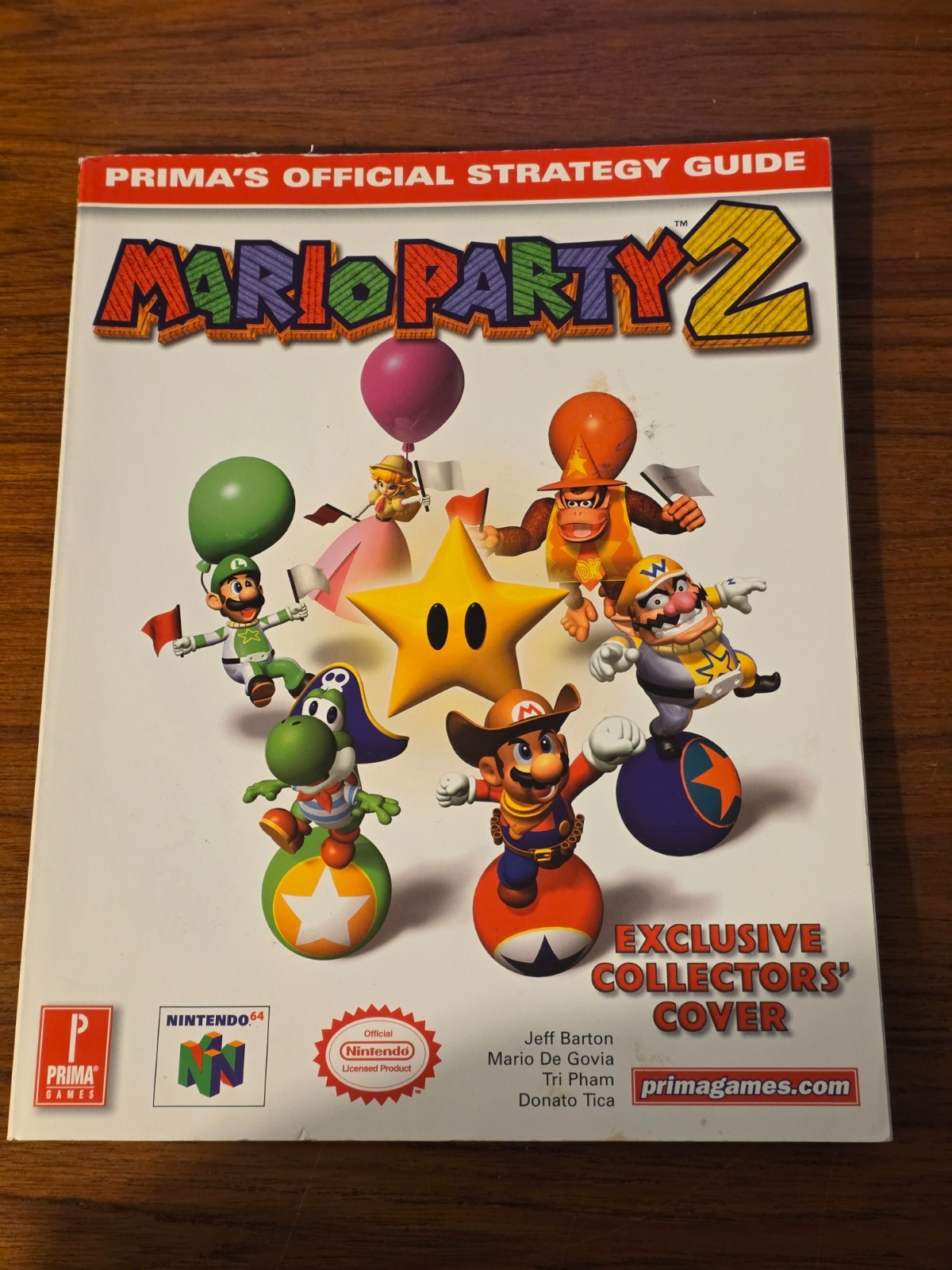

Photos from current listings. Actual item, color, and included accessories may vary.
Retro Magazine Buying Guide
Retro magazines are vintage periodicals—video game strategy guides, computer hobbyist titles, music zines, and general-interest back issues—whose value and usability hinge on print-condition grade and archival paper quality. The core trade-off is completeness and collectibility versus readable, display-worthy condition, since complete runs and single issues diverge sharply in both paper stock and binding durability. The decision rule: buy by grade and completeness tier (newsstand vs subscription vs library-bound), not by cover image alone.
At a glance
- Category
- Magazines, Textbooks & Reference
- Last updated
- Nov 27, 2026
Current offers
Highlights
- Paper stock drives longevity: coated enamel covers resist fading, while pulpy newsprint interiors yellow and embrittle within decades regardless of storage.
- Grade tiers follow a standard scale (Near Mint, Very Fine, Fine, Very Good, Good, Fair, Poor) where each step down roughly halves collector demand and resale liquidity.
- Binding type separates reading copies from archival copies: perfect-bound spines crack and shed pages, while library hardcover rebinds and stapled newsstand issues hold up better.
- Strategy-guide completeness is a hard spec: map inserts, poster fold-outs, and demo discs are frequently missing and drastically reduce both utility and value versus a text-only copy.
Best use cases
- Best fit: buy a Fine-or-better single issue with all inserts for reading or framing; skip Poor/Fair copies with detached covers because they cannot be displayed or resold.
- Best fit: choose library-bound or hardcover volumes when you need a durable reference copy for frequent handling; skip perfect-bound newsstand runs that will crack at the spine.
- Best fit: pick a complete run of a specific title when collecting; skip mixed lots of random issues because value and condition vary wildly and completion is impossible to verify.
- Wrong fit: buying newsprint interior issues for long-term archival display; choose coated-stock covers or encapsulated storage instead.
Buying tips
- Grade math: Near Mint to Very Fine copies retain full collector liquidity; Fine is the practical floor for display, and Good or below is reading-copy-only territory.
- Check spine and staple integrity first—cracked perfect bindings and rusted staples are the two most common failure points on 1980s–1990s issues.
- For strategy guides, confirm the presence of maps, posters, and demo discs; a missing insert drops a guide one full grade tier in practice.
- Prefer coated-paper covers over uncoated newsprint for any copy exposed to light; UV fading on uncoated stock is irreversible and accelerates yellowing.
Specs
| Condition Grade | Near Mint to Poor (standard 7-tier scale) |
|---|---|
| Paper Stock | Coated enamel cover / newsprint interior |
| Binding Type | Stapled, perfect-bound, or library-rebound |
| Completeness | Complete with inserts vs text-only |
Related searches
What to check before buying
- Measure your shelf or frame inner dimensions before buying oversize issues—many strategy guides and computer magazines exceed standard magazine height.
- Confirm interior paper type (coated vs newsprint) and check for musty odor or foxing, which indicate moisture damage that worsens in humid rooms.
- For display, plan UV-filtering glass or sleeves; direct sunlight fades covers and embrittles pages faster than any other storage factor.
- Verify whether the issue includes its original inserts (maps, posters, discs) and whether the binding is stapled, perfect-bound, or library-rebound.
FAQ
Data sources: eBay / Amazon listings and product attribute feeds. Updated Nov 27, 2026.
Some links on this page are affiliate links. If you buy after clicking one, we may earn a commission at no extra cost to you. This does not change which products appear here or their order. Affiliate disclosure.