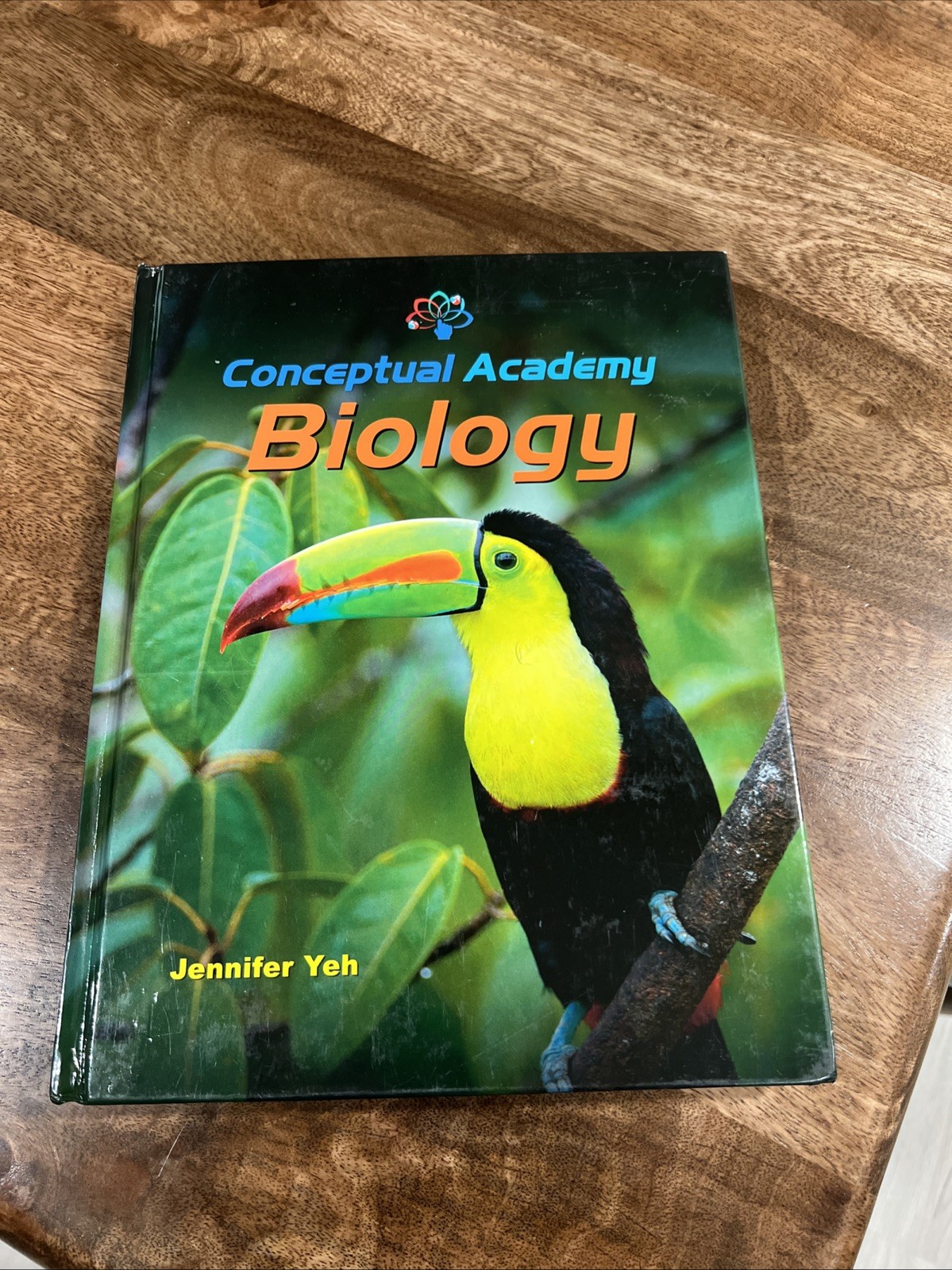

Photos from current listings. Actual item, color, and included accessories may vary.
Science Book Buying Guide
Science books span popular trade paperbacks, university textbooks, and professional reference volumes, each built to a different durability and depth standard. The core trade-off is between accessible narrative and rigorous, citation-backed content—paper stock, binding, and edition currency separate keeper volumes from disposable reads. Choose a recent university-press or professional edition with sewn binding for lasting reference; choose mass-market paperbacks only for casual, one-pass reading.
At a glance
- Category
- Magazines, Textbooks & Reference
- Last updated
- Nov 27, 2026
Current offers
Highlights
- Binding construction: sewn signatures with cloth or laminated boards survive decades of reference use; perfect-bound (glued) spines crack and shed pages under heavy study.
- Edition currency: science textbooks update every 2–4 years; a used prior edition saves money but may lack revised nomenclature, datasets, and problem sets.
- Paper grade: acid-free archival stock (often 60–80 lb text weight) resists yellowing; mass-market newsprint-grade paper browns and becomes brittle within years.
- Depth tier: popular-science trade books (~250–350 pages) explain concepts without citations; university-press monographs and textbooks include references, indexes, and review questions.
Best use cases
- Best fit: a student needing problem sets and exam-aligned content should pick the current edition of the assigned textbook with access-code or workbook companion—skip trade paperbacks.
- Best fit: a professional or researcher needs the latest review volume or handbook with DOI/ISBN-registered citations; skip out-of-print editions older than one revision cycle.
- Wrong fit: buying a used international edition for a course that requires the domestic edition—page numbering and problem sets often diverge, breaking assignments.
Buying tips
- Match the ISBN exactly, not just title and author: different editions, printings, and international versions share titles but change pagination and end-of-chapter problems.
- For courses, buy the edition specified in the syllabus; if the current edition is cost-prohibitive, confirm with the instructor whether one edition back is acceptable before purchasing.
- Prefer sewn or Smyth-sewn binding for books you will annotate and revisit; perfect-bound is acceptable only for single-semester use or casual reading.
- Check publication date against the field's revision cycle: fast-moving fields (molecular biology, AI, medicine) need editions within the last 2–3 years; foundational math and physics tolerate older editions.
Specs
| Binding Type | Sewn vs perfect-bound glued spine |
|---|---|
| Edition Currency | Current or 1 edition back |
| Paper Grade | Acid-free archival vs newsprint |
| Depth Tier | Popular trade vs textbook/reference |
Related searches
What to check before buying
- Confirm the exact ISBN-13 and edition number against your syllabus or reading list before ordering.
- Check whether the book requires a companion access code or workbook; used copies often have redeemed codes.
- Verify page count and format (hardcover, paperback, loose-leaf) because loose-leaf editions need a binder and resell poorly.
- Confirm language and region of the edition—international editions may use different units, symbols, or chapter ordering.
FAQ
Data sources: eBay / Amazon listings and product attribute feeds. Updated Nov 27, 2026.
Some links on this page are affiliate links. If you buy after clicking one, we may earn a commission at no extra cost to you. This does not change which products appear here or their order. Affiliate disclosure.