
Photos from current listings. Actual item, color, and included accessories may vary.
Textbook Buying Guide
Textbooks are course-specific reference volumes where edition, format, and supplement rights determine usability and resale value. The core trade-off is new/current-edition access versus used-copy savings, and the decisive rule is to match ISBN and edition to your syllabus before choosing binding or format.
Binding Type:Hardcover casebound / Paperback / Loose-leafEdition Match:Current syllabus ISBN requiredSupplement Rights:Access code single-use; often absent usedSubject Format:Casebook / Workbook / Comprehensive guide
Typical price range$11.24 – $149.99
At a glance
- Category
- Magazines, Textbooks & Reference
- Last updated
- Nov 27, 2026
Current offers
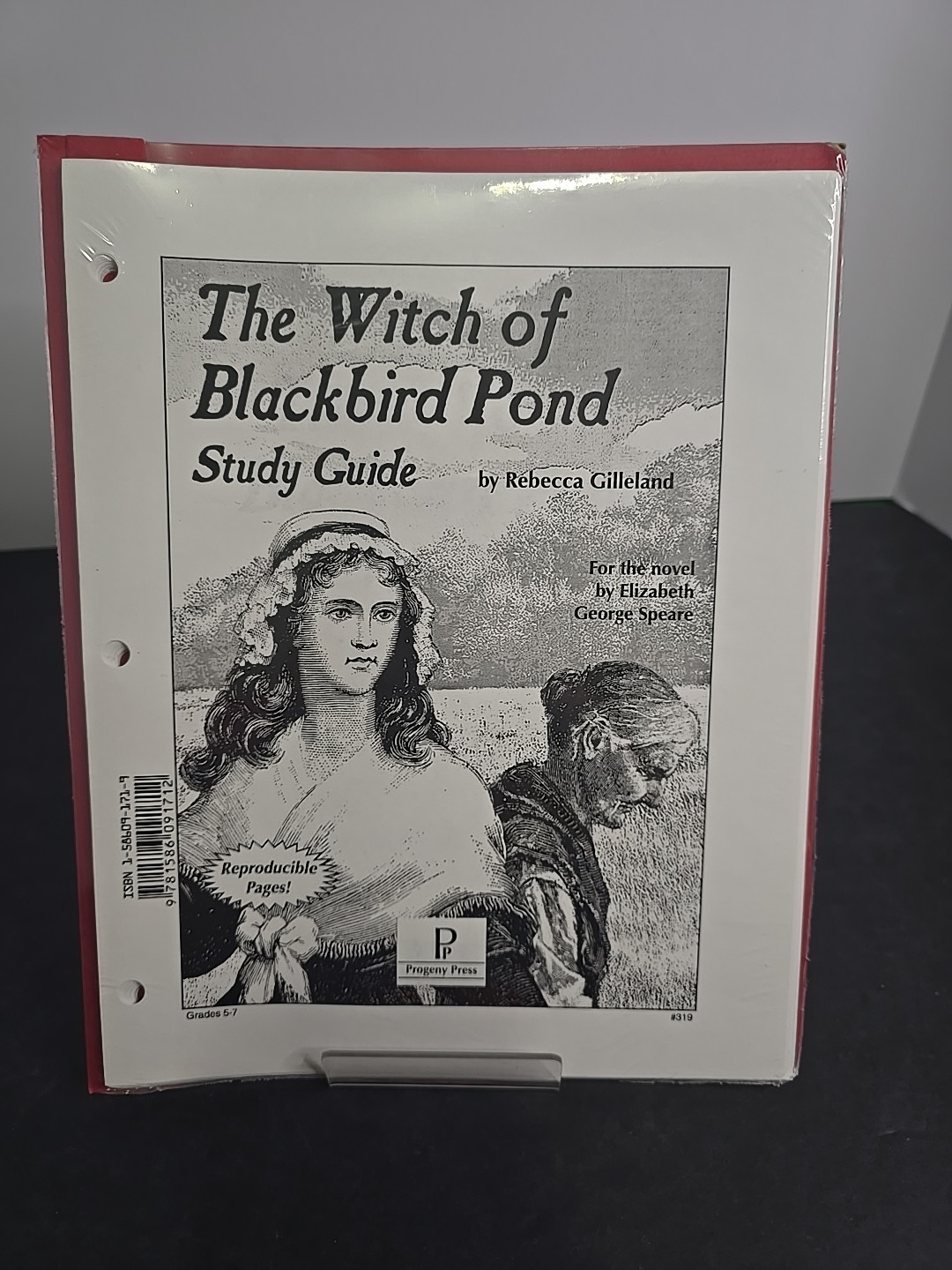 Books & Magazines Textbooks, Education & Reference Study Guides & Test Prep$11.24View on eBay
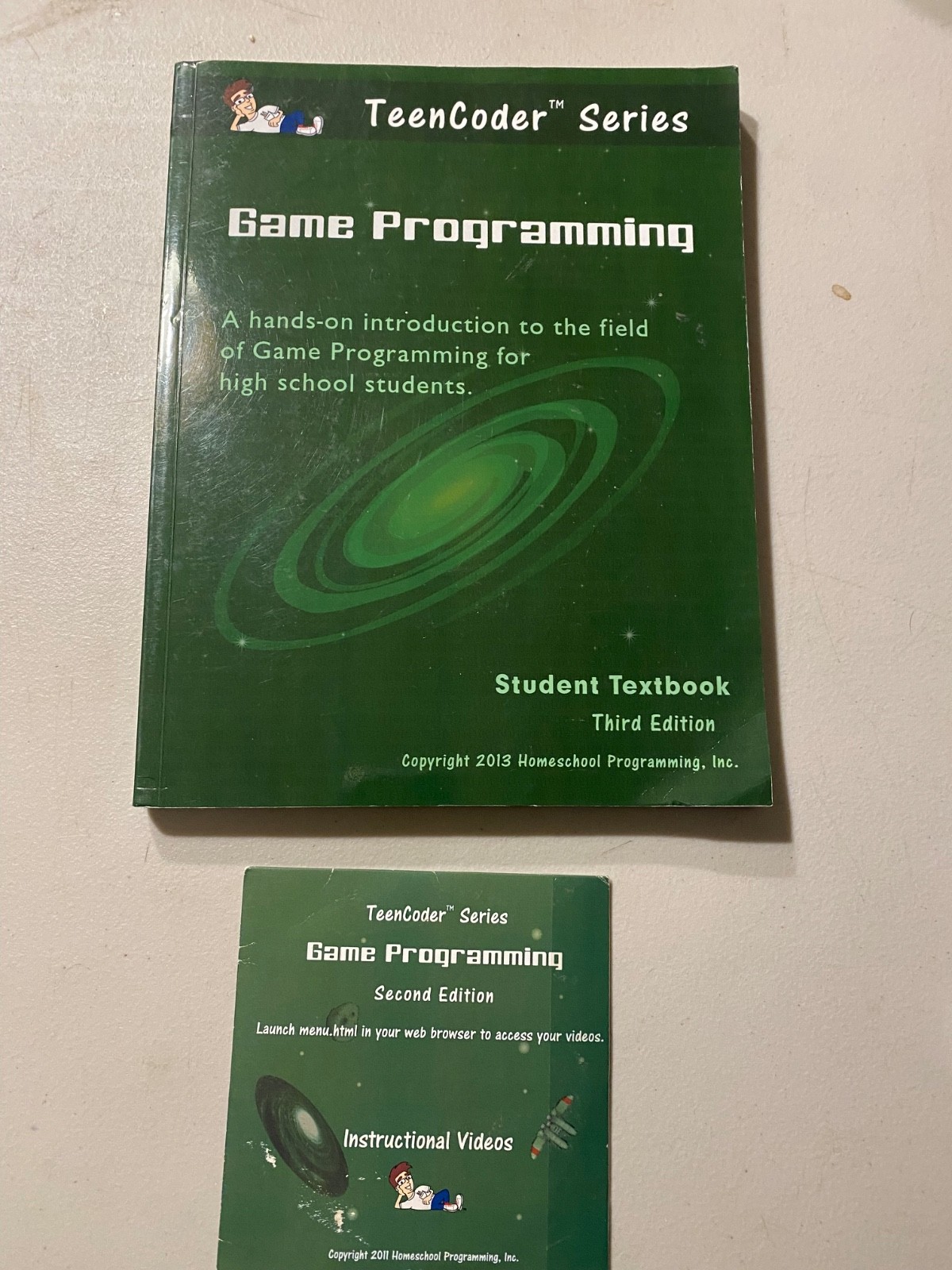 TeenCoder Game Programming C# Textbook Instructional Videos Homeschool Course$19.99Last checked Nov 26, 2026View on eBay
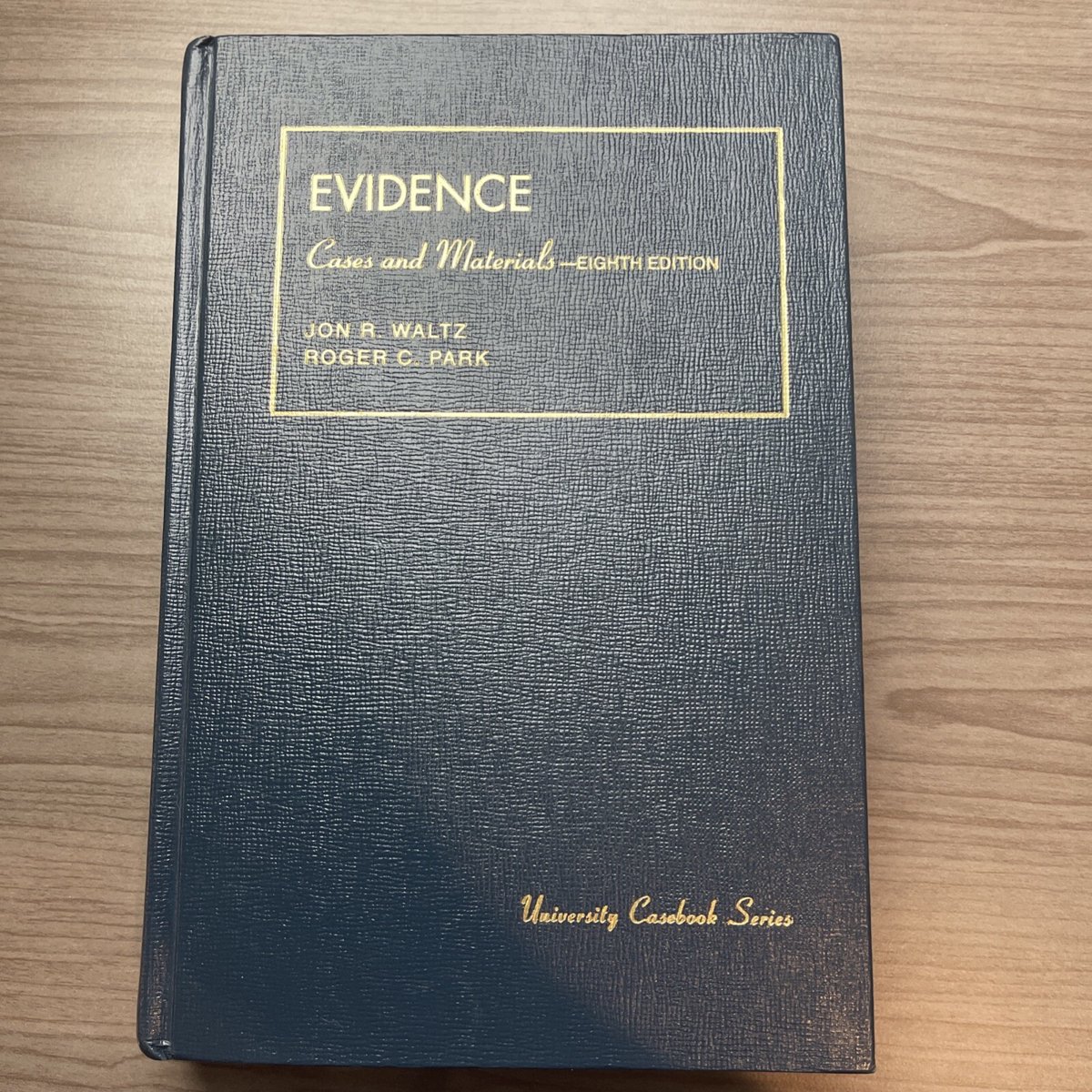 Evidence, Cases and Materials, Waltz, Law Legal Textbook Casebook Reference$23.49View on eBay
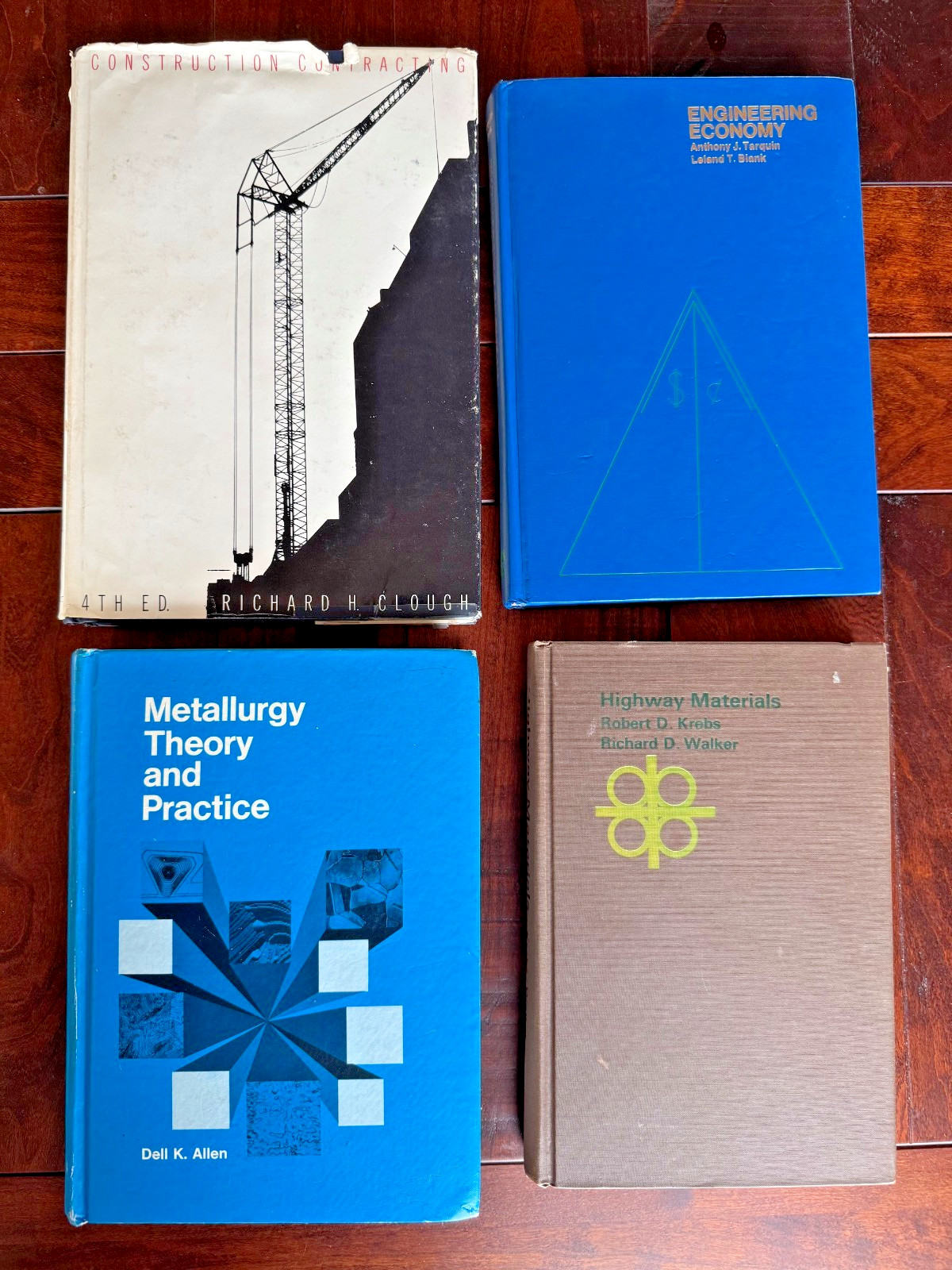 Lot of 4 Engineering Textbooks: Contracting, Materials, Metallurgy, Economics$24.99View on eBay
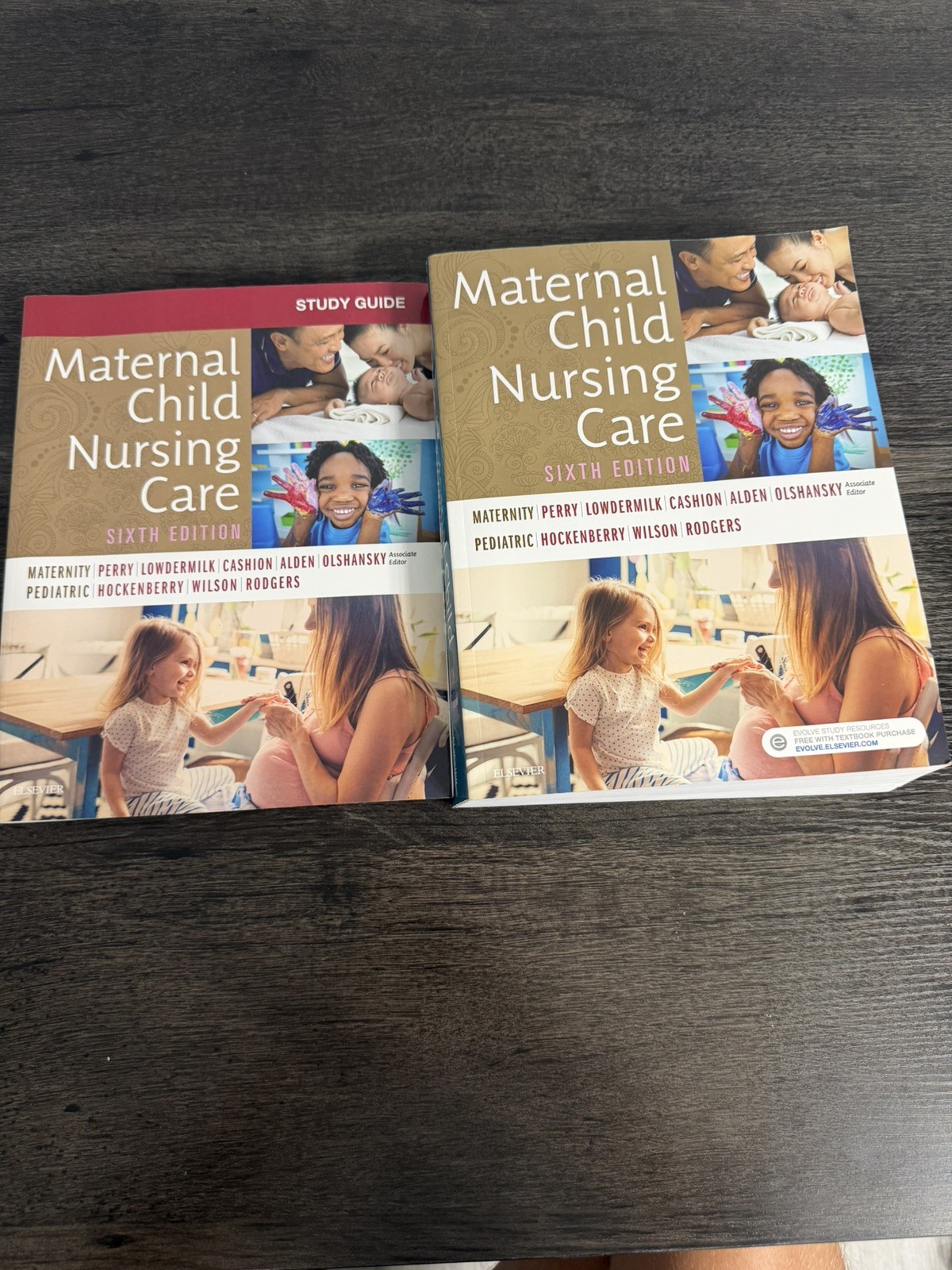 Maternal Child Nursing Care 7th Edition Perry Hockenberry Textbook$25.00View on eBay
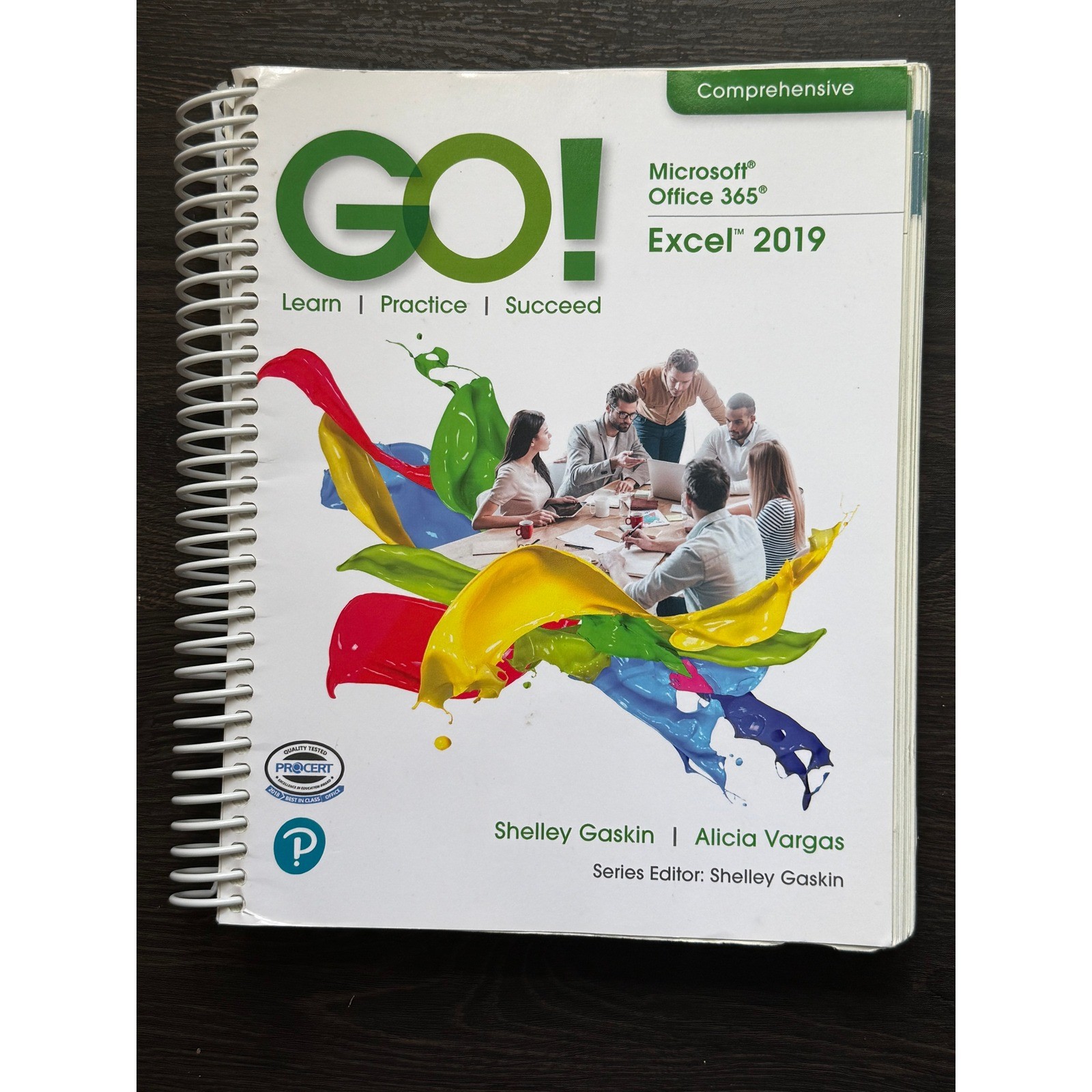 Pearson GO! Microsoft Office 365 Excel 2019 Comprehensive Gaskin Vargas Textbook$29.00View on eBay
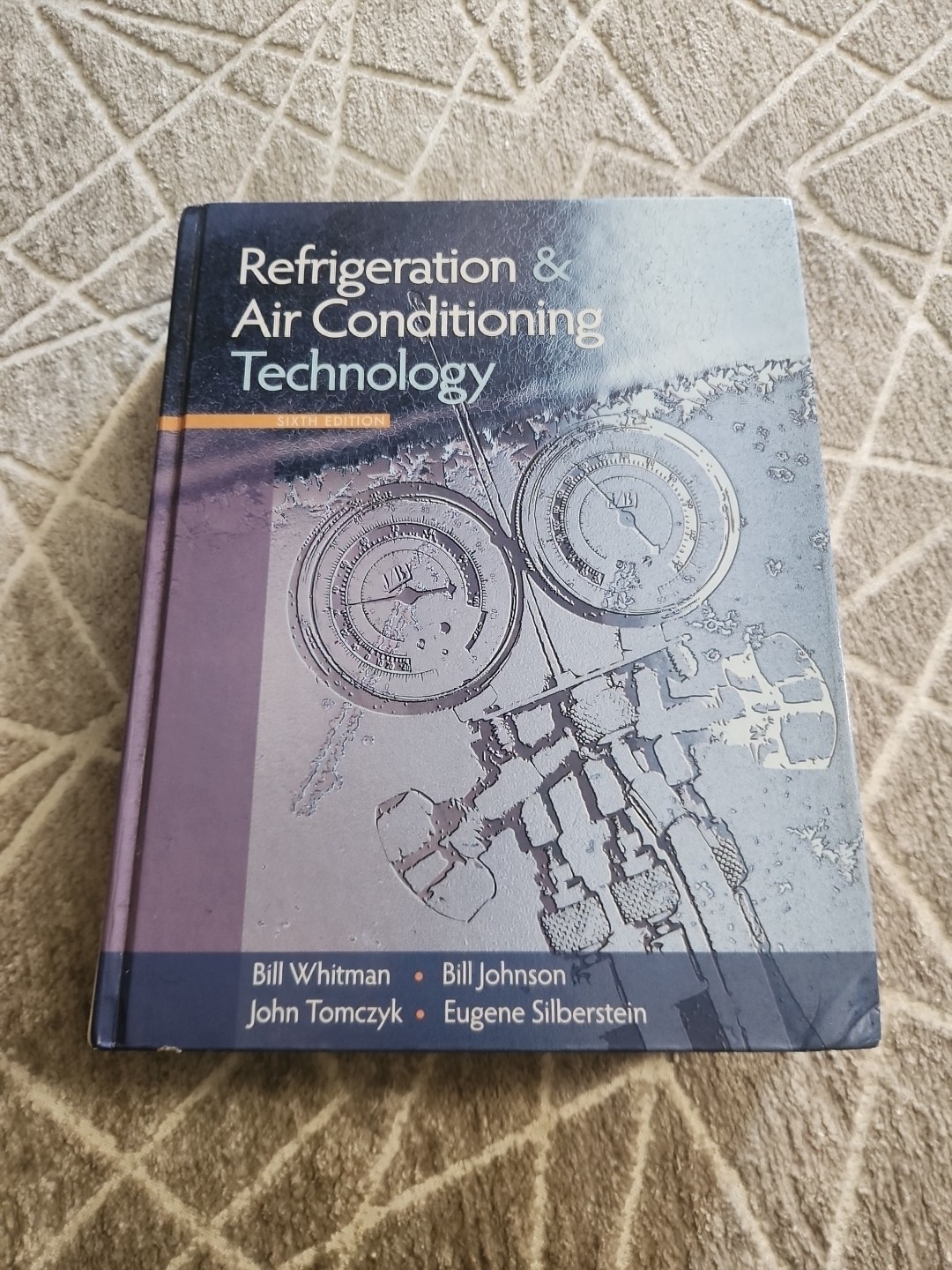 Refrigeration and Air Conditioning Technology 6th Edition HVAC Textbook$45.00View on eBay
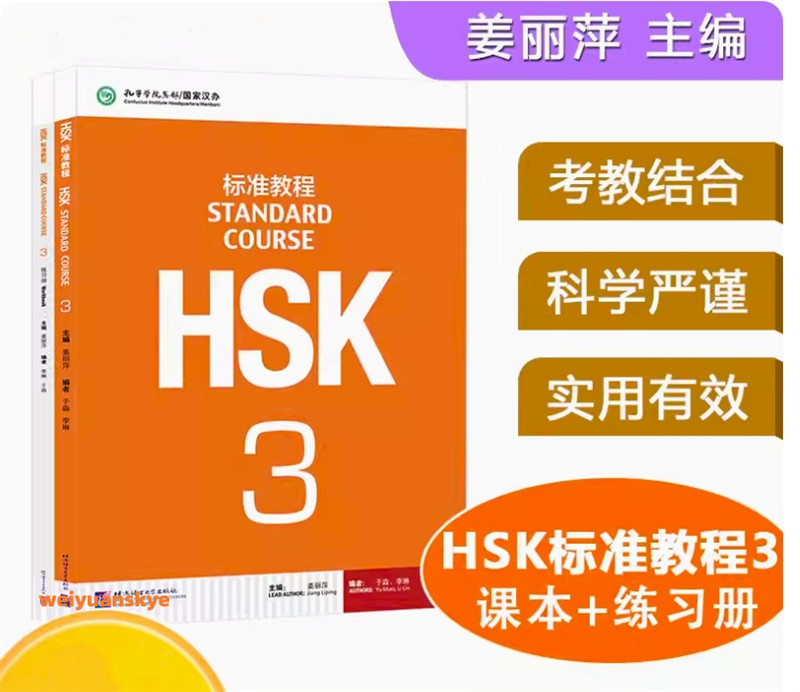 HSK Standard Course Workbook Learn Chinese Textbook Book Level 1-6 Set Bilingual$47.21View on eBay
 Store Business "Finance" Textbook Calculated Backwards from Cash Flow$48.54View on eBay
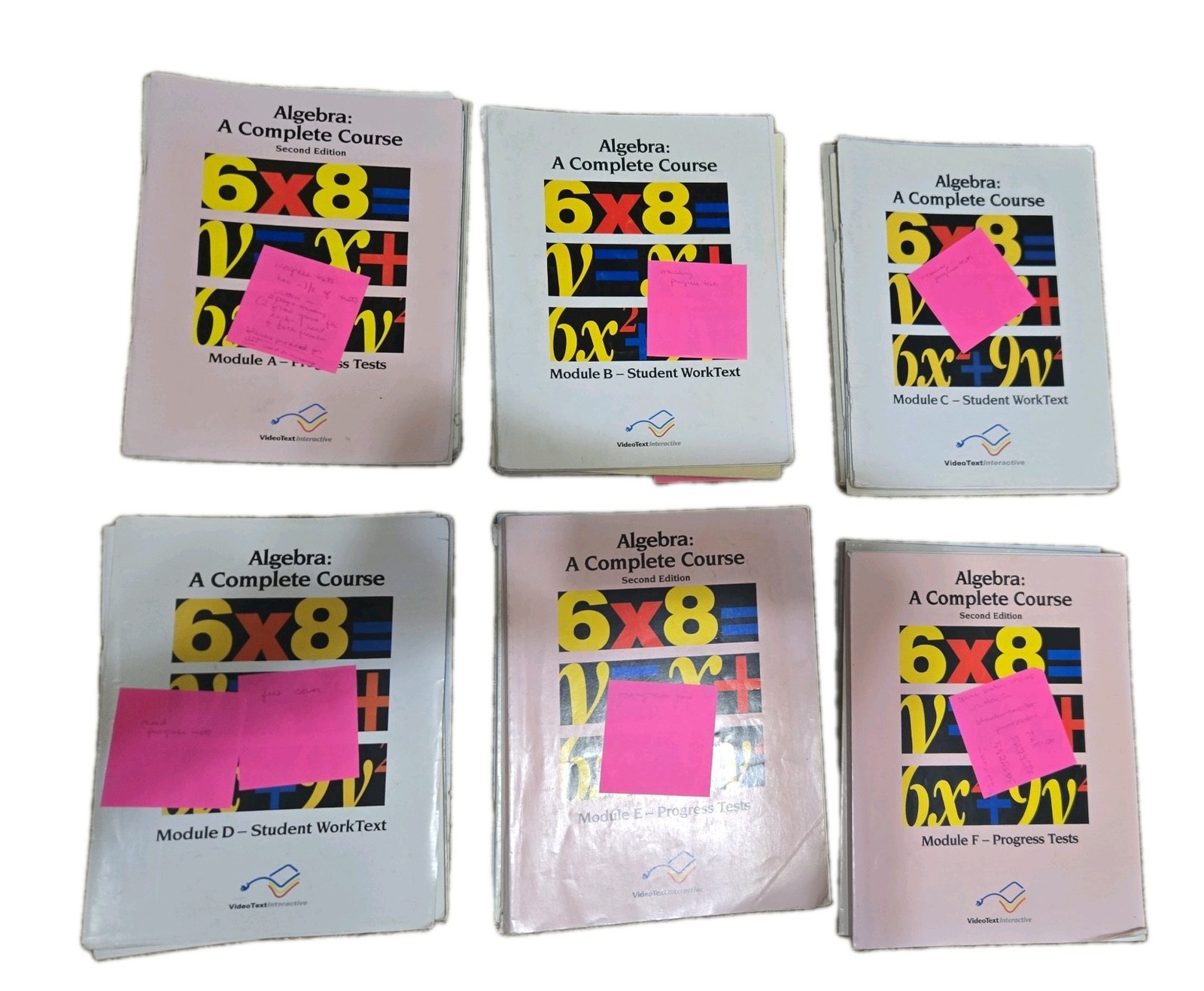 Video Text Algebra Complete Course Books DVDs Homeschool Math Curriculum Set A-F$75.00View on eBay
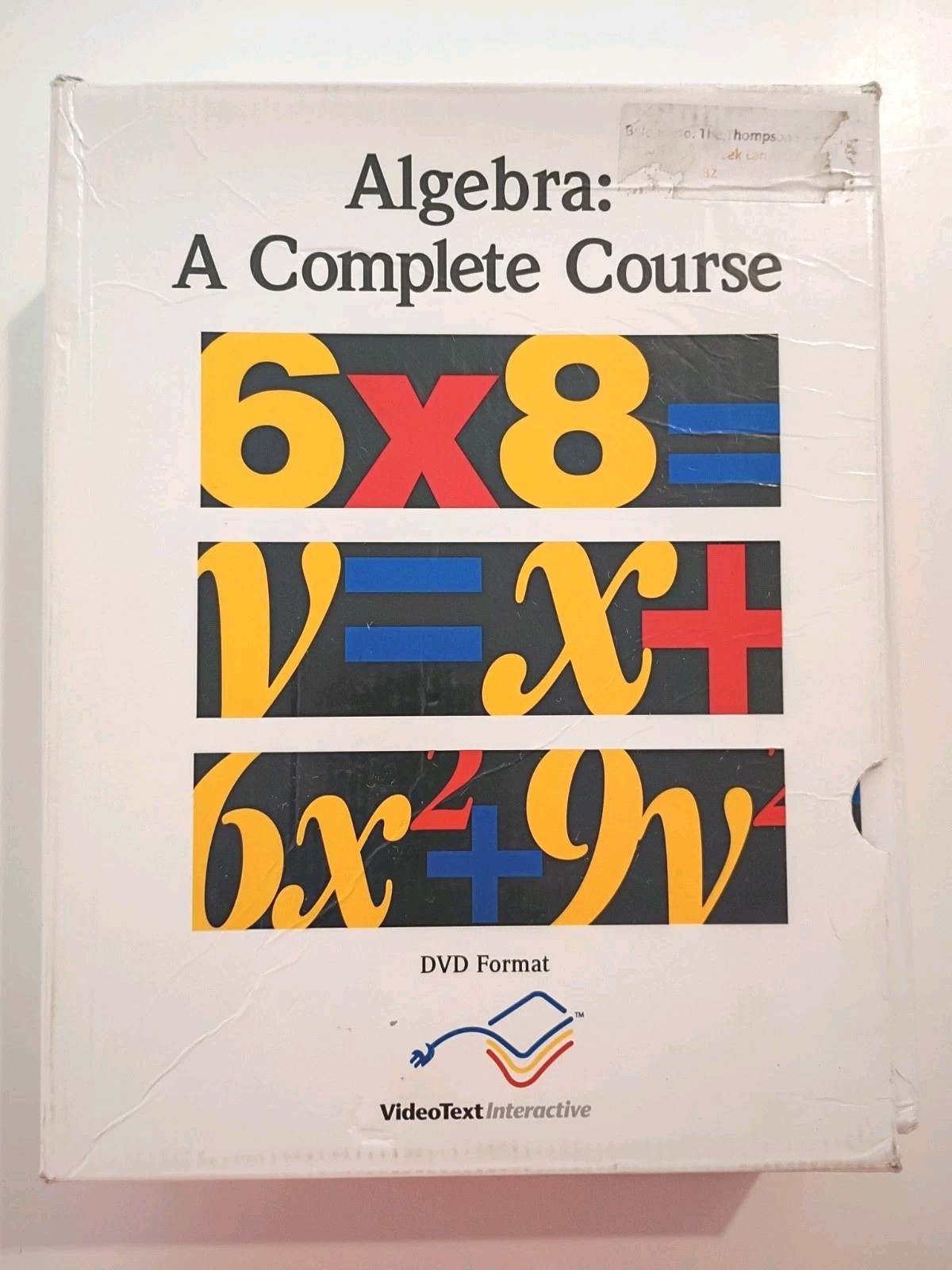 Video Text Algebra Complete Course Books DVDs Homeschool Math Curriculum Set A-F$149.99View on eBay
Highlights
- Edition year and ISBN are the true compatibility spec: a 7th edition nursing text and a 6th edition HVAC text differ in chapter mapping and test banks, so the ISBN—not the title—must match the syllabus.
- Binding grade separates durable from disposable: hardcover casebound texts survive multiple semesters; paperback or loose-leaf saves cost but requires a binder and shows spine wear quickly.
- Supplement rights define value: access codes for platforms like Office 365 exercises or online homework are single-use, so used copies often lack the code the course requires.
- Subject architecture changes content depth: casebooks (law) and comprehensive software guides are workbook-heavy, while science and engineering texts carry problem sets that make older editions risky.
Best use cases
- Best fit: buy the exact ISBN and edition for a current course, new or used-hardcover, when homework platforms or page-specific assignments are graded.
- Best fit: choose a prior edition only for subject-matter reading—law casebooks, reference handbooks, or general science—where chapter reordering does not break assignments.
- Wrong fit: buying a loose-leaf or international edition without confirming it includes the same problem sets and access code as the campus bookstore version.
- Wrong fit: purchasing a multi-title lot or genre bundle for a single class; subject lots serve general reference or resale, not syllabus matching.
Buying tips
- Match the 13-digit ISBN, not just title and author; editions can share cover art while changing problem sets and page numbering.
- For courses requiring online homework, buy new or explicitly code-included used copies; standalone access codes are often sold separately.
- Prefer hardcover casebound for multi-semester or professional reference use; choose paperback only for one-term electives where resale is unlikely.
- Verify international edition differences: they may use different paper stock, cover the same chapters, but exclude the access code and US problem sets.
Specs
| Binding Type | Hardcover casebound / Paperback / Loose-leaf |
|---|---|
| Edition Match | Current syllabus ISBN required |
| Supplement Rights | Access code single-use; often absent used |
| Subject Format | Casebook / Workbook / Comprehensive guide |
Related searches
What to check before buying
- Confirm the course syllabus ISBN and edition before ordering; note whether an access code is mandatory.
- Check the seller's condition grade and whether supplements (CD, code, workbook) are explicitly included.
- For loose-leaf, confirm binder size and hole pattern; for casebooks, confirm statutory supplement needs.
- Verify your course platform (e.g., Office 365, online homework) works with the edition you are buying.
FAQ
Data sources: eBay / Amazon listings and product attribute feeds. Updated Nov 27, 2026.
Some links on this page are affiliate links. If you buy after clicking one, we may earn a commission at no extra cost to you. This does not change which products appear here or their order. Affiliate disclosure.